Quick Facts
- Architectural Longevity: Designed with a 250-year lifespan in mind, far exceeding the industry standard of 80 years.
- Self-Cleaning Design: Over one million ceramic tiles are angled to use rainwater for cleaning, drastically reducing chemical and water use.
- Harbour-Powered Cooling: A pioneer in heat exchange technology, using 34 kilometers of pipes to circulate seawater for temperature regulation.
- Circular Economy Leader: Achieved a 90% recycling rate and a 6-Star Green Star performance rating through rigorous waste management.
- Biodiversity Haven: Home to "Living Sea Walls" that have introduced nine additional marine species to the surrounding waters since 2017.
Introduction: Beyond the White Sails
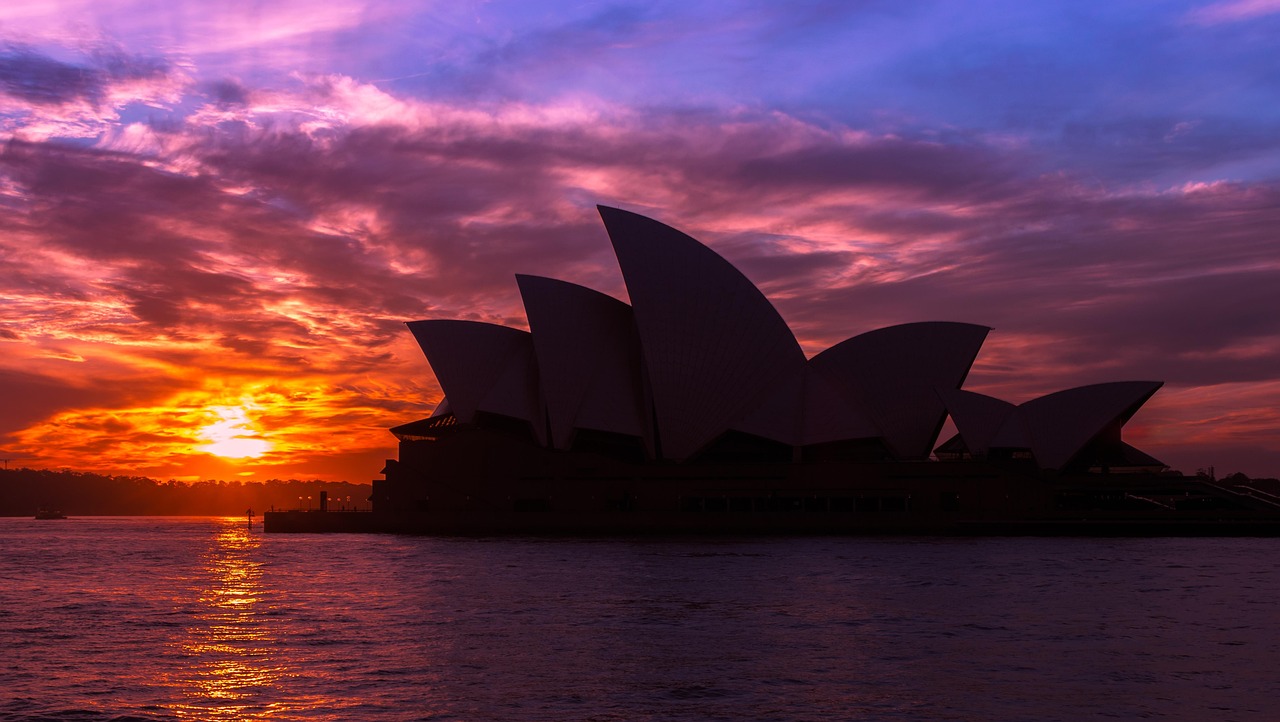
When we think of the Sydney Opera House, our minds immediately go to those soaring white sails, a dramatic silhouette against the deep blue of the harbour. For fifty years, this structure has stood as the definitive symbol of Australia, a testament to human creativity and architectural daring. But as we celebrate its 50th anniversary (1973–2023), it is time to look beneath the aesthetic spectacle. Behind the glamour of the performances and the iconic geometry lies a deeper story: a masterpiece of sustainable engineering that was, in many ways, half a century ahead of its time.
To the conscious traveler, the Opera House is not just a destination for high culture; it is a blueprint for how we might build in harmony with our environment. While modern skyscrapers often struggle to retrofit "green" features onto existing frames, the Sydney Opera House was born with a sustainable DNA. Architect Jørn Utzon’s vision wasn’t just about creating a beautiful building; it was about creating a resilient one. In an era where "disposable architecture" is a growing concern, the Opera House was built with a 250-year lifespan in mind, shattering the standard 80-year expectancy for most modern builds.
The Visionary DNA: Jørn Utzon’s Eco-Friendly Blueprint
In 1956, when Danish architect Jørn Utzon won the international competition to design the Opera House, the term "sustainability" hadn't yet entered the common lexicon. Yet, Utzon looked to nature for his primary inspiration, a philosophy that naturally led to eco-efficient results. He didn't see the building as a separate entity from Bennelong Point; he saw it as an extension of the land and sea.
The most visible triumph of this philosophy is the roof. The "sails" are covered in exactly 1,062,239 ceramic tiles, a mix of glossy "Ice" and matte "Snow" finishes. Utzon spent years perfecting these tiles with the Swedish firm Höganäs, drawing inspiration from Japanese ceramic traditions.
What are the self-cleaning tiles on the Sydney Opera House? Utzon designed the roof with these specific ceramic tiles to reflect light, which naturally reduces heat absorption within the building. Crucially, the tiles are angled in such a way that they are effectively self-cleaning. Whenever it rains, the water flows over the chevron-patterned tiles, washing away dust and debris. This ingenious design significantly reduces the need for manual cleaning and the use of harsh chemical detergents, preserving the integrity of the harbour’s ecosystem.
Engineering the Harbour: The Seawater Cooling System
One of the most remarkable feats of the Opera House is how it utilizes its unique geography. While most buildings of its size rely on massive air-conditioning units that consume millions of liters of potable freshwater, the Opera House "breathes" using the very water it sits upon.
How does the Sydney Opera House implement sustainable cooling? The building utilizes a groundbreaking seawater cooling system that was revolutionary for the 1960s. This system features 34 kilometers of pipes that circulate cold water directly from the Sydney Harbour throughout the building. This water regulates the indoor temperature of the concert halls and theaters without relying on the city's drinking water supply.
This legacy of innovation has not stopped. Recently, the Opera House has integrated smart technology to monitor and optimize its systems in real-time. By upgrading to sophisticated building management systems and high-efficiency lighting, the Opera House's upgraded smart technology has enabled a reduction in electricity consumption by approximately 90%. This blend of 1960s engineering and 21st-century digital intelligence ensures the building remains a global leader in energy efficiency.
Modern Milestones: The 6-Star Green Star Performance Rating
In 2023, the Sydney Opera House achieved a milestone that few UNESCO World Heritage sites can claim: a 6-Star Green Star performance rating from the Green Building Council of Australia. This rating represents "World Leadership" in building operations. This wasn't achieved through a single grand gesture, but through a meticulous, decade-long commitment to the circular economy.
What is the Sydney Opera House's current recycling rate? One of the most impressive components of this rating is the building's waste management evolution. Through a bespoke waste management plan and close collaboration with its diverse food and beverage operators, the Opera House increased its recycling rate from 50% to 90% over a five-year period.
Sustainability Tip: The Opera House even recycles food waste by converting it into energy. By implementing a "new stream" for organics, they have diverted thousands of tonnes of waste from landfills, proving that even a complex, high-traffic cultural venue can achieve near-zero waste.
This achievement required a cultural shift. The management team worked with everyone from backstage technicians to the chefs at the onsite restaurants to ensure that every material—from old theater seats to plastic-free packaging—was handled with a "reduce and reuse" mindset.
Reviving the Harbour: The Living Sea Walls and Biodiversity
As a sustainable travel editor, I am often most moved by projects that seek to heal the environment rather than just "do less harm." The Opera House’s "Living Sea Walls" project is a perfect example of restorative architecture.
In collaboration with the University of Technology Sydney (UTS) and the Sydney Institute of Marine Science, the Opera House installed a series of modular, 3D-printed tiles along the harbour’s sea wall. These structures, often described as being the size of "R2D2" units, mimic the complex geometry of natural mangroves and rock pools, providing a habitat for marine life that a flat concrete wall cannot offer.
The results have been nothing short of spectacular. Since the implementation of the Living Sea Walls project in 2017, nine additional marine species have been surveyed in the surrounding waters. Most notably, this includes the endangered White’s seahorse, which has found a safe haven in these artificial reefs. It is a poignant reminder that even in the heart of a bustling metropolis, we can create spaces where nature and humanity coexist.
Experiencing the Legacy: Tours and Sustainable Visits
For those who wish to experience this "Green" icon firsthand, there are several ways to engage with its sustainable legacy. I highly recommend moving beyond the exterior photo-op and booking a guided tour.
- The Architectural Tour: This 1-hour journey takes you into the heart of Utzon’s design. You’ll get a close-up look at the chevron tiles and learn about the "spherical solution" that allowed the sails to be built.
- The Backstage Tour: For a deeper look at the building’s inner workings, including how they manage energy and acoustics in one of the world's busiest performing arts centers.
- Dining with a Conscience: Visit Midden by Mark Olive, where the menu celebrates Indigenous Australian ingredients and local produce. Alternatively, grab a drink at Opera Bar, which has been a key partner in the Opera House’s 90% recycling success story.
For sustainability professionals and corporate groups, the Opera House also offers 'TRANSFORM' site visits, which focus specifically on their environmental social governance (ESG) strategies.
Book an Official 1-Hour Guided Tour →

FAQ
Are the tours accessible for people with mobility requirements? Yes, the Sydney Opera House offers accessible tours. There are elevators and ramps throughout the building. It is recommended to notify the booking team in advance so they can ensure a seamless experience.
What is the bag policy for visitors? For security reasons, any bags larger than an A4 piece of paper must be cloaked. This applies to both tour participants and performance attendees. Cloaking is free for ticket holders.
Do I need to book tours in advance? Absolutely. As one of the world's most popular landmarks, tours often sell out days or weeks in advance, especially during the 50th-anniversary season.
Conclusion: A Legacy for the Next 200 Years
The Sydney Opera House at 50 is far more than a monument to the past; it is a living laboratory for the future. By honoring Jørn Utzon’s original, nature-inspired vision while relentlessly pursuing modern sustainability goals, the Opera House has proven that heritage and innovation are not mutually exclusive.
As travelers, we have a responsibility to support institutions that take the long view. Whether you are marvelling at the self-cleaning tiles or spotting a seahorse in the Living Sea Walls, a visit here is a masterclass in what happens when we design for the next two centuries, not just the next fiscal year. The next time you see those white sails, remember: they aren't just catching the wind—they are leading the way toward a greener, more conscious world.