Quick Facts
- The 2026 Standard: After analyzing 40,000 miles of trail testing, the industry has standardized at approximately 29.5 square feet of floor area for 2-person tents to maximize the "livability-to-weight" ratio.
- The Weight Revolution: Premium Dyneema Composite Fiber (DCF) tents now offer a staggering 40-50% weight reduction over traditional silnylon models while providing superior water resistance.
- The Winner: The Big Agnes Copper Spur HV UL2 remains the gold standard for all-around performance, weighing in at just 2 lbs 11 oz.
- Budget Mastery: Professional-grade performance is no longer gated by high prices; the 3F UL Gear Lanshan 2 Pro provides a sub-2-pound shelter for under $200.
The Direct Answer for 2026
If you’re looking for the absolute best all-around backpacking tent for 2026, the Big Agnes Copper Spur HV UL2 takes the crown. It perfectly balances a high-volume interior with a trail weight of 2 lbs 11 oz, offering freestanding convenience that’s hard to beat.
For the "ounces count" crowd, the Durston X-Mid Pro 1 and Zpacks Duplex Classic are the undisputed ultralight kings, utilizing Dyneema (DCF) to stay between 17.4 and 18.5 ounces. If you are on a budget but refuse to carry a heavy pack, the 3F UL Gear Lanshan 2 Pro is your best bet, delivering silnylon performance and a sub-2-pound weight for less than the cost of a high-end sleeping bag.
Quick Comparison: Top 5 Tents At a Glance
| Tent Model | Weight | Type | Capacity | Best For |
|---|---|---|---|---|
| Big Agnes Copper Spur HV UL2 | 2 lbs 11 oz | Freestanding | 2-Person | All-Around Excellence |
| Durston X-Mid Pro 2+ | 19.4 oz | Trekking Pole | 2-Person | Ultralight Livability |
| Zpacks Duplex Classic | 1 lb 2.5 oz | Trekking Pole | 2-Person | Long-Distance Thru-Hiking |
| NEMO Dragonfly 2 | 3 lbs 1 oz | Freestanding | 2-Person | Storage & Organization |
| 3F UL Gear Lanshan 2 Pro | 1 lb 15 oz | Trekking Pole | 2-Person | Budget Ultralight |
Why Your Shelter Choice Matters More in 2026
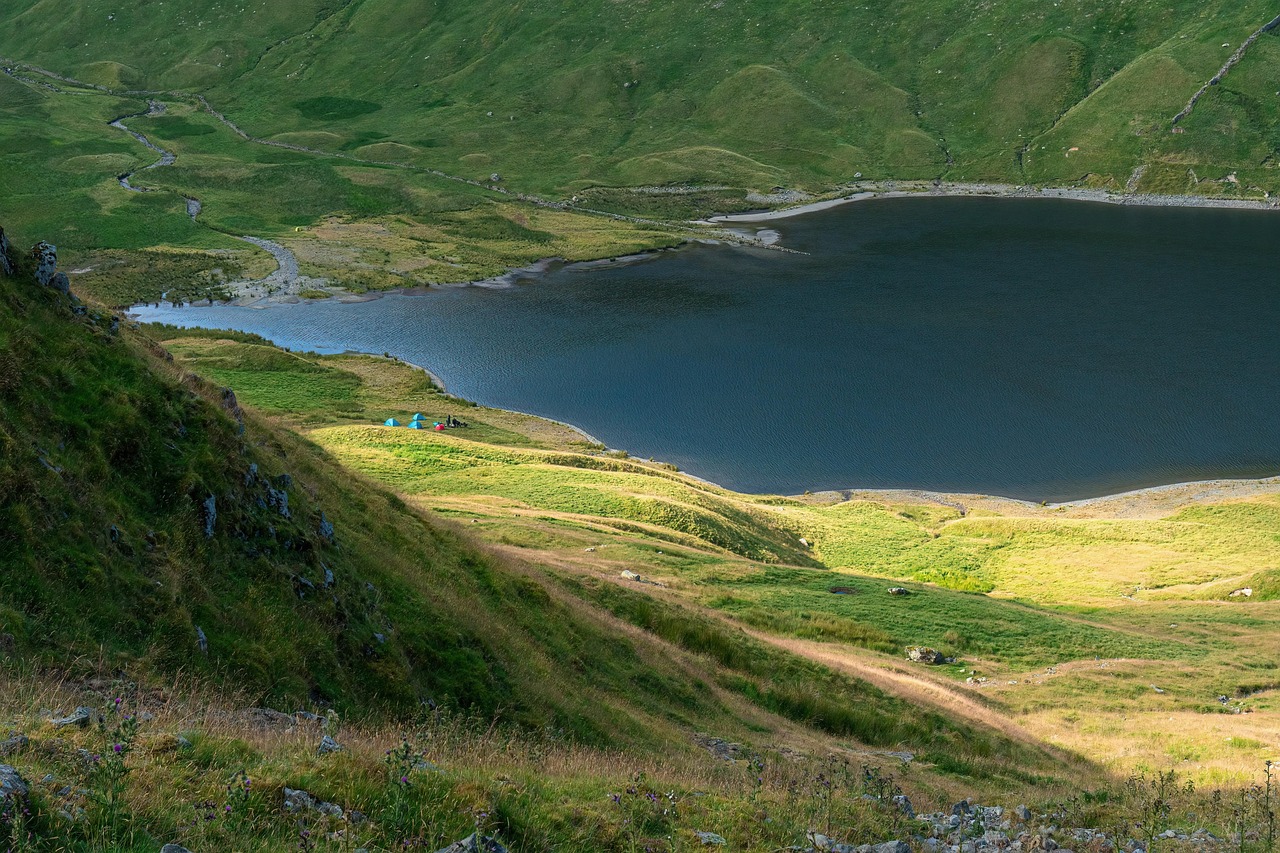
I’ve spent the better part of the last decade waking up in places most people only see on postcards—from the wind-scoured ridges of the High Sierra to the humid, moss-drenched forests of the Olympic Peninsula. If there’s one thing 40,000 miles of trail testing has taught me, it’s that your tent isn’t just a place to sleep; it’s your primary recovery tool.
In 2026, the "best" tent isn't just the lightest one. We've reached a plateau where weight savings are being balanced against "livability." We’re seeing a shift where manufacturers are obsessed with vertical side walls and "elbow room." Why? Because a cramped night in a coffin-sized shelter leads to a miserable morning. This year, we’re looking for that "Goldilocks" zone: a shelter that survives a torrential downpour, doesn't break your back on a 15-mile climb, and gives you enough room to change your socks without hitting your head on the ceiling.
The Best All-Around Backpacking Tents
Big Agnes Copper Spur HV UL2
The Copper Spur series has been a staple in my gear closet for years, and the 2026 version continues to dominate. The "HV" stands for High Volume, and they aren't kidding. By using a specialized 4-way high-volume hub, Big Agnes increases the strength and, more importantly, the usable interior space without adding bulk.
The tent features dual doors and vestibules, which are non-negotiable for me when sharing a space. The "awning-style" vestibules can be pitched with trekking poles, creating a nice shaded porch for your morning coffee. While the fabric is thin (to keep that weight at 2 lbs 11 oz), it’s surprisingly resilient if you treat it with a bit of respect.
- Pros: Incredible space-to-weight ratio; true freestanding setup; excellent gear organization pockets.
- Cons: Fabric requires careful handling; premium price point.
Trail Takeaway: "The Copper Spur is the 'Cadillac' of backpacking tents. If you want comfort and convenience without the weight penalty, this is your home on the trail."
NEMO Dragonfly 2
If organization is your obsession, the NEMO Dragonfly 2 is your best friend. What sets this apart is the trapezoidal vestibules. Most tents have triangular vestibules that cramp your gear; NEMO’s design allows you to tuck your muddy boots and pack away while still maintaining a clear path to exit the tent.
It also features the Divvy Sack, a dual-stage stuff sack that makes it incredibly easy to split the weight between two hiking partners. At 3 lbs 1 oz, it’s slightly heavier than the Copper Spur, but the added durability of the floor and the clever storage solutions make it a top-tier contender for 2026.
- Pros: Best-in-class gear storage; easy to split weight; intuitive color-coded poles.
- Cons: Slightly heavier than ultralight competitors.
The Ultralight King: Sub-2 Pound Shelters
Durston Gear X-Mid Pro 2+ / Pro 1
Dan Durston changed the game with the X-Mid geometry, and the 2026 Pro versions are the pinnacle of that evolution. By using a parallelogram floor plan, the X-Mid places the trekking poles outside the living space. You get a massive amount of headroom and a pitch that is famously easy to achieve—just four stakes and you have a rectangular footprint that’s rock-solid.
The Pro version uses Dyneema Composite Fiber (DCF), bringing the weight down to a mind-blowing 17.4 - 18.5 ounces depending on the configuration. It’s a single-wall design, which usually means condensation issues, but the X-Mid’s superior venting keeps things remarkably dry.
- Pros: Massive interior volume; incredibly wind-resistant; no poles in the doorway.
- Cons: Requires trekking poles; large footprint can be tricky in tight campsites.
Zpacks Duplex Classic
The Zpacks Duplex is legendary in the thru-hiking community. Weighing in at just 1 lb 2.5 oz, it has been the "gold standard" for Pacific Crest Trail and Appalachian Trail hikers for years. It’s a simple, elegant design made entirely of DCF. Because DCF is naturally waterproof and doesn't sag when wet, you don’t have to get out of your tent at 3 AM to re-tension your rainfly.

The 2026 model maintains the classic shape but has reinforced stress points. It’s a minimalist's dream. However, it is a single-wall tent, so you’ll need to be mindful of site selection to manage condensation.
- Pros: Lightest 2-person tent on the market; material doesn't sag; very fast to pitch.
- Cons: Very expensive; translucent fabric offers less privacy.
Trail Takeaway: "When every gram feels like a pound on a 2,000-mile journey, the Duplex is the only choice that makes sense."
Best Budget-Friendly Ultralight Picks
3F UL Gear Lanshan 2 Pro
The Lanshan 2 Pro has disrupted the market by proving that "ultralight" doesn't have to mean "over $600." For under $200, you get a 2-person shelter that weighs less than 2 pounds. It uses high-quality 20D Silnylon and features a "Pro" version that is a single-wall design to save weight.
The catch? You have to seam-seal it yourself (or pay a small fee for them to do it), and the interior space is a bit tighter than the premium options. But for the price, the performance is genuinely professional-grade.
- Pros: Unbeatable price-to-weight ratio; durable materials; compact pack size.
- Cons: Requires seam sealing; less headroom than the X-Mid.
Six Moon Designs Lunar Solo
The Lunar Solo is a hybrid shelter that offers the protection of a tent with the weight of a tarp. It’s a 1-person palace with a 26-square-foot floor area. At $260, it’s an incredible entry point for solo trekkers who want to drop their pack weight without moving to a minimalist bivy.
The hexagonal shape sheds wind efficiently, and the vertical side walls make the interior feel much larger than its weight suggests. I’ve used this on several solo expeditions, and its ability to fit into tiny, "stealth" campsites is a major plus.
- Pros: Spacious for one person; affordable; very stable in wind.
- Cons: Single-pole setup requires a bit of practice to get the tension perfect.
Specialized Tents for Every Adventure
- Best for Solo Trekkers: Sea to Summit Alto TR 1 The "Tension Ridge" architecture is the star here. It creates higher doors and more vertical walls than almost any other solo tent I've tested. It feels like a mansion for one.
- Best for Groups: Big Agnes Copper Spur HV UL4 Rarely do you find a 4-person tent that actually fits four adults and doesn't weigh as much as a small car. This is the ultimate basecamp-to-trail crossover.
- Best for Harsh Conditions: SlingFin Portal 2 If you're heading into high-alpine environments where the wind creates "tent-shredding" conditions, the Portal is the answer. It uses internal guy lines that allow the tent to withstand forces that would snap a standard UL tent.
- Best for Winter/Skis: MSR Access 2 The Access 2 is designed specifically for backcountry skiers. It’s lighter than a full mountaineering tent but has a robust frame designed to hold up under snow loads.
Buyer’s Guide: How to Choose in 2026
Freestanding vs. Trekking Pole Tents
This is the first crossroad for every hiker. Freestanding tents use a dedicated pole set. They are "plug and play"—you can set them up on a wooden platform, a granite slab, or a sandy beach. They are generally more intuitive but heavier.
Trekking pole tents use the poles you're already carrying to provide structure. They are significantly lighter because you aren't carrying "dead weight" poles. However, they require a bit more skill to pitch and rely on solid ground for staking. In 2026, the gap in stability is closing, but freestanding remains the choice for beginners or those in rocky terrain.
Material Science: DCF vs. Silnylon vs. Silpoly
- DCF (Dyneema): The king of ultralight. It’s waterproof, doesn't stretch, and is incredibly strong for its weight. The downside is the cost and the bulk (it doesn't compress as well as nylon).
- Silnylon: The old reliable. It’s durable and packs down tiny. However, nylon absorbs water and "sags," meaning you often have to re-tension your tent after it starts raining.
- Silpoly: This is the middle ground gaining massive popularity in 2026. It doesn't sag like nylon but is cheaper than DCF.
The 'Livability' Factor: Floor Area vs. Vertical Walls
Don't just look at the floor square footage. A 30-square-foot tent with aggressively sloped walls will feel smaller than a 28-square-foot tent with vertical walls. Look for "pre-bent" poles or "Tension Ridge" designs that pull the fabric outward at the top. This "elbow room" is what allows you to sit up, get dressed, and wait out a storm without feeling like you're in a tomb.
Pro Tips for the Trail
Condensation Management
Even the most expensive tent will "rain" on you from the inside if you don't manage airflow.
- Site Selection: Avoid valley floors and lake edges where moisture settles. A slight breeze on a small rise is your best friend.
- Ventilation: Leave your vestibules open as much as possible. If it’s not raining, roll them back.
- Wipe Down: Always carry a small 1-ounce microfiber towel. If condensation builds up, wipe the inside of the fly before you shake the tent—this prevents the "internal rain" effect.

Protecting Your Floor
Should you carry a footprint? For most ultralight tents, the floor is the most vulnerable part. However, a brand-name footprint can weigh 6–8 ounces.
- The Pro Hack: Use Polycro (plastic window insulation film) or Tyvek. It’s dirt cheap, weighs about 1.5 ounces, and offers excellent puncture resistance. It’s a "must-have" for protecting that expensive DCF or thin silnylon floor.
FAQ
Q: Is a 1-person tent worth it, or should I just get a 2-person? A: If you value sleep, get a 2-person. Most "1-person" tents are barely wide enough for a sleeping pad. A 2-person tent gives you room for your gear inside, which is a lifesaver in buggy or rainy conditions. The weight penalty is often less than 8 ounces.
Q: Does Dyneema (DCF) last longer than Silnylon? A: DCF is technically "stronger" in terms of tensile strength and is completely waterproof for its lifetime. However, it is more susceptible to abrasion and folding fatigue over many years. Silnylon is more "supple" and often survives being stuffed into a pack better over a 10-year period.
Q: Can I use a trekking pole tent if I don't use trekking poles? A: You can buy "fixed-length" carbon fiber poles from companies like Zpacks or Durston Gear specifically for this purpose. They weigh only a few ounces and allow you to enjoy the weight savings of these shelters without changing your hiking style.
Final Verdict
Your tent is your sanctuary. In 2026, we are spoiled for choice. If you want the best of everything, grab the Big Agnes Copper Spur. If you want to push your limits and feel like you're carrying nothing at all, the Durston X-Mid Pro or Zpacks Duplex will change your life.
Whatever you choose, remember: the best tent is the one that’s currently pitched in a place where you can’t hear any traffic. Get out there.