Quick Facts
- Top 2026 Destinations: Alto Asón (Nature), Comporta (Eco-luxury), and the revitalized Costa del Sol.
- Major Hotel Openings: The arrival of Four Seasons Marbella and Mandarin Oriental Punta Negra marks a new era of ultra-luxury.
- The 2026 Vibe: A shift toward "Slow Travel," focusing on private villas, wellness retreats, and heritage-rich walking trails like the Camí de Ronda.
- Best Time to Visit: April to June and September to October offer the perfect balance of mild weather and exclusive access.
Introduction: The Iberian Peninsula’s 2026 Renaissance
There is a particular kind of magic that unfolds when heritage meets a modern sense of sanctuary. As we look toward 2026, the Iberian Peninsula is not merely a destination; it is undergoing a profound renaissance of the soul. We are seeing a shift away from the frenetic pace of traditional tourism toward something far more intimate—a "slow travel" movement where the clinking of a crystal glass against the backdrop of a Cantabrian sunset matters more than a checklist of monuments.
What are the top destinations in Spain and Portugal for 2026? According to travel experts and my own recent explorations, the must-visit locations include the ethereal Alto Asón in Cantabria for nature seekers, the chic, eco-conscious shores of Comporta in Portugal, and the rejuvenated Costa del Sol, which is shedding its mid-century skin to embrace high-end hospitality debuts.
This year is defined by over 12 major luxury resort launches, including the expansion of the iconic Jncquoi brand and the long-awaited debut of the Four Seasons in Marbella. Whether you are seeking the salt-dusted coastlines of the Atlantic or the sun-drenched olive groves of Andalusia, 2026 offers a curated tapestry of experiences designed for the discerning traveler.
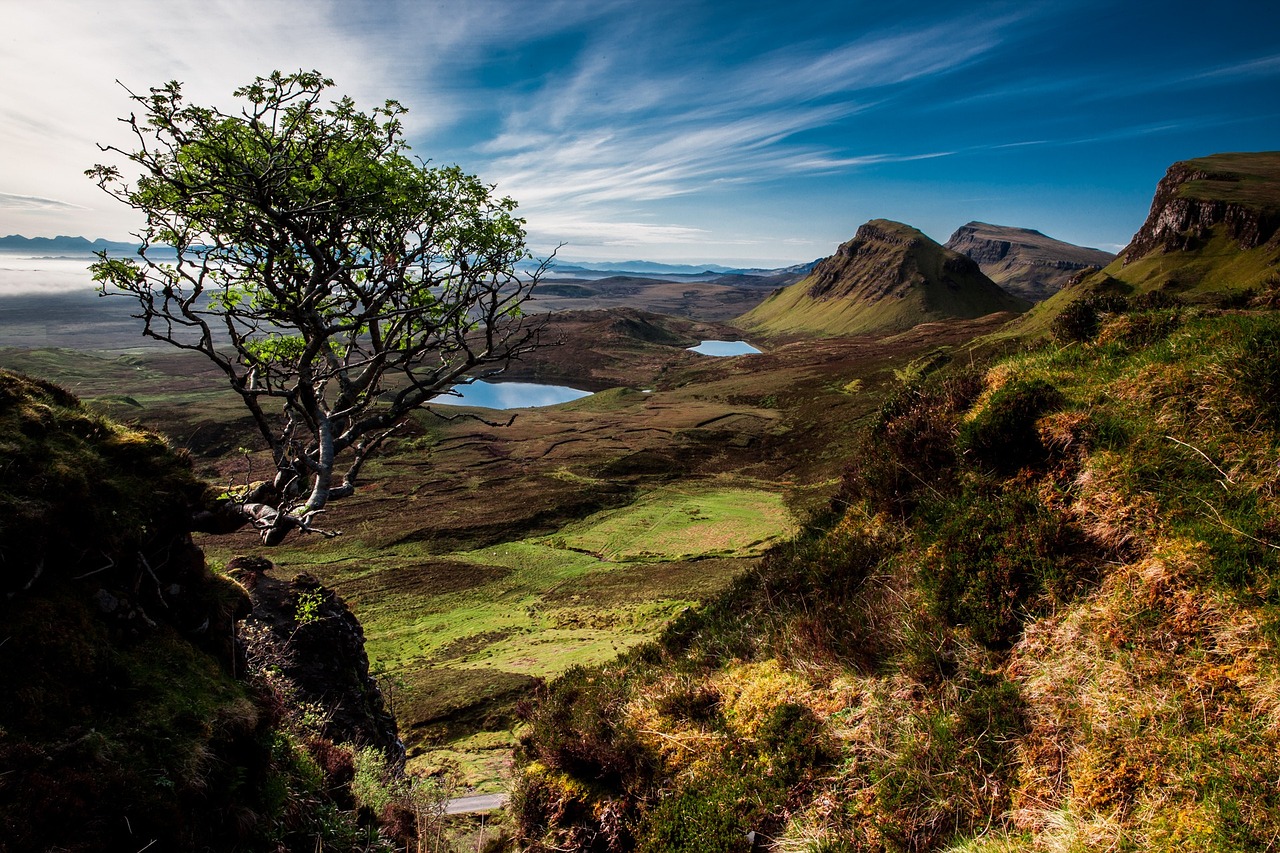
1. Alto Asón, Cantabria: The Frontier of Slow Travel
In the northern reaches of Spain, where the mist clings to limestone peaks and the air tastes of wild rosemary, lies Alto Asón. This is the frontier of "small but infinite" travel. Here, luxury isn't about gold leaf; it’s about the exclusivity of silence and the privilege of space.
The 2026 travel season sees a record interest in the "back-to-nature" movement, with travelers gravitating toward the remote Gándara and Asón river valleys. Spend your mornings hiking through ancient beech forests and your afternoons exploring the medieval towers of Santillana del Mar, a town that feels as though it were frozen in amber.
- The Experience: Private guided tours of the karst landscapes and hidden caves.
- Where to Stay: Relais & Châteaux properties that emphasize farm-to-table gastronomy.
- Insider Tip: Visit the Nacimiento del Asón, a spectacular waterfall that serves as the valley's beating heart.
2. Marbella & Costa del Sol: The New Mediterranean Glamour
The Costa del Sol is reinventing itself with a sophisticated edge that rivals the French Riviera. The headline of 2026 is undoubtedly the arrival of the Four Seasons Marbella, a project that has been whispered about in elite circles for years. This, alongside the new Meliá Collection in Estepona, is shifting the region’s gravity toward ultra-luxury.
Which luxury hotels are opening in Spain in 2026? Beyond the Four Seasons, we are looking at a sparkling portfolio of debuts including the Mandarin Oriental Punta Negra in Mallorca and the meticulously redesigned St. Regis Mardavall.
For the culturally inclined, the Picasso Museum’s "Memory and Desire" exhibition remains a cornerstone of the Marbella season through April 2026, offering a deep dive into the artist's emotional landscapes.
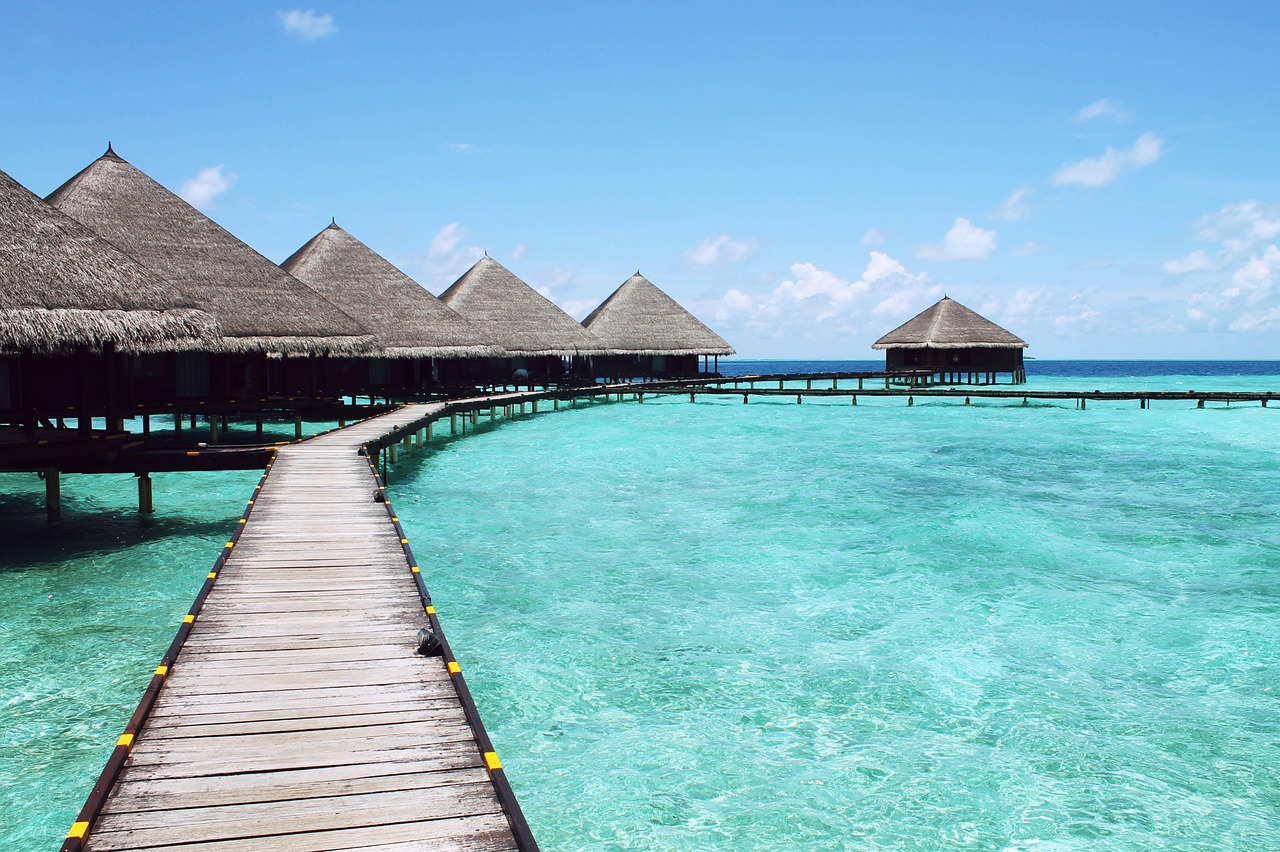
3. Comporta & Melides, Portugal: The Unspoiled Seaside Sanctuary
Is Comporta, Portugal worth visiting in 2026? The answer is a resounding yes. If the Algarve is for the crowds, Comporta is for the connoisseurs. 2026 marks a peak for this region with the opening of highly anticipated properties like Na Praia (Spring 2026) and Christian Louboutin’s second masterpiece, Vermelho Lagoa.
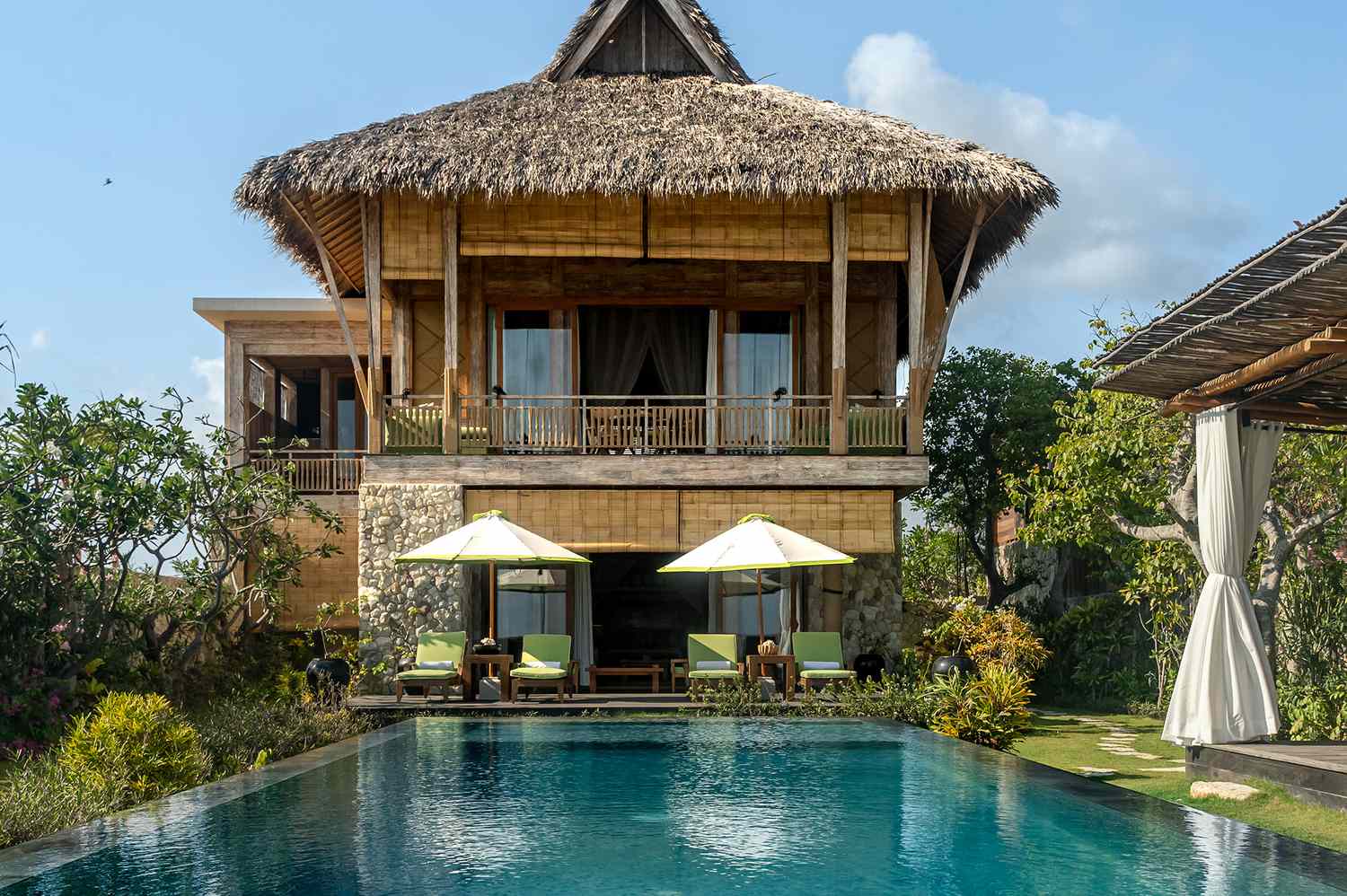
The aesthetic here is "barefoot luxury"—think thatched-roof villas, infinity pools that bleed into rice fields, and the scent of pine forests meeting the Atlantic salt. The expansion of the Jncquoi brand into the region further solidifies its status as the premier destination for quiet luxury and eco-conscious travel.
- Must-Do: A private horseback ride at sunset along the deserted sands of Praia do Carvalhal.
- Dining: Freshly caught grilled sardines at a beach shack that hides a world-class wine cellar.
- Architecture: Look for the minimalist lines of Aires Mateus-designed retreats.
4. Calviá, Mallorca: The Balearic Island Upgrade
Mallorca is shedding its "mass-tourism" reputation, particularly in Calviá. What was once Magaluf is being transformed into a high-end hub of Mediterranean chic. The reopening of the St. Regis Mardavall in February 2026 sets the tone for a season of refined elegance.
The island’s appeal lies in its ability to offer both high-octane social scenes and secluded cove retreats. The debut of the Mandarin Oriental Punta Negra brings a new level of service to the Balearics, offering guests private peninsula access and cliffside dining that feels entirely untethered from the world.
Emma’s Note: Mallorca in 2026 is about the "Inner Island." Rent a vintage convertible and drive to the Tramuntana mountains for a lunch of olive oil and crusty bread in a village that has seen no change in a century.
5. Costa Brava, Spain: Gastronomy and Coastal Trails
The rugged beauty of the Costa Brava remains a perennial favorite, but 2026 brings a renewed focus on active slow travel. The 27-mile Camí de Ronda walking trail, stretching from Sant Feliu de Guíxols to Begur, is seeing record interest. It is a sensory journey where every turn reveals a hidden azure cove or a salt-dusted pine grove.
The culinary scene is also evolving. While the legacy of El Bulli remains, the new wave of natural wine bars in Cadaqués and the legendary red prawns of Palamós are the true stars.
- The Stay: The newly opened Meliá Begur, which has taken over the former Hotel Eetu, offers a modernist take on coastal living.
- The Route: Walk the section from Llafranc to Calella de Palafrugell for the most iconic views.
6. Madrid: The Eternal Pulse of Central Spain
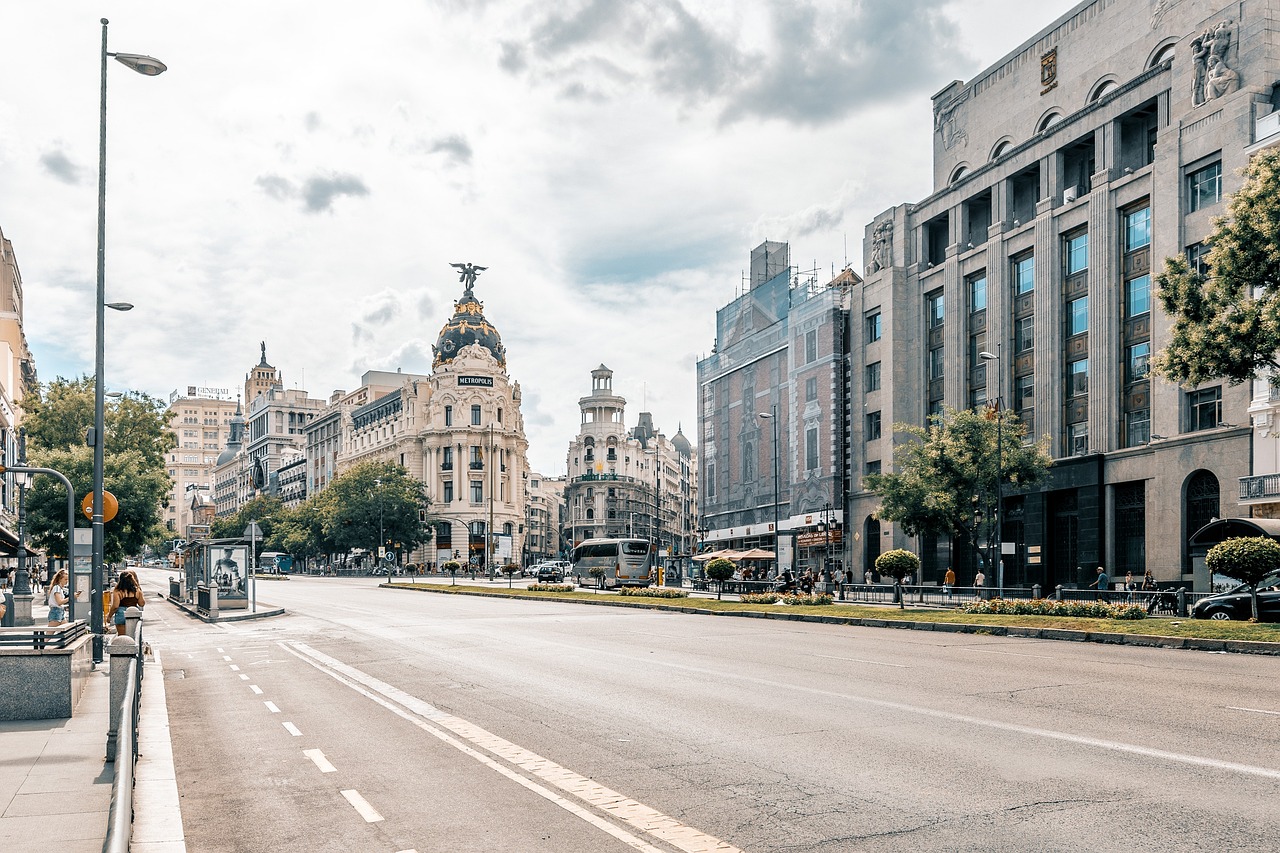
Madrid is no longer just a stopover; it is a destination of its own. The city’s skyline is evolving with the upcoming openings of Hotel Metrópolis and the Nobu Hotel Madrid. As the city prepares for its inaugural Formula 1 Grand Prix developments, the energy in the streets is electric.
The cocktail scene in Madrid is currently one of the most vibrant in Europe. Hidden speakeasies and rooftop lounges overlooking the Gran Vía provide the perfect vantage point for a city that never truly sleeps, yet always finds time for a long, languid lunch.
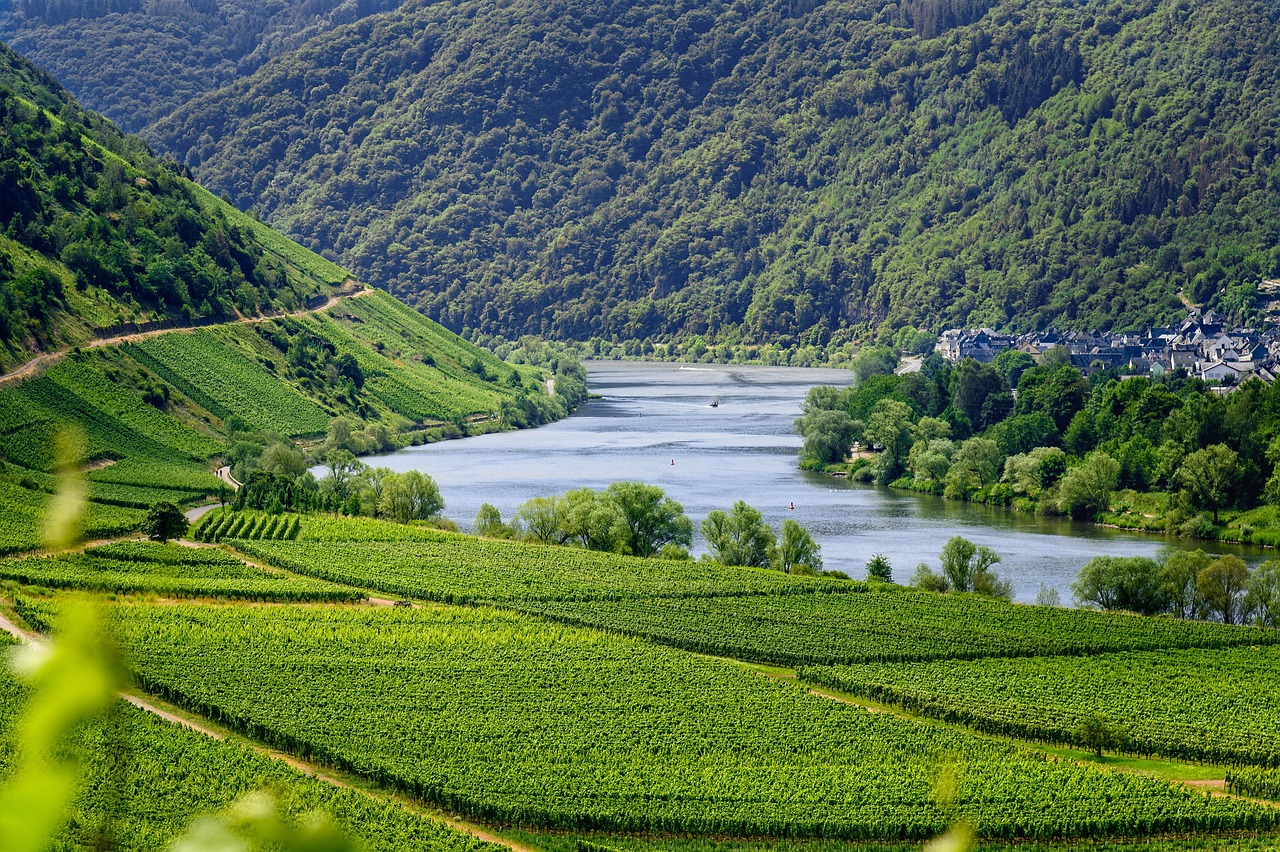
7. Lisbon & The Douro Valley: Portugal’s Heritage Revival
Lisbon continues to charm with its yellow trams and fado echoes, but the real 2026 trend is the "Stay & Explore" concept moving deeper into the heritage heartlands of Tomar and Coimbra. However, the Douro Valley remains the crown jewel of Portuguese luxury.
A private Douro River cruise on a vintage mahogany boat, glass of vintage Port in hand, is the quintessential Portuguese experience. The valley’s terraced vineyards, a UNESCO World Heritage site, offer a hauntingly beautiful backdrop for the region’s boutique wine estates.
- Key Site: The Jerónimos Monastery in Lisbon—visit at sunrise to avoid the midday hum.
- Experience: A private tile-painting workshop in a traditional azulejo factory.
8. Seville & Andalusia: Moorish History Meets Modern Style
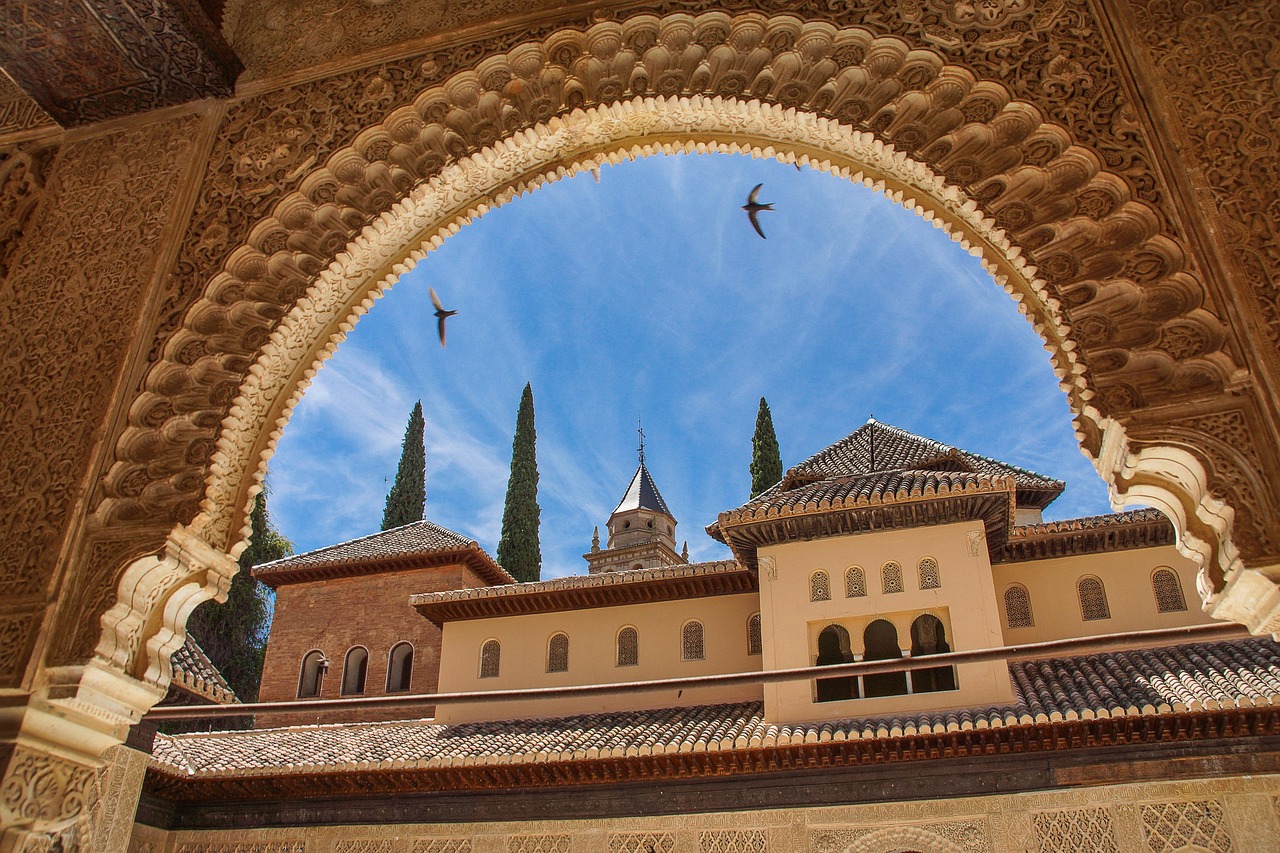
Andalusia in 2026 is a masterclass in the layering of history. The Alhambra Palace in Granada remains a pilgrimage site, but the modern traveler is looking toward the "white towns" and the cultural resurgence of Málaga.
There is a record interest in the southern walking trails, where the scent of orange blossoms fills the air. The Moorish architecture of Seville, with its intricate tilework and hidden courtyards, provides a romantic setting that is unmatched in Europe.
9. The Azores: Portugal’s Volcanic Hidden Gem
For those who have seen it all, the Azores offer a dramatic, volcanic alternative. This is off-the-beaten-path luxury for adventure seekers who don’t want to sacrifice comfort. 2026 sees a rise in sustainable walking tours through Angra do Heroismo and Ponta Delgada.
The islands are a playground for the senses: thermal baths surrounded by giant ferns, whale watching in the deep Atlantic, and volcanic wines that carry the mineral smoke of the earth itself.

10. Barcelona: Gaudí and Beyond
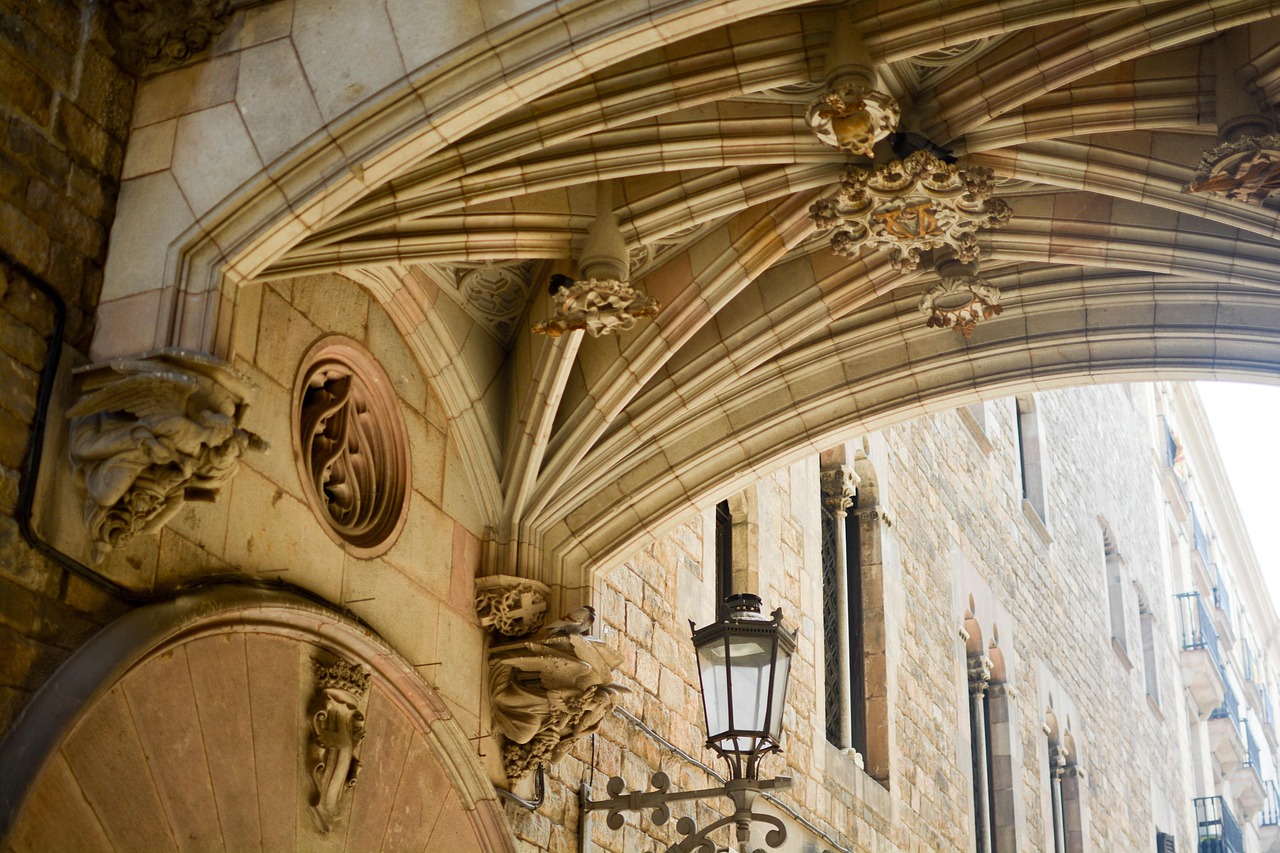
Barcelona remains the vibrant gateway to Catalonia. While the architectural wonders of Gaudí are eternal, 2026 is about the evolution of the Las Ramblas district and the city's commitment to creating more pedestrian-friendly, green spaces.
Beyond the city limits, use Barcelona as your base to explore the "Tastes of Catalonia," from the Cava cellars of Penedès to the surrealist landscapes of Figueres.
Major Luxury Hotel Openings of 2026
To help you plan your itinerary, I have curated the most anticipated openings of the year:
| Hotel Name | Location | Expected Opening | Vibe |
|---|---|---|---|
| Four Seasons Marbella | Costa del Sol, Spain | Spring 2026 | Ultra-Glamour |
| Mandarin Oriental Punta Negra | Mallorca, Spain | Summer 2026 | Secluded Peninsula |
| Na Praia | Comporta, Portugal | Spring 2026 | Barefoot Eco-Luxury |
| Nobu Hotel Madrid | Madrid, Spain | Mid-2026 | Urban Chic |
| St. Regis Mardavall (Redesign) | Mallorca, Spain | Feb 2026 | Classic Elegance |
| Vermelho Lagoa | Melides, Portugal | Late 2026 | Artistic Boutique |
Planning Your 2026 Iberian Itinerary
The 2026 travel season in the Iberian Peninsula is best experienced through a blend of high-speed rail and private transfers. Spain’s AVE network makes connecting Madrid to Seville or Barcelona effortless, while a private driver is essential for the winding roads of the Douro Valley or the hidden valleys of Cantabria.
When to Go:
- Spring (April - June): The landscapes are lush, the orange blossoms are in bloom, and the crowds are thin.
- Fall (September - October): The harvest season in the Douro and Rioja regions offers a sensory feast for wine lovers.
Design Your Bespoke 2026 Itinerary →
FAQ
What is the best month to visit Spain and Portugal in 2026? May and September remain the "golden months." You’ll enjoy temperatures in the low 70s (Fahrenheit), perfect for both coastal relaxation and urban exploration.
Are there any new travel requirements for 2026? Travelers from non-EU countries should ensure they are registered with the ETIAS (European Travel Information and Authorisation System), which will be fully operational by 2026.
How many days are needed for a combined Spain and Portugal trip? To truly embrace "slow travel" and see the highlights of both countries without rushing, I recommend a minimum of 14 to 18 days. This allows for three nights in major hubs and two nights in hidden gems like Comporta or Alto Asón.
Conclusion
The allure of the Iberian Peninsula in 2026 lies in its duality. It is a place where you can find the most modern expressions of luxury hospitality nestled within landscapes that have remained unchanged for centuries. Whether you are walking the ancient coastal paths of the Costa Brava or sipping a rare vintage in a Lisbon rooftop bar, the experience is designed to linger in your memory long after the salt has washed off your skin.
Spain and Portugal are not just places to visit; they are places to feel. Let 2026 be the year you rediscover the art of travel.