Quick Facts
- Peak Season for Wildlife: Winter (June–August) is unparalleled for whale migrations, active island fauna, and the world’s most extensive wildflower displays.
- Optimal Adventure Windows: Autumn (March–May) offers the most stable climate for exploring both the Red Centre’s deserts and the tropical Ningaloo Reef.
- 2026 Cultural Milestones: The debut of the Powerhouse Parramatta in Sydney and the Larrakia Cultural Centre in Darwin redefine the Australian museum circuit.
- Luxury Redefined: The Ghan introduces the ultra-exclusive Aurora and Australis suites in April 2026, setting a new benchmark for rail travel.
The Scale of Adventure Down Under
To understand Australia is to embrace its sheer, staggering scale. This is a continent that defies singular definitions, a place where the salt-licked cliffs of the Great Ocean Road eventually give way to the ancient, rust-hued heart of the Red Centre. As we look toward 2026, the narrative of Australian travel is shifting. We are moving away from the "highlights reel" of the past and toward a philosophy of "Slow Travel"—intentional itineraries that prioritize deep-dives into regional ecosystems and authentic cultural connections.
Whether you are chasing the first light over the Pacific or seeking the profound silence of the Outback, timing is everything. For those asking when the best time to visit Australia for wildlife and culture is, the answer lies in the nuance of the seasons. 2026 promises a unique alignment of new luxury infrastructure and revitalized cultural hubs, making it a landmark year for the discerning explorer.
Australian Fall (March–May): Reefs and Rainforests
Autumn in Australia is a season of transition and clarity. As the oppressive heat of the northern summer fades, the continent settles into a period of calm, making it the premier window for both marine adventures and desert exploration.
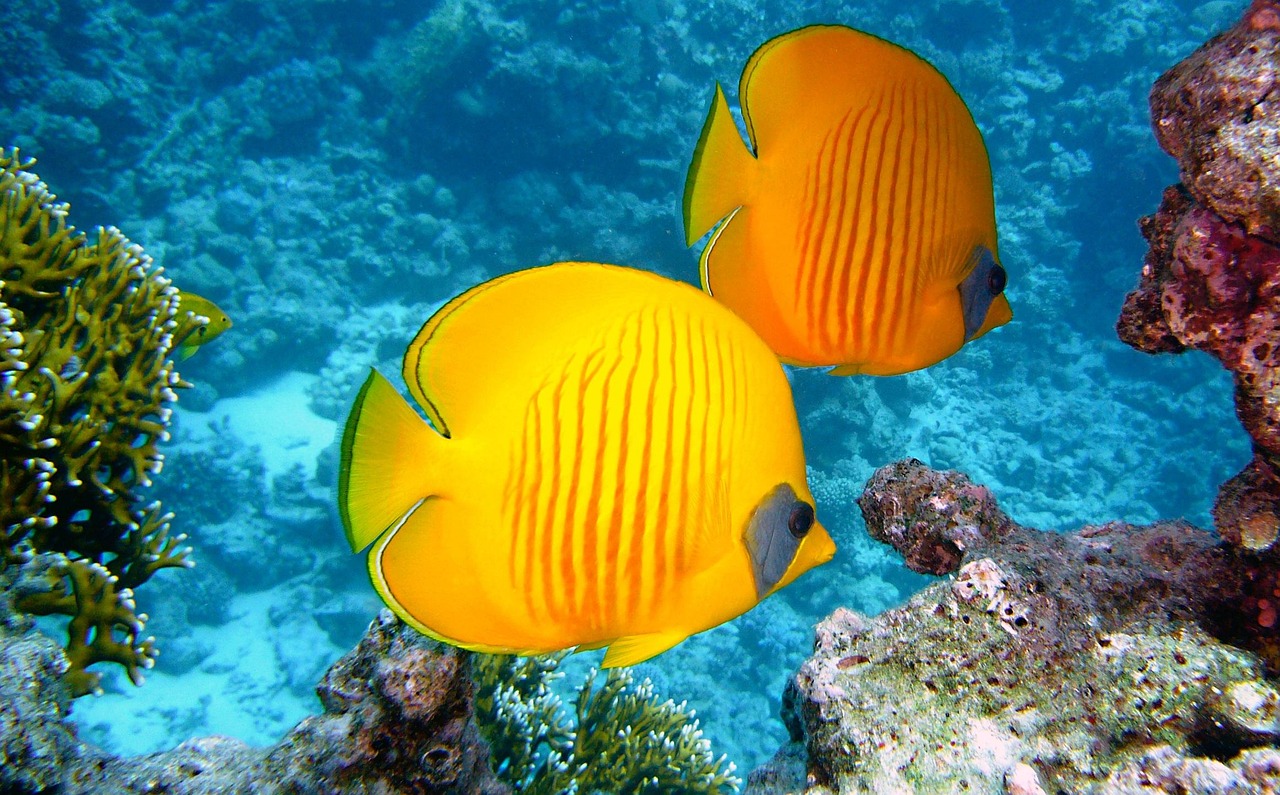
In Western Australia, Ningaloo Reef becomes a theater of the sea. Unlike the more famous Great Barrier Reef, Ningaloo is a "fringe reef," meaning you can often step off the beach and into a world of coral gardens. This is the peak time for underwater encounters with whale sharks and hawksbill turtles. Simultaneously, on the eastern edge of the continent, Lord Howe Island offers unparalleled visibility for divers, with the world's southernmost coral reef bathed in warm, crystalline currents.
Moving inland, the Red Centre sheds its scorching summer coat. The temperatures become mild, perfect for traversing the base of Uluru or dining under the stars at the Tali Wiru sand dune dinner. Further north, the Daintree Rainforest—the world’s oldest tropical rainforest—enters its most comfortable phase. Indigenous-guided tours, such as those led by the Kuku Yalanji people, allow you to walk through the "green cathedral" while the air is crisp and the humidity is low.
Expert Tip: If you're visiting the Red Centre in May, the "Field of Light" installation by Bruce Munro is a must-see. The transition from the crimson monolith of Uluru at sunset to a field of 50,000 glowing glass spheres is a sensory experience unlike any other.
Australian Winter (June–August): Coolcations & Wildflower Blooms
The concept of the "Coolcation"—traveling to cooler climates to escape global heatwaves—has found its home in the Australian winter. Far from being a "dead" season, June through August is when the country’s wildlife and flora are at their most vibrant.
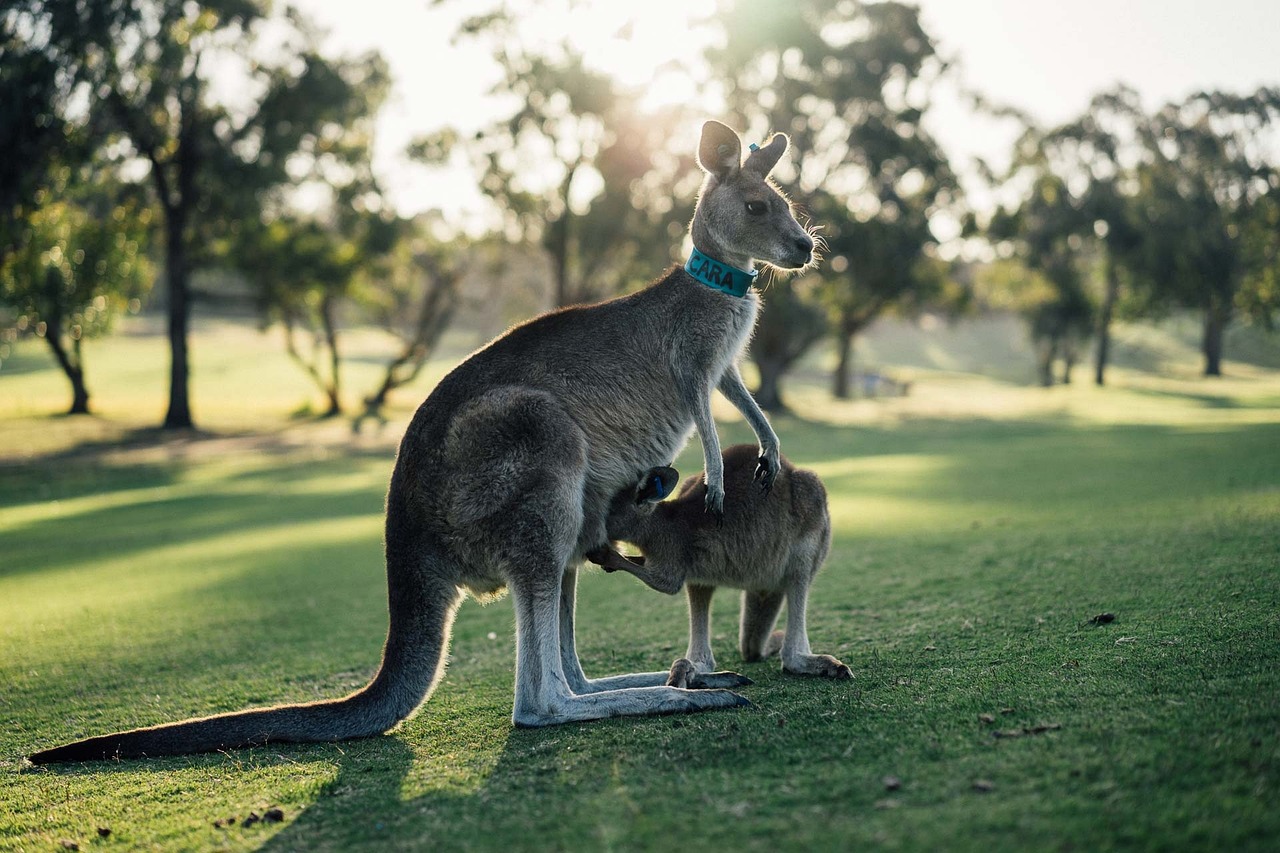
Along the coast of Sydney and the Central Coast, winter marks the peak of the humpback whale migration. From mid-June to mid-July, the "Humpback Highway" sees thousands of these majestic mammals breaching just off the headlands. Meanwhile, on Kangaroo Island, the wildlife is at its most active; joeys are emerging from pouches, and the island’s namesake marsupials are easily spotted against the lush, green winter grass. Interestingly, the Tasmanian Walking Company recorded a 43% surge in solo travel across its portfolio in 2025, a trend expected to accelerate into 2026, particularly among adventurers aged 40 to 70 seeking the rugged solitude of the southern trails.
In Western Australia’s Golden Outback, winter heralds the start of the world’s largest wildflower display. Starting in July, the landscape is carpeted in millions of everlastings, orchids, and kangaroo paws. This floral explosion creates a vivid contrast against the iron-rich soil, offering a photographic opportunity that is world-renowned.
Regional Temperature Comparison (June-August Average)
| Region | High Temp (°C/°F) | Low Temp (°C/°F) | Primary Highlight |
|---|---|---|---|
| Sydney | 17°C / 63°F | 8°C / 46°F | Whale Watching |
| Darwin | 30°C / 86°F | 20°C / 68°F | Cultural Festivals |
| Adelaide | 15°C / 59°F | 7°C / 45°F | Food & Wine |
| Broome | 29°C / 84°F | 14°C / 57°F | Staircase to the Moon |
Australian Spring (September–November): Festivals & Floral Carpets
Spring is Australia’s most photogenic season, characterized by a sense of renewal and the grand opening of major cultural infrastructure.
In the nation’s capital, Canberra, the Floriade festival sees over one million flowers meticulously planted to create intricate floral designs. It is also the season for truffle hunting in the surrounding highlands, where the damp spring soil yields some of the finest black truffles in the Southern Hemisphere.
However, the headline for Spring 2026 is the transformation of Western Sydney. The October 2026 opening of Powerhouse Parramatta will be a watershed moment. Spanning 194,000 square feet of exhibition space, it will be the largest museum in New South Wales, bridging the gap between science, technology, and design.
Further south, Tasmania hosts The Unconformity, a biennial arts festival that takes over the rugged West Coast. It is an ideal time for solo travelers to join walking tours, as the weather is mild enough for multi-day treks but crisp enough to avoid the summer crowds.
Australian Summer (December–February): Iconic Vibrancy
Summer in Australia is synonymous with a high-octane energy that centers around the coast and the major metropolises. It is the season of world-class sport, epicurean indulgence, and long, balmy evenings.
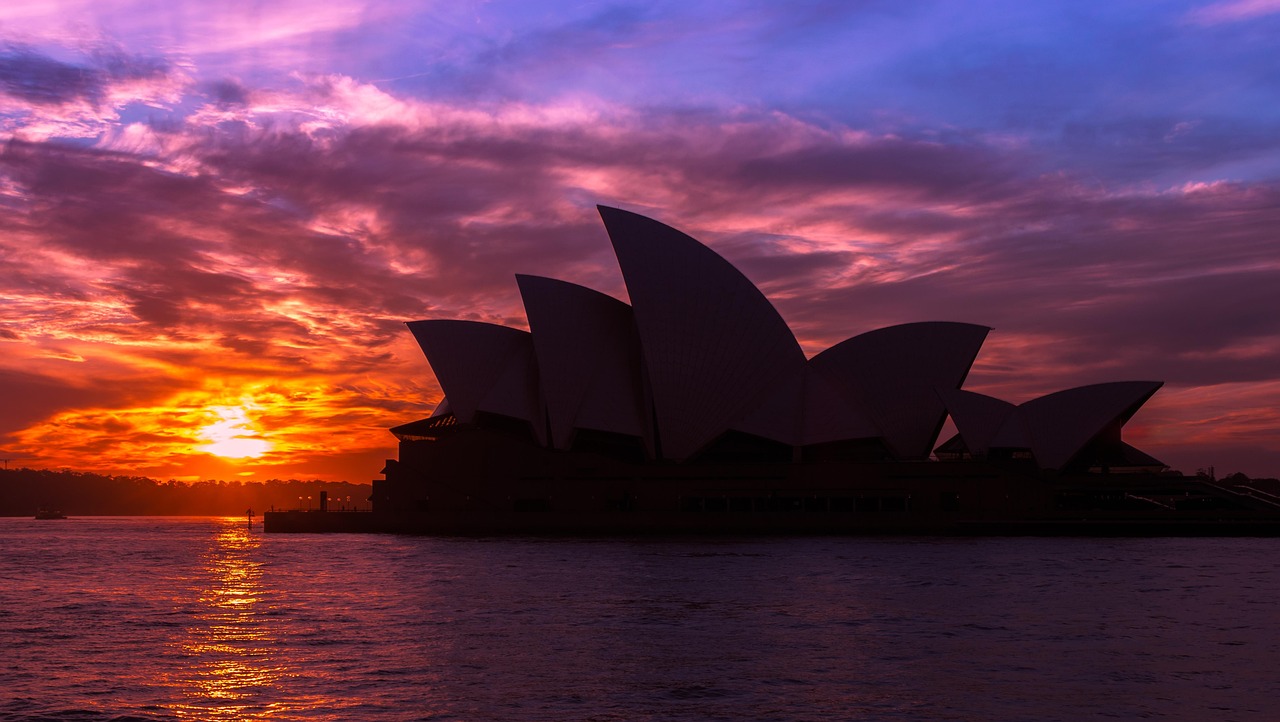
Sydney Harbour remains the focal point for the summer, particularly during the New Year’s Eve fireworks. For those seeking luxury, stays at the Park Hyatt Sydney offer front-row seats to the spectacle. In January 2026, the global sporting world descends on Melbourne for the Australian Open (Jan 12-26). Beyond the courts, the Yarra Valley is in full harvest mode, making it the perfect time for cellar-door hopping.
In Adelaide, 2026 will see the unveiling of the Market Square development. This $500 million project is set to double the footprint of the Adelaide Central Market, one of the largest fresh produce markets in the Southern Hemisphere. It will integrate luxury residential units, a boutique hotel, and expanded retail space, creating a new epicurean heart for South Australia.
2026 Special Edition: The New Era of Luxury Rail & Cultural Hubs
As a destination editor, I am often asked what the "next big thing" is. For 2026, the answer is a return to the glamour of the rails and a deeper investment in First Nations storytelling.
The legendary train, The Ghan, will enter a new era of luxury in April 2026. The debut of the Aurora and Australis suites will offer travelers an ultra-luxury experience that includes personal butler service, fine dining inspired by the regions the train passes through, and bespoke off-train excursions. This is slow travel at its most opulent, crossing the heart of the continent from Adelaide to Darwin.

In Darwin, the long-awaited Larrakia Cultural Centre will open at the waterfront precinct. This center will serve as a hub for Larrakia culture, history, and language, providing visitors with a sophisticated and moving introduction to the traditional owners of the land. Meanwhile, golf enthusiasts should look toward King Island, where a new 64-room hotel and clubhouse at the Ocean Dunes golf course will offer a rugged, luxury retreat on the edge of the Southern Ocean.
Practical Planning: Travel Trends for 2026
Planning a trip to Australia in 2026 requires more than just a passport; it requires a strategy for personalization.
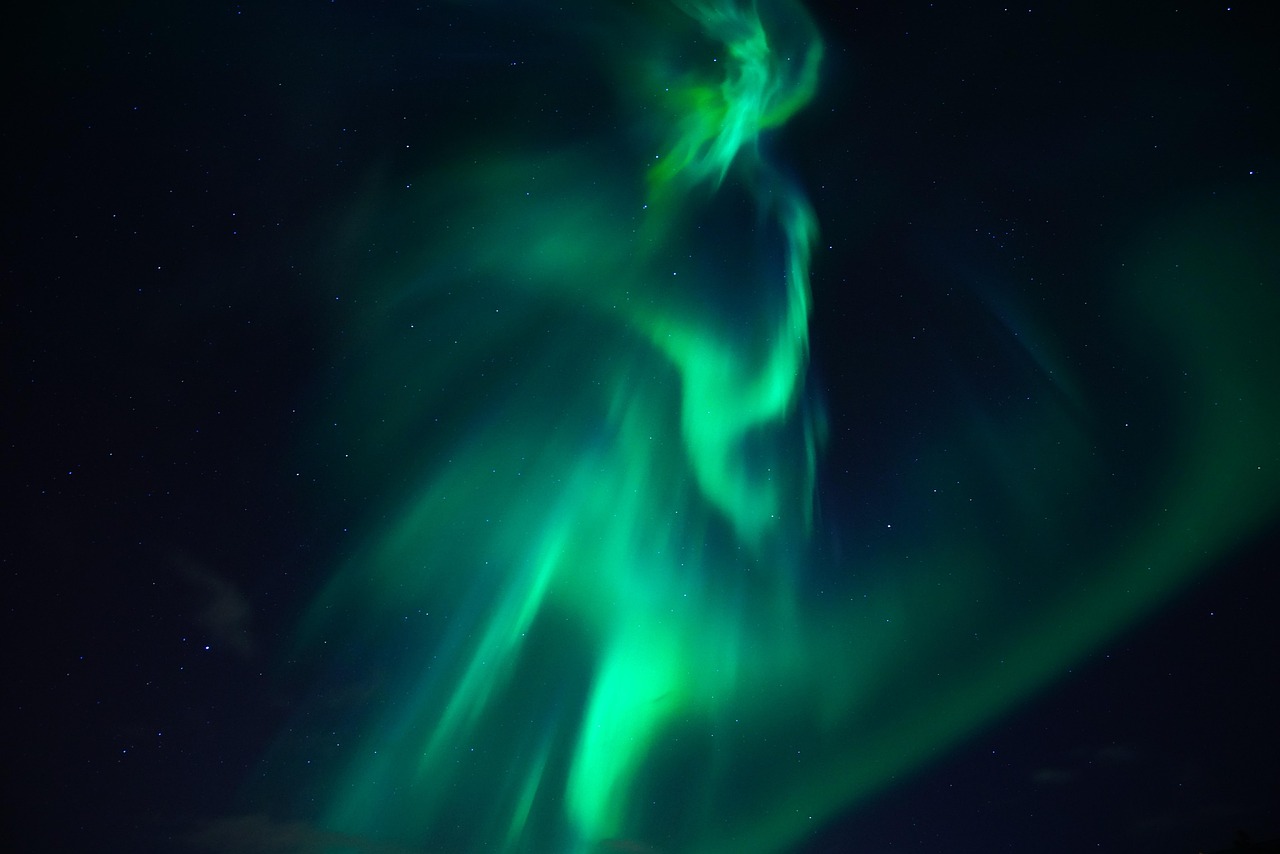
Astro-tourism is set to be a major trend. With several regions in Australia seeking International Dark Sky Park status, "stargazing safaris" are becoming a staple of high-end itineraries. Early 2026 is an excellent time for chasing the Aurora Australis (Southern Lights) from Tasmania’s southern coast, where the lack of light pollution provides a cosmic display that rivals its northern counterpart.
Getting there is also becoming more convenient. New direct flight paths, such as United Airlines' San Francisco to Adelaide route, are opening up the southern states to North American travelers without the need for a layover in Sydney or Melbourne.
Expert Tip: Leverage AI itinerary planners for the logistical heavy lifting, but always cross-reference with local experts or boutique travel designers for those "secret" spots that don't appear in the top 10 search results.
FAQ
When is the best time to visit Australia for wildlife? While wildlife can be seen year-round, the winter months (June-August) are superior for specific events like whale watching near Sydney, observing wildflowers in Western Australia, and seeing active joeys on Kangaroo Island.
What are the best things to do in Australia during the fall? Autumn is the ideal time for underwater activities at Ningaloo Reef and Lord Howe Island. It is also the most comfortable time to visit the Red Centre and the Daintree Rainforest due to the drop in humidity and heat.
What are the top new attractions opening in Australia in 2026? The 2026 highlights include the opening of Powerhouse Parramatta in Sydney, the Larrakia Cultural Centre in Darwin, the Market Square development in Adelaide, and the introduction of ultra-luxury suites on The Ghan railway.
Final Thoughts
Australia is a country that rewards those who look beyond the obvious. Whether it's the quiet solitude of a Tasmanian trail, the roar of the surf on a Western Australian reef, or the sophisticated luxury of a transcontinental train, the continent offers a profound sense of space and discovery. 2026 stands as a gateway year—a time when new cultural landmarks and refined travel experiences make the "Great Southern Land" more accessible and evocative than ever before.