Quick Facts
- Top Recommendation: Celele is the definitive must-visit, celebrated for its innovative exploration of the Caribbean coast’s biodiversity.
- Essential Street Bites: Don’t miss deditos de queso (cheese fingers) and the iconic arepa de huevo.
- Best Cocktails: El Barón in Plaza de San Pedro offers the city's most sophisticated mixology in a historic setting.
- 2026 Budgeting: Expect to pay between €3-5 for a local daily lunch (almuerzo del día) and €20-36 per person for high-end dining in the Walled City.
- Pro Tip: Visiting during the rainy season (June-November) can slash accommodation costs by 40-50% compared to the winter peak.
Introduction: The Sensory Magic of the Caribbean Port
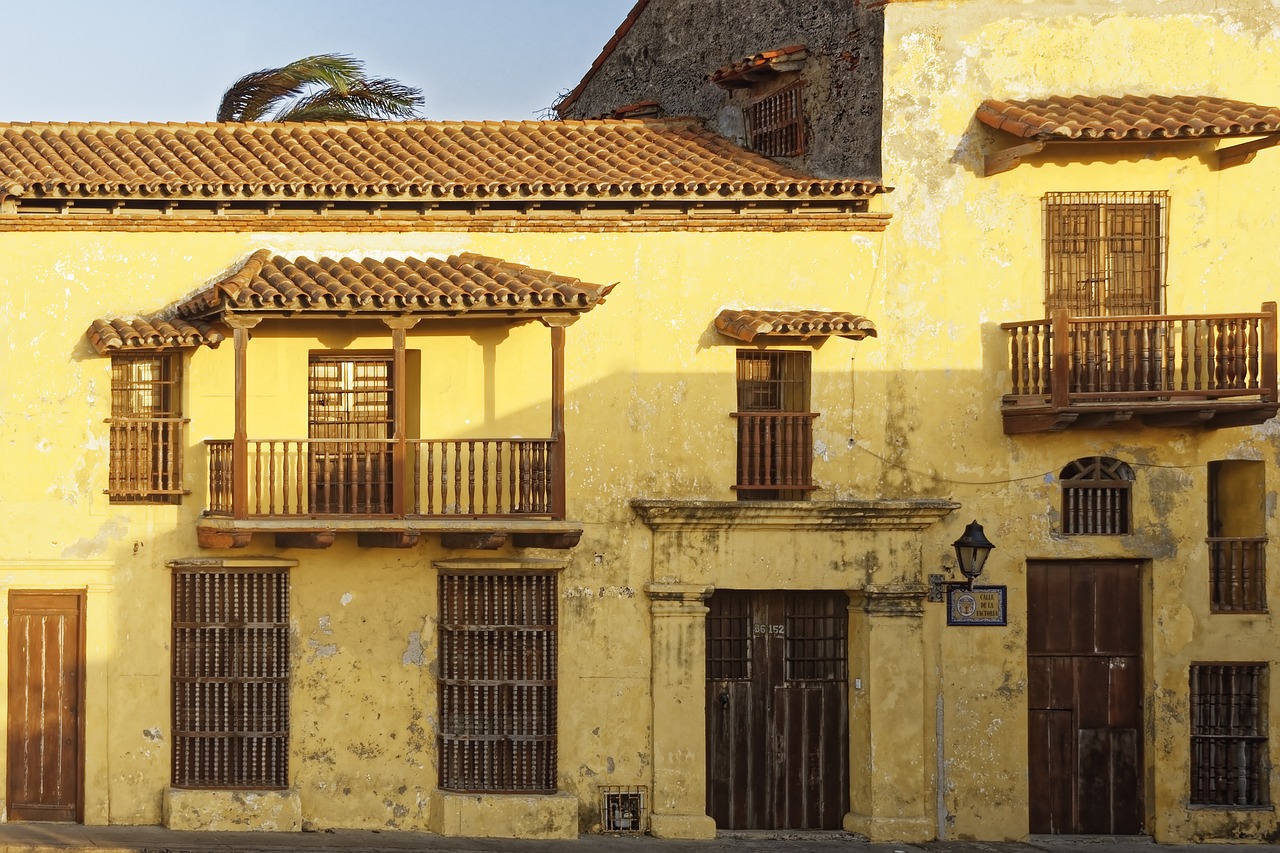
There is a specific kind of magic that settles over Cartagena as the sun begins its descent, turning the ochre walls of the Old City into a glowing palette of burnt orange and gold. The air, thick with the salt of the Caribbean and the scent of blooming bougainvillea, carries the rhythmic "clack-clack" of horse-drawn carriages and the distant sizzle of a street vendor's pan. For Chef Nina Compton—the James Beard award-winning mastermind behind New Orleans’ Compère Lapin—returning to Cartagena is less of a trip and more of a homecoming to a shared culinary soul.
"You have to eat with your eyes first here," Nina told me as we navigated the narrow, vibrant streets. "The colors of the fruit, the textures of the stone, the way the light hits a plate of ceviche—it all informs the flavor." In 2026, Cartagena has solidified its position not just as a colonial relic, but as a global culinary powerhouse. It is a city where centuries-old African, Spanish, and Indigenous traditions have simmered into a pot of something entirely new and exhilarating.
If you are looking for the singular "best" restaurant in Cartagena, Nina doesn't hesitate: Celele. Ranked consistently among Latin America’s 50 Best Restaurants, Celele is more than a meal; it is a research project led by chefs Jaime Rodríguez and Sebastián Pinzón, dedicated to preserving the forgotten ingredients of the Caribbean coast. From edible flowers to rare legumes, it is the heartbeat of modern Colombian gastronomy.
Planning Your 2026 Culinary Adventure
To truly taste Cartagena, one must time their visit with the rhythm of the seasons. Most travelers flock to the city during the dry season, from December to March, when the breezes are cool and the sky is a constant, brilliant blue. However, the savvy traveler—the one who prefers a quieter table and a more intimate look at the city—knows the value of the "green" season.
Traveling during the rainy season (June through November) can offer 40-50% lower accommodation rates in Cartagena. While the afternoons may bring a dramatic, refreshing downpour, the city feels more authentic, less hurried. In 2026, the dining scene remains remarkably accessible. You can find a soul-warming almuerzo del día (lunch of the day) featuring soup, rice, protein, and juice for as little as €3 to €5. Conversely, a multi-course experience at a premier Walled City establishment will typically range from €20 to €36 per person—a steal for the level of artistry on display.
| Expense Category | Budget Option (Local Eats) | Mid-Range (Trendy Bistros) | High-End (Fine Dining) |
|---|---|---|---|
| Lunch | €3 - €6 | €12 - €18 | €25 - €35 |
| Dinner | €5 - €10 | €15 - €25 | €30 - €60 |
| Cocktail | €4 (Local Beer) | €7 - €10 | €12 - €15 |
| Street Snack | €1 - €3 | N/A | N/A |
The Fine Dining Star: Celele and Beyond
Walking into Celele feels like stepping into a lush, botanical dream. The restaurant is housed in a restored colonial home in the Getsemaní neighborhood, but the interior is a tribute to the wild, untamed Caribbean. Nina Compton points out that what makes Celele extraordinary is its commitment to biodiversity.
"They aren't just cooking; they're storytelling," Nina explains. A signature dish might involve fermented beans from the Guajira desert or a salad composed entirely of flowers you’ve never heard of, each petal contributing a specific peppery or citrusy note. The 10-course tasting menu is a kaleidoscopic journey through the Colombian coast, and the restaurant is proudly LGBTQ+ inclusive, fostering an atmosphere of warmth and radical hospitality.
Chef’s Tip from Nina Compton: "Don't skip the floral infusions at Celele. They use local blooms to create beverages that are just as complex and thought-provoking as the wine pairings."
Beyond Celele, the city offers other bastions of high-end creativity. Carmen remains a staple for those seeking a sophisticated fusion of contemporary techniques with local flavors—think coconut-crusted fish and pork belly with tamarind glaze. For those who want a "power dinner" with a side of people-watching, Salón Tropical offers a breezy, upscale atmosphere where the seafood is caught that morning and served with effortless elegance.
The Street Food Safari: Cartagena's Best Bites
While the fine dining scene is world-class, the true pulse of Cartagena is found on its street corners. Nina’s morning ritual often begins with a search for deditos de queso. These "cheese fingers"—salty, white Colombian cheese wrapped in a thin, buttery dough and fried until golden—are the ultimate comfort food. Pair them with a strong tinto (black coffee) from a local vendor, and you have the breakfast of champions.
As the tropical heat climbs, the city’s fruit carts become oases of refreshment. The palenqueras—women in vibrant, traditional dresses with basins of fruit balanced expertly on their heads—are icons of the city. Nina recommends seeking out the fresh coconut jelly. It’s slippery, cool, and tastes like the very essence of the islands. For a more savory snack, the mango biche (green mango with salt, lime, and a dash of pepper) provides a sharp, electric contrast to the humid air.
"When night falls, you go for the empanadas," Nina says. "Specifically, the cornmeal ones stuffed with beef and a whole egg. It’s the perfect late-night fuel after a few glasses of rum."

Must-Try Costeño Staples
To eat like a local in Cartagena—a Costeño—is to embrace the bounty of the sea and the richness of the land. There are three dishes that Nina insists every traveler must try to understand the city's palate:
- Cazuela de Mariscos: This is the soul of the Caribbean. It’s a rich, creamy seafood stew simmered in coconut milk, often loaded with shrimp, calamari, white fish, and snails. It’s served with coconut rice and fried plantains (patacones), creating a symphony of sweet and savory.
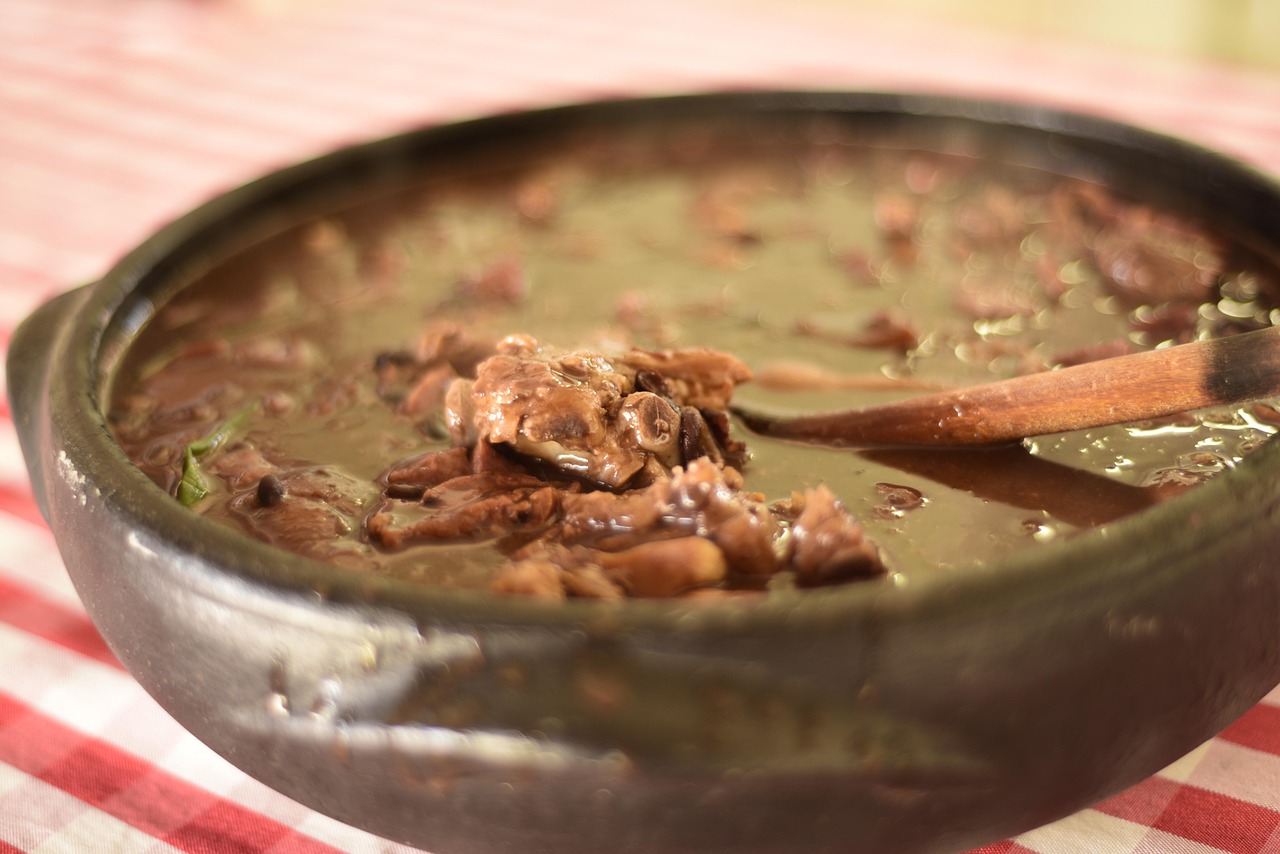
- Posta Cartagenera: A surprising departure from the seafood-heavy diet, this is a slow-cooked beef eye round, seared and then braised in a dark, sweet sauce made from panela (unrefined cane sugar) and Worcestershire sauce. It is tender, deeply savory, and uniquely Cartagenero.
- Arepa de Huevo: This is the king of Cartagena street food. It involves deep-frying a cornmeal arepa, cracking an egg inside it through a small slit, and frying it again until the egg is perfectly cooked and the shell is shatteringly crisp.
Sip and Savor: Cocktails and Coffee Culture
When it comes to the "golden hour," Nina’s compass always points toward El Barón. Located in the historic Plaza de San Pedro Claver, this intimate bar offers a world-class cocktail program. The best seats are outside in the courtyard of the 17th-century church.
"The mixologists here are true artists," Nina notes. "They use local rums and tropical fruits to create drinks that feel modern but rooted in history." Whether it's a twist on a classic Negroni using Colombian botanicals or a refreshing gin-based concoction with lulo fruit, the experience is unparalleled.
For the daytime caffeine fix, Nia Bakery has become a 2026 favorite. They offer "coffee flights" that allow you to taste beans from different Colombian regions, paired with top-tier pastries that rival any in Paris, but with a tropical twist (think guava-filled croissants).
Island Escapes and Splurge Meals
Sometimes, the best thing to eat in Cartagena isn't in Cartagena at all—it’s a short boat ride away. Blue Apple Beach, located on the island of Tierra Bomba, offers a farm-to-table dining experience that feels like a private sanctuary. The menu focuses on sustainable, local ingredients, served poolside or on the sand.
For a true splurge, Nina suggests chartering a private catamaran for a sunset cruise. "There is nothing quite like eating fresh ceviche and drinking chilled rosé while the sun dips below the Caribbean horizon," she says. It is the epitome of Pura Vida—the pure life—Colombian style.
Book Your Island Escape at Blue Apple Beach →

FAQ: Essential Cartagena Food Tips
How to handle restaurant reservations in 2026? For popular spots like Celele and Carmen, reservations are essential and should be made at least 2-4 weeks in advance via their websites or WhatsApp. For casual spots and street food, simply show up and follow the crowds.
Is the street food safe for international travelers? Yes, generally. Cartagena’s street food culture is vibrant and well-regulated. Nina’s rule of thumb: "Look for vendors with a high turnover of locals and food that is cooked fresh in front of you." Stick to bottled water and be cautious with unpeeled fruits if you have a sensitive stomach.
What is the tipping etiquette in Cartagena? A 10% service charge (propina voluntaria) is often added to the bill in restaurants. While it is voluntary, it is customary to pay it. If you received exceptional service, an additional 5-10% in cash is greatly appreciated.
The beauty of Cartagena lies in its layers. You might start your day with a €1 arepa from a street corner and end it with a refined, 10-course exploration of the jungle at Celele. As Chef Nina Compton reminds us, the best way to experience this city is to remain open—to the heat, to the history, and most importantly, to the flavors that define this Caribbean jewel.