Quick Facts
- Optimal Travel Windows: April to May (Spring) and September to October (Autumn).
- Ideal Temperature Range: 15°C to 25°C (60-77°F), perfect for traversing the city’s historic center.
- Budget Advantage: Travelers can save 40% to 50% on luxury accommodation by visiting in January or February.
- Cultural Highlights: Fiestas de San Isidro (May) and the International Jazz Festival (November).
- Efficiency Tip: The Madrid City Pass typically pays for itself after visiting just three major sites, such as the Prado Museum and the Royal Palace.
The 2026 Madrid 'Sweet Spot'
Choosing the right time to visit the Spanish capital is less about avoiding "bad" weather and more about aligning your itinerary with the city’s distinct atmospheric shifts. Madrid sits on a high plateau—the Meseta—which dictates a climate of extremes: biting winters and scorching summers. However, there exists a "sweet spot" where the city’s architectural magnitude and vibrant street life converge in perfect harmony.
The Critical Verdict: For the most balanced experience in 2026, target the shoulder seasons of late April to May or September to October. During these windows, Madrid sheds the winter chill and avoids the summer’s oppressive heat, offering daytime temperatures between 15°C and 25°C. This is when the city is most walkable, the outdoor terraces (terrazas) are in full swing, and the natural light is at its most photogenic.
Spring (April–May): The Gold Standard for Sightseeing
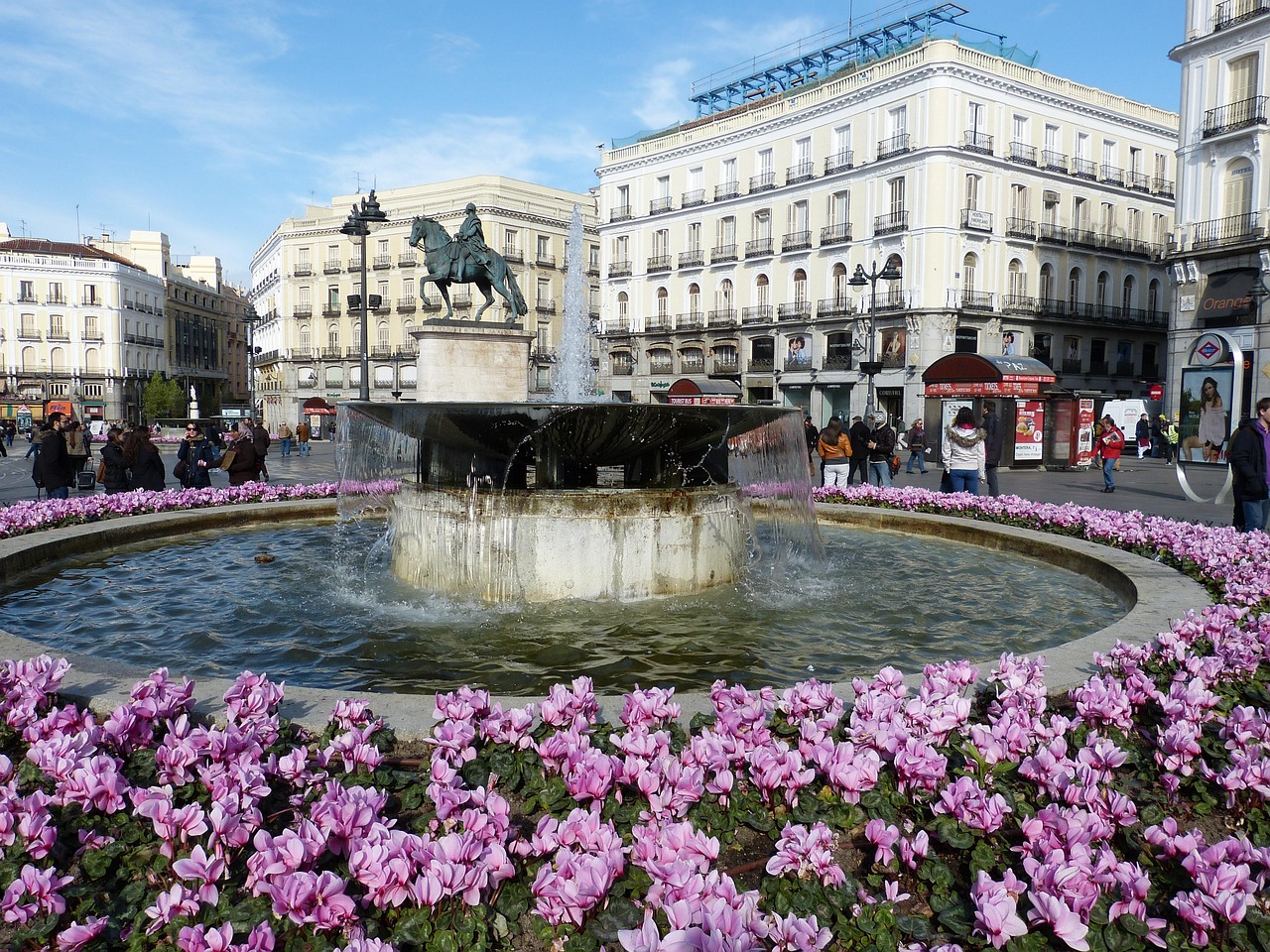
Spring is arguably Madrid’s finest hour. As the city emerges from the dormant winter months, the "Landscape of Light"—a UNESCO World Heritage site encompassing the Paseo del Prado and Retiro Park—undergoes a spectacular transformation. For the culturally inclined traveler, 2026 offers a particularly dense calendar. Semana Santa (Holy Week) falls in early April, bringing solemn and beautiful processions to the city streets.
The crown jewel of the spring season is the Fiestas de San Isidro in mid-May. This is Madrid at its most authentic; locals don traditional chulapo attire, and the city erupts in open-air concerts and traditional dancing (chotis). From a critic's perspective, while this is the peak time for atmosphere, it requires strategic fiscal planning. You should expect accommodation costs to be 20-30% higher than winter rates, and I recommend booking your hotel at least three months in advance to secure prime locations near the Art Triangle.
Autumn (September–October): Culture and Crisper Air
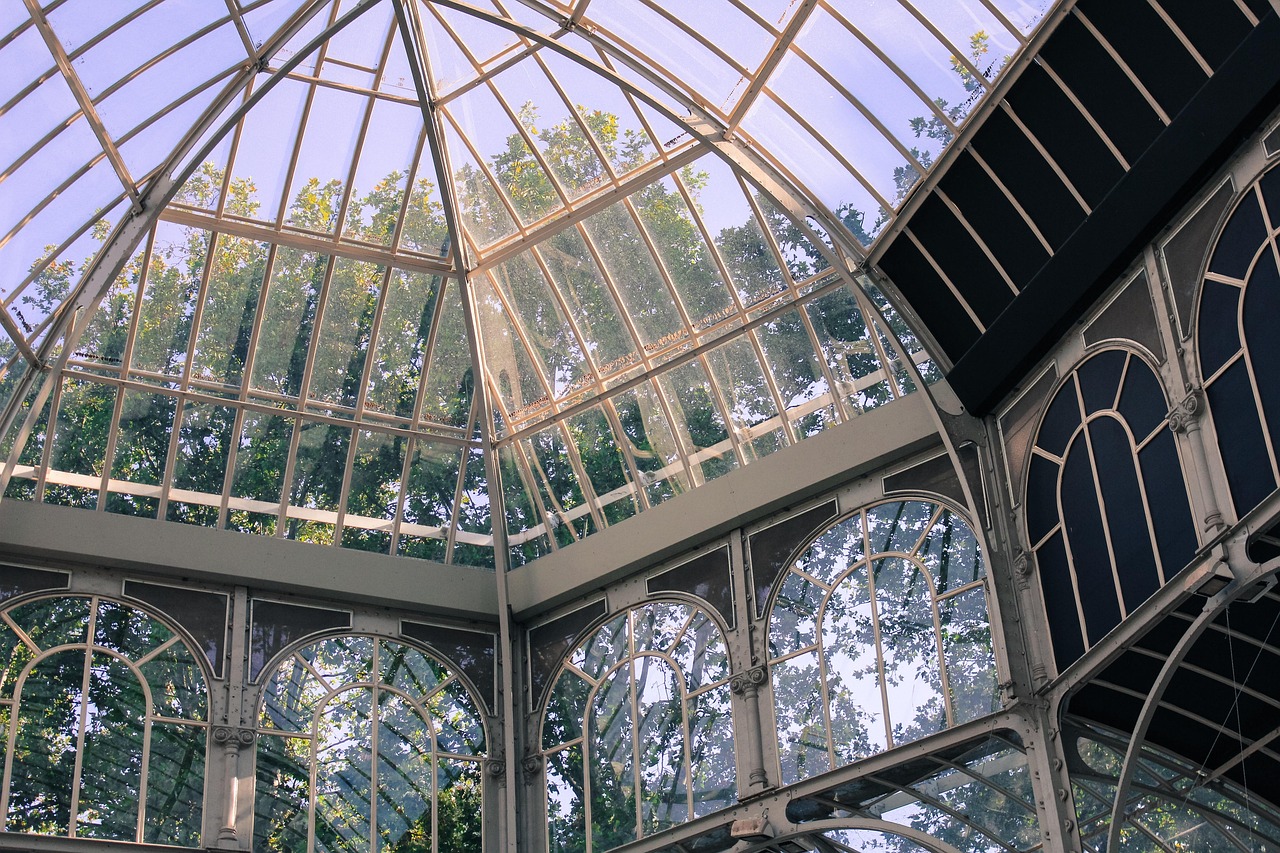
If spring is about rebirth, autumn in Madrid is about refined cultural immersion. By mid-September, the aggressive heat of the Castilian summer dissipates, replaced by crisp mornings and golden afternoons. This is the preferred season for the "slow traveler." The city’s parks, particularly the Sabatini Gardens and the Royal Botanical Garden, offer a masterclass in autumnal foliage, making it the premier window for photography.
The 2026 autumn calendar is anchored by the International Jazz Festival and the Festival de Otoño, a multidisciplinary arts festival that brings world-class theater and dance to the capital. For the data-driven traveler, September still retains some of the summer's price premium, but by mid-October, you will notice a significant cooling of hotel rates without a corresponding drop in service quality or accessibility. It is the perfect time to enjoy a glass of Rioja on a rooftop without the need for a misting fan or a heavy coat.
Winter (November–February): Best for Budget & Art Lovers
For those who prioritize value and indoor exploration, the winter months present a compelling case. Excluding the festive peak from mid-December to early January, winter is the only time you will see Madrid truly "quiet." The primary draw here is the fiscal efficiency: hotel rates in January and February typically drop by 40% to 50% compared to the summer peak.
While the temperatures can dip toward freezing at night, the days are often characterized by brilliant "Velázquez blue" skies—clear, sunny, and dry. This is the optimal season to tackle the "Golden Triangle of Art." Without the sweltering heat or the massive spring crowds, you can spend hours lost in the Prado, the Reina Sofía, and the Thyssen-Bornemisza museums.
December, however, remains a magical exception to the budget rule. The Plaza Mayor Christmas Market is a centuries-old tradition, and the city’s light displays are among the most sophisticated in Europe. If you plan to ring in 2026 at the Puerta del Sol for the traditional "Twelve Grapes" ceremony, be prepared for premium pricing and book your logistics by October at the latest.
Summer (June–August): Heatwaves and High-Energy Nights
Traveling to Madrid in July or August is an exercise in heat management. Temperatures frequently soar between 32°C and 38°C (90°F+). The city adopts a different rhythm: the morning is for errands, the afternoon is for the siesta (where shops may close and the streets fall silent), and the night is for living.
Summer in Madrid is defined by its "high-energy nights." The Madrid Pride (MADO) in late June/early July is one of the largest in the world, followed by the Mad Cool Festival for music lovers. If you choose to visit during this period, your choice of accommodation is critical. Ensure your hotel features a high-grade HVAC system and, ideally, a rooftop pool. The "Veranos de la Villa" festival also provides a curated series of outdoor concerts and cinema, taking advantage of the cooler midnight air.
Critic’s Survival Tip: Pivot your schedule. Embrace the 10:00 PM dinner culture. The city is alive until 3:00 AM during the summer, and the social energy in neighborhoods like Chueca and Malasaña is unparalleled during these warm nights.

2026 Cost & Logistics Breakdown
Navigating Madrid efficiently requires an understanding of its modern infrastructure and pricing tiers. In 2026, the city remains one of the more affordable European capitals, though inflation has adjusted the baseline costs for mid-range dining and transport.
Seasonal Comparison Table
| Feature | Spring (Apr-May) | Summer (Jun-Aug) | Autumn (Sept-Oct) | Winter (Nov-Feb) |
|---|---|---|---|---|
| Weather | Mild & Pleasant | Hot & Dry | Crisp & Golden | Cold but Sunny |
| Crowds | High | Moderate (locals leave) | High | Low |
| Price (Hotel) | Premium | Moderate | High | Best Value |
| Key Event | San Isidro | Madrid Pride | Jazz Festival | Christmas Markets |
Daily Budgeting Estimates (2026)
- Budget Traveler: €50–€70 (Hostels, 10-journey Metro tickets, Menú del Día lunch specials).
- Mid-Range Traveler: €80–€120 (Boutique hotels, moderate dinners, 2-3 museum entries).
- Luxury Traveler: €250+ (Five-star hotels in Salamanca, fine dining, private tours).
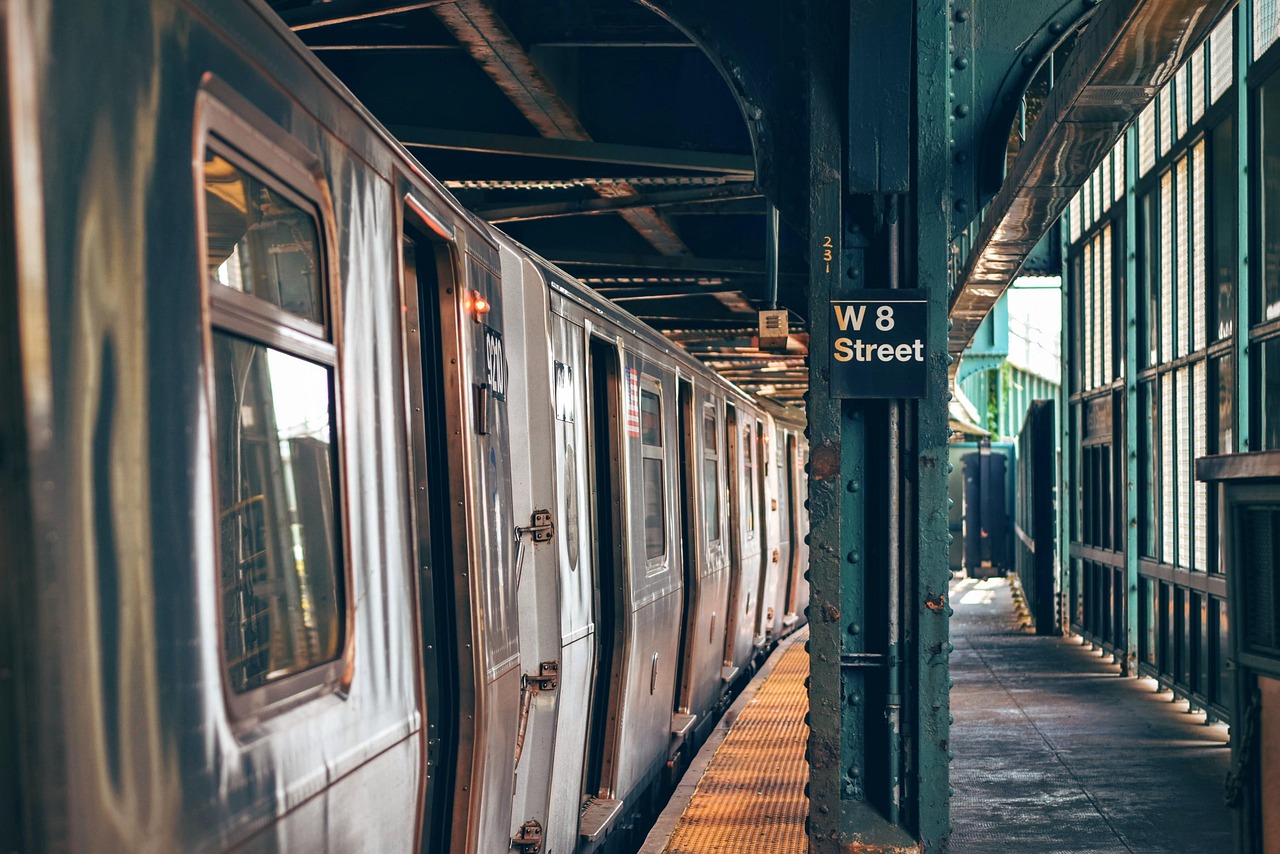
The Madrid Metro remains the gold standard for urban transit. A 10-journey "Multi Card" costs approximately €12.20 and can be shared among travelers, making it significantly more cost-effective than ride-sharing apps for navigating the city center.
Essential Planning Information for 2026
To maximize your time in Madrid, you must account for the increasing demand for its most famous landmarks. In 2026, the Royal Palace and the Prado Museum have implemented stricter timed-entry requirements. I recommend a lead time of at least 2–3 weeks for online bookings during the spring and autumn months.
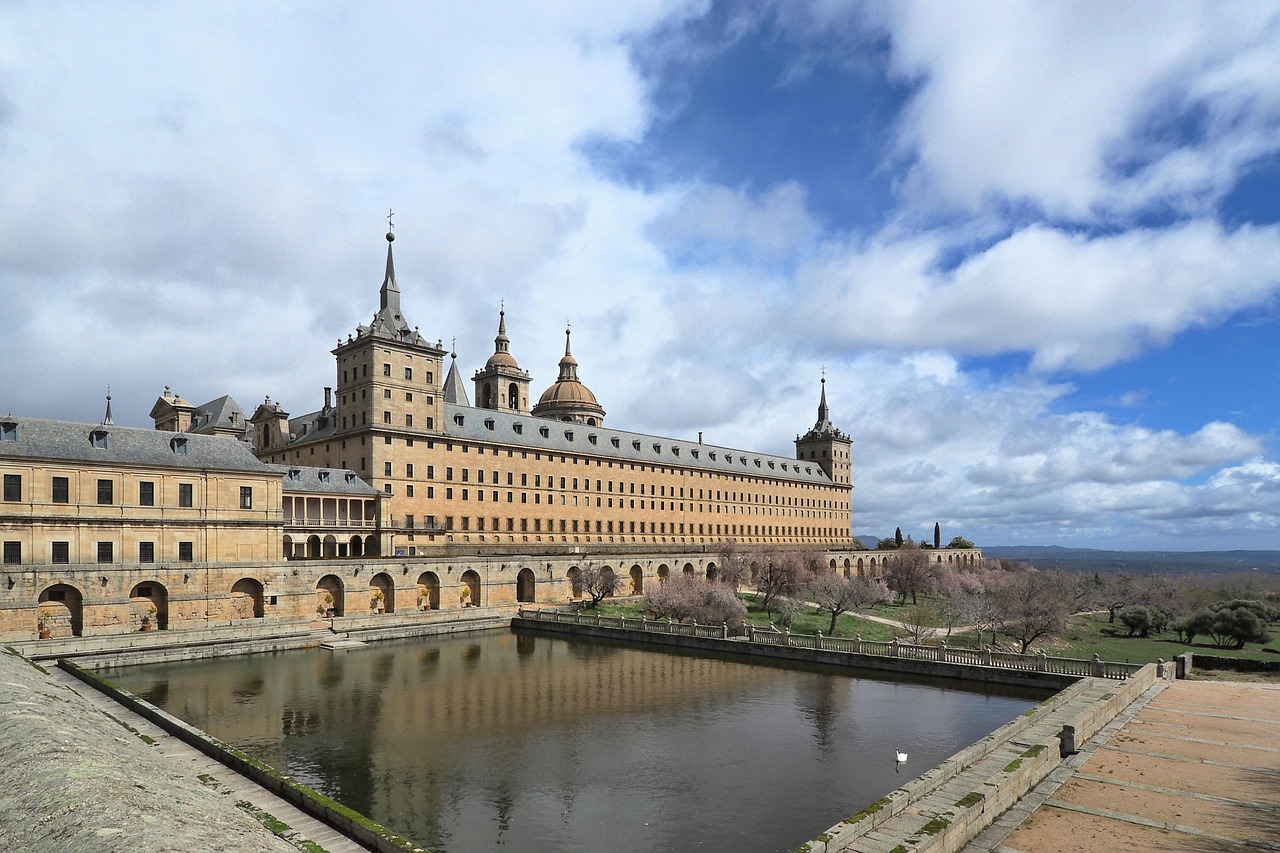
Beyond the city limits, Madrid serves as a hub for several UNESCO World Heritage sites that are best visited during the milder months. El Escorial, the monumental monastery and palace complex, is a mere 45-minute train ride away. Similarly, the medieval streets of Toledo and the university charm of Alcalá de Henares are essential day-trips for anyone spending more than four days in the capital.
Explore the Madrid City Pass Options →
FAQ
Q: Is English widely spoken in Madrid? A: In the primary tourist zones (Sol, Gran Vía, Salamanca) and major museums, English is common. However, in traditional tabernas and local neighborhoods, a basic grasp of Spanish phrases is highly appreciated and often necessary for a smooth experience.
Q: What is the tipping culture like in 2026? A: Tipping is not mandatory but appreciated for exceptional service. In casual settings, rounding up to the nearest Euro is standard. In upscale restaurants, a 5-10% tip is considered generous.
Q: Which neighborhood is best for first-time visitors? A: For proximity to major sites, the Barrio de las Letras (Literary Quarter) offers a perfect blend of history, central location, and excellent dining without the chaotic noise of the Puerta del Sol.
Conclusion
Madrid is a city that rewards those who time their arrival with precision. If your goal is to experience the grandeur of its parks and the fervor of its festivals, the Spring (April-May) window is an unbeatable choice. However, the savvy traveler looking for world-class art and luxury at a fraction of the cost should not overlook the Winter (January-February) months. Regardless of when you visit in 2026, Madrid’s spirit—its duende—remains constant. Plan your logistics early, respect the afternoon siesta, and you will find a city that is as welcoming as it is majestic.