Quick Facts
- The National Dish: Shuwa is the heart of Omani celebration—lamb or goat marinated in a complex spice blend, wrapped in banana leaves, and slow-cooked in an underground sand oven for up to 48 hours.
- A Culinary Crossroads: Omani cuisine is a sophisticated fusion born from its history as a maritime superpower, blending influences from East Africa (Zanzibar), India, Persia, and the Arabian Peninsula.
- Flavor Profiles: Signature tastes are defined by dried limes (lumi), saffron, cardamom, tamarind, and the ethereal scent of frankincense.
- Coastal Bounty: With over 1,000 miles of coastline, seafood is a pillar of the diet, featuring in approximately 60% of traditional coastal recipes.
A Fusion of Four Worlds: The Scent of History
Step into the narrow, winding alleys of Muttrah Souq in Muscat at midday, and your senses are immediately enlisted in a story centuries in the making. The air is thick—not just with the humidity of the Gulf of Oman, but with a heady, swirling perfume of frankincense smoke, toasted cloves, and the sharp, citrusy tang of lumi (dried black lime). If food can tell the story of a country, then Oman has an epic tale to share, one written by the monsoon winds and the wooden dhows that once commanded the Indian Ocean.
Traditional Omani cuisine is not a monolithic "Arab" diet. Instead, it is a living map of the Sultanate’s former life as a maritime superpower. To understand the flavors on your plate is to understand the geography of the spice routes. From the coconut palms and cloves of Zanzibar, through the saffron and basmati of India, to the pomegranate and walnuts of Persia, and finally, the dates and camel milk of the Arabian Peninsula, Omani food is a masterclass in global integration.
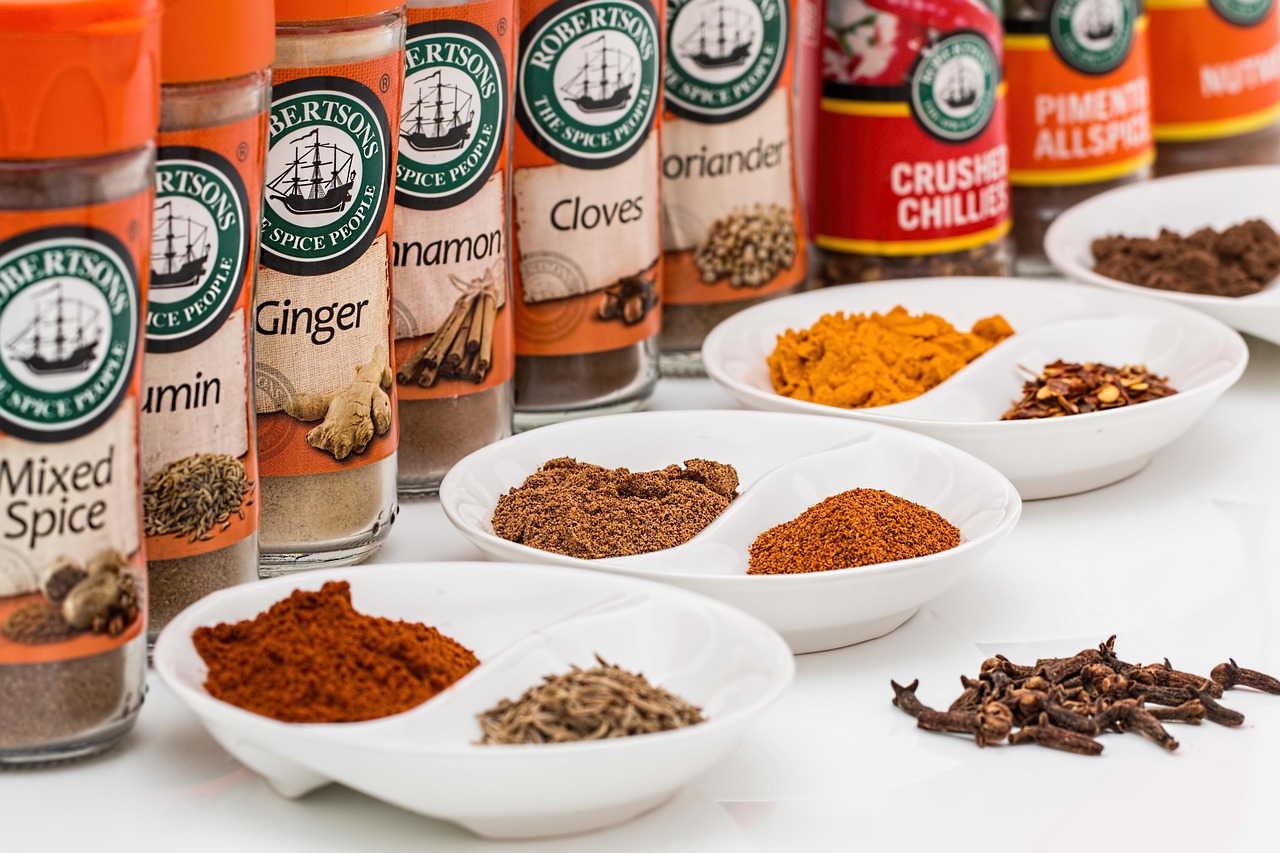
This cultural alchemy creates a profile that is surprisingly subtle. Unlike the fiery heat of some Indian curries or the heavy herb-forward nature of Levantine cooking, Omani dishes lean toward the aromatic and the earthy. It is a cuisine of patience, where flavors are coaxed out over low fires and buried pits, resulting in a depth that feels both ancient and refreshingly unique.
The National Treasure: Omani Shuwa
If you are invited to a home during Eid al-Fitr or Eid al-Adha, you are likely there for one reason: Shuwa. This is more than a meal; it is a communal ritual that defines the Omani spirit of hospitality. The process begins with a prime cut of lamb, goat, or occasionally camel, which is rubbed with a potent spice paste called baharat—a secret family blend typically containing coriander, cumin, cloves, and chili.
The meat is then wrapped meticulously in banana or date palm leaves and tucked into a woven palm frond sack. The true magic happens underground. The sack is lowered into a tanour—a specialized sand oven dug into the earth—and covered with embers.
The 48-Hour Wait: Traditional Omani Shuwa requires a specialized slow-cooking process that lasts between 24 to 48 hours. This extreme patience transforms the meat into something celestial: a smoky, fall-apart tender delicacy that carries the whisper of the earth itself.
When the meat is finally unearthed, the aroma is intoxicating. It is traditionally served on a massive communal platter atop a bed of fragrant saffron rice, shared by friends and family seated on the floor.
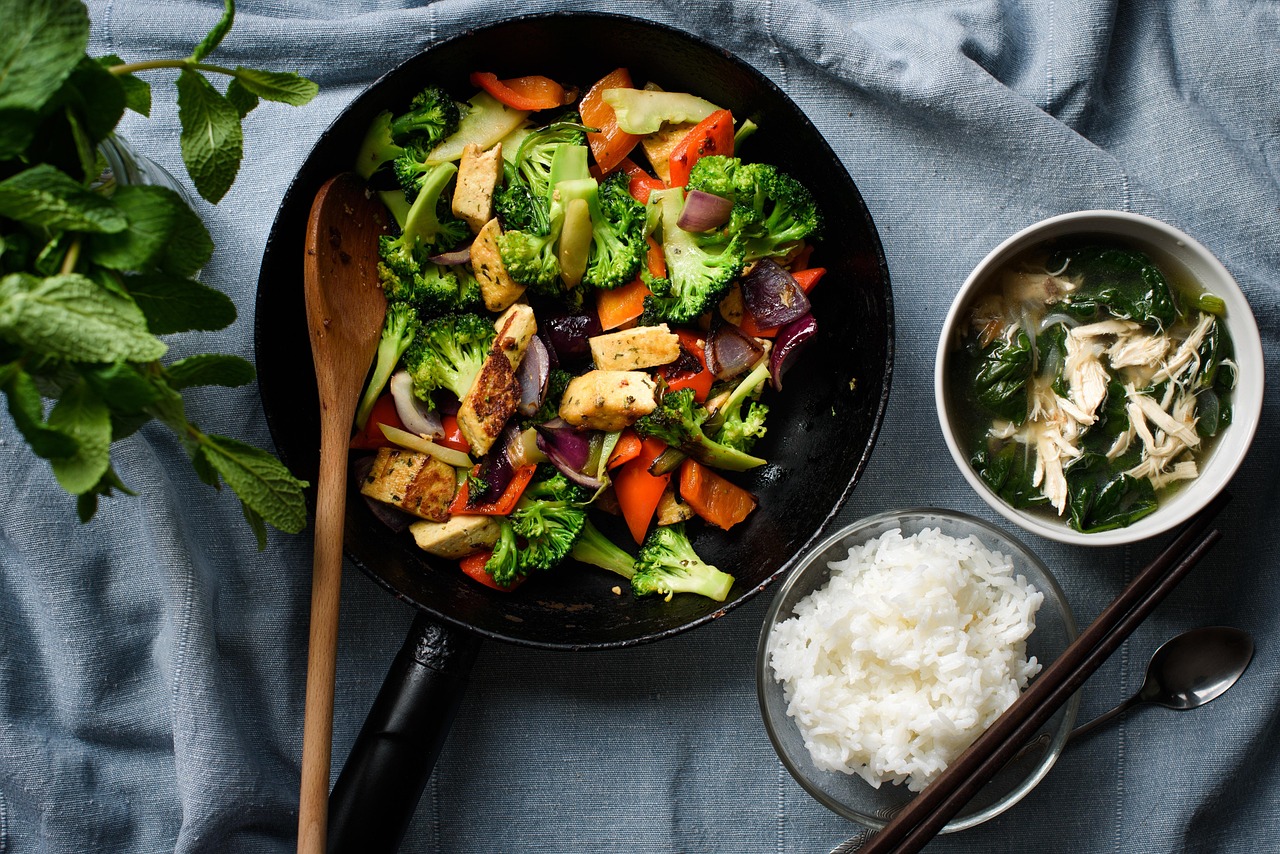
While Shuwa was once reserved strictly for religious festivals, today you can find this celebratory dish in specialized restaurants in Nizwa and Muscat, allowing travelers to experience the "King of Omani Dishes" year-round.
Must-Try Traditional Dishes: From Coast to Canyon
Beyond the sand-oven pit, the Omani table offers a diverse landscape of textures. Because the Sultanate boasts over 1,000 miles of coastline, the culinary focus shifts dramatically as you move from the rugged Hajar Mountains toward the turquoise waters of the Arabian Sea.
The Coastal Bounty
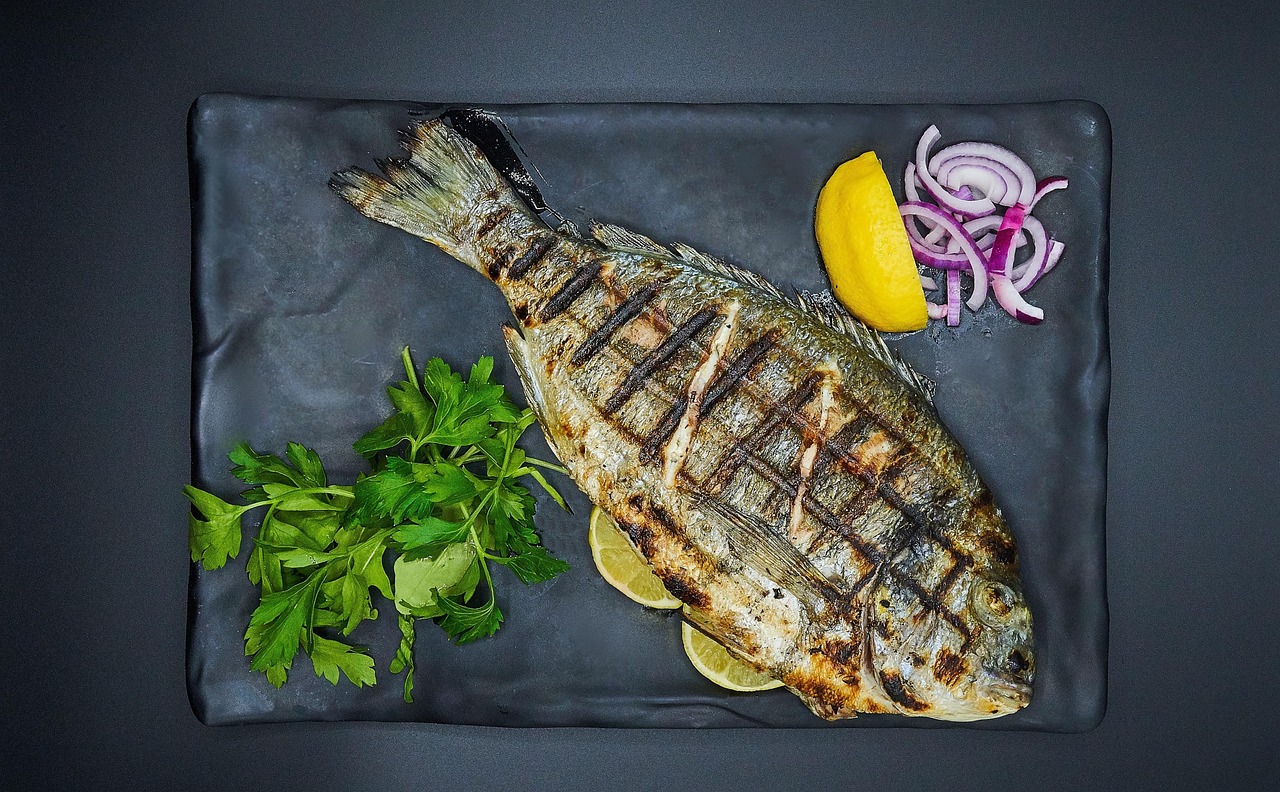
In fishing villages like Sur and the bustling ports of Muscat, the sea provides the protein for roughly 60% of traditional recipes.
- Mashuai: This is a coastal revelation. It features whole-spit-roasted kingfish served with a savory lemon and ginger rice. The acidity of the lemon cuts perfectly through the richness of the fish.
- Mutafay: A thick, soul-warming curry usually made with kingfish or tuna. The defining characteristic here is the heavy use of tamarind and ginger, a clear nod to Oman’s historic ties with the Swahili coast of East Africa.
Mountain and Desert Staples
- Majboos: Known as Kabsa in other parts of the Gulf, the Omani Majboos is distinguished by its use of lumi and a slightly sweeter spice profile. It is a one-pot masterpiece of rice, meat (usually chicken or lamb), and vegetables, stained gold by high-quality saffron.
- Harees: A dish of ancient lineage, Harees is a thick, porridge-like consistency made from beaten wheat and meat. It is simple, filling, and often drizzled with local honey or ghee, serving as a reminder of the Sultanate’s nomadic Bedouin roots.
The Omani Spice Box
To cook like an Omani, you must master these four pillars:
| Ingredient | Role in Omani Cooking | Sensory Note |
|---|---|---|
| Lumi (Dried Lime) | The "soul" of Omani stews; boiled in salt water and sun-dried. | Sharp, fermented citrus tang. |
| Saffron | Used in rice and coffee; a symbol of wealth and hospitality. | Earthy, floral, and metallic. |
| Cardamom | The primary flavor in Omani coffee (Qahwa) and sweets. | Warm, spicy, and intensely aromatic. |
| Frankincense | Though mostly burned, edible "tears" are sometimes infused in water. | Resinous, piney, and ethereal. |
The Sweet Side: Halwa, Dates, and the Qahwa Ritual
In Oman, a meal never truly ends—it transitions into a lingering ceremony of coffee and sweets. Central to this is Omani Halwa. Unlike the flour-based halvas of the Levant, Omani Halwa is a gelatinous, shimmering jelly made from starch, sugar, ghee, and water, flavored with rosewater, saffron, and nuts. It is cooked in large copper pots (mirshat) over wood fires for hours, stirred constantly by hand until it achieves a perfect, shivering consistency.
But the Halwa does not stand alone. It is the partner to Qahwa (Omani coffee). Omani coffee is light, yellowish-brown, and never sweetened with sugar. Instead, it is infused with cardamom and sometimes saffron, and its bitterness is balanced by the natural honey-like sweetness of Omani dates.

Pro-Tip: The Cup Shake: When you have finished your coffee and do not want a refill, gently shake your small cup (finjan) from side to side between your thumb and forefinger before handing it back to your host. If you simply hand it back, they will likely pour you another!
Dining Etiquette: How to Eat Like a Local
Eating in Oman is a social contract, a gesture of peace and respect. While modern restaurants offer tables and chairs, the most authentic way to experience traditional Omani cuisine is in a Majlis—a communal room with plush carpets and floor cushions.
The Rules of the Majlis
- The Right Hand Rule: Only use your right hand for eating. The left hand is traditionally reserved for personal hygiene and is considered impolite at the table.
- The Art of the Rice Ball: In a traditional setting, you don't use a fork. You use your fingertips to gather a small amount of rice, press it into a firm ball against the side of the platter, and use your thumb to "flick" it into your mouth.
- Shoe Removal: Always remove your shoes before entering a dining area.
- The "Clean Feet" Posture: If you are sitting on the floor, ensure the soles of your feet are not pointing toward another person or the food, as this is considered offensive.
A Foodie’s Map: Where to Eat
To truly explore the flavors of the Sultanate, you must move through its geography. Each city offers a different chapter of the Omani culinary story.
- Muscat: Bait Al Luban: Located in a restored 140-year-old guest house overlooking the Muttrah corniche, this is the gold standard for fine Omani dining. Their Shuwa is legendary, and the atmosphere, scented with frankincense, is hauntingly beautiful. Experience Bait Al Luban →
- Nizwa: Tamrah: Nizwa is the historic heart of Oman. At Tamrah, you can enjoy mountain-style meats while overlooking the massive earthwork tower of Nizwa Fort. It is the best place to understand the interior's rugged culinary identity.
- Sur: Al Hawash: Perched near the dhow-building yards, this spot serves the freshest catch. Order the Mashuai and watch the traditional wooden boats bob in the harbor where the recipe likely originated.
- Salalah: Al Baleed Resort by Anantara: For a luxury take on the desert sand-oven experience, head south to the land of frankincense. Their beachfront dining captures the tropical, coconut-infused flavors unique to the Dhofar region.
Practical Tips for Food Travelers
The Best Time to Visit
Plan your journey between October and April. The weather is mild, making outdoor communal dining and food festivals (like those during the Muscat Festival in January/February) much more enjoyable. During the summer, temperatures can exceed 40°C (104°F), which makes heavy, slow-cooked meats less appealing.
Modesty and Dress Codes
When dining outside of international hotels, dress modestly. For men, this means shoulders and knees covered. For women, loose-fitting clothing that covers the arms and legs is respectful. In traditional local eateries, this respect for local culture often leads to a warmer welcome and perhaps an extra serving of Halwa.
Navigating Ramadan
During the holy month of Ramadan, Muslims fast from dawn to sunset. Most restaurants will be closed during the day, and it is illegal and disrespectful to eat or drink in public. However, sunset brings the Iftar, a joyous breaking of the fast. This is perhaps the best time to see the full breadth of Omani hospitality as the streets come alive with shared food and community spirit.
FAQ
Q: Is Omani food spicy? A: Omani food is incredibly flavorful and rich in spices like cardamom, turmeric, and ginger, but it is rarely "hot" in the way some Indian or Thai dishes are. The focus is on aroma rather than chili heat.
Q: Can vegetarians find options in traditional Omani cuisine? A: While Oman is a meat-heavy culture, you can find excellent vegetarian options such as Hummus, Tabbouleh, and Lentil Soup. Be sure to try Omani Bread (khubz rakhal)—a thin, crepe-like bread often served with cheese and honey.
Q: Is camel meat commonly served? A: Yes, especially in the southern Dhofar region (Salalah). It is often slow-cooked or served as Camel Meshkak (grilled skewers). It tastes similar to beef but is slightly leaner and more flavorful.
Are you ready to taste the history of the spice routes? Whether you are unearthing Shuwa in the mountains of Nizwa or sipping cardamom-scented coffee on the Muscat corniche, the flavors of Oman are waiting to tell you their story.