Quick Facts
- Defining Rio's Glamour: Contrary to European formality, Rio's glamour is "barefoot in the sand"—an informal, intimate luxury found in simple rituals like sunset-watching at Arpoador or sipping chilled coconut water.
- 2026 Landmark Year: A major cultural resurgence is expected with the phased reopening of the 207-year-old National Museum of Brazil and the massive "Todo Mundo no Rio" concert on Copacabana Beach.
- Art Deco Heritage: Rio is the Art Deco capital of the world, anchored by Christ the Redeemer—the largest Art Deco monument on the planet.
- Urban Nature: The city hosts the Tijuca Forest, which holds the record as the largest urban forest in the world, offering a lush contrast to the metropolitan skyline.
Introduction: Redefining Carioca Glamour
To understand Rio de Janeiro is to understand a specific type of alchemy—one where the rugged peaks of the Serra do Mar melt into the Atlantic, and where the pulse of samba dictates the rhythm of the tide. We often call it the Cidade Maravilhosa (the Marvelous City), but for decades, the world has viewed its "glamour" through a lens of glittering Carnival parades and high-rise luxury. However, as author Bruno Astuto suggests in his latest tribute to the city, the true glamour of Rio is far more subversive and soulful.
It is what the locals call "barefoot in the sand." It is the absence of pretension. In Rio, glamour isn’t found in a stiff tuxedo or a velvet-roped VIP lounge; it is found in the communal silence as thousands of people applaud the sunset at Arpoador. It is the intimacy of sharing petiscos at a corner boteco, the salt on your skin, and the informal grace of a culture that prioritizes the present moment over the prestige of the past. As we look toward 2026, a year destined to be a watershed moment for Brazilian tourism, this "informal luxury" is being codified and celebrated like never before.
The Visual Soul: Bruno Astuto’s Assouline 'Rio de Janeiro'
In his second collaboration with the luxury publisher Assouline, Bruno Astuto—a man who carries the city's history in his marrow—invites us to look past the postcards. His new book, Rio de Janeiro, is a sensory feast that chronicles the city’s evolution from the post-Olympic hangover into a vibrant, self-assured cultural titan.
While his 2016 work, The Spirit of Rio, focused on the kinetic energy of the Olympic era, this new volume feels more like a love letter to the city’s enduring textures. It captures the juxtaposition of haute couture with the "couture of the streets"—the feathers of a Carnival queen and the vibrant murals of the Gamboa district. It is a book that demands to be felt as much as read, mirroring the city’s own tactile nature. Through Astuto’s eyes, we see a Rio that is regenerating, reclaiming its historical spaces, and inviting the world back to experience a beauty that is raw, democratic, and undeniably chic.
Why 2026 is Rio’s Landmark Cultural Year
If Astuto’s book is the inspiration, 2026 is the invitation. The city is currently undergoing a cultural "Renascença," with several long-awaited milestones converging to make 2026 the most significant year for travel since 2016.
The crown jewel of this resurgence is the National Museum of Brazil (Museu Nacional). This 207-year-old institution, once the residence of the Brazilian Emperors, suffered a catastrophic fire in 2018 that devastated its 20-million-piece collection. Since then, a Herculean international effort has been underway to rebuild. 2026 marks the beginning of its phased reopening, a symbol of Rio’s resilience and its commitment to its scientific and historical roots.
Furthermore, the National Museum of Fine Arts is scheduled for a full reopening in late 2026 after extensive renovations, ensuring that the city's artistic heritage is once again accessible to the public. To celebrate this new era, the city is planning the "Todo Mundo no Rio" concert series. Rumored to be headlined by global icons like Beyoncé or Rihanna, these massive, free events on Copacabana Beach are expected to rival the legendary New Year's Eve celebrations in scale and spirit.

The Art Deco Capital of the World
While the world often associates Art Deco with Miami’s South Beach or the skyscrapers of New York, Rio de Janeiro holds a unique title: it is arguably the Art Deco capital of the Southern Hemisphere. This architectural movement, characterized by geometric elegance and a forward-looking optimism, found a natural home in the curves of the Carioca landscape.
The most famous example is, of course, Cristo Redentor (Christ the Redeemer). Standing atop Corcovado Mountain, it remains the largest Art Deco monument in the world. But the influence extends far beyond the statue. In 2026, visitors can experience the "new" Roxy in Copacabana. Originally a 1938 cinema, this Art Deco masterpiece has been transformed into a sophisticated space for professional samba shows, blending historic preservation with contemporary entertainment. From the iconic wave-patterned sidewalks of Copacabana designed by Burle Marx to the modernist curves of Oscar Niemeyer’s later works, the city serves as an open-air museum of 20th-century design.
Nature and Adventure: Beyond the Coastline
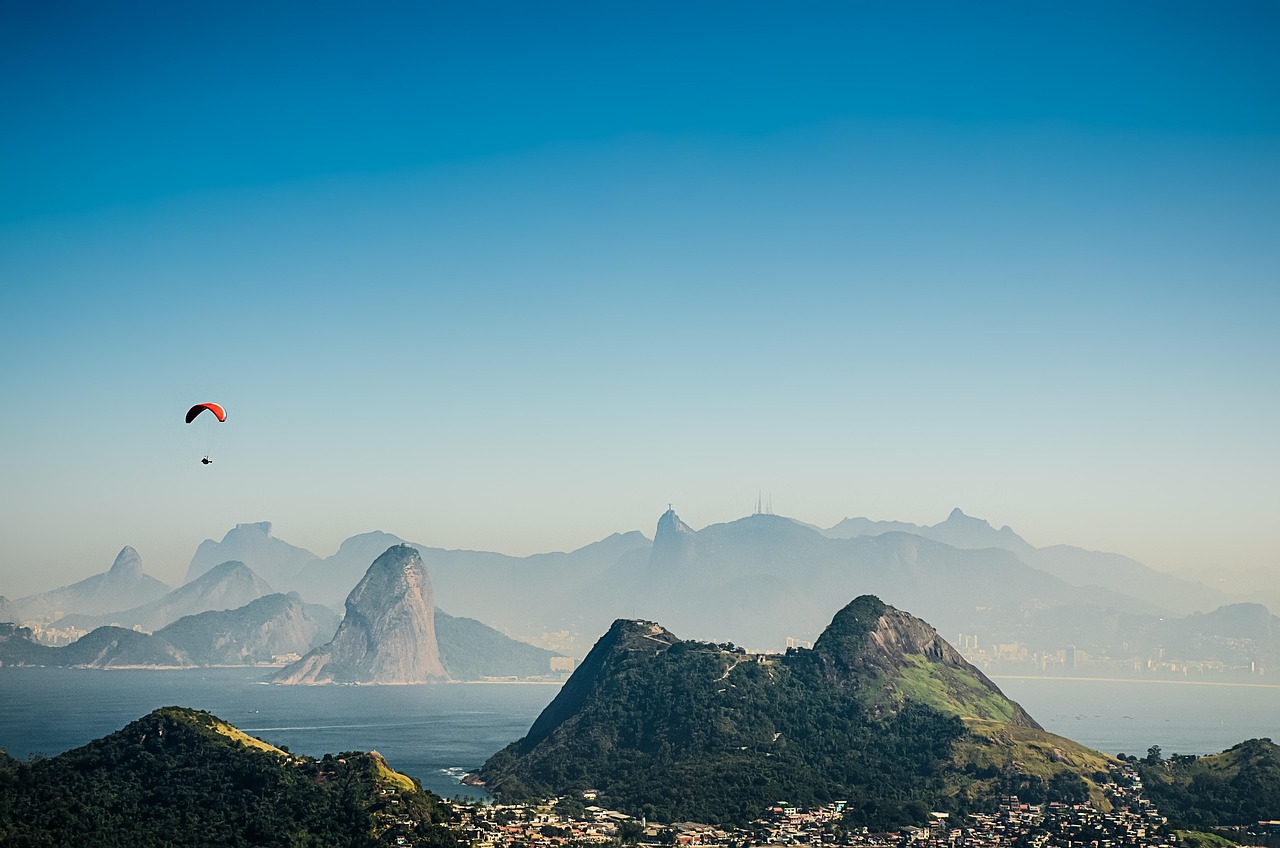
The true "Carioca" experience is never just about the city; it is about the jungle that breathes within it. Rio is home to the Tijuca National Park, which holds the world record as the largest urban forest. Within minutes of leaving the high-fashion boutiques of Ipanema, you can find yourself under a canopy of emerald green, surrounded by waterfalls and the call of toucans.
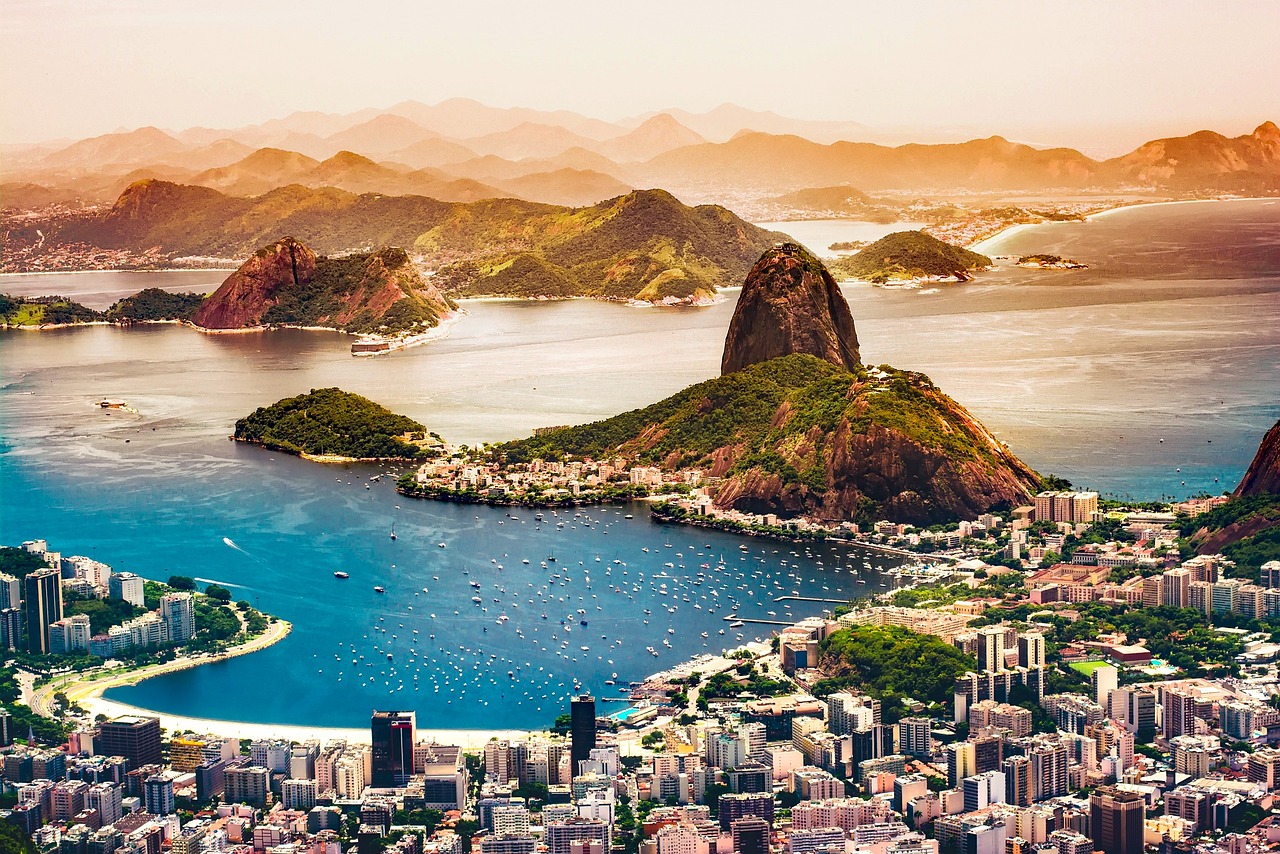
For those seeking a vantage point that transcends the typical, the Pão de Açúcar (Sugarloaf Mountain) remains essential. However, the 2026 traveler should look for "Sunrise Sessions"—special early-morning cable car rides that offer live acoustic music as the sun breaks over Guanabara Bay. For the more adventurous, a hike to Pedra da Gávea offers a panoramic vista that makes the skyscrapers below look like mere toys.
Editor’s Note: To truly feel the "urban jungle" vibe, book a guided hike through the Parque Lage forest trails that lead up to the Corcovado. It is a sensory journey through humidity, history, and breathtaking heights.
The Democratic Sands: Copacabana, Ipanema, and Beyond
In Rio, the beach is the town square. It is the most democratic space in the city—a place where social hierarchies dissolve under the heat of the sun. This is where the "barefoot glamour" is most visible. Whether you are at the sophisticated Posto 9 in Ipanema or the surfing enclave of Recreio dos Bandeirantes, the ritual remains the same.
To "do" the beach like a local, one must embrace the specific tastes of the sand. Look for the vendors shouting for Biscoito Globo (a light, salty starch biscuit) and pair it with a lime-mate iced tea, poured from the iconic metal barrels. This is the authentic Carioca communion. As the city moves toward 2026, there is an increasing focus on sustainability along the coastline, with new initiatives to preserve the "restingas" (coastal vegetation) and ensure the beaches remain a pristine sanctuary for all.

A Taste of the City: From Michelin Stars to Botecos
The culinary landscape of Rio has undergone a massive transformation. While the traditional churrascaria remains a staple, a new wave of chefs is looking toward the Amazon and the local Atlantic Forest for inspiration.
- Fine Dining: Lasai, helmed by chef Rafa Costa e Silva, holds two Michelin stars and offers a garden-to-table experience that is strictly seasonal. For old-world glamour, Cipriani at the Copacabana Palace remains the pinnacle of Italian-Carioca fusion.
- The Amazonian Soul: For a taste of the north, visit Tacacá do Norte in Flamengo. Their açaí is widely considered the most authentic in the city—thick, unsweetened, and deeply earthy.
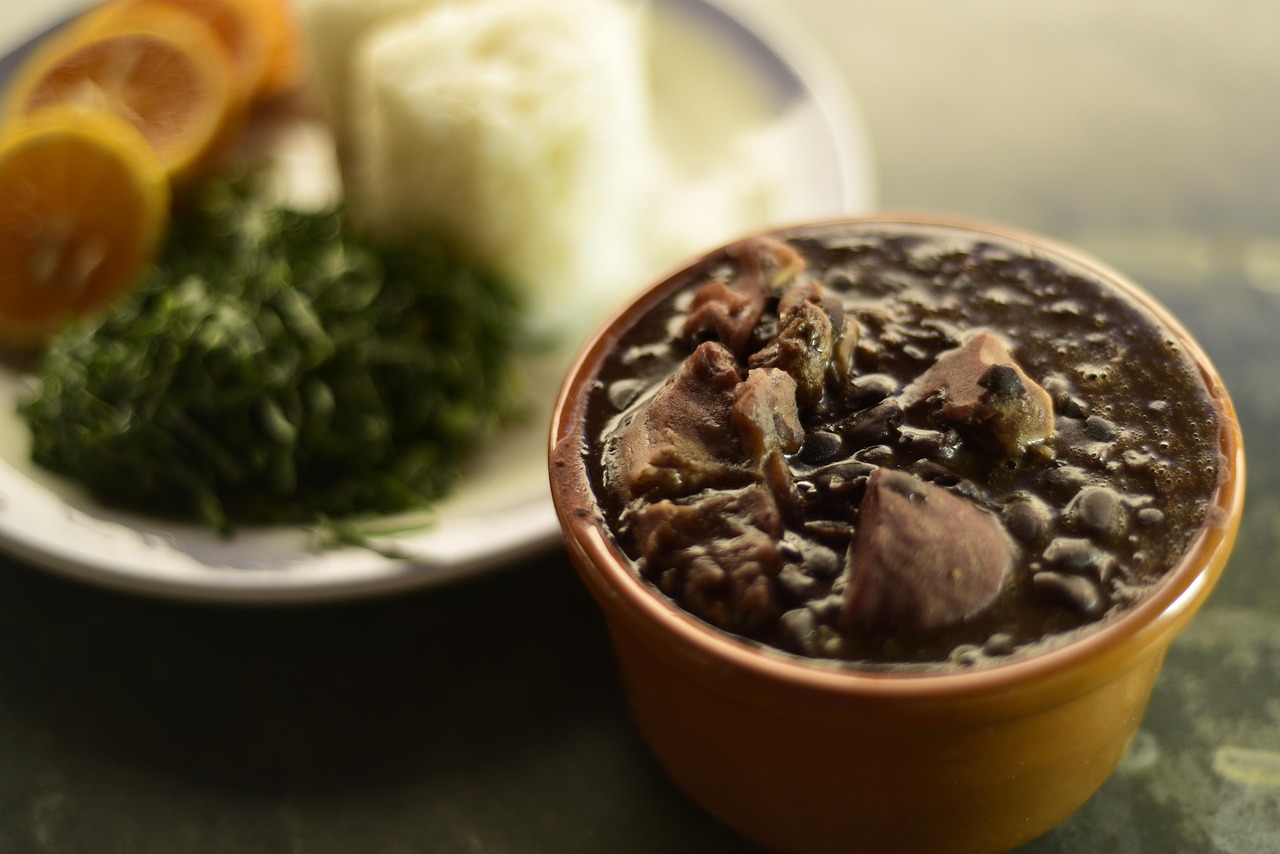
- The Sunday Ritual: No visit is complete without a feijoada (black bean and pork stew). Head to Bar do Mineiro in the hilltop neighborhood of Santa Teresa for a version that has nourished artists and poets for decades.
Logistics: Planning Your 2026 Journey
Planning a trip to Rio requires a balance of foresight and flexibility. While Carnival in February is the city’s most famous window, the temperate months of March through June offer stunning clarity, fewer crowds, and a more relaxed pace.
Neighborhood Comparison: Where to Stay
| Neighborhood | Vibe | Best For | Notable Landmark |
|---|---|---|---|
| Ipanema | Sophisticated & Trendy | Fashion, Sunsets, Dining | Posto 9 |
| Copacabana | Iconic & Nostalgic | History, Beach Walks, Events | Copacabana Palace |
| Santa Teresa | Bohemian & Artistic | Boutique Stays, Views, Samba | Selarón Steps |
| Leblon | Exclusive & Quiet | Luxury Families, Upscale Bars | Mirante do Leblon |
When arriving, most international flights land at GIG (Galeão), but if you are flying domestically from São Paulo, try to land at SDU (Santos Dumont). The approach into SDU is one of the most beautiful flights in the world, skimming the water and the mountains before touching down in the heart of the city. For getting around, Uber is highly reliable and safe, while the Metro is the most efficient way to navigate between the South Zone and the historic Center.
For those seeking the ultimate in Carioca hospitality, the historic Copacabana Palace or the ultra-modern Fairmont Rio de Janeiro offer front-row seats to the 2026 festivities.
Explore Bruno Astuto's Rio de Janeiro →
FAQ
When is the best time to visit Rio for the 2026 cultural events? The peak of the cultural resurgence will likely be in the second half of 2026, coinciding with the full reopening of the Fine Arts Museum and the major "Todo Mundo no Rio" concerts. However, visiting during the Southern Hemisphere winter (June-August) offers the most comfortable weather for hiking and urban exploration.
Is Rio de Janeiro safe for international travelers? Like any major global city, Rio requires awareness. Stick to well-traveled tourist areas in the South Zone (Ipanema, Leblon, Copacabana), use official ride-sharing apps at night, and avoid displaying high-value jewelry or electronics in public spaces.
Do I need a visa to visit Brazil in 2026? Visa requirements for Brazil have been subject to recent changes for citizens of the US, Canada, and Australia. It is essential to check the latest Brazilian consulate updates at least three months before your departure.
Are you ready to experience the marvelous city? Whether you are drawn by the literary allure of Bruno Astuto’s pages or the historic reopening of the National Museum, Rio de Janeiro in 2026 promises a journey that is as profound as it is beautiful. Pack your linen, leave your pretenses at the gate, and prepare to go barefoot in the sand.