Quick Facts
- The Accessible Giant: Mount Cotopaxi in Ecuador (19,347 feet) is widely considered the highest active volcano in the world that is accessible to non-professional climbers with a guide.
- Technical Entry Level: While "accessible," summits like Cayambe and Pico de Orizaba require technical mountaineering gear, including crampons, ice axes, and double-layer boots.
- The Dual-Ocean View: Volcan Baru in Panama is the only place on Earth where you can witness the sun rising over the Caribbean and the Pacific simultaneously.
- The Acclimatization Key: To safely summit the highest Andean peaks, a 14-day volcanic circuit is recommended to adjust to altitudes exceeding 20,000 feet.
Introduction: Standing on the Edge of the Earth
I’ve spent the better part of a decade chasing horizons, but there is nothing quite like the metallic tang of sulfur hitting the back of your throat as you stand on the rim of an active volcano. In 2026, the allure of high-altitude trekking has reached a fever pitch. We aren't just looking for views anymore; we’re looking for the pulse of the planet. Climbing an active volcano is a "controlled risk" that balances the raw volatility of the Earth with the precision of modern mountaineering.
When people ask me where to start, I always point them toward South America. Specifically, Mount Cotopaxi in Ecuador. Reaching an elevation of 19,347 feet (5,897 meters), it is the tallest active volcano in the world that remains widely accessible to hikers who have the grit to endure a midnight start and a steep glacier grind. But it’s just one of several giants waiting for those willing to trade oxygen for perspective. Whether you’re looking for a cultural pilgrimage in Japan or a technical "sufferfest" in Mexico, this is your definitive guide to the highest volcanic summits you can actually stand upon this year.
1. Ojos del Salado, Chile/Argentina: The World’s Highest Active Peak
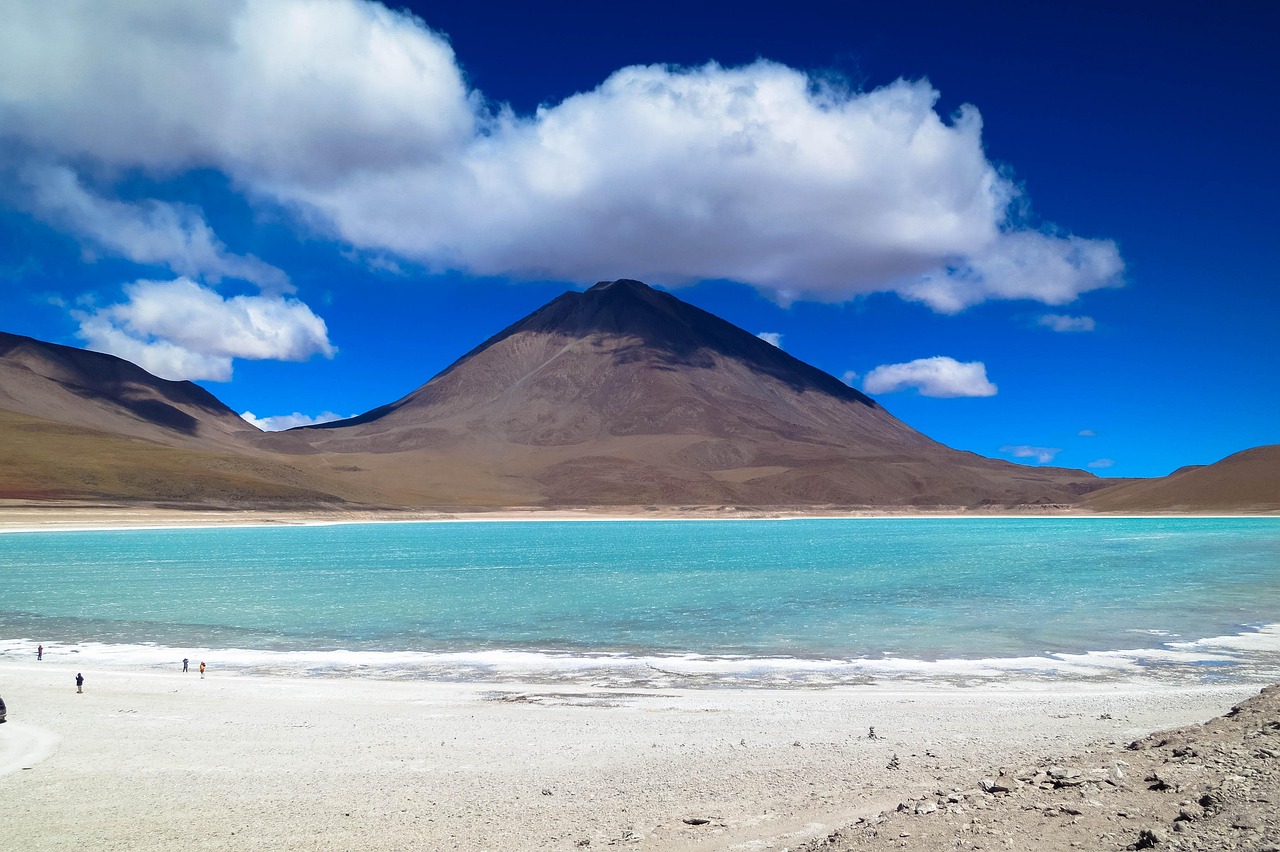
If you want the absolute king of the hill, you head to the Puna de Atacama. Ojos del Salado is a beast of a mountain, straddling the border between Chile and Argentina. At 6,893 meters (22,615 feet), it is officially the highest active volcano on the planet. This isn't just a hike; it’s a full-scale 15-day expedition.
The landscape is surreal—a high-altitude desert where the air is so thin it feels like you're breathing through a straw. One of the highlights for me was the Laguna Verde, a turquoise mineral lake with adjacent hot springs that provide the only bit of luxury you’ll find in this desolate region. While the climb is technically "intermediate," the sheer altitude is the real gatekeeper. You’ll need to navigate loose scree and a final technical scramble to reach the crater rim, which houses the world’s highest crater lake.
Quick Stats:
- Elevation: 6,893m (22,615ft)
- Location: Chile/Argentina Border
- Best Time: December to March
- Difficulty: High (Expedition Grade)
2. Mount Cotopaxi, Ecuador: The Andean Magnet
There is a reason why climbing Mount Cotopaxi Ecuador is on every mountaineer’s bucket list. Its near-perfect symmetrical cone, draped in a massive glacier, is the archetype of what a volcano should look like. At 19,347 feet (5,897 meters), it offers a serious high-altitude challenge without requiring elite-level technical skills—though don't let the word "accessible" fool you.
The standard route involves a midnight departure from the Jose Rivas Refuge. Why midnight? You need to reach the summit by sunrise before the sun softens the snow, making the glacier dangerous. The climb is a rhythmic grind of crampons on ice, illuminated only by your headlamp and the stars. To successfully tackle Cotopaxi, I highly recommend a professional Andean volcanic circuit. A 14-day itinerary covering five major peaks in Ecuador is the gold standard for proper acclimatization, ensuring your body can handle the jump to nearly 20,000 feet.
Quick Stats:
- Elevation: 5,897m (19,347ft)
- Location: Ecuador
- Best Time: June to August; December to January
- Difficulty: Challenging (Glacier trekking)
3. Pico de Orizaba, Mexico: The North American Sufferfest
Pico de Orizaba is the highest point in Mexico and the third highest in North America. Standing at 5,636 meters (18,491 feet), it is a dormant giant that feels very much alive when the wind starts howling across the Jamapa Glacier. This is what I call a "true sufferfest."
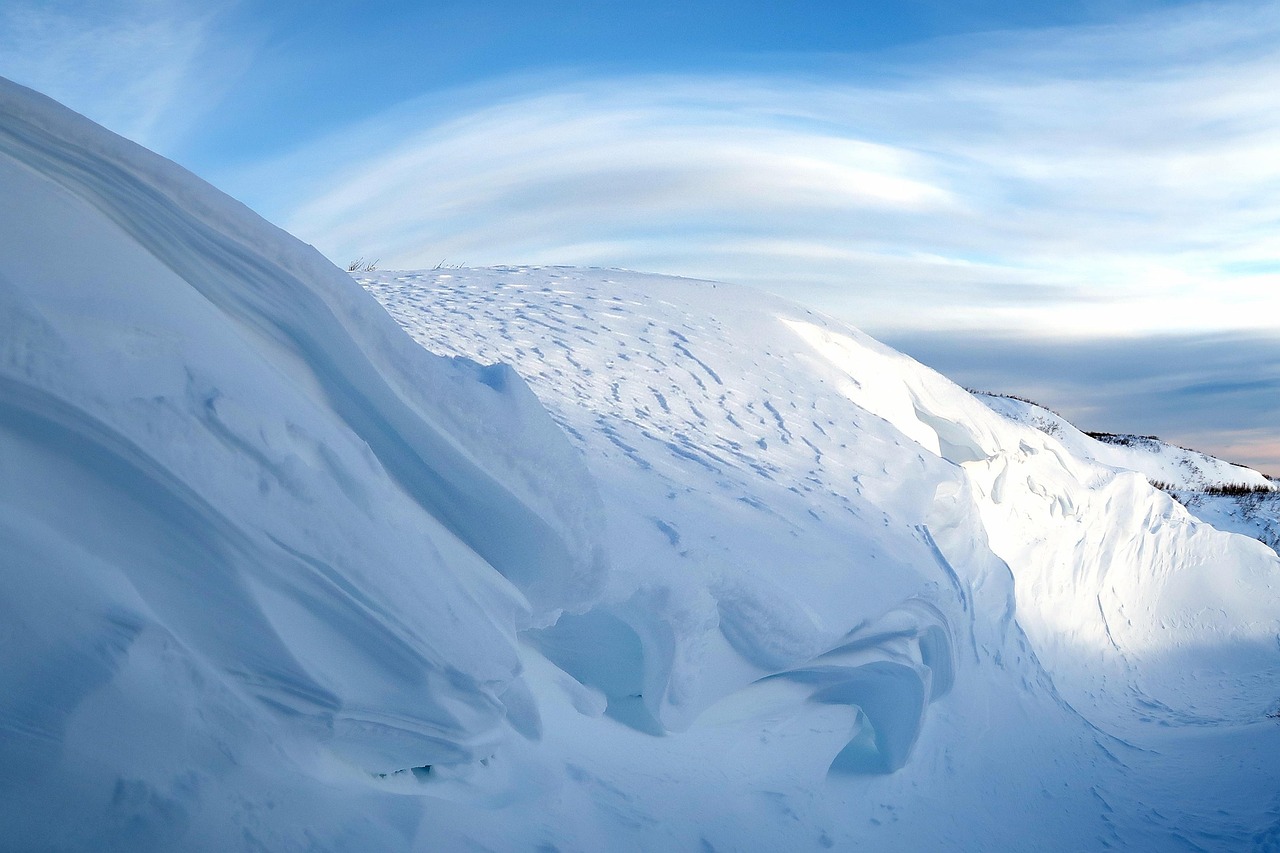
The ascent via the Jamapa Glacier is the most popular route, but it requires serious focus. You’ll be dealing with extreme wind chills that can drop to -18°C and high-altitude exposure that makes every step feel like a marathon. The gear list here is non-negotiable: you need steel crampons, a mountaineering ice axe, and steel ABS plates to prevent snow buildup. The reward, however, is a view that extends all the way to the Gulf of Mexico on a clear day.
Quick Stats:
- Elevation: 5,636m (18,491ft)
- Location: Mexico
- Best Time: November to March
- Difficulty: Advanced
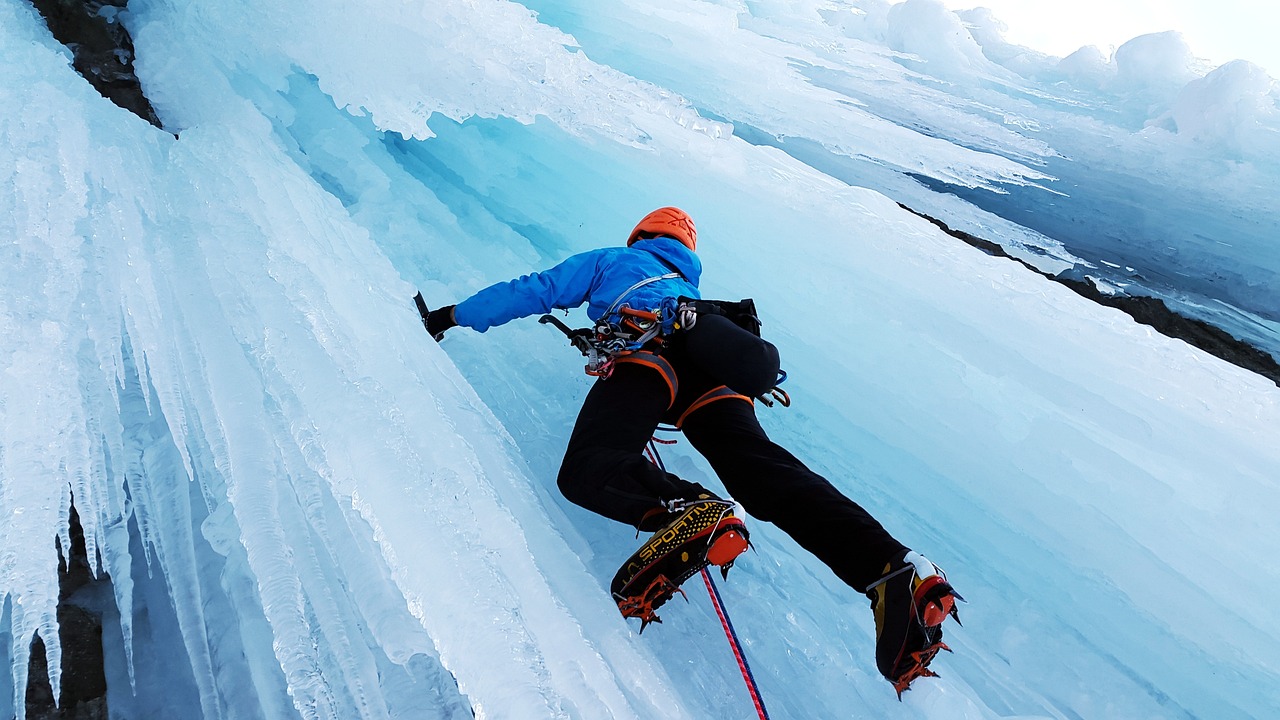
4. Cayambe, Ecuador: Climbing the Equator
Cayambe is unique for one very cool geographical fact: it is the only point on Earth where the Equator crosses a glacier. At 18,996 feet, it’s just slightly lower than Cotopaxi but significantly more technical. The glacier is active and full of crevasses, making it an excellent training ground for those looking to level up their mountaineering skills.
Most climbers spend a few days at the Cayambe Refuge (Ruales-Oleas-Berge) for glacier training before making the summit push. It’s a steep, icy ascent that requires constant rope-team coordination. Standing at the summit, knowing you are at the highest point on the Equator, is a feeling of geographical vertigo that’s hard to match.
Quick Stats:
- Elevation: 5,790m (18,996ft)
- Location: Ecuador
- Best Time: Year-round, but late May through September is best.
- Difficulty: Advanced (Technical Glacier)
5. Mount Fuji, Japan: The Cultural Icon
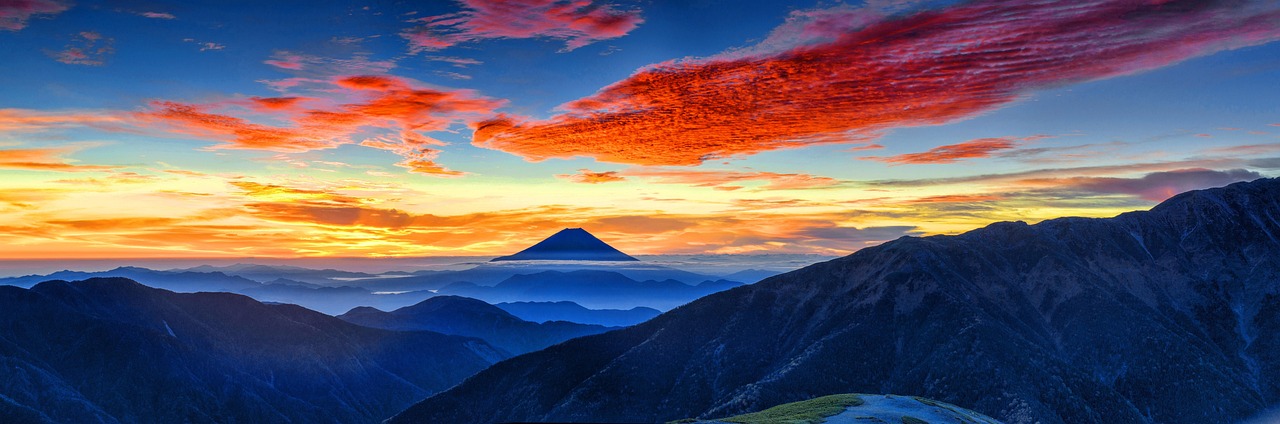
While it may not require an ice axe in the summer, Mount Fuji hiking guides often emphasize that this is no walk in the park. At 3,776 meters (12,389 feet), the altitude is significant enough to cause sickness for the unprepared. The seasonal window is tight—July to early September—and the trails can get crowded, but the experience is deeply spiritual.
The goal for most is Goraikō—witnessing the sunrise from the summit. The Yoshida Trail is the most popular path, dotted with mountain huts where you can grab a hot bowl of noodles or a few hours of sleep. The 5-8 hour ascent is a relentless zig-zag through volcanic ash and rock. It’s a sensory experience: the smell of woodsmoke from the huts, the chanting of pilgrims, and finally, the silence as the sun breaks over the Pacific horizon.
Quick Stats:
- Elevation: 3,776m (12,389ft)
- Location: Japan
- Best Time: July to early September
- Difficulty: Moderate (Physical endurance)
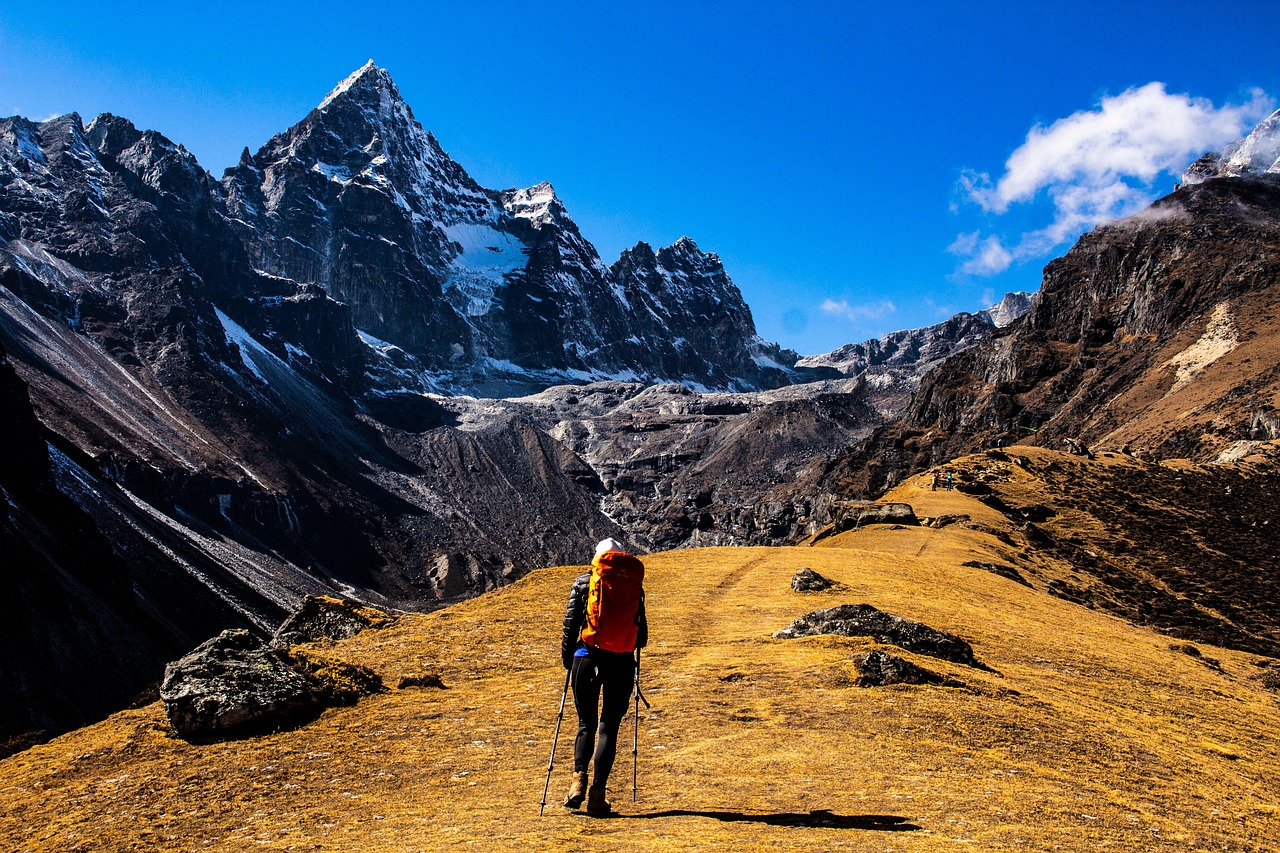
6. Volcan Baru, Panama: The Dual-Ocean Vantage
Panama’s highest peak offers a reward that no other volcano on this list can claim. On a clear morning, you can see both the Pacific Ocean and the Caribbean Sea simultaneously. It is a staggering sight that makes the grueling journey to the 3,474-meter summit entirely worth it.
You have two choices for a Volcan Baru sunrise hike. The purists take the 27km round-trip trek from Boquete, a steep, rocky slog that usually begins around midnight. The second option—and one I’ve taken when my knees needed a break—is a 2-hour 4x4 ascent. Be warned: the "road" is more of a boulder field, and you’ll be tossed around like a ragdoll. Whichever way you get there, the summit chill is biting, so pack layers. Seeing two oceans meet the sky is a bucket-list moment that defines Panama adventure.
Quick Stats:
- Elevation: 3,474m (11,398ft)
- Location: Panama
- Best Time: December to April (Dry season)
- Difficulty: Moderate to Hard (Long distance)
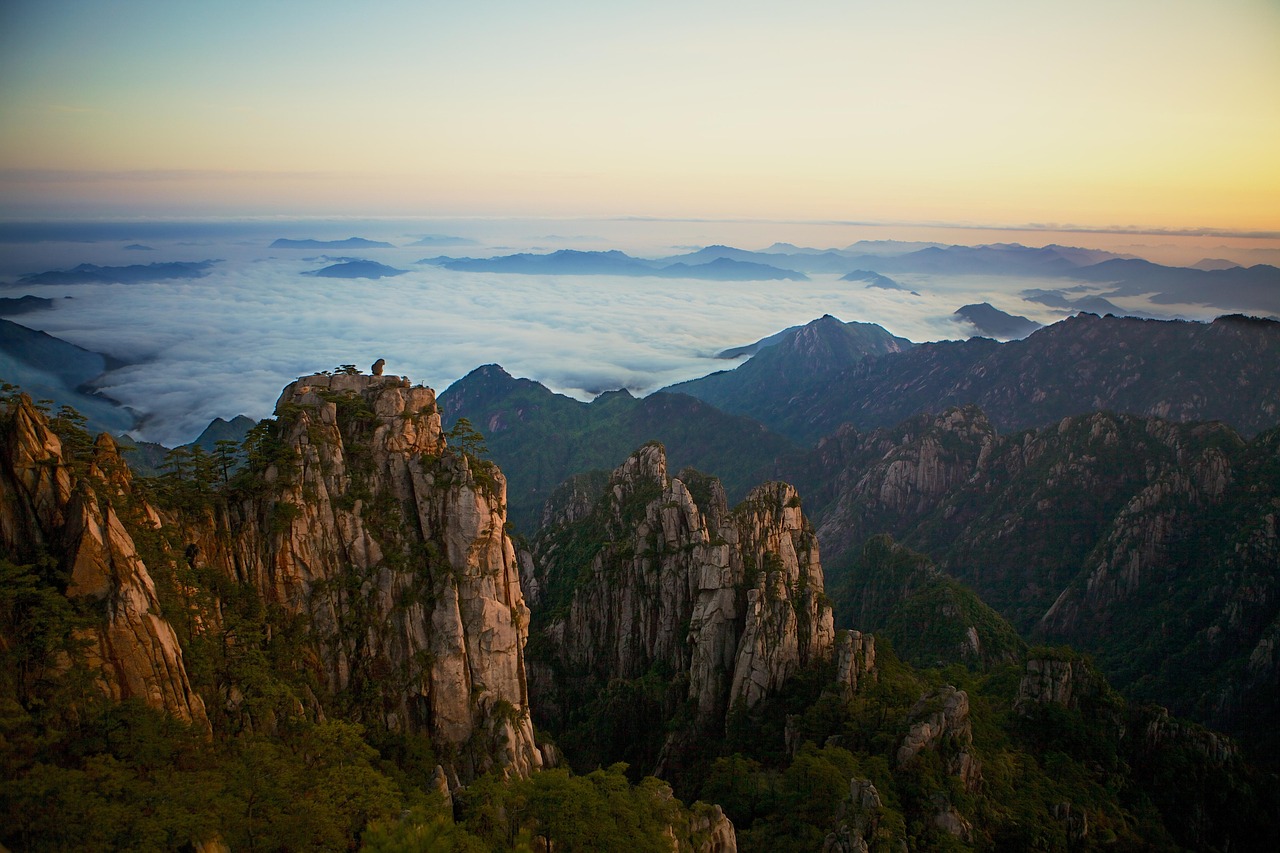
7. Mount Etna, Italy: Europe’s Living Giant
Etna is a different kind of beast. It’s Europe’s most active volcano, and the landscape is constantly being rewritten by fresh lava flows. Hiking here feels like walking on a different planet. You start in the lush foothills of Sicily and quickly ascend into a desolate, moon-like landscape of black basalt and swirling steam.
Due to its high level of activity, you often cannot reach the very highest craters without a certified vulcanological guide. The trek through solidified lava flows above Catania is sensory overload—the crunch of volcanic tephra underfoot and the occasional rumble from deep within the earth. It’s a reminder that the world is very much alive.
Quick Stats:
- Elevation: ~3,357m (11,014ft - varies with eruptions)
- Location: Sicily, Italy
- Best Time: April to June; September to October
- Difficulty: Moderate
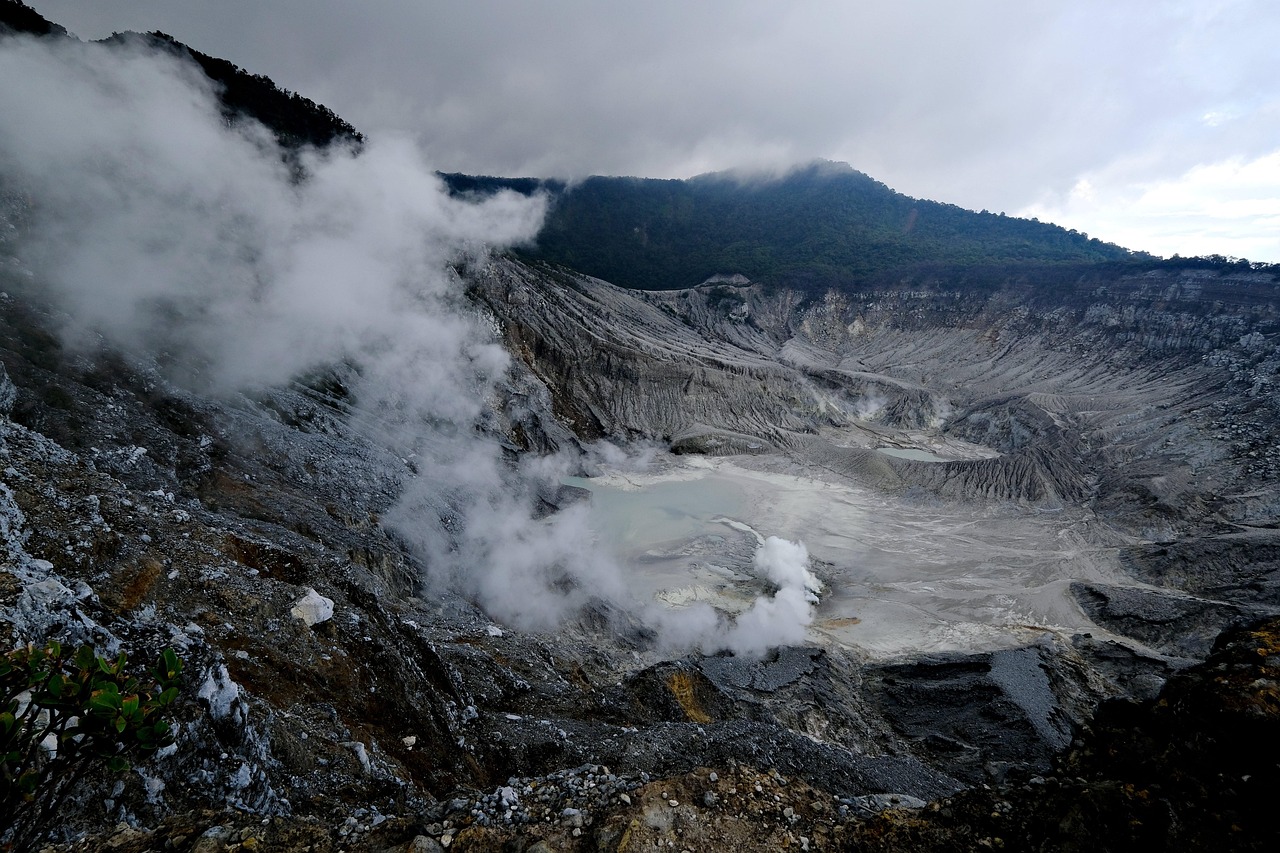
8. Mount Bromo, Indonesia: The Cinematic Caldera
While it’s the lowest on our list at 7,641 feet, Mount Bromo is arguably the most cinematic. Located in the Tengger massif of East Java, Bromo sits inside a massive "Sea of Sand." The approach is ethereal—you often cross the caldera in the pre-dawn mist, either on foot or by horse.
The actual climb to the rim is accessible, involving a flight of concrete stairs that take you right to the edge of the smoking crater. The roar of the volcano sounds like a jet engine, and the smell of sulfur is intense. Most hikers combine this with a sunrise hike at Mount Penanjakan for the iconic wide-angle view of the entire volcanic complex. It’s the best volcano hiking trail for those who want maximum visual impact with moderate physical exertion.
Quick Stats:
- Elevation: 2,329m (7,641ft)
- Location: Indonesia
- Best Time: April to October (Dry season)
- Difficulty: Easy to Moderate
Preparing for the Peak: Gear and Safety
Climbing these giants isn't just about fitness; it’s about preparation. When you're at 19,000 feet, your gear is your lifeline. To summit high-altitude volcanoes like Cayambe or Cotopaxi, climbers typically need technical gear including double-layer boots, crampons, ice axes, and helmets. Most expeditions start the ascent before midnight to ensure they reach the peak by sunrise and descend before the equatorial sun makes the snow bridges unstable.
Safety at these altitudes also means understanding your body. Oxygen levels at the summit of Ojos del Salado are roughly half of what they are at sea level. Proper hydration and electrolyte balance are critical—I’ve seen many strong hikers turned back simply because they forgot to drink water in the freezing cold.
Comparison: Difficulty vs. Technical Gear Required
| Volcano | Altitude (m) | Technical Gear Needed | Recommended Experience |
|---|---|---|---|
| Ojos del Salado | 6,893m | Full Mountaineering Kit | Expert |
| Mount Cotopaxi | 5,897m | Crampons, Ice Axe, Rope | Intermediate |
| Pico de Orizaba | 5,636m | Crampons, Ice Axe | Intermediate/Advanced |
| Mount Fuji | 3,776m | Sturdy Boots, Poles | Beginner/Intermediate |
| Volcan Baru | 3,474m | Layered Clothing, Boots | Intermediate (Endurance) |
| Mount Bromo | 2,329m | Light Hiking Gear | Beginner |
FAQ
What is the best time of year to climb? For the high Andes (Ecuador), June to August and December to January offer the most stable weather. For the Mexican volcanoes, late autumn and winter (November to March) provide the clearest skies and manageable snow conditions.
Do I need a permit for these volcanoes? Yes, in almost every case. In Ecuador and Mexico, park fees are usually handled by your guiding agency. For Mount Fuji, there is a voluntary donation for conservation, and in 2026, new reservation systems may be in place to manage crowds on the Yoshida Trail.
Can a beginner climb Cotopaxi? "Beginner" is relative. You don't need to be a pro mountaineer, but you must be in excellent cardiovascular shape. You should also have experience with high altitudes (above 4,000m) before attempting the summit. Hiring a certified ASEGUIM (Ecuador) or IFMGA guide is mandatory and essential for safety.
Conclusion
The peaks listed here represent the absolute pinnacle of volcanic trekking. Whether you're navigating the desolate heights of Ojos del Salado or watching the sunrise over two oceans on Volcan Baru, these expeditions offer a perspective on the world that you simply cannot get anywhere else.
As we look toward the 2026 season, the most important thing to remember is respect—respect for the altitude, respect for the local cultures, and respect for the sheer power of an active volcano. These are not just mountains; they are living, breathing parts of our planet. Pack your gear, train hard, and get ready to stand on the edge of the world.