Quick Facts
- The Epicenter: The Northern Rivers region, stretching from Yamba to the Tweed, is currently Australia’s most vital culinary frontier.
- The Trend: Australia’s regional population grew by 70,900 in 2020-2021, while capital cities saw their first net loss in decades, fueling a "Sea-Changer" movement of top-tier talent.
- The Vibe: A shift from the high-pressure, high-rent "polished" dining of Sydney to experimental, produce-first, wood-fired kitchens in sleepy coastal towns.
- Must-Visit Spots: Pipit (Pottsville), Cadeau (Brunswick Heads), and the legendary Brae (Birregurra).
The Great Australian Culinary Shift: From Capital Cities to Country Towns
For decades, the gravity of Australian gastronomy pulled relentlessly toward the gleaming harbors of Sydney and the bluestone laneways of Melbourne. We chased the "new" in vertical glass towers and subterranean bars. But lately, the air in the city has grown heavy—not just with the humidity of the coast, but with the exhaustion of a dining scene pushed to its limits by skyrocketing rents and the relentless pace of urban survival.
The most exciting conversations in food are no longer happening on George Street. They are happening on the sun-drenched verandas of repurposed general stores and in kitchens where the morning's harvest is still clinging to the soil. We are witnessing a historic "Sea-Changer" movement. Driven by a desire for creative sovereignty and a direct connection to the land, Australia’s most decorated chefs are trading their city skylines for the quiet rhythm of the bush and the beach.
According to the Australian Bureau of Statistics, regional Australia grew by 70,900 people from 2020 to 2021, while capital cities saw a population decrease of 26,000. This isn't just a demographic shift; it is a culinary exodus. Why are Australian chefs moving to regional towns? The answer lies in freedom. Away from the crushing overheads of the city, chefs can afford to be experimental, to close when the produce isn't right, and to build menus around a tight-knit community of small-batch growers rather than global supply chains.

The Northern Rivers: Australia’s Most Exciting Emerging Food Destination
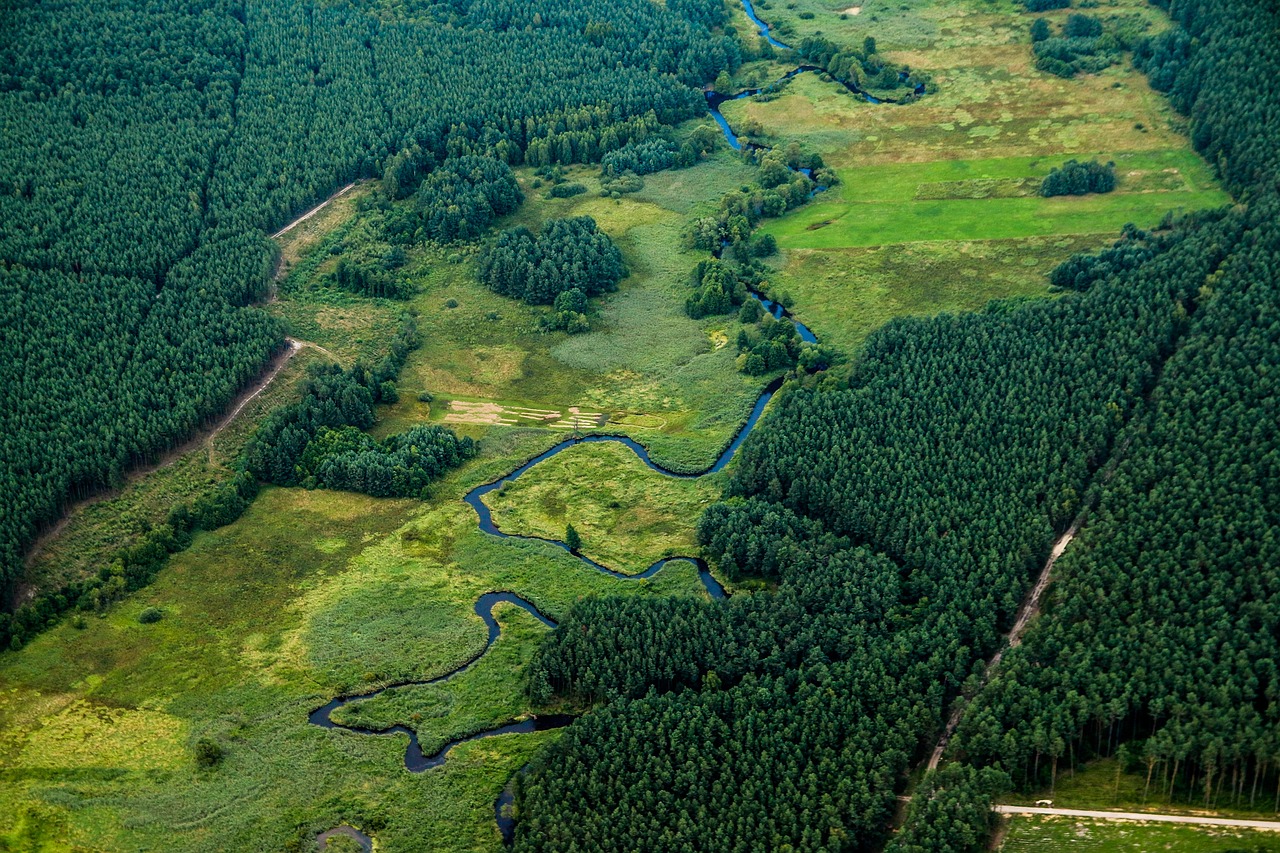
If there is a ground zero for this movement, it is the Northern Rivers. This lush, sub-tropical expanse in New South Wales—stretching from the surf breaks of Yamba up to the Tweed hinterland—has surpassed traditional city hubs to become the country’s most compelling food destination. It is a place where the geography dictates the menu: volcanic soil, ancient rainforests, and an ocean that provides a shimmering pantry of seafood.
While Byron Bay has long been the lighthouse for travelers, the real magic is happening in the satellite towns that ring the famous cape. Here, the dining is unpretentious but technically rigorous. It is a scene rooted in the Bundjalung nation’s history, where Indigenous knowledge of the land is finally being centered. At Karkalla in Byron, Bundjalung woman Mindy Woods alchemizes native ingredients—succulent saltbush, finger lime, and Davidson plum—into dishes that tell a story of place far older than the colony.
Spotlight: Brunswick Heads – The Hip Town Time Forgot
Fifteen minutes north of Byron Bay lies Brunswick Heads, or "Bruns" to the locals. It is a town that feels like a vintage postcard—a turquoise river, a classic pub, and a distinct lack of pretension. Yet, beneath its sleepy exterior, it has quietly become a culinary epicenter.
The arrival of Fleet years ago signaled the change. A tiny, 14-seat bar-restaurant that became one of the most difficult bookings in the country, Fleet proved that you didn't need a grand dining room to achieve greatness. As Fleet transitions into its next chapter through 2024-2026, the town has blossomed around it.
Cadeau, a 40-seat gem helmed by Holly Ottingon and Giorgio Ravelli, embodies the new regional spirit. The food is deceptively simple, echoing Ravelli’s European heritage—think coal-kissed snapper or a perfectly executed tartine—served in a room that feels like a friend’s very chic living room. Then there is Roco, a ramen and sake bar that brings urban precision to the coast, and Birds of Paradise, where the rotisserie chicken is elevated to an art form.

The Regional Bucket List: Top Restaurants to Visit in 2026
To understand why the country is winning the food war, one must look at the specific temples of produce being built in the hinterland. These aren't just places to eat; they are destinations that require a pilgrimage.
Pipit (Pottsville)
In the quiet coastal town of Pottsville, chef Ben Devlin is doing something radical at Pipit. The restaurant is a love letter to the coastal ecosystem. There is no meat on the menu—only sustainable seafood and vegetables, mostly cooked over woodfire. The "charcuterie" here is made from fish; the sauces are fermented from local fruit. It is a masterclass in modern Australian identity.
Brae (Birregurra)
While the Northern Rivers is the current darling, regional Victoria remains a heavyweight. Brae, set on a 30-acre organic farm in Birregurra, is perhaps the ultimate farm-to-table destination. Dan Hunter’s vision is holistic; the menu is a literal map of what was picked that morning. It is a slow, immersive experience that reminds us that the best food is grown, not manufactured.
Harvest (Newrybar) and Frida’s Field (Nashua)
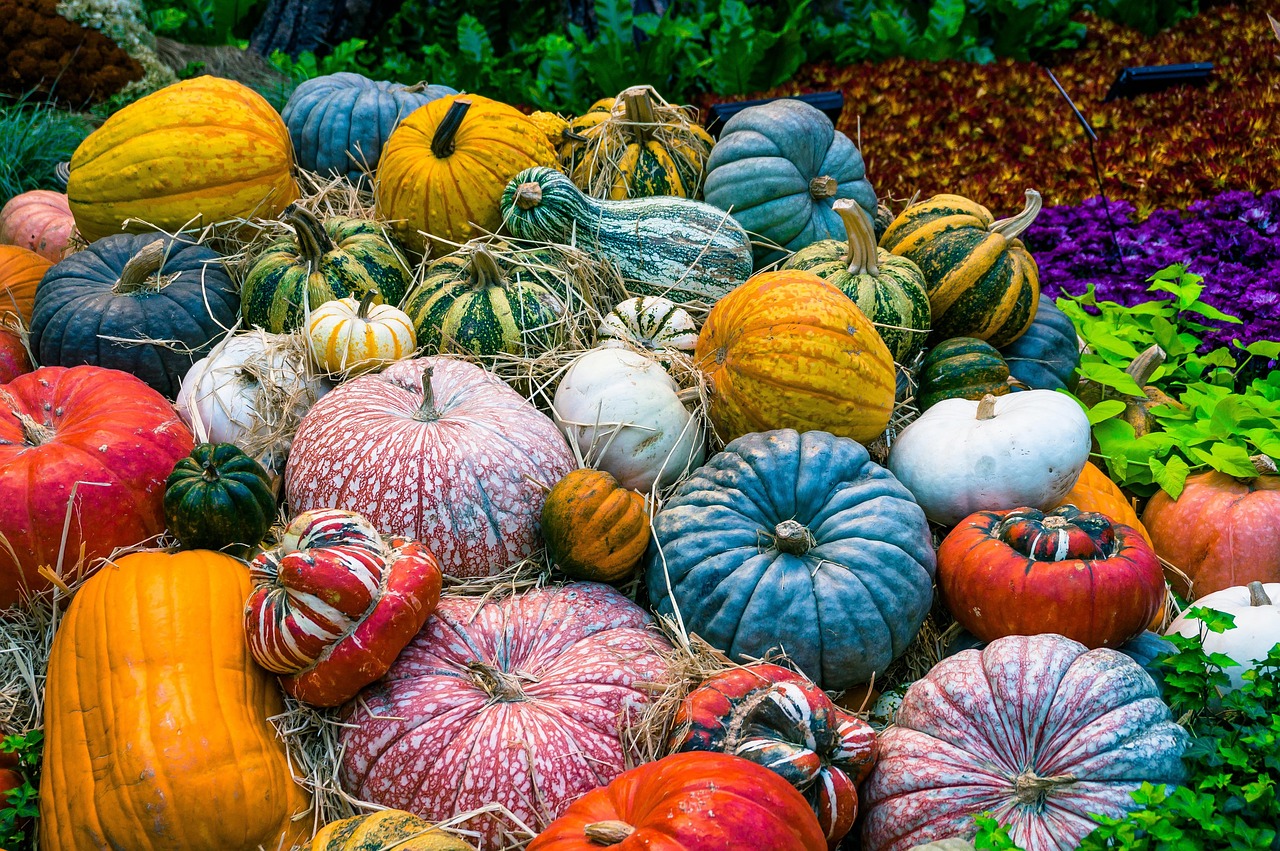
In the Byron hinterland, Harvest continues to be the heartbeat of the community, utilizing a 120-year-old wood-fired oven. Meanwhile, Frida’s Field offers the quintessential long-lunch experience—communal tables overlooking grazing cattle, celebrating the "whole beast" philosophy and regenerative farming.
Comparing the Experience: Sydney vs. Regional Dining
| Feature | Sydney Dining | Regional (Northern Rivers) |
|---|---|---|
| Vibe | High-octane, theatrical, time-limited | Relaxed, immersive, slow-paced |
| Price | Premium (High overheads/wine markups) | Accessible luxury to mid-range |
| Access to Produce | Via wholesalers and markets | Directly from the farm/neighbor |
| Booking | Often corporate/automated | Personal, often requires months of planning |
| Dress Code | Polished/City Chic | "Coastal Sophisticate" (Linen and bare feet) |
Planning Your 2026 Culinary Road Trip
The best way to experience this scene is with a car and a loose itinerary. The Northern Rivers Food (NRF) Trail now connects over 100 members, including small-batch distillers like Lord Byron Distillery and artisan cheesemakers.
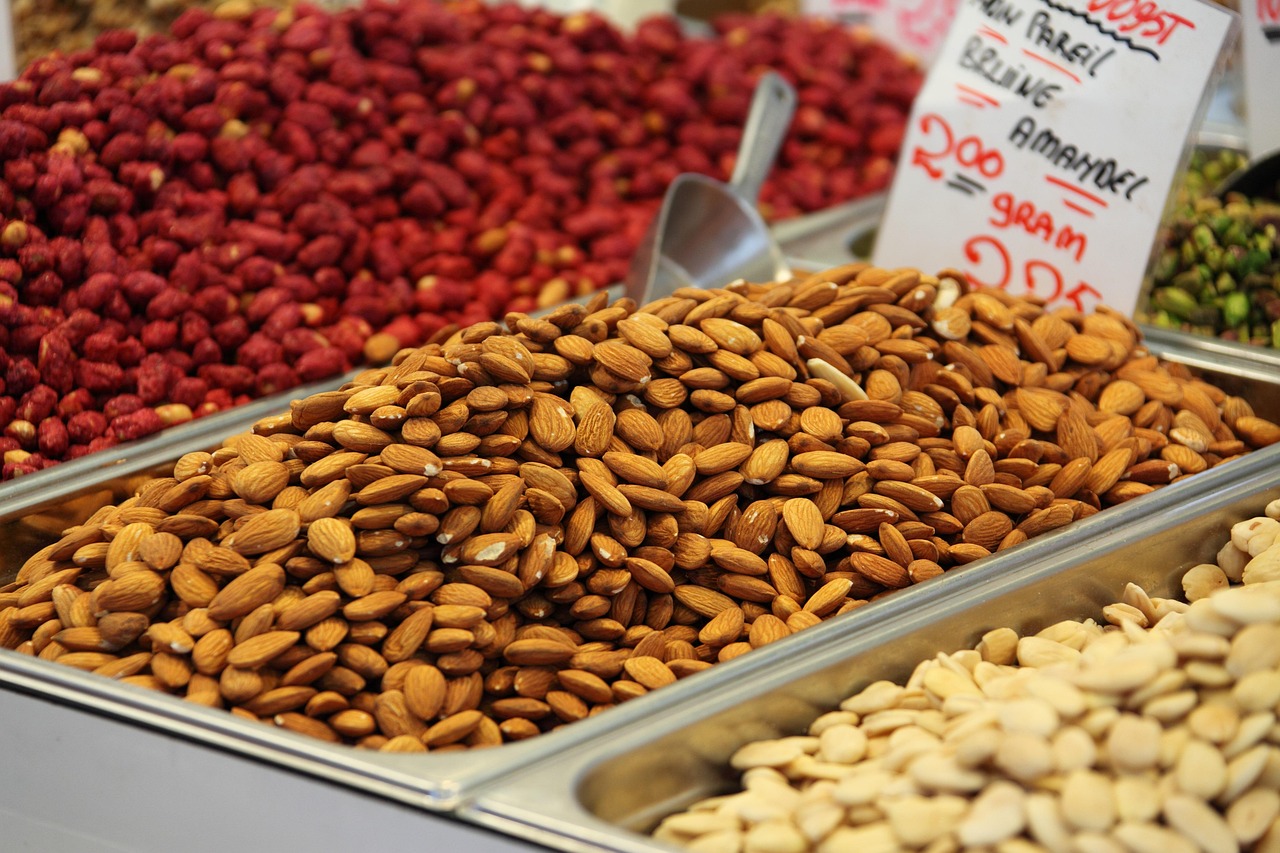
Don't skip the local farmers markets. The Mullumbimby Farmers Market (Fridays) and New Brighton (Tuesdays) are where the real research happens. You’ll see the region's top chefs filling their baskets alongside locals. It is here, among the stacks of organic kale, macadamias, and muddy ginger roots, that you truly feel the pulse of Australia’s best new food scene.
When planning your journey for 2026, remember that seasonality is king. Autumn brings the harvest festivals, while winter is the time for deep, wood-fired flavors and crisp hinterland mornings.
Explore the Northern Rivers Food Trail →
FAQ
What is the best time of year for a regional food tour in Australia? While the Northern Rivers is beautiful year-round, the "shoulder seasons" of Autumn (March-May) and Spring (September-November) offer the best balance of pleasant weather and abundant harvests. Summer can be humid and crowded with domestic tourists.
Are these regional fine-dining spots kid-friendly? Many regional spots like Harvest or Frida’s Field have ample outdoor space and a relaxed atmosphere that is more welcoming to families than city fine-dining. However, intimate spots like Fleet or Pipit are better suited for adults or older children with an adventurous palate.
How far in advance should I book restaurants like Fleet or Pipit? For "destination" restaurants, bookings usually open 1-3 months in advance and can disappear within minutes. We recommend setting a reminder and checking their booking platforms (like Resy or OpenTable) exactly when windows open.
Join the Journey
The landscape of Australian food is shifting under our feet, moving away from the concrete and toward the coast. Whether you’re a lifelong foodie or a casual traveler, these country towns offer a taste of a future that is sustainable, soulful, and deeply delicious.
Ready to taste the hinterland? Start planning your Northern Rivers escape today and discover why the most exciting table in Australia might just be in a town you’ve never heard of.