Quick Facts: Choosing Your Conservation Journey
| Feature | Ranthambore National Park | Pench National Park | Kanha National Park | Bandhavgarh National Park |
|---|---|---|---|---|
| Best For | Historic ruins & photography | Jungle Book atmosphere | Pristine meadows & biodiversity | Maximum sighting probability |
| Landscape | Dry deciduous & ancient forts | Teak forests & rocky outcrops | Sal forests & open grasslands | Hilly terrain & bamboo thickets |
| Conservation Focus | Human-wildlife buffer zones | Community guiding programs | Barasingha swamp deer recovery | Anti-poaching patrolling units |
| Best Time | Oct – June (Peak: Mar-May) | Oct – June (Peak: Apr-May) | Oct – June (Peak: Mar-May) | Oct – June (Peak: Apr-May) |
Introduction: The Primal Power of the Bengal Tiger
There is a moment in the Indian jungle that defies description. It is the moment the alarm call of a Sambar deer shatters the stillness, and the forest suddenly holds its breath. Your heart hammers against your ribs, your stomach lurches, and then, through the amber light of the dhok trees, a shadow moves. When a Bengal tiger emerges, its steely stare doesn't just meet your eyes—it pierces your soul. This is the primal power of India's apex predator, an encounter that remains one of the most profound experiences a traveler can have.
Today, India serves as the final great stronghold for this magnificent species. The country is home to approximately 75% of the world's wild tiger population, with over 4,000 tigers roaming across more than 50 protected reserves. But for the conscious traveler, a safari is more than just a quest for a photograph; it is a vital act of conservation. A truly responsible tiger safari in India ensures that tourism acts as a shield, not a stressor. By choosing ethical operators who commit up to 20% of their profits to habitat protection and local community development, we transform our presence into a sustainable lifeline for the species.
Why 2026 is the Year for Sustainable Wildlife Tourism
As we look toward 2026, the landscape of wildlife travel is shifting toward what experts call "single-animal focus" expeditions. Rather than rushing through five parks in ten days, travelers are opting for deeper, slower immersions into specific ecosystems. This shift allows for a nuanced understanding of tiger behavior and the complex ecological webs they support.
Furthermore, sustainable wildlife tourism in India has become more transparent. Your travel dollars are now directly weaponized against poaching and human-wildlife conflict. In the buffer zones surrounding parks like Pench and Kanha, lodges are increasingly staffed by local villagers who were once dependent on the forest for fuel or grazing. By providing them with high-quality employment, the "Tiger Economy" proves that a living tiger is worth infinitely more than a dead one.
Maya’s Sustainable Tip: Look for lodges that are members of TOFTigers (Travel Operators for Tigers) or carry B Corp certification. These affiliations guarantee that the property adheres to strict environmental and social impact standards, from waste management to fair wages.

The Ultimate 7-Day Responsible Itinerary: Ranthambore to Pench
To maximize your chances of a sighting while maintaining a low-impact footprint, a weeklong itinerary should focus on two distinct ecosystems. This allows you to experience the variety of India’s landscapes without the carbon heavy-lifting of daily flights.
Day 1-3: Ranthambore National Park – History Meets Habitat
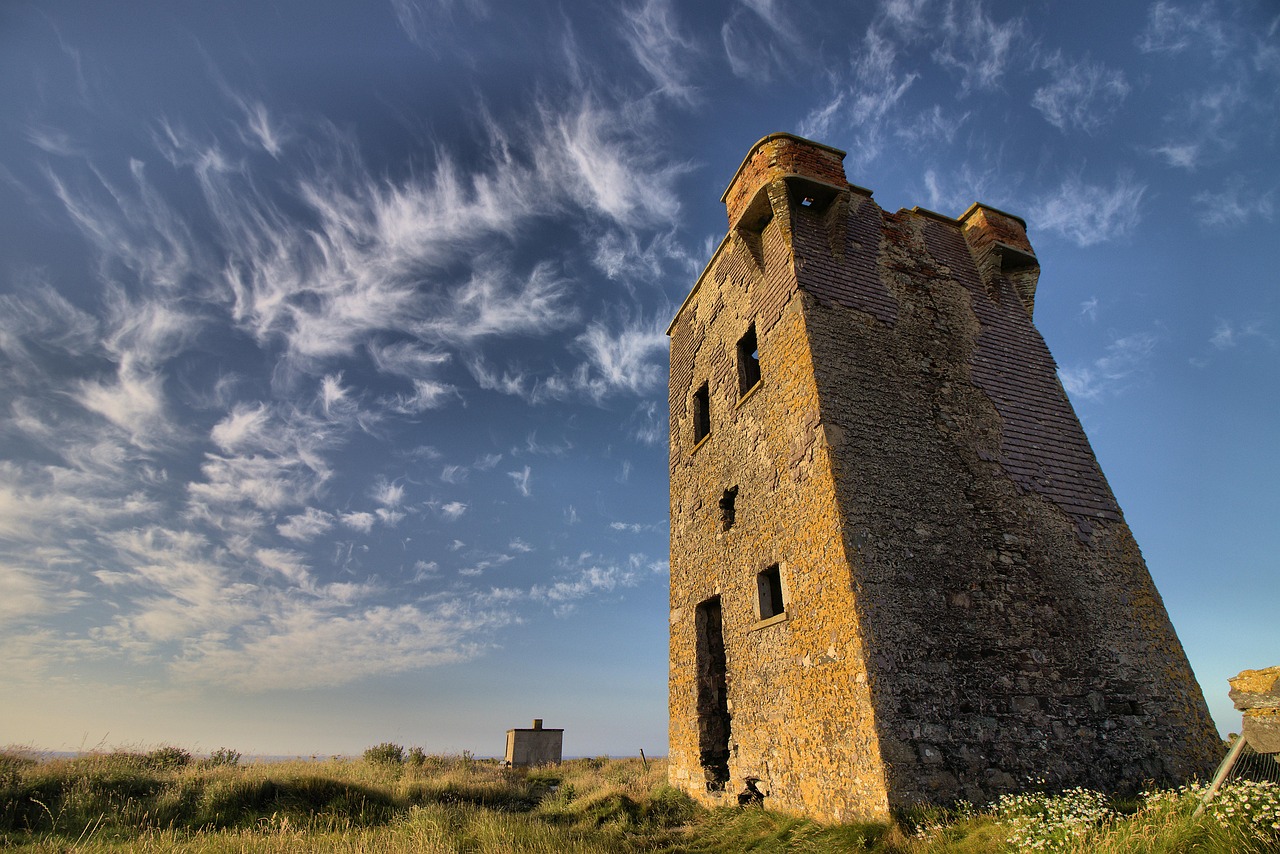
Located in the rugged Aravalli and Vindhya hill ranges of Rajasthan, Ranthambore is perhaps the world’s most photogenic tiger reserve. Here, the "Big Cats" roam among the ruins of a 10th-century fortress, creating a surreal juxtaposition of ancient human history and raw nature.
- The Strategy: To maximize your chances of spotting a Bengal tiger, we recommend planning at least four to fifteen game drives across different zones. Ranthambore is divided into ten zones; while zones 1-5 are the "classic" tiger haunts, the outer zones offer incredible birding and a more solitary experience.
- The Experience: Mornings begin in the cool, dusty air with a cup of hot masala chai before boarding your 4x4. As the sun rises over the Rajbagh Lake, keep your binoculars ready—not just for tigers, but for the elusive leopard or the sloth bear often seen foraging near the ruins.
Day 4: The Transition – Connecting Communities
Moving from the dry forests of Rajasthan to the teak-heavy jungles of Madhya Pradesh is a journey into the heart of India. This transition day is the perfect opportunity to engage with the "human side" of conservation.
We recommend stopping at a local craft cooperative or a Wildlife SOS center. Supporting local artisans who create tiger-themed textiles or pottery provides an economic alternative to forest exploitation. When local communities thrive through tourism, they become the tigers' fiercest protectors.

Day 5-7: Pench National Park – Into the Heart of the Jungle Book
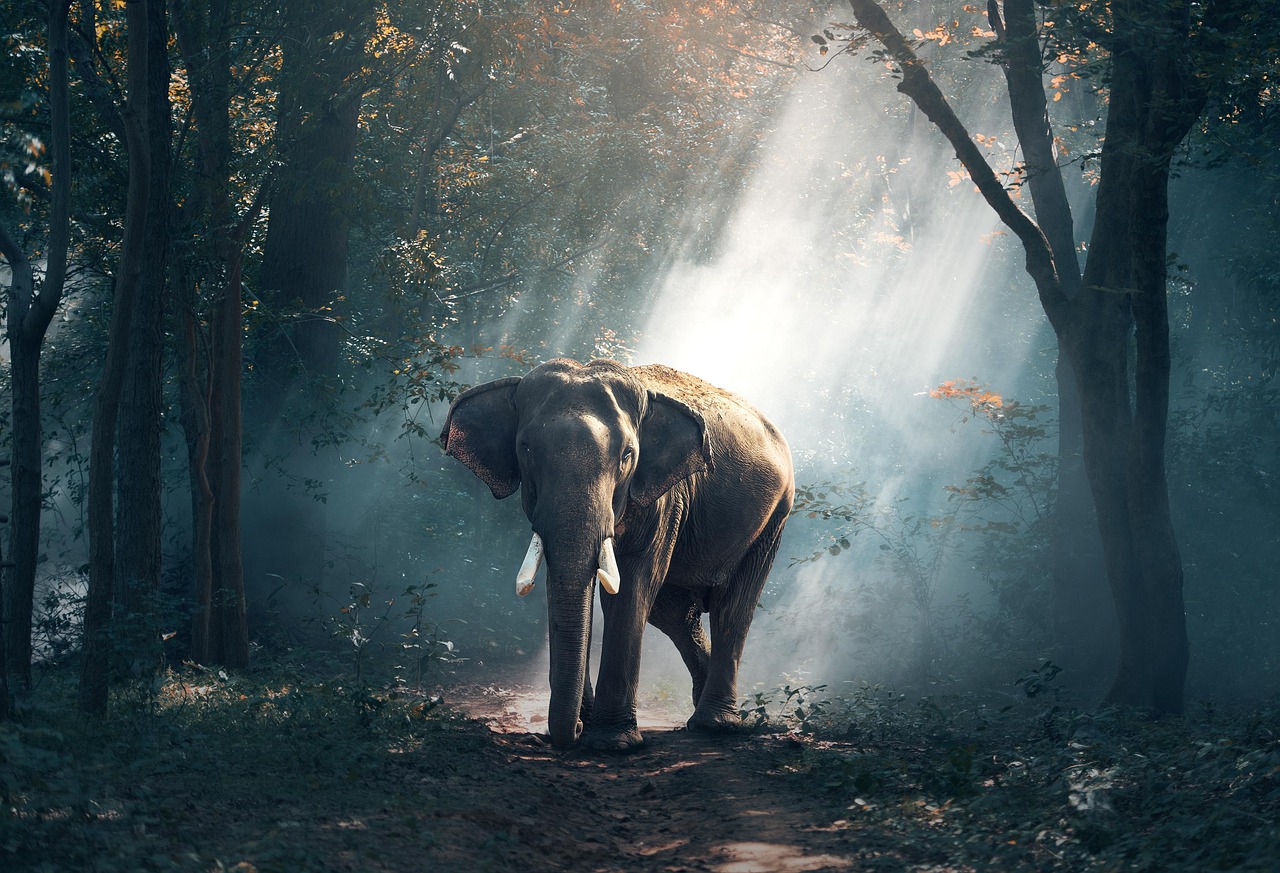
Pench National Park, straddling the border of Madhya Pradesh and Maharashtra, served as the inspiration for Rudyard Kipling’s The Jungle Book. The landscape here is softer, dominated by open canopies and the meandering Pench River.
- The Tracking: Unlike the high-density focus of Bandhavgarh or the wide-open meadows of Kanha, Pench requires a bit more patience and "jungle craft." Tracking here involves listening for the subtle rustle of teak leaves or the specific "pooking" sound of a frightened Chital deer.
- The Biodiversity: While the tiger is the star, Pench is a haven for the Indian wolf, the wild dog (Dhole), and over 210 species of birds. The mist-covered forests in the early morning create a mystical atmosphere that feels entirely untouched by the modern world.
Choosing Ethical Operators and Lodges
The most critical decision for a conscious traveler is where they lay their head. The best eco-lodges in India are those that blend luxury with a "leave-no-trace" philosophy.
- What to Look For:
- Community Guiding: Are the naturalists from the local village? Local guides possess an ancestral knowledge of the land that no textbook can replicate.
- Zero-Waste Policies: Look for properties that have eliminated single-use plastics and utilize solar power.
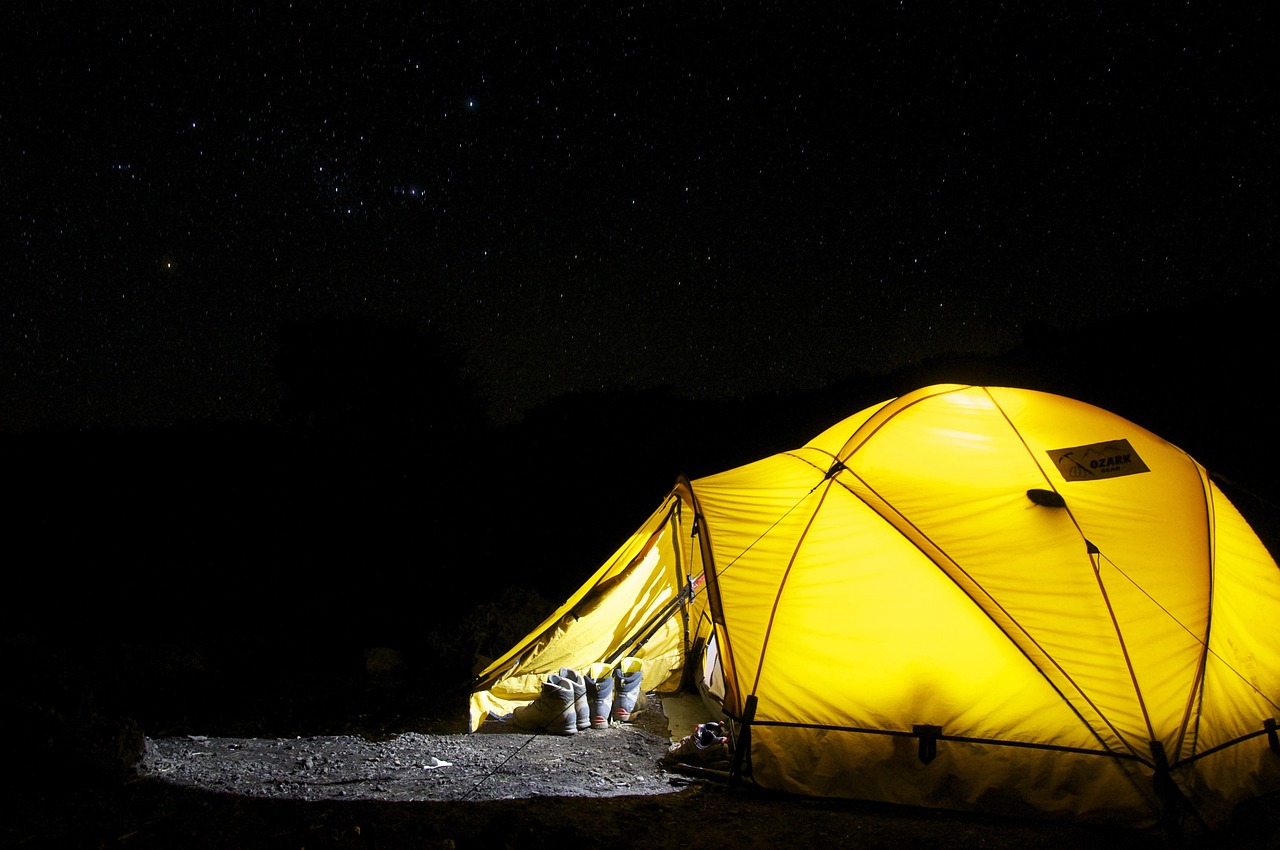
- Buffer Zone Investment: Some lodges, like the Jamtara Wilderness Camp, offer "sky beds" where you sleep under the stars in the buffer zone. A portion of the nightly fee goes directly to the local farmer whose land you are occupying, preventing them from needing to clear the forest for crops.
Find TOFTigers Certified Lodges →
Practical Logistics for a Conscious Traveler
Best Time to Visit (2026)
The parks are typically open from October to June. However, weather fluctuates wildly:
- Winter (Nov-Feb): Mornings can be a freezing 0°C. You will need heavy layers.
- Summer (Mar-June): Temperatures soar to 45°C. This is the best time for sightings, as tigers frequent the remaining water holes, but the heat is intense.
The Conscious Packing List
- Earth-Toned Clothing: Avoid whites and bright colors (especially red). Stick to olives, tans, and greys to blend into the brush.
- High-Quality Optics: A good pair of 8x42 binoculars is essential. It allows you to observe behavior from a respectful distance without needing the vehicle to move closer.
- Reusable Water Bottle: Most ethical lodges provide filtered water; avoid buying plastic bottles at the park gates.
Safari Etiquette
Respecting the rules of the road is non-negotiable. Ensure your driver maintains a respectful distance and never encourages the "chasing" of an animal. If a tiger is crossing the road, the engine should be turned off to minimize noise pollution.

Conclusion: The Thrill of the Unseen
In the end, a responsible tiger safari is as much about the moments you don't see the cat as the moments you do. It is about the smell of the rain on dry earth, the sight of a crested serpent eagle circling above, and the knowledge that your presence is helping to preserve this wilderness for another century.
The spiritual reward of knowing the tiger is out there—somewhere in the tall grass, breathing, hunting, and raising its cubs—is the ultimate takeaway. By traveling consciously, you aren't just a spectator; you are a partner in one of the world's greatest conservation success stories.
Frequently Asked Questions (FAQ)
Q: Is it guaranteed that I will see a tiger on a 7-day safari? A: While nothing is "guaranteed" in the wild, booking 10-15 game drives across different zones significantly increases your probability. Most travelers on a weeklong trip with an expert guide will have at least two to three high-quality sightings.
Q: Why is tourism considered good for tiger conservation? A: Ethical tourism provides a steady stream of "eyes on the forest," which deters poachers. More importantly, it provides economic incentives for local communities to protect tigers rather than seeing them as a threat to their livestock.
Q: What should I do if I see an operator breaking park rules? A: Do not stay silent. Report the vehicle number and the lodge to the Park Warden or through the TOFTigers feedback portal. Your voice as a traveler is a powerful tool for maintaining standards.
Ready to Plan Your Impactful Journey?
The jungles of India are calling. If you are ready to witness the majesty of the Bengal tiger while supporting the communities that protect them, now is the time to start your planning.