Quick Facts
- The Golden Window: The absolute best time to eat in Rome without the suffocating crowds is the 'off-season,' specifically from December through February. While the city is a perennial muse, winter allows the authentic Roman spirit to breathe.
- The Carbonara Commandment: For the definitive Roman carbonara, locals gravitate toward Roscioli Salumeria con Cucina or Danilo’s in Esquilino.
- Dining Insider Tip: At Danilo’s, timing is everything. Arrive early to secure a seat on the vibrant street level; later arrivals are often ushered into the cozy, atmospheric basement.
- Budget Brilliance: Authentic Roman food needn't break the bank. You can find handmade pasta for €5 at Pastificio Guerra or a legendary Trapizzino for €5 in Trastevere.
- 2026 Climate & Costs: Expect temperate winters with January lows rarely dipping below 15°C. Budget €70-120 per person for high-quality, 2026-era food tours that include roughly 6–8 full-course tastings.
Introduction: The Magic of Rome Without the Crowds
There is a specific kind of light that hits Rome in the winter—a honeyed, low-slung amber that softens the edges of the travertine columns and makes the cobblestones of Trastevere glow like polished gems. This is the Rome that locals like Francesco Panella, the restaurateur behind the legendary Antica Pesa, cherish most. While the world descends upon the Eternal City in July, braving heatwaves that frequently exceed 35°C, the seasoned traveler knows that the true Roman soul is found in the "off-season."
Between December and February, the city sheds its tourist armor. The frantic queues for the Vatican melt away, and the piazzas reclaim their role as communal living rooms. According to 2026 climate data, the Roman winter remains remarkably gentle; January lows rarely drop below 15°C, making it the perfect weather for long, meandering walks between trattorias. In this season, you aren't just a visitor; you are a participant in the daily theater of Roman life.
The Restaurateur’s Map: Neighborhood Gems
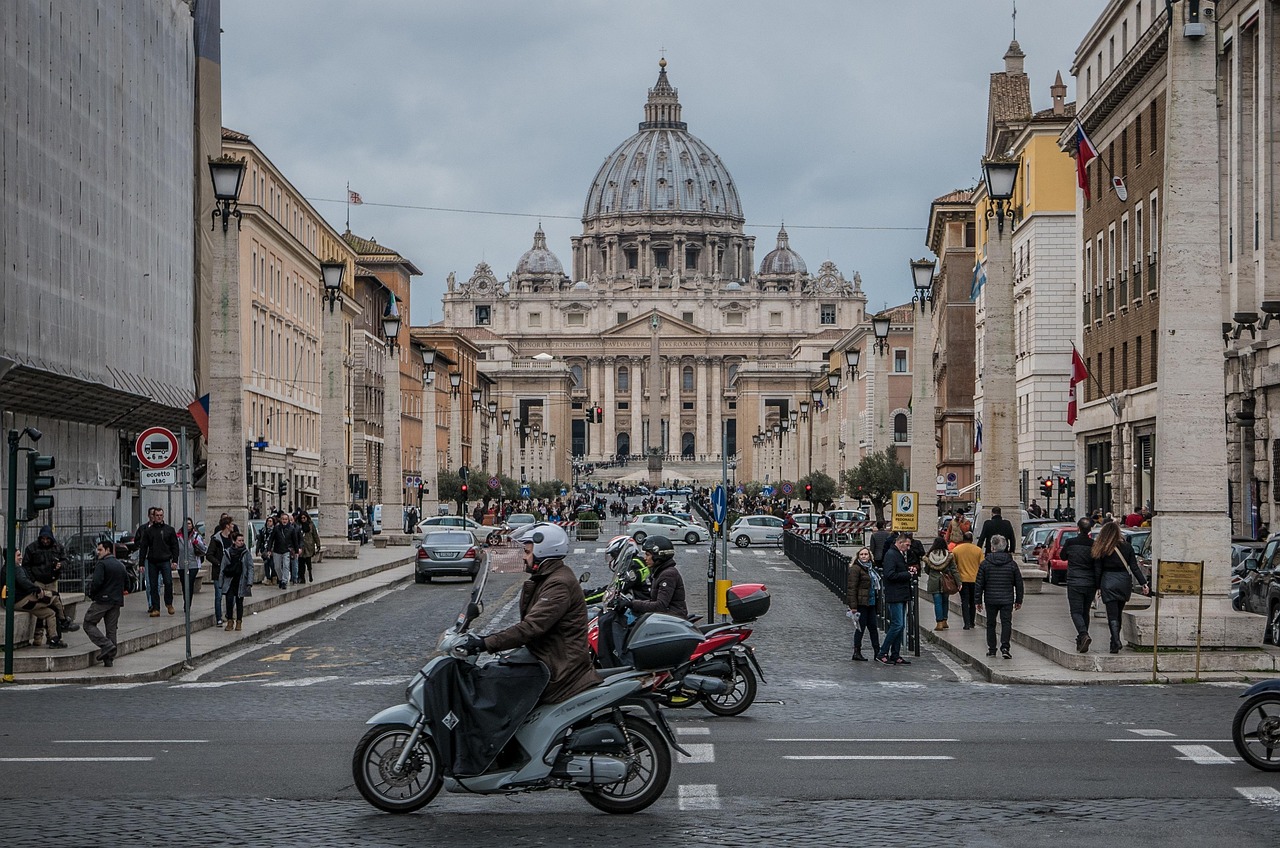
To eat like a local in 2026 is to look beyond the shadow of the Colosseum. Francesco Panella often speaks of the "livability" of Rome in the winter, and that livability is best experienced in the neighborhood osterias where the owner still remembers your name—or at least your order.
Trastevere & Piazza Farnese
While Trastevere is often dismissed as "too touristy," the off-season reveals its secret heart. Tucked away from the main thoroughfares is Cesare al Pellegrino. This intimate 25-seater is a masterclass in Roman restraint. Here, the fritti are ethereal—golden-fried morsels of baccalà and suppli that provide a crunch loud enough to startle a pigeon in the nearby piazza.
Esquilino & Cinecittà: The Suburban Rebirth
2026 has seen a significant shift in Rome’s culinary geography, with the suburbs of Esquilino and even the areas near Cinecittà becoming hotbeds for gastronomic innovation. Danilo’s in Esquilino remains a cornerstone of this movement. It’s a place of ritual and specific rules. If you arrive early, you’ll dine at street level, immersed in the hum of the neighborhood. If you arrive late, you’ll descend into the basement—a subterranean sanctuary where the scent of aging Pecorino and cured guanciale hangs heavy and intoxicating in the air.
The Jewish Ghetto: A Winter Ritual
You cannot speak of winter dining in Rome without mentioning the Jewish Ghetto. This is the season of the artichoke. At Sora Lella, located on the Tiber Island, the Carciofi alla Giudia (Jewish-style artichokes) are a seasonal necessity. Deep-fried until the leaves turn into bronze crisps that shatter like glass, they are a testament to Rome's ability to turn a humble vegetable into a culinary icon.
The Carbonara Quest: 2026’s Top Spots
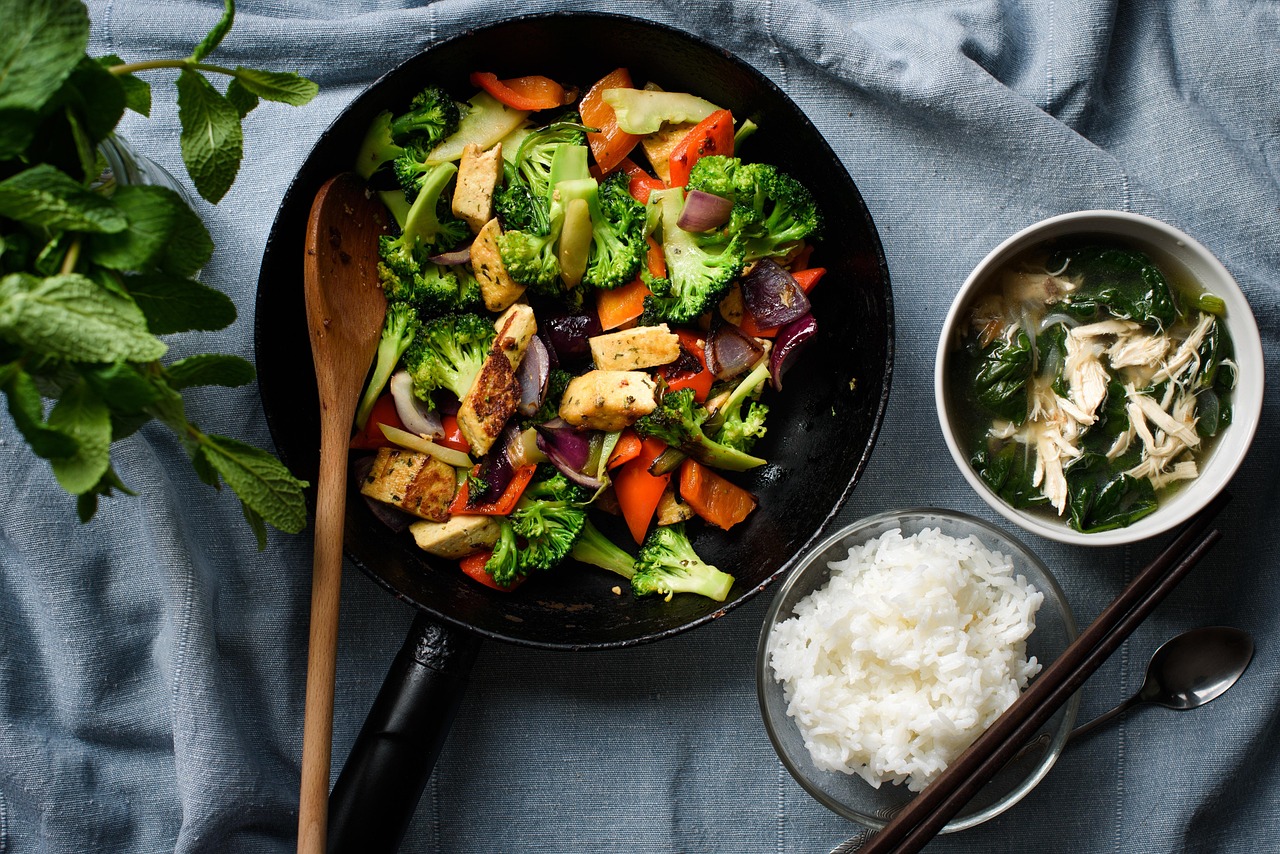
In Rome, Carbonara is not just a dish; it is a debate, a philosophy, and a point of pride. In 2026, the standard for this egg-and-cheese masterpiece has never been higher, as chefs lean into high-quality provenance over modern gimmicks.
Roscioli Salumeria con Cucina
For many, Roscioli is the Alpha and Omega of Carbonara. This isn't just a restaurant; it’s a deli, a wine cellar, and a temple to ingredients. Their Carbonara is famously "yellow"—a result of using eggs so rich they border on orange. The guanciale is rendered until it is chewy yet crisp, and the dusting of black pepper is assertive. It is a decadent, unapologetic bowl of pasta that demands a glass of structured white wine from the nearby Castelli Romani.
Danilo’s: Countryside Authenticity
While Roscioli offers a polished, high-octane experience, Danilo’s focuses on the raw soul of the Roman countryside. Their ingredients are sourced from small-scale producers who have worked the land for generations. The result is a Carbonara that feels ancient, comforting, and deeply rooted in the soil of Lazio.
Zia: The Fine Dining Evolution
For those seeking a contemporary perspective, Antonio Ziantoni’s Zia in Trastevere—a 2026 Gambero Rosso 'Tre Forchette' winner—offers a refined take on Roman classics. It is Roman food seen through a French lens: precise, elegant, but never losing its "Italian-ness." It represents the sophisticated future of the city's food scene.
Eating on a Budget: Rome for €5 - €10
The beauty of Rome is that the most satisfying meals are often the cheapest. In 2026, despite global inflation, the "people's food" of Rome remains remarkably accessible if you know where to turn the corner.
- Pastificio Guerra (Spanish Steps): Standing in the shadow of the Spanish Steps, this tiny shop has been a savior for budget-conscious locals and travelers alike. For just €5, you get a steaming plastic container of fresh, homemade pasta (usually two daily options) and a small cup of water or wine. It is the ultimate Roman "fast food."
- Trapizzino (Trastevere & Testaccio): The Trapizzino is a modern legend. Invented by Stefano Callegari, it is a triangular pocket of pizza bianca stuffed with classic Roman stews like coda alla vaccinara (oxtail) or pollo alla cacciatora. At €5 per pocket, it’s a hearty, messy, and glorious meal-on-the-go.
- Pizza Florida (Largo Argentina): Located near the famous cat sanctuary, this is the place for pizza al taglio (pizza by the slice/cut). Sold by weight, you can sample three or four different toppings for under €10.
Roman Dining Comparison: Street Food vs. Fine Dining
| Venue | Style | Average Price (2026) | Must-Order Dish |
|---|---|---|---|
| Pastificio Guerra | Street Food / Takeout | €5 | Daily Pasta Special |
| Trapizzino | Gourmet Street Food | €5 - €7 | Coda alla Vaccinara |
| Danilo’s | Traditional Osteria | €25 - €40 | Carbonara / Amatriciana |
| Roscioli | High-End Bistro | €45 - €70 | Spaghettoni alla Carbonara |
| Zia | Fine Dining | €90 - €150 | Tasting Menu |
Morning to Midnight: The Roman Daily Rhythm
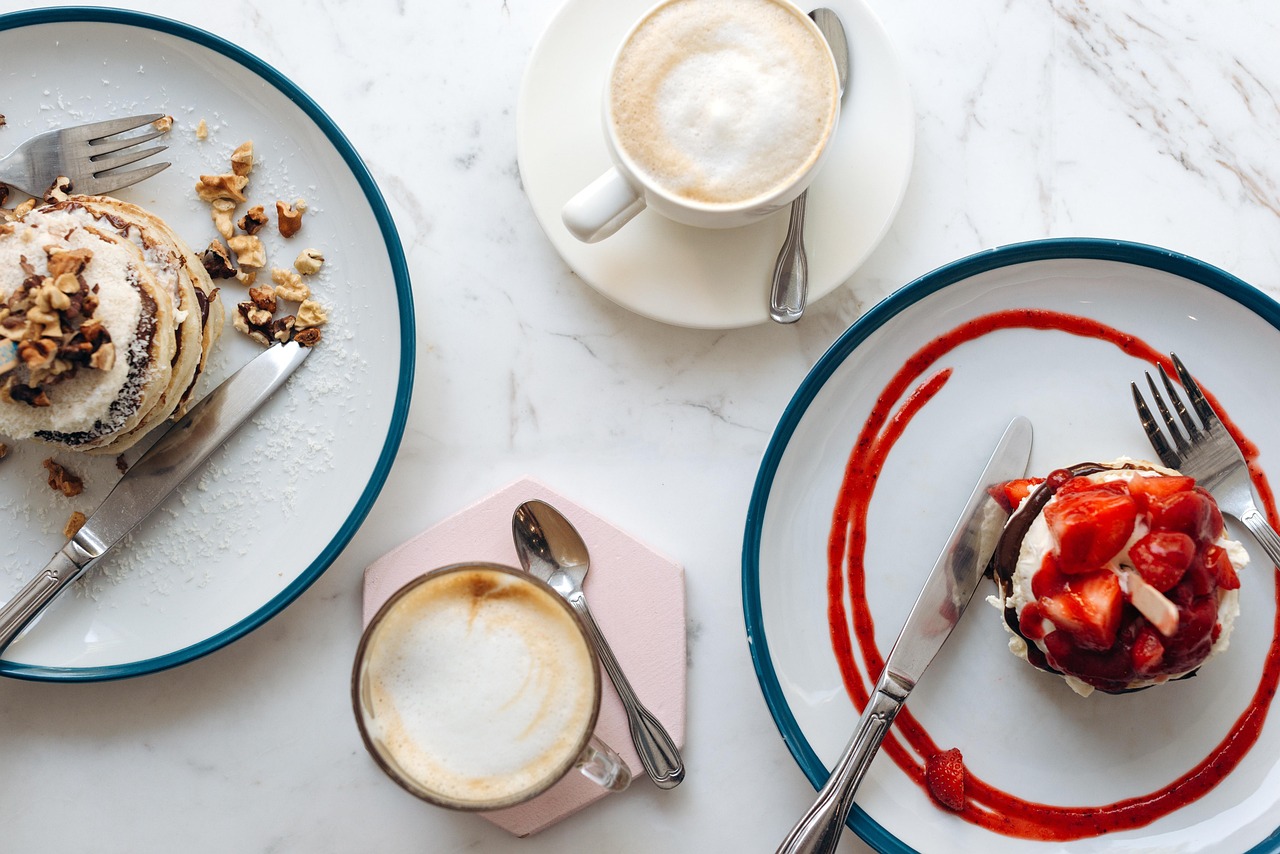
To eat like a Roman is to follow the sun. It begins with the Maritozzo. This sweet, brioche-like bun split down the middle and overflowing with whipped cream is the breakfast of champions. Head to Piazza Santa Maria in Trastevere, find a sun-drenched table, and pair it with a cappuccino.
Local Pro-Tip: In Rome, coffee has two prices. If you drink your espresso standing at the bar (al banco), it’s usually around €1.20. If you sit at a table (al tavolo), the price can triple or quadruple. For a quick caffeine hit, do as the Romans do: stand, sip, and go.
For a mid-afternoon pick-me-up, visit Caffè Tazza d'Oro near the Pantheon for their famous coffee granita. As night falls, the ritual shifts to gelato, even in winter. Frigidarium offers a decadent chocolate-dipped shell that hardens over your choice of flavors, while Two Sizes near Piazza Navona serves what many consider the best, cream-laden tiramisu in the city.
Planning Your 2026 Culinary Exploration
The Rome of 2026 is more organized than its chaotic past might suggest. If you are planning a deep dive into the food scene, specialized food tours have become the gold standard for navigating the city. These tours now average €70-120 per person, but they are worth the investment; most include 6-8 authentic tastings that equate to a very large, multi-course meal.
Booking & Etiquette
For the "Tre Forchette" (Three Forks) award-winning spots like Il Pagliaccio or Zia, you’ll need to secure your table 2-3 months in advance. Rome’s fine dining scene is experiencing a modern rebirth, and these seats are the most coveted in Italy.
When your bill arrives, you will notice a charge called the 'Coperto'. This is a fixed service fee (usually €2-€4) that covers the bread, the tablecloth, and the "cover." While tipping is not mandatory in Italy, leaving a few euros or rounding up the bill is a appreciated gesture for exceptional service.
FAQ: Navigating Rome’s Food Scene
Q: Is Rome really cheaper in the off-season? A: While food prices at restaurants remain consistent year-round, your overall travel costs (flights and accommodation) are significantly lower. More importantly, the "cost" of your time is lower because you aren't waiting in long lines for tables.
Q: Are all restaurants open in January and February? A: Most neighborhood spots are open, though some family-run trattorias take a brief "settimana bianca" (ski week) in late January. It is always best to check their Instagram or Google Maps profile for updated 2026 hours.
Q: Can I find vegetarian options in Rome? A: Absolutely. While Rome loves its pork (guanciale), dishes like Carciofi alla Giudia, Cacio e Pepe, and Pasta alla Norma are vegetarian staples that are as authentic as any meat dish.
Conclusion
Rome in the off-season is a gift to the senses. It is a time when you can hear the splash of the Trevi Fountain rather than the roar of the crowd, and where a plate of Carbonara feels like a warm embrace against the crisp winter air. Whether you are standing at the bar at Pastificio Guerra or descending into the cellar at Danilo's, the city's flavors are more vibrant when they don't have to compete for your attention.
Pack a warm coat, bring an open heart, and prepare to fall in love with the Eternal City all over again.