Quick Facts
- Luggage Restrictions: Strictly 15 kg (33 lbs) in soft-sided bags, plus 5 kg (11 lbs) for hand luggage.
- Optimal Palette: Muted neutrals—khaki, olive, sand, and stone—to blend with the Kalahari and deter insects.
- Climate Reality: Desert extremes; expect temperatures to plummet to freezing at night (May–August) and soar during the day.
- Legal Note: Camouflage patterns are strictly prohibited in Botswana and can lead to complications with local authorities.
- Connectivity: An intentional digital detox; expect no Wi-Fi or in-tent electricity, with charging stations only in the central pavilion.
The Romance of the Makgadikgadi
To arrive at Jack’s Camp is to step into a living museum, an anachronistic dreamscape set against the hauntingly beautiful backdrop of the Makgadikgadi Salt Pans. This is not the lush, water-logged labyrinth of the Okavango Delta. Here, in a 6,200-square-mile expanse of prehistoric crust, the luxury is found in the profound silence and the "cabinet of curiosities" aesthetic established by the legendary Jack Bousfield.
Packing for such a destination requires a delicate balance: one must be prepared for the savage beauty of a desert that swings from shimmering heat to bone-chilling frost, all while adhering to the rigid constraints of bush plane travel. The vibe is decidedly "old-world safari glamour"—think 1940s exploration met with contemporary refinement. Every item in your duffel must earn its place, serving both a functional purpose in the bush and a stylistic one under the scalloped edges of the iconic Persian-tented mess.
The Golden Rule: Luggage Constraints and Bush Plane Logistics
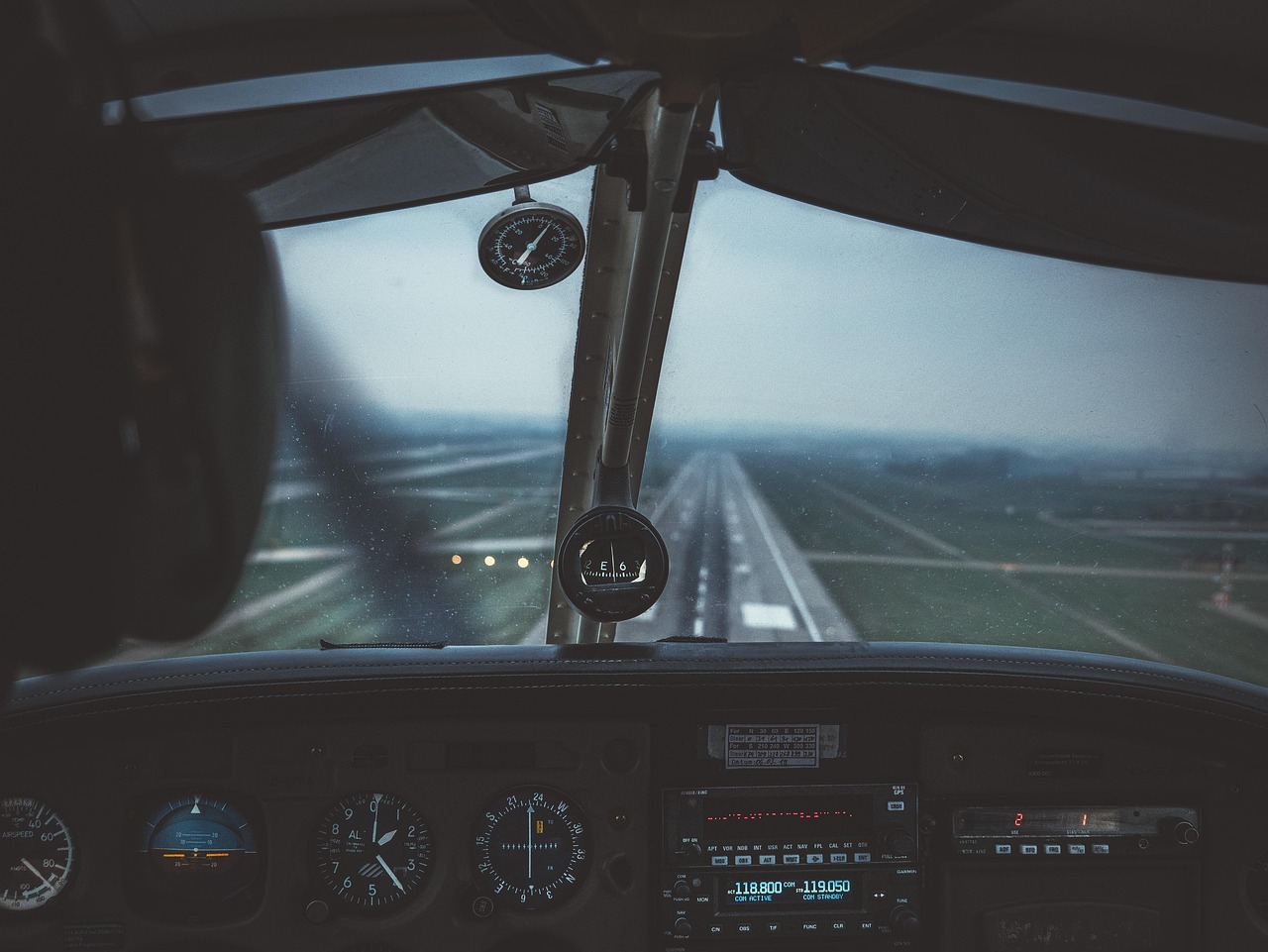
The journey to the Kalahari begins long before you touch down on the dusty airstrip. It begins with the discipline of the edit. Because access to Jack’s Camp involves light aircraft charters, the weight limits are non-negotiable.
You are permitted a maximum of 15 kg (33 lbs) for your main luggage and 5 kg (11 lbs) for your carry-on. More importantly, these must be soft-sided duffel bags without wheels or rigid frames. The small cargo pods of a Cessna Grand Caravan cannot accommodate the hard-shell Rimowas that usually accompany a luxury traveler.
Pro Tip: Look for a high-quality 60L canvas or leather duffel. These materials are durable enough to withstand the fine Kalahari dust yet flexible enough to be manipulated into the aircraft’s hold.
The Safari Palette: What to Wear in the Desert
In the Makgadikgadi, color is more than a stylistic choice; it is a matter of comfort and conservation. The goal is to disappear into the landscape—a sea of desiccated grasses and white salt.
Neutral tones like khaki, olive green, oatmeal, and tobacco are your best allies. These shades don’t just help you blend in during a walk with the San Bushmen; they are also less attractive to the Tsetse flies that are often drawn to dark blues and blacks. Bright whites should be avoided as they catch the eye of wildlife too easily, and bright colors can be distracting in the serenity of the bush.
Perhaps most importantly, leave any camouflage-print items at home. In many African nations, including Botswana, camouflage is reserved for the military, and wearing it as a civilian can result in unwanted questioning or confiscation.

Clothing Essentials: From Game Drives to the Pool Pavilion
The Kalahari is a land of extremes. During the dry winter season (May to August), the early morning game drives are deceptively cold. You will start the day wrapped in blankets and finish it in a light linen shirt.
The Art of Layering
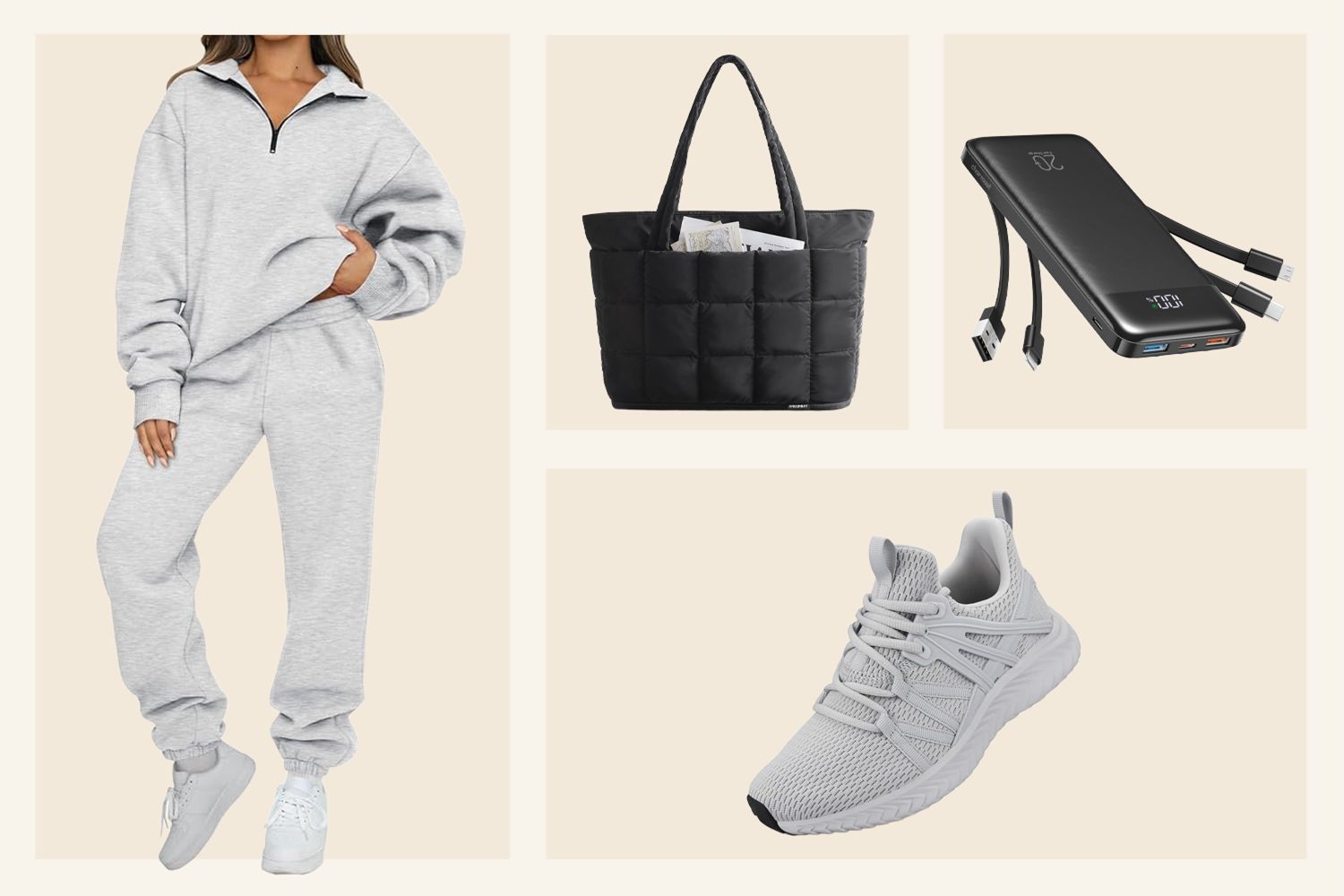
Your wardrobe should function like a Russian nesting doll. Start with a moisture-wicking base, add a mid-weight fleece or wool sweater, and top it with a high-quality quilted jacket. These jackets are essential for those pre-dawn departures when the desert air is sharp enough to bite. As the sun rises, you can peel back the layers, transitioning into breathable cotton or linen.
Camp Elegance
While Jack’s Camp is deeply adventurous, dinner is a sophisticated affair. You needn’t pack an evening gown, but a crisp linen button-down paired with tailored trousers or a safari-style shirtdress feels appropriate for the candlelit long table. For the afternoons, a scalloped swimsuit is a must for a dip in the legendary pool tent—the only one of its kind in Africa.
| Item | Purpose | Editor's Note |
|---|---|---|
| Quilted Jacket | Morning Game Drives | Choose a packable version to save space. |
| Linen Shirts | Mid-day Heat | Breathable and dries quickly after hand-washing. |
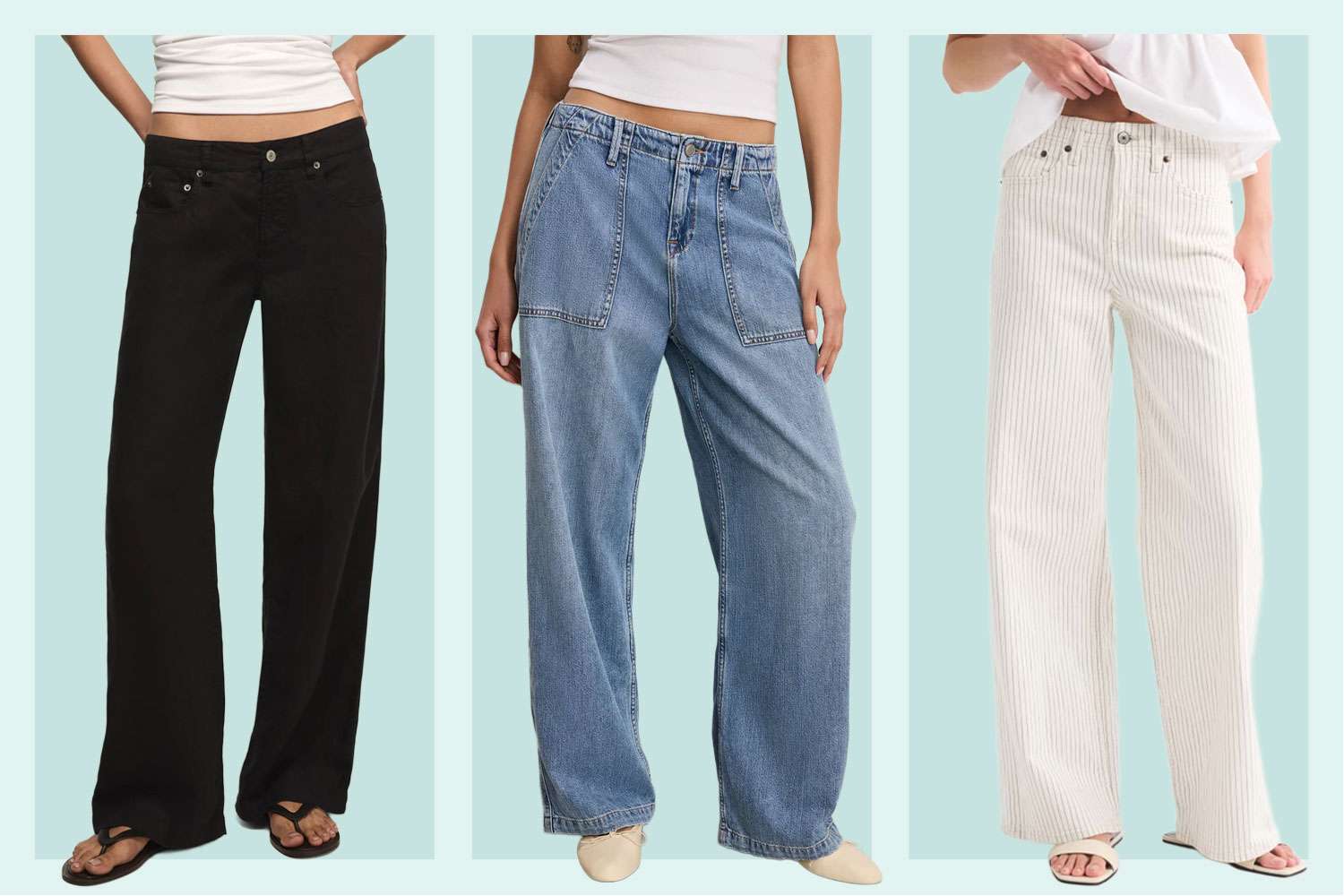
| Convertible Pants | Versatility | Ideal for transitioning from bush walks to quad biking. |
| Swimwear | Pool Pavilion | The pool tent is the ultimate afternoon sanctuary. |
Accessories for the Adventurer
In a landscape as vast as the Makgadikgadi, the right accessories are your primary defense against the elements. The sun here is unyielding, reflecting off the white salt pans with a brilliance that can be overwhelming.
A wide-brimmed hat with a chin strap is essential—not only for sun protection but to ensure it stays on your head during high-speed quad bike excursions across the pans. Alongside this, a multi-functional scarf or "buff" is invaluable. When the wind picks up or you’re racing toward Kubu Island, the fine dust can be intrusive; a scarf pulled over the nose and mouth provides necessary relief.
For footwear, leave the heavy hiking boots behind unless you prefer them. A pair of high-quality, lightweight trekking shoes or "Chelsea" boots are sufficient for the sandy terrain. At the camp, a pair of leather sandals or loafers will serve you well for navigating the raised wooden walkways.
Tech and Photography Gear
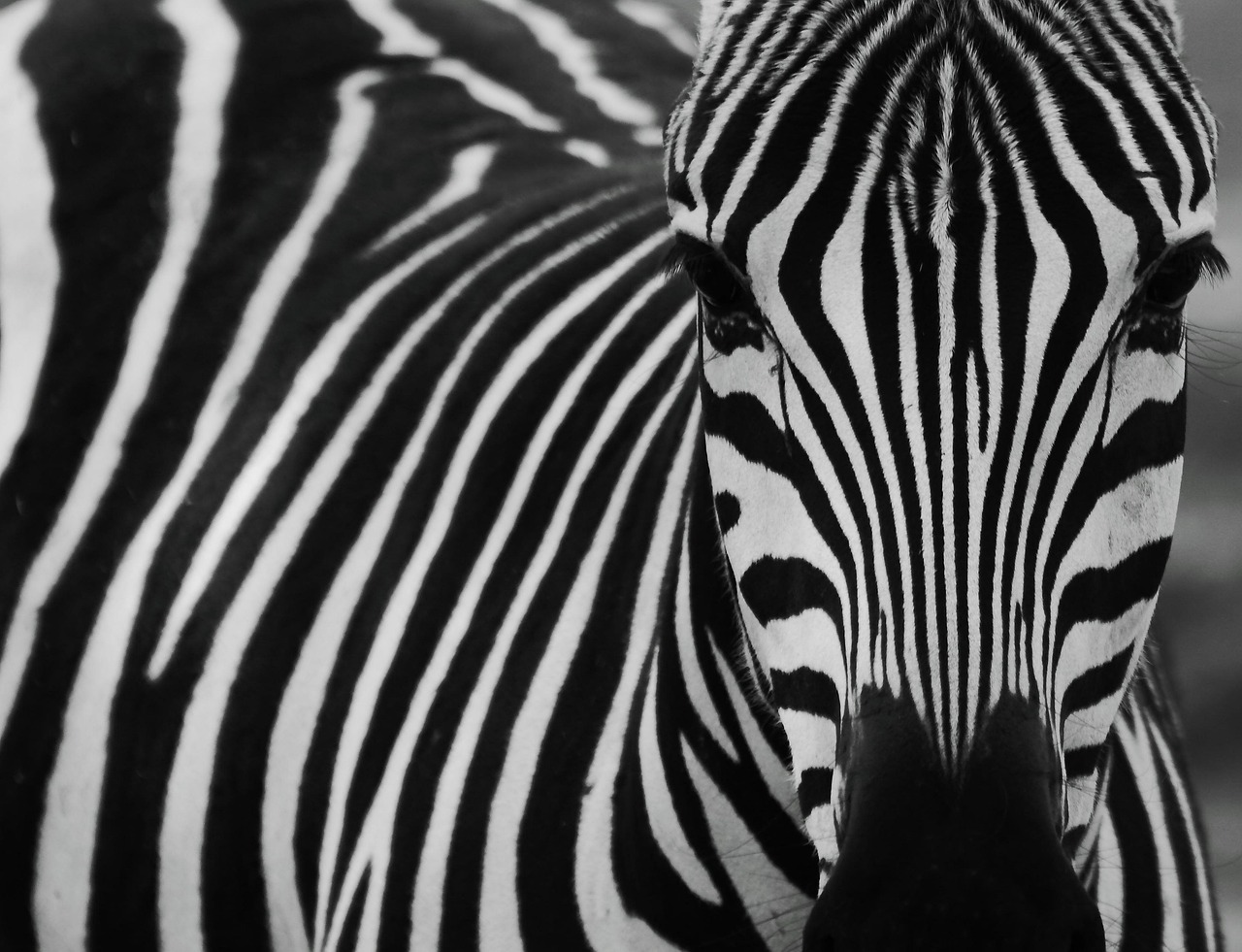
The Makgadikgadi offers photographic opportunities unlike anywhere else on earth. Whether you are capturing the soulful eyes of a meerkat or the epic scale of Southern Africa’s last great zebra and wildebeest migration (which peaks between December and April), your gear needs to be ready for the challenge.
Capturing the Scale
A DSLR or mirrorless camera with a versatile zoom lens (100-400mm) is ideal for wildlife, while a wide-angle lens is necessary to capture the haunting horizons of the salt pans. Remember that Jack’s Camp is an off-grid experience. There are no power outlets in the guest tents. All charging happens in the central library tent, so bring spare batteries and a high-capacity power bank.
Optics and Observation
While the camp provides high-quality binoculars, having your own pair of 8x42 or 10x42 optics allows for intimate views of the rare Brown Hyena or the ancient stone tools that litter the pans—some dating back 500,000 years.
Health and Toiletries: Desert Protection
The desert air is exceptionally dry, which can take a toll on your skin and respiratory system. My toiletry bag always contains a few specialized items for the Kalahari:
- Hydration is Key: Not just drinking water, but high-quality lip balm, heavy-duty moisturizer, and saline eye drops to clear out the dust.
- Sun Defense: A high-SPF, broad-spectrum sunscreen is non-negotiable.
- Contact Lens Users: Consider switching to glasses for your stay. The fine, alkaline dust of the pans can be incredibly irritating to contact lens wearers.
If you must bring prescription medications, ensure they are in your carry-on luggage. While Jack’s Camp is in a low-risk malaria area, it is always wise to consult your travel clinic regarding prophylaxis before your departure.
Conclusion: Packing the Spirit of Adventure
In the end, the most important thing to pack for Jack’s Camp isn't something you can buy. It is a sense of wonder and a willingness to disconnect. You are heading to a place where time feels suspended, where you can stand on a prehistoric lake bed and feel the weight of half a million years of history.
Pack light, choose quality over quantity, and prepare yourself for an experience that is as much about the internal journey as the external landscape. The Makgadikgadi does not just show you its beauty; it demands that you feel it.
FAQ
Q: Can I bring a drone to Jack's Camp?
A: No. The use of drones is strictly prohibited in Botswana's national parks and private concessions to protect the peace of the wildlife and the privacy of other guests.
Q: Is there laundry service at the camp?
A: Yes, Jack’s Camp offers a daily laundry service, which is included in your stay. This is why you can afford to pack light. However, please note that for cultural reasons, most camps do not wash undergarments; they usually provide a small amount of detergent in your tent for hand-washing these items.
Q: What is the best time of year to visit the Makgadikgadi?
A: It depends on your interest. The dry season (May–October) is best for quad biking and seeing the salt pans in their stark, white glory. The "green" season (December–April) is when the zebra and wildebeest migration arrives, transforming the pans into a lush grazing ground.