Quick Facts
- Top Trending Markets: Japan, South Korea, and Thailand remain the regional anchors, while China and Türkiye are projected as the fastest-growing international destinations for 2026.
- The Demographic Pivot: Millennials and Gen Z will drive the market, accounting for approximately 50% of all travel booking volume in Asia.
- Cultural Milestones: 2026 marks the opening of the Guggenheim Abu Dhabi and the WestK Performing Arts Centre in Hong Kong, signaling a massive shift toward "Museum-Led Tourism."
- Traveler Behavior: Travelers from Singapore, Malaysia, and Indonesia have become the world’s most frequent fliers, averaging three or more outbound flights annually.
The 2026 Asian Travel Landscape: At a Glance
As we look toward 2026, the Asian travel sector has transitioned from a period of recovery into one of profound structural evolution. The narrative is no longer about "returning" to pre-pandemic levels; it is about a total redefinition of what a high-value travel experience entails. The region is witnessing a strategic pivot where traditional hubs like Tokyo and Bangkok are expanding their influence into secondary cities, and cultural investments—specifically in the Middle East and Greater Bay Area—are reaching fruition.
Data from the first half of the decade suggests a permanent shift in traveler demographics. Millennials and Gen Z are no longer a "future" segment; they are the primary architects of the 2026 market, dictating nearly half of all regional booking volume. This cohort prioritizes "entertainment-led" travel—trips planned around specific concerts, art exhibitions, or immersive digital experiences. Consequently, we are seeing a departure from passive sightseeing toward active cultural participation.

While the traditional Western markets remain stable, the true engine of growth in 2026 is intra-Asian travel. Southeast Asian travelers, particularly those from Singapore, Malaysia, and Indonesia, have emerged as the most frequent fliers globally. This hyper-mobility is supported by increased regional connectivity and a growing appetite for diverse experiences within the continent, ranging from the high-tech urbanism of Shenzhen to the heritage frontiers of Uzbekistan.
Core Trends: How We Travel in 2026
1. The Entertainment Surge
The "Gig Tripping" phenomenon has matured. In 2026, entertainment isn't just a component of a trip; it is the catalyst. Seoul’s K-pop infrastructure has evolved into a year-round pilgrimage site, supported by specialized arenas and high-tech fan hubs. Simultaneously, theme park expansions—such as the new "Zootopia" integrations in Shanghai Disneyland and the Nintendo World expansions in Universal Studios Japan—are driving massive seasonal spikes.
Perhaps more significant is the rise of Immersive Digital Art as a primary travel motivator. China has taken the lead here, with cities like Shenzhen and Shanghai transforming former industrial spaces into permanent, multi-sensory digital galleries. These aren't mere "Instagram spots"; they are complex, high-budget installations that leverage AI and projection mapping to create environments that change daily, encouraging repeat visits.

2. Second-City Travel & Sustainability
Overtourism in primary hubs has finally reached a tipping point, leading to a deliberate shift toward "Second-City Travel." We are seeing sophisticated travelers bypass Tokyo for the art islands of the Seto Inland Sea, or swap Bangkok for the lush, mountainous terrains around Guiyang. This shift is being facilitated by a revolution in green logistics. In Japan and Thailand, the growth of Electric Vehicle (EV) rental networks has made carbon-conscious road trips a viable and stylish reality for international visitors.
| Destination Category | Fastest Growing Markets (2025-2026 Forecast) | Primary Driver |
|---|---|---|
| Emerging Hubs | China (Shenzhen, Guiyang) | Tech-Art & Nature |
| Cultural Frontiers | Uzbekistan (Tashkent, Khiva) | High-Speed Rail |
| Luxury Refuges | India (Udaipur, Rajasthan) | Boutique Palace Stays |
| Eco-Adventure | Indonesia (Labuan Bajo) | Marine Conservation |
Top 10 Destinations Redefining Asia in 2026
1. Naoshima, Japan: The Art Island Evolution
Naoshima has long been a whisper among the art elite, but 2026 sees it solidify its status as a global cultural powerhouse. The island, along with its neighbors Teshima and Inujima, is currently undergoing a metamorphosis ahead of the much-anticipated Mandarin Oriental opening in 2027. The 2025 opening of the Naoshima New Museum of Art—designed by Tadao Ando—has expanded the island’s capacity for large-scale contemporary works, making it a year-round destination rather than just a triennial highlight.
Go For: Contemporary art immersion and Ando’s brutalist architecture set against the serene Seto Inland Sea.
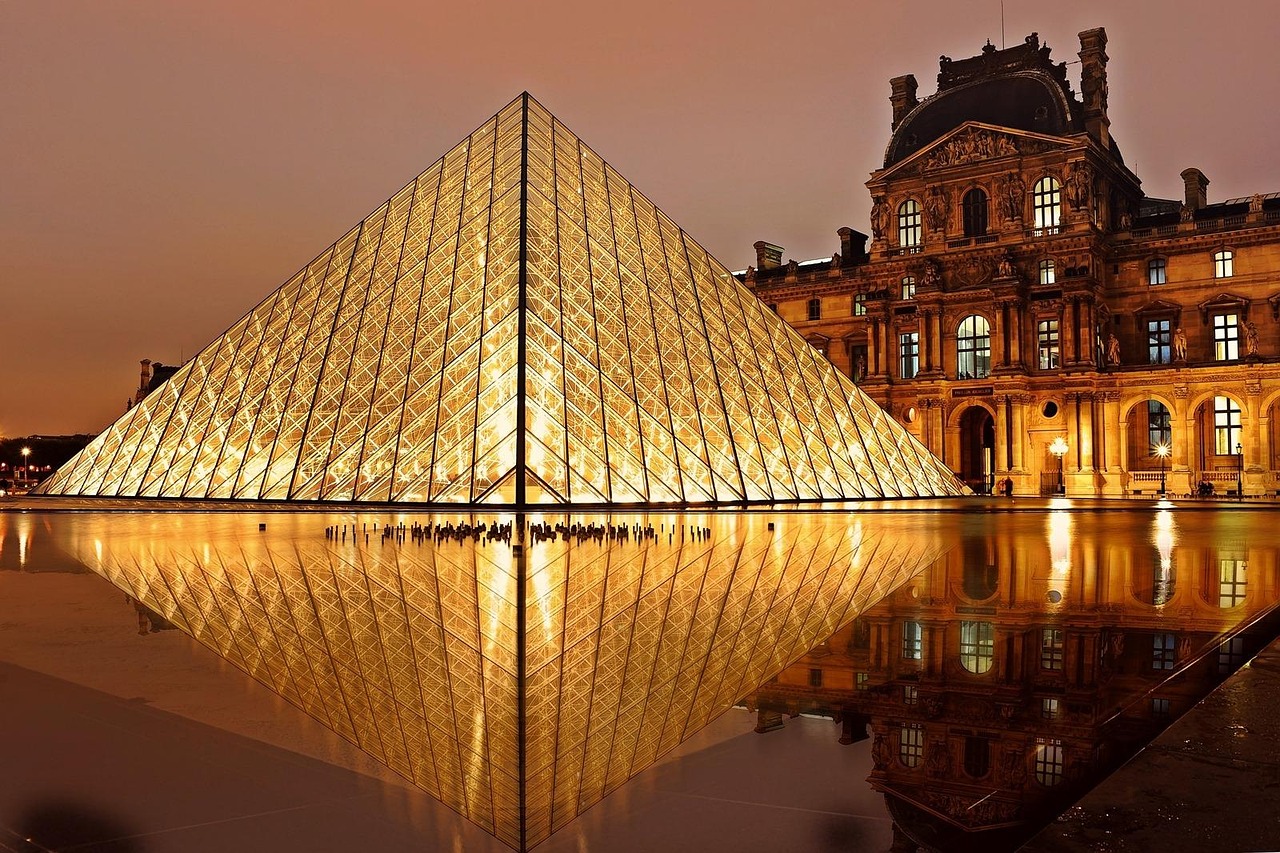
- Planning Tip: Secure ferry tickets and museum entries at least three months in advance; the island’s commitment to "slow travel" means daily visitor caps are strictly enforced.
2. Seoul, South Korea: The Global Stage
Seoul in 2026 is no longer just a capital city; it is a global creative stage. The city has successfully leveraged its cultural export success into a world-class tourism infrastructure. Beyond the neon lights of Gangnam, creative districts like Yaksu-dong are flourishing with independent designers and "hanok" (traditional house) renovations. The logistical ease of visiting Seoul will reach a new peak in March 2026, when Virgin Atlantic launches its daily London-Seoul route, providing a critical new link for European travelers.
Go For: High-energy K-pop culture, Michelin-starred street food, and the ultra-trendy Yaksu-dong creative scene.
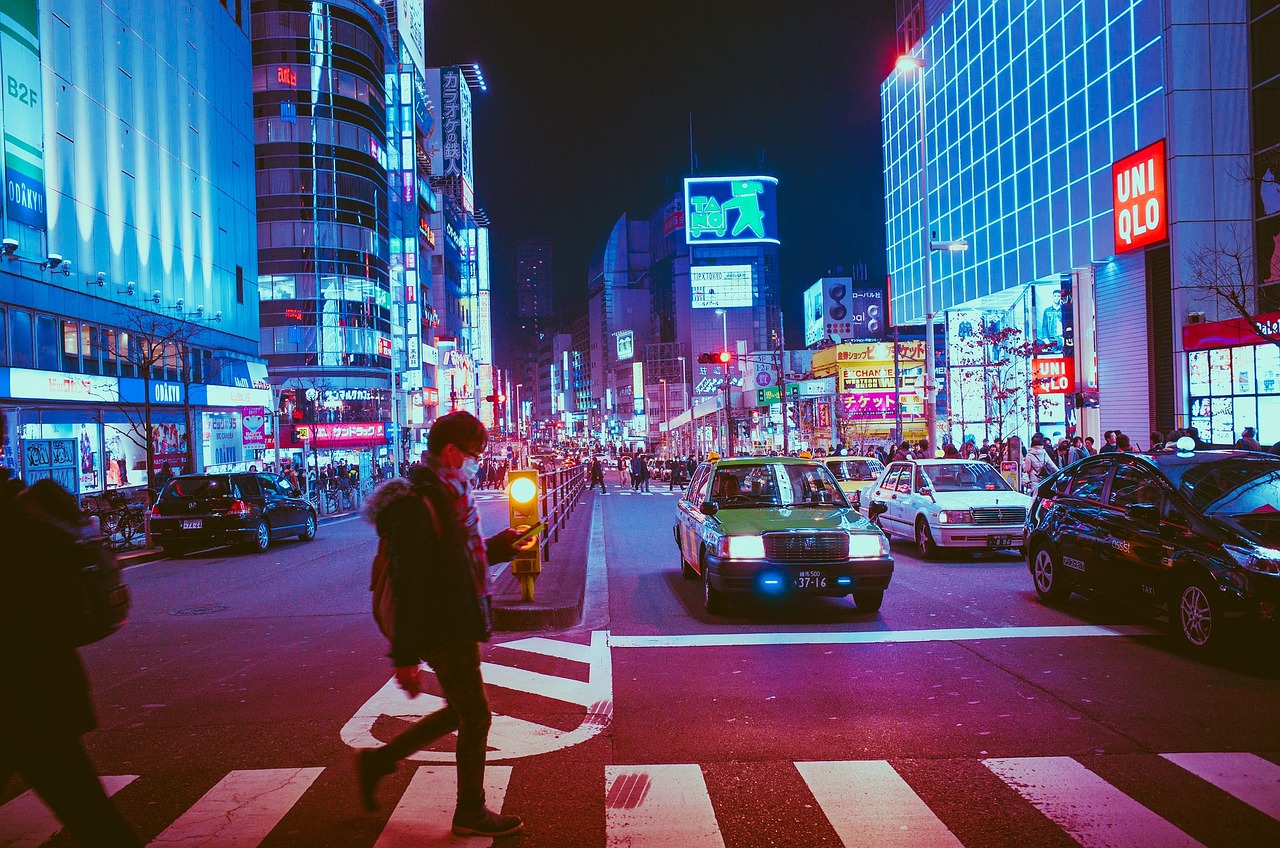
- Planning Tip: Use the integrated "T-money" mobile apps for seamless travel between high-speed rail and local subways.
3. Hong Kong: The Cultural Renaissance
After several years of repositioning, Hong Kong is reclaiming its title as the "World’s City." The focus has shifted from pure finance to a sophisticated cultural renaissance. The WestK Performing Arts Centre has become the crown jewel of the West Kowloon Cultural District, hosting international productions that rival London’s West End. Furthermore, the $100M renovation of the iconic Mandarin Oriental has set a new benchmark for urban luxury, while the government has significantly upgraded hiking trails at The Peak and Lantau, leaning into the "urban nature" trend.
Go For: World-class performing arts at WestK and a revitalized luxury hospitality scene.
- Planning Tip: Book the "Peak Tram" via mobile app to avoid the legacy queues, and plan your visit during the "Art Basel Hong Kong" week in March.
4. Shenzhen, China: The Future of Design
Shenzhen has evolved far beyond its origins as a tech manufacturing hub. In 2026, it is arguably Asia's most exciting design capital. The opening of the Longgang International Art Centre has provided a massive venue for the Shenzhen Design Week, which now attracts global attention. The city’s "Green Corridor" project has also created miles of elevated parks and cycling paths, making it one of China’s most walkable and environmentally progressive cities.
Go For: The Shenzhen Design Week and the immersive digital exhibitions at the Longgang International Art Centre.
- Planning Tip: Check the schedule for the Verbier Festival (Jan-Feb 2026) to catch world-class classical music in a high-tech setting.
5. Saadiyat Island, Abu Dhabi: The Museum District
Saadiyat Island is the centerpiece of Abu Dhabi’s ambitious cultural play. By 2026, the island will host one of the most concentrated collections of world-class architecture on the planet. With the Guggenheim Abu Dhabi and the Zayed National Museum both nearing completion or recently opened, it has become a "Museum District" that rivals Paris or New York. This is not just about tourism; it’s a long-term investment in cultural diplomacy and soft power.
Go For: The stunning architecture of the Guggenheim and the Natural History Museum.
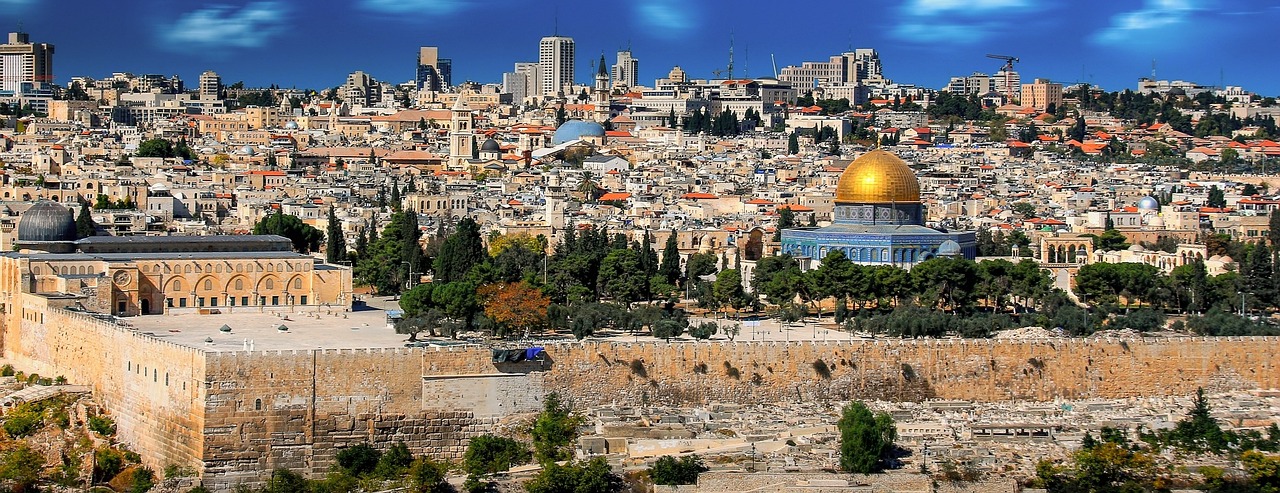
- Planning Tip: Stay on Saadiyat Island itself to enjoy private beach access and proximity to the cultural district, rather than commuting from downtown Abu Dhabi.
6. Udaipur, India: Rajput Glamour Renewed
India’s "City of Lakes" is experiencing a luxury revival. While Udaipur has always been a romantic staple, 2026 brings a wave of new, ultra-high-end palace stays that emphasize Rajput heritage with a modern, sustainable twist. Properties like the Fairmont Udaipur Palace and the exclusive Arq at Pichola are redefining the "Palace Hotel" experience for a younger, more discerning audience.
Go For: Regal heritage experiences and the Oberoi Concourse d’Elegance (February 2026), a world-class vintage car showcase.
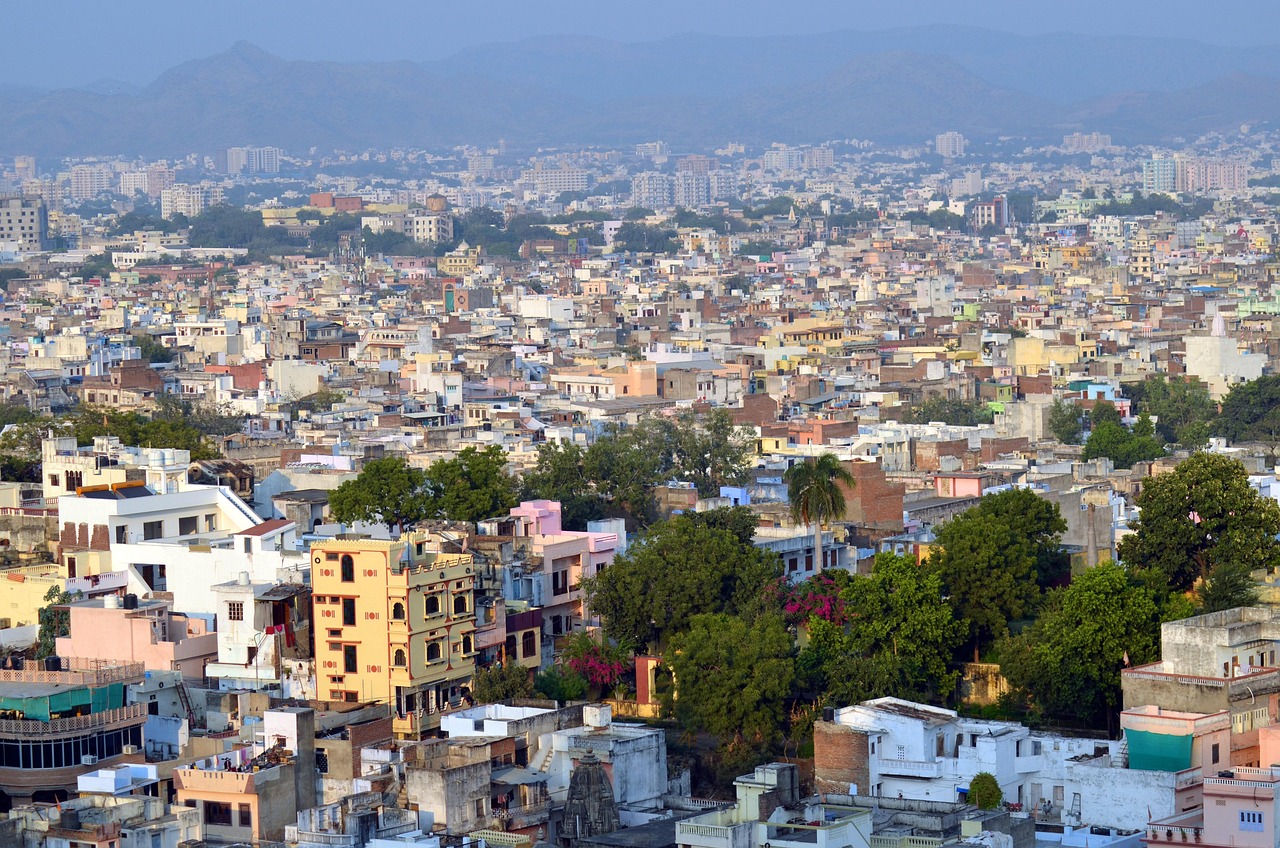
- Planning Tip: February is the optimal month for weather and major events; book palace-view rooms at least six months ahead.
7. Tashkent, Uzbekistan: Silk Road Modernism
Uzbekistan is the breakout star of Central Asia. The capital, Tashkent, has undergone a rapid modernization while carefully preserving its Soviet-era "Silk Road Modernism" architecture. The government’s investment in high-speed rail now connects Tashkent to the ancient cities of Samarkand, Bukhara, and Khiva in record time, making the "Great Game" history accessible to the modern traveler.
Go For: The Centre for Contemporary Art and the architectural juxtaposition of ancient madrasas and futuristic metro stations.
- Planning Tip: The high-speed "Afrosiyob" train is the best way to travel between cities, but tickets sell out weeks in advance.
8. Erbil, Iraqi Kurdistan: The Heritage Frontier
For the truly intrepid, Erbil in Iraqi Kurdistan offers a rare blend of ancient history and safe, warm hospitality. The 6,000-year-old Citadel, a UNESCO World Heritage site, remains one of the longest-inhabited spots on Earth. In 2026, the city is seeing a rise in boutique heritage hotels and a thriving café culture that reflects a resilient and forward-looking population.
Go For: Ancient Citadel history and the incredible Kurdish culinary scene.
- Planning Tip: Most Western nationalities can obtain a visa on arrival at Erbil International Airport, but always verify current regional travel advisories before booking.
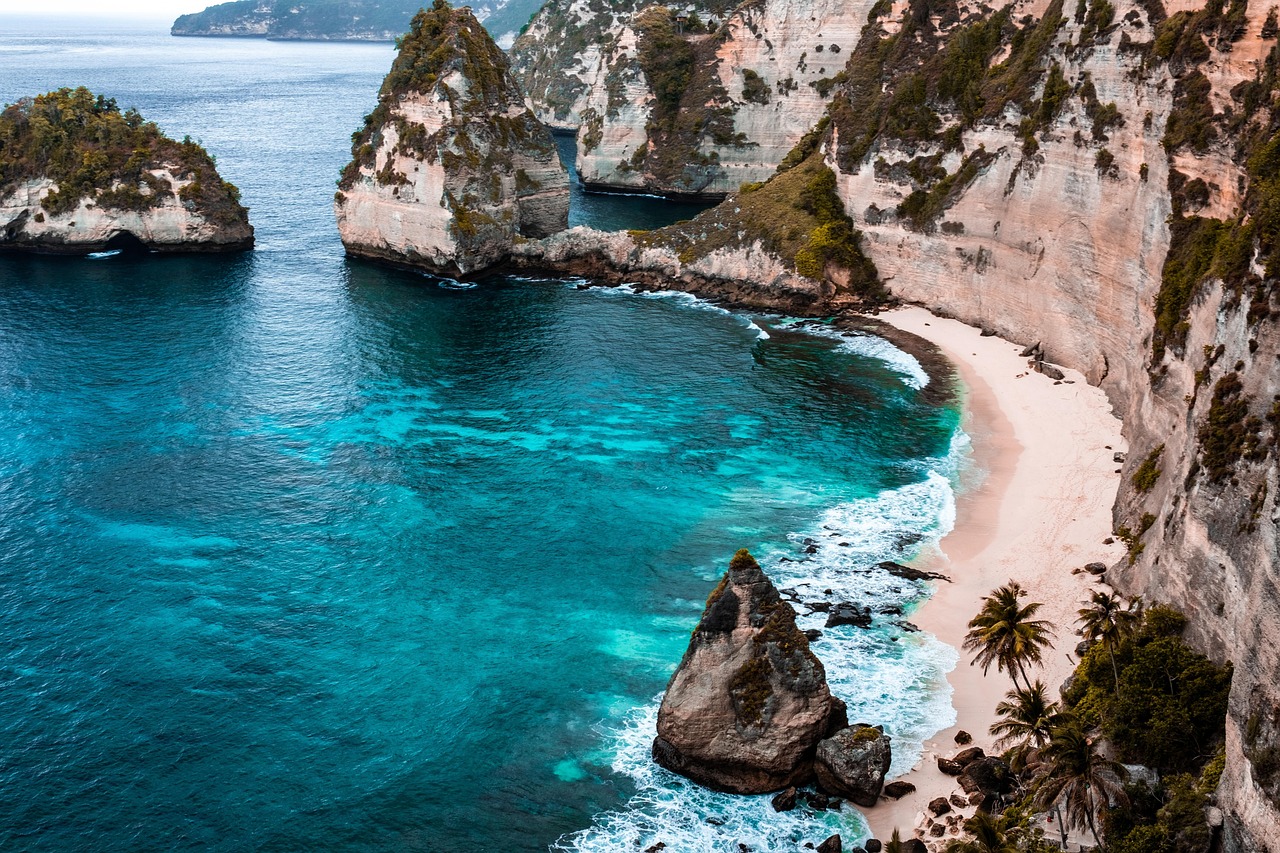
9. Labuan Bajo, Indonesia: Sustainable Wilds
As Bali continues to struggle with its own success, Labuan Bajo has emerged as the sophisticated, eco-conscious alternative. This gateway to Komodo National Park is the site of Indonesia’s most ambitious sustainable tourism projects. The new Maua resort and other eco-conscious developments focus on marine conservation and low-impact travel, catering to travelers who want raw nature without the crowds.
Go For: Komodo dragon trekking, world-class diving, and sustainable luxury resorts.
- Planning Tip: To visit Komodo Island, you must register through the official government portal to secure a conservation permit.
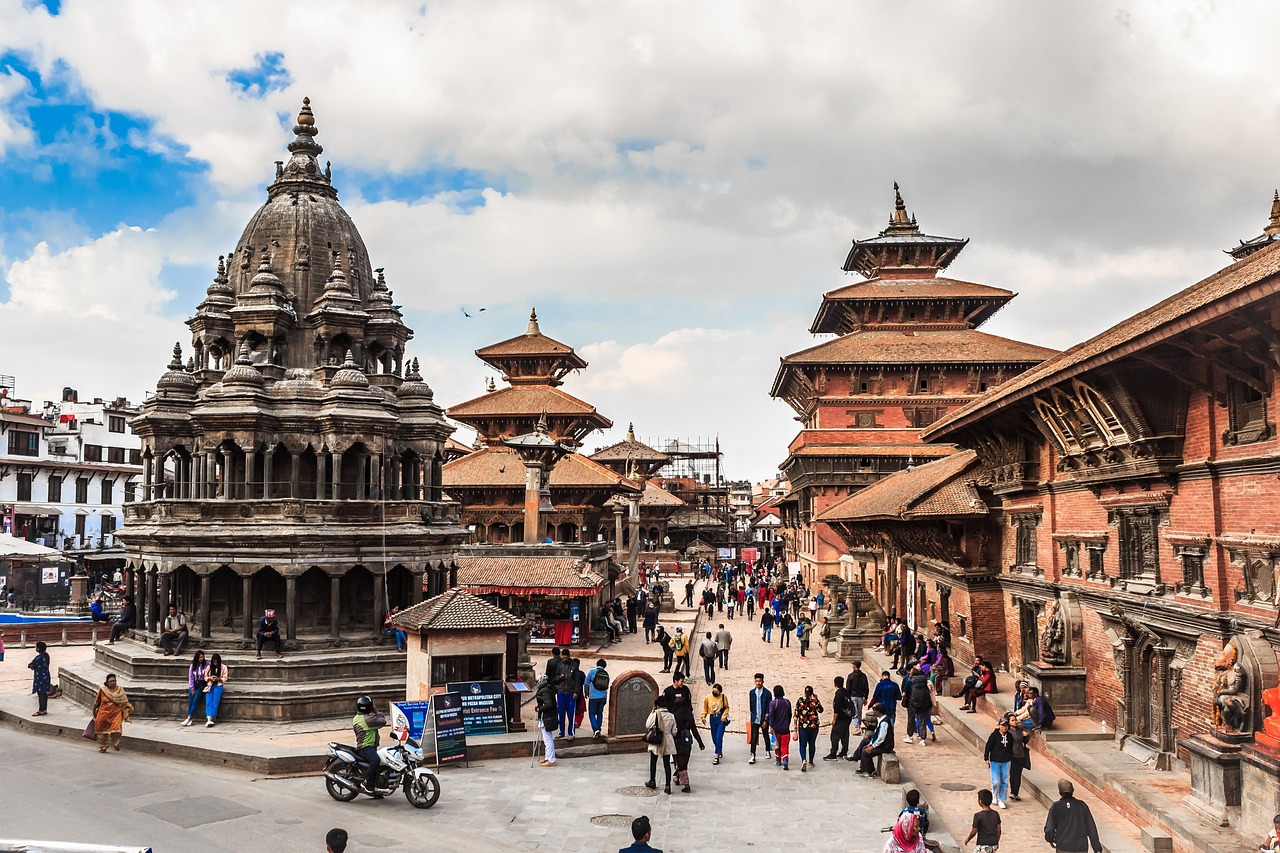
10. Patan, Nepal: Creative Energy
While Kathmandu remains the gateway, the neighboring city of Patan (Lalitpur) has become the hub for Nepal’s creative class. In 2026, Patan is a magnet for digital nomads, thanks to the government’s 5-year Digital Nomad Visa. The city’s ancient courtyards now house co-working spaces, artisanal coffee shops, and even the first Michelin-starred Nepali pop-up concepts, blending Himalayan tradition with global lifestyle trends.
Go For: New-age digital nomad vibes and the intricate Newari architecture of Durbar Square.
- Planning Tip: Consider the 5-year visa if you plan to work remotely; the local community in Patan is exceptionally welcoming to long-term residents.
Planning for 2026: Logistics & Demographics
The 2026 travel landscape is defined by "Hyper-Mobility." We are seeing a significant increase in the frequency of travel, particularly among Southeast Asian residents. This "world's most frequent flier" status is a result of a highly competitive LCC (Low-Cost Carrier) market and a culture that views travel as a fundamental lifestyle component rather than a luxury.
From a policy perspective, the 5-year Digital Nomad Visa in Nepal and similar long-stay initiatives in Thailand and Malaysia are changing the duration of trips. We are moving away from the "one-week vacation" toward "workations" that last a month or more. This necessitates a shift in hospitality, with hotels offering more robust Wi-Fi, communal work spaces, and laundry facilities as standard.
FAQ
Q: Is it safe to travel to emerging destinations like Erbil or Tashkent? A: Uzbekistan (Tashkent) has become one of the safest and most tourist-friendly countries in Central Asia. Erbil, within the semi-autonomous Kurdistan Region of Iraq, is generally very safe for foreigners, though it is essential to stay within the region and avoid the federal Iraq borders. Always check your government's latest travel advisories.
Q: Which Asian destination offers the best value for money in 2026? A: For high-end luxury at a lower price point, India (Udaipur) remains unbeatable. For modern infrastructure and tech-driven experiences, China (Shenzhen) offers incredible value given the quality of its hotels and public transport.
Q: How has the digital nomad landscape changed in Asia? A: It has become more formalized. Countries like Nepal and Malaysia now have specific visa categories that offer legal residency for remote workers, moving away from the "grey area" of working on a tourist visa. This has led to better community infrastructure in places like Patan and Penang.
Final Thought
The travel trends of 2026 reflect a region that is confident, innovative, and increasingly self-reliant. Whether it’s the museum powerhouses of Abu Dhabi or the art islands of Japan, the new Asia is about depth of experience over breadth of travel. As a critic, my recommendation is to choose one region and immerse yourself—the era of the 10-city whirlwind tour is over; the era of meaningful, culturally-led exploration has begun.