Quick Facts
- Best for First-Timers: Italy, France, and England offer the most intuitive infrastructure, iconic landmarks, and activities that bridge the gap between toddler curiosity and teen interests.
- Best for Adventure Seekers: Switzerland (Alpine hiking), Iceland (natural wonders), and Finland (winter magic) provide high-energy environments for active families.
- Ideal Trip Duration: 10 to 14 days is the "sweet spot" to prevent sightseeing burnout while allowing for 2–3 major regions or cities.
- 2026 Travel Trend: A significant shift toward "Slow Travel" and organized multi-generational tours to minimize logistical stress.
Introduction: The New Era of European Family Travel
We’ve all been there: standing in the middle of a bustling European piazza, one child has a melting gelato dripping down their arm, the other is tugging at your bag because they’ve spotted a pigeon, and you’re squinting at a map trying to find a stroller-friendly entrance to a 14th-century cathedral. Travel with kids is chaotic, beautiful, and—let’s be honest—a lot of work.
However, as we look toward 2026, the landscape of European travel is evolving to make our lives a little easier. Last year, Europe welcomed approximately 747 million international tourists, and the industry has responded by creating over 7,500 specialized family tour packages designed to take the weight off parents' shoulders.
If you’re planning your first big family leap across the pond, I always recommend starting with the "Big Three": Italy, France, or England. They offer that perfect mix of "I’ve seen this in a book!" magic and practical amenities. For those looking to burn off some serious energy, the rugged landscapes of Switzerland or the geysers of Iceland are unbeatable. Based on an analysis of over 77,300 traveler reviews, the happiest families are those who spend 10 to 14 days exploring, balancing big bucket-list sites with "down days" at local parks.
Planning Your 2026 Family Escape: What You Need to Know
Planning a year or two in advance isn't just for the ultra-organized; it’s becoming a necessity. By 2026, the European Entry/Exit System (EES) will be fully integrated, requiring biometric scans for non-EU travelers. While it sounds intimidating, it’s actually designed to speed up border crossings in the long run—meaning less time in passport queues with a restless toddler.
To get the most value, aim for the "shoulder seasons." May and September offer mild weather and thinner crowds, which is vital when you're navigating narrow European streets with a double stroller.
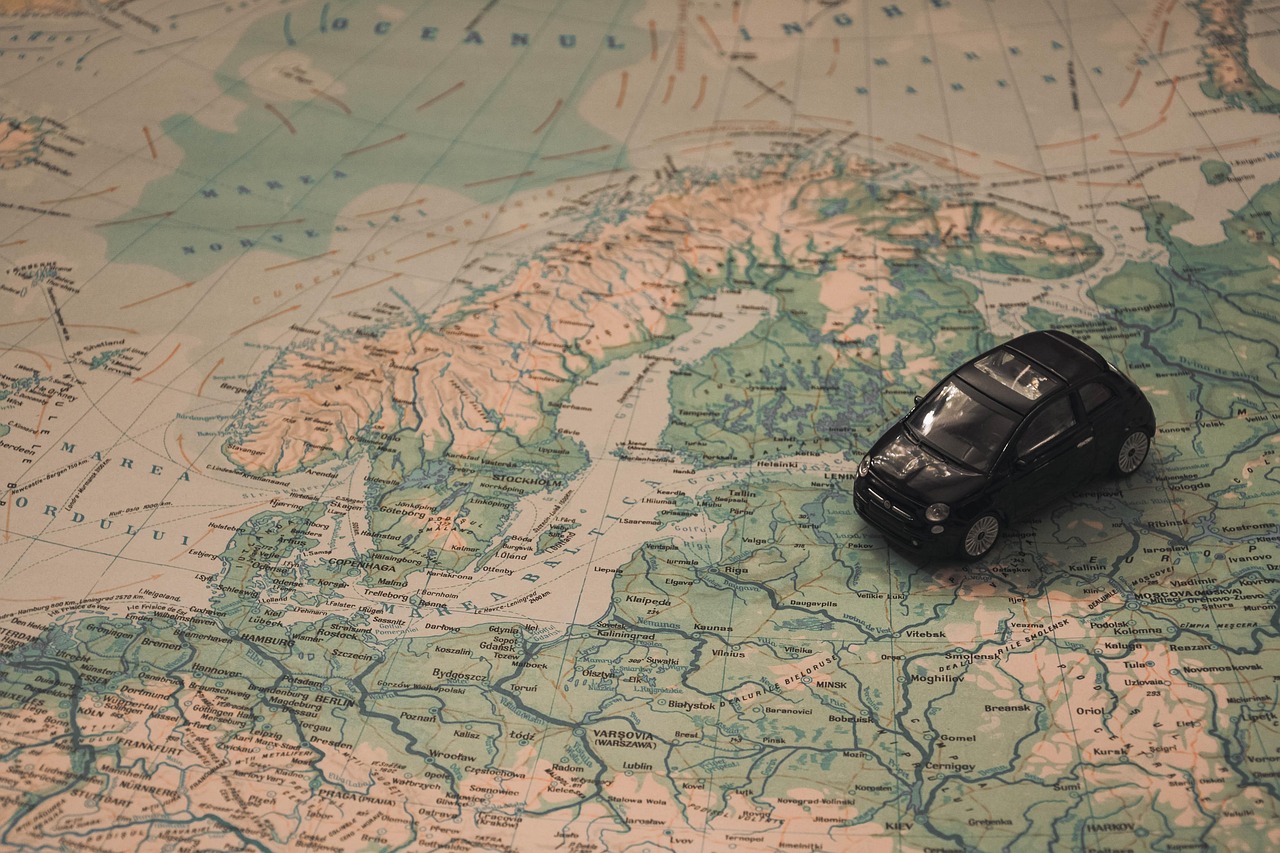
Average Seasonal Temperatures for Family Planning
| Region | Spring (May) | Summer (July) | Autumn (Sept) | Winter (Jan) |
|---|---|---|---|---|
| Western Europe (UK, France) | 12-18°C (54-64°F) | 18-25°C (64-77°F) | 14-20°C (57-68°F) | 2-7°C (36-45°F) |
| Mediterranean (Italy, Greece) | 18-24°C (64-75°F) | 25-32°C (77-90°F) | 22-28°C (72-82°F) | 8-15°C (46-59°F) |
| Nordic/Alpine (Swiss, Iceland) | 5-12°C (41-54°F) | 12-20°C (54-68°F) | 8-15°C (46-59°F) | -5 to 2°C (23-36°F) |
The 'Big Three' for First-Timers: England, France, and Italy
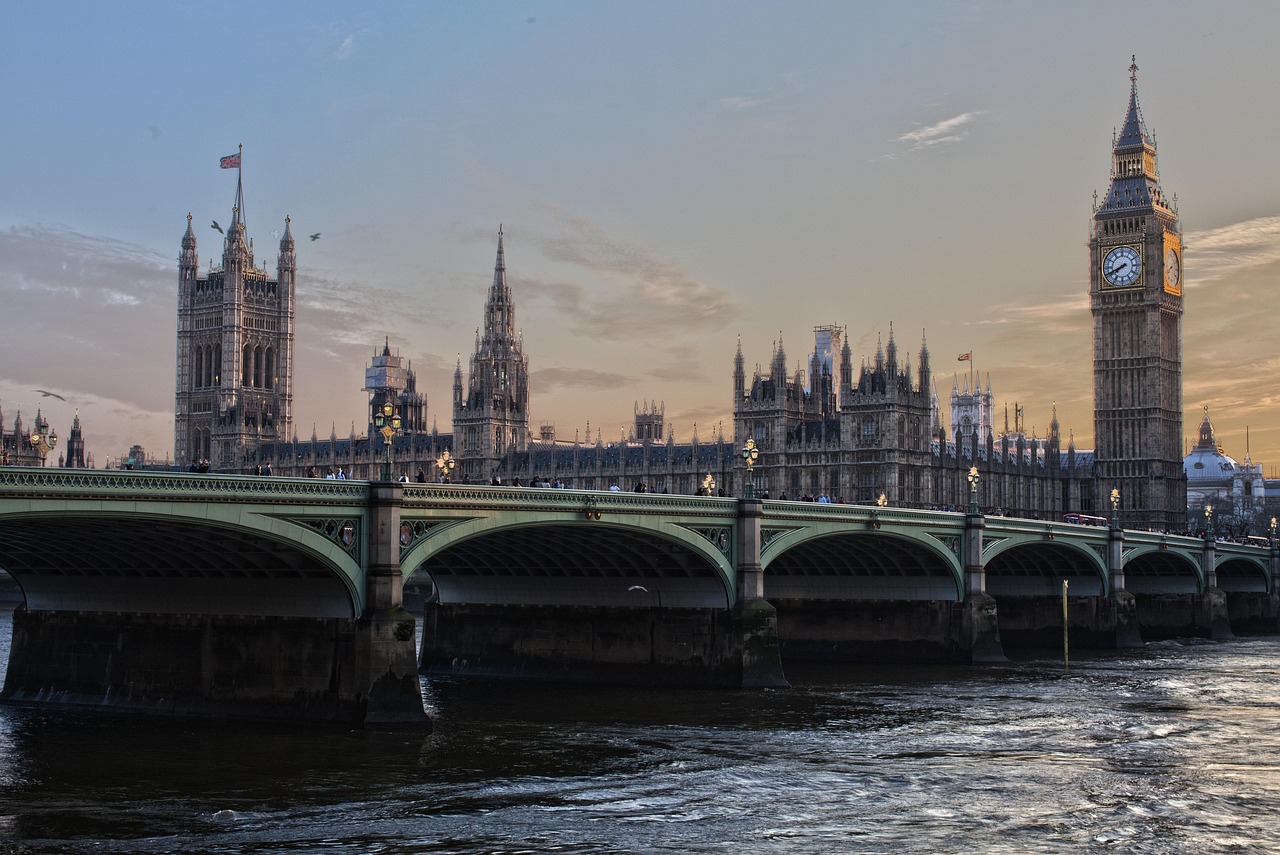
1-5. England & Scotland: Wizards and History
The United Kingdom remains a top pick because the lack of a language barrier (for English speakers) removes a massive layer of travel stress.
- London: Beyond the Changing of the Guard, the Harry Potter WB Studio Tour is a 2026 must-do.
- Edinburgh: Explore the "mystery alleys" of the Royal Mile. It’s like stepping into a storybook.
- Brighton: For a classic Victorian pier experience with arcade games and fish and chips.
- The Cotswolds: Rent a cottage and let the kids run free in "honey-colored" villages.
- Isle of Skye: Search for "fairies" at the Fairy Pools—perfect for older kids who love a hike.
6-10. France: Castles and Carousels
France is surprisingly kid-friendly if you look beyond the white-tablecloth restaurants.
- Paris: Skip the long Louvre lines; book a "Scavenger Hunt" tour specifically for families.
- Normandy: Interactive museums make WWII history tangible for school-aged children.
- Loire Valley: Visit Château de Clos Lucé (Da Vinci’s home), where kids can play with life-sized models of his inventions.
- Dordogne: Spend a day canoeing down the river past limestone cliffs and medieval fortresses.
- The French Riviera: Look for the dedicated "Blue Flag" family beaches in Antibes.
11-15. Italy: Pizza, Pasta, and Power
Italy is the only place where "fussy eaters" are actually welcomed with open arms.
- Rome: Enroll the kids in Gladiator School for a morning of wooden-sword training near the Colosseum.
- Venice: Take a traditional mask-making workshop to keep little hands busy.
- The Amalfi Coast: Master the art of pizza-making in Agerola or take a family-friendly hike on Mount Vesuvius.
- Florence: Visit the Leonardo da Vinci Museum for hands-on engineering fun.
- Lake Garda: Home to Gardaland, one of Europe’s top-rated theme parks, perfect for breaking up a "culture-heavy" trip.

Sophia’s Pro-Tip: When in Italy, look for "Agriturismos"—farm stays that often have pools, animals, and homemade pasta. They are much more affordable and relaxing for families than city-center hotels.
Browse 2026 Italy Family Tours →
Nordic & Alpine Adventures: Nature’s Playground
If your kids are the type who can't sit still, head north or up into the mountains. The data shows that 10-14 day itineraries in these regions see the highest satisfaction ratings because the "activities" are the destinations themselves.
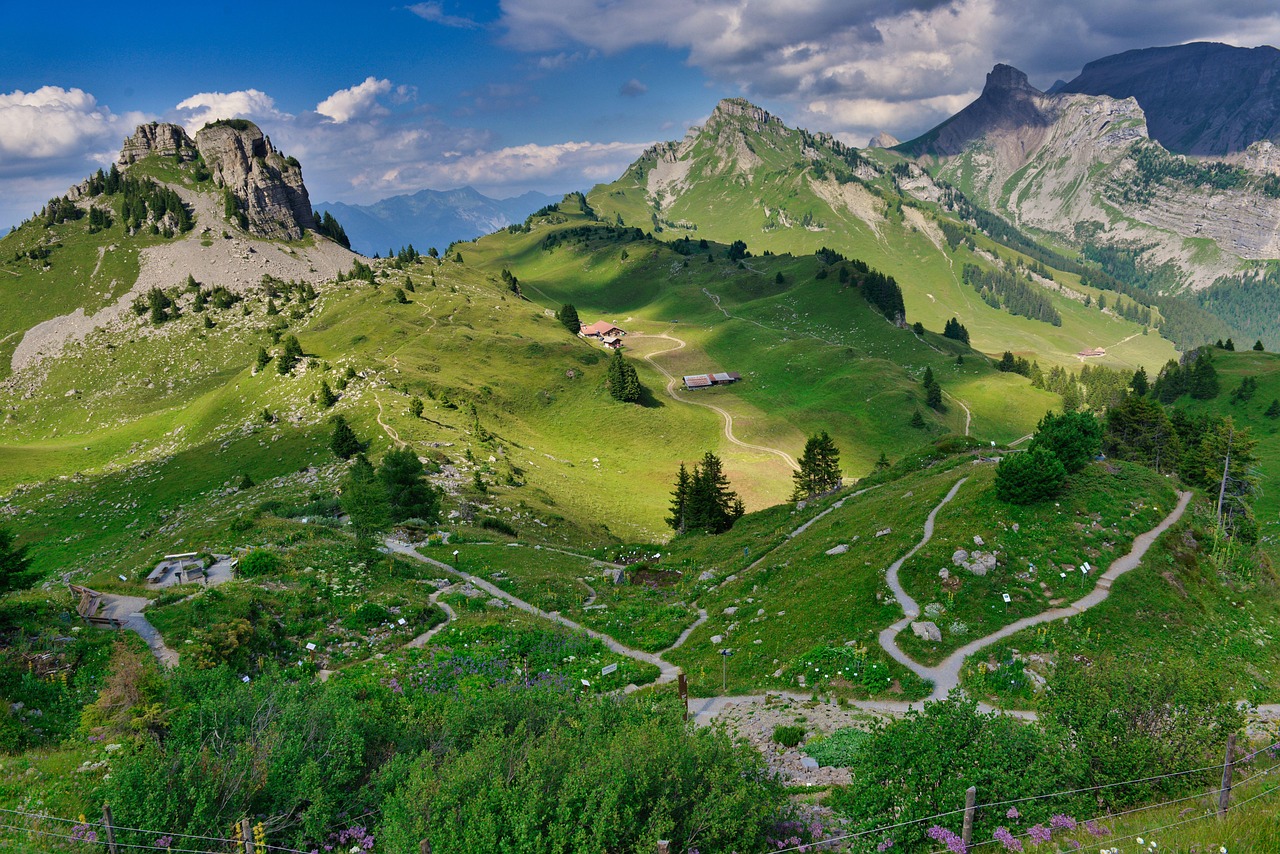
16-20. Switzerland & Austria: Peak Performance
- Interlaken: Try alpine paragliding (many operators allow children as young as 6) for an unforgettable view of the Eiger.
- Zurich: Check out the "Adventure Farms" on the city's outskirts for hay-jumping and fruit-picking.
- Vienna: With the 2026 Eurovision energy lingering, the city's music museums are more interactive than ever.
- Salzburg: The "Sound of Music" tour is a rite of passage for many families.
- Hallstatt: Take the funicular up to the world's oldest salt mine for a slide-filled underground tour.
21-25. Iceland & Finland: Fire and Ice
- Reykjavik: Soak in the Blue Lagoon (don’t worry, they provide arm floaties for the little ones!).
- Oulanka National Park: Experience husky sledding through pristine white forests.
- Rovaniemi: The official home of Santa Claus. Even in the "off-season," the reindeer farm visits are magical.
- The Golden Circle: Watching Strokkur geyser erupt is a thrill that never gets old for kids.
- Akureyri: North Iceland offers some of the best whale-watching opportunities in Europe.
Mediterranean Sun & Southern Gems
26-30. Spain, Greece, & Croatia: Coastal Magic
For families who want to combine history with some serious beach time, the south is calling.
- Bilbao: Visit the Guggenheim to see the giant flower-covered "Puppy" sculpture by Jeff Koons.
- Barcelona: Park Güell is basically a gingerbread-house playground designed by Gaudí.
- Santorini: Opt for a private caldera cruise. It’s easier than navigating the steep steps of Oia with kids.
- Athens: The Acropolis is a climb, so go early! Use a "Greek Mythology" tour guide to keep the kids engaged.
- Croatia: Island-hop from Split to Hvar. Many ferries are large and comfortable, making the transit part of the fun.
Keep an eye on Northern Italy in 2026! The Winter Olympics in Milan and Cortina will bring a festive, high-energy atmosphere that sports-loving families will adore.

Organized Family Tours: The Stress-Free Alternative
In my years as an editor, I’ve seen a massive trend toward organized tours for 2026. Why? Because logistics in Europe—train strikes, car rental insurance, and navigating ZTL (Restricted Traffic Zones) in Italy—can be a nightmare for a tired parent.
Organized family tours handle the heavy lifting: luggage transfers, kid-friendly hotels, and "skip-the-line" access to major sites. They also provide something parents often forget: built-in playmates for your children and adult conversation for you!
Top Tours by Age Range (Recommended for 2026)
| Tour Focus | Recommended Age | Best Destination | Why it Works |
|---|---|---|---|
| Discovery & Magic | 5 - 10 years | London & Paris | High "wow" factor, low travel time between cities. |
| Interactive History | 8 - 14 years | Italy (Rome/Pompeii) | Hands-on activities like pizza-making and gladiator training. |
| Outdoor Adventure | 10+ years | Switzerland & Iceland | High-octane activities like hiking, rafting, and lagoons. |

Find Your Perfect Family Tour →
Essential Packing & Budgeting Tips
Budgeting for 2026 requires a bit of foresight. On average, a high-quality organized family tour costs between $2,000 and $4,500 per person, depending on the level of luxury and duration.
To make this more manageable, I recommend the "$5/Day Saving Strategy." If you start saving just $5 a day two years out from your trip, you’ll have over $3,500 tucked away by the time you're ready to book. It’s the cost of one fancy coffee, but it pays for your child’s entire European adventure.
Packing Tip: Forget the "one suitcase per person" rule. In Europe, elevators are tiny and stairs are many. Aim for one large rolling suitcase for the whole family and give each child a small backpack for their own snacks and toys.
FAQ: Your Top Questions About Europe with Kids
1. Is Europe safe for families in 2026? Absolutely. Most European cities have lower crime rates than major North American hubs. The biggest concern is usually pickpocketing in crowded tourist areas—stay vigilant and use a cross-body bag.
2. Can we do Europe on a budget? Yes! Stick to the "picnic lunch" rule: buy fresh bread, cheese, and fruit from a local market and eat in a park. It saves $50–$100 a day and the kids can run around while you eat.
3. What if my child gets sick abroad? European healthcare is excellent. Most major cities have English-speaking doctors, and pharmacies (marked by a green cross) can handle minor ailments like ear infections or fevers without a doctor's visit.
Conclusion & Start Planning Your 2026 Adventure
The world is waiting, and Europe is ready to welcome your family with open arms. Whether you’re watching the sunset over the Santorini caldera or hunting for Horcruxes in London, these are the moments your children will remember for a lifetime.
Don't wait for the "perfect" time—kids grow up fast, but the memories of a shared adventure in Europe last forever. Start your 2026 planning today by picking one of these 30 spots and taking that first step toward a transformative family journey.