Quick Facts
- 2026 Dates: April 22 – May 8
- Location: Ångerman River, Sweden’s High Coast (Höga Kusten)
- Streaming Platform: SVT Play (global access, no VPN required)
- Camera Setup: 30+ remote-controlled and night-vision cameras
- Peak Viewing: Dawn and dusk (Central European Time)
- Highlight Species: Eurasian Moose, reindeer, bears, and foxes
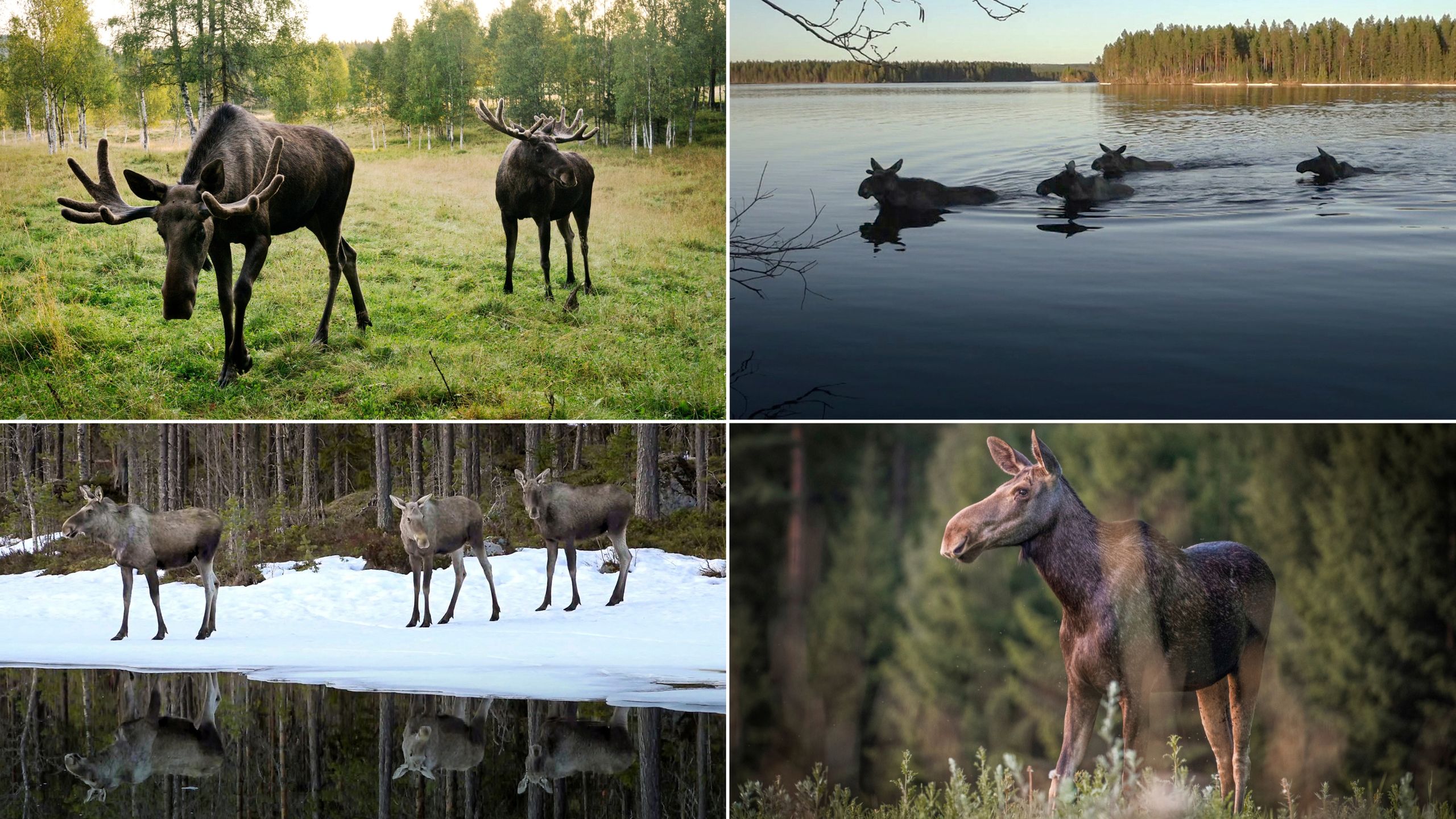
The 2026 Great Moose Migration, or Den Stora Älgvandringen, is a captivating Slow TV event that allows viewers worldwide to watch moose cross the Ångerman River in Sweden’s High Coast in real-time. Accessible via the SVT Play website and app, this 24/7 broadcast captures the quiet majesty of the Nordic spring wilderness from mid-April through early May.
As the snow melts in Sweden’s High Coast, one of nature's most hypnotic spectacles begins. The 2026 Great Moose Migration (Den Stora Älgvandringen) is more than just wildlife footage; it's a global Slow TV phenomenon. Whether you’re a long-time fan or a first-time viewer, this guide explains how to watch the real-time river crossings from your living room, the science behind the migration, and the best times to catch a glimpse of the King of the Forest. For many, tuning into the svt moose migration has become an annual rite of spring, offering a digital sanctuary that bridges the gap between our modern, fast-paced lives and the ancient rhythms of the northern woods.
More Than Just TV: The Slow TV Phenomenon
In a world defined by three-second reels and constant notifications, the Great Moose Migration offers something radically different: stillness. This is the essence of the Slow TV movement, a genre of broadcasting that prioritizes the unedited, real-time progression of events. There are no hosts, no dramatic soundtracks, and often, no movement at all for hours on end—and that is exactly why people love it.
The production is a testament to the power of public service broadcasting. To bring this experience to screens, Sweden's national broadcaster, SVT, utilizes an extensive technical infrastructure involving more than 30 remote-controlled and night-vision cameras supported by approximately 12 miles of monitoring cables. This invisible network allows us to witness the intimate life of the forest without disturbing its inhabitants.
The impact is profound. In 2024, the Great Moose Migration livestream produced by SVT reached approximately 9 million viewers, with nearly one-third of that audience tuning in from outside of Sweden. This global community gathers in the live chat to share the quiet thrill of a rustling branch or the first ripples on the river surface. It is a form of digital nature therapy that encourages mindful viewing and provides a sense of mental recovery that is increasingly rare in our urbanized society.
How to Watch the 2026 Great Moose Migration Live
Accessing the stream is remarkably simple, reflecting the Swedish commitment to openness. You do not need a subscription or a VPN to enjoy the show from outside Sweden. Here is a step-by-step guide on how to watch the great moose migration live stream:
- Visit SVT Play: Navigate to the SVT Play website (svtplay.se) or download the Duo app on your smartphone or tablet. Search for Den Stora Älgvandringen.
- Select Your View: The broadcast often provides multiple camera angles. The Entren view is particularly popular as it uses wide-angle shots to scan the forest floor, helping viewers spot animals before they reach the water.
- Engage with the Community: If you use the Duo app, you can participate in the chat, ask questions to experts, and react to sightings in real-time.
- Listen to the Forest: Ensure your sound is on. Part of the restorative experience is hearing the ambient forest sounds—the chirping of birds, the rushing water of the Ångerman River crossing, and the crunch of hooves on dry leaves.
The the great moose migration 2026 dates and schedule are set precisely to align with the natural awakening of the forest. While the stream runs 24/7, navigating the svt play great moose migration stream effectively means knowing that the broadcast usually goes live around April 22 and concludes by May 8, covering the peak window of the journey.
Migration Secrets: Timing and Biology
The migration is not a random wandering; it is a purposeful journey rooted in deep biological necessity. Since the last ice age, moose in the northern regions of Sweden have moved from the coast to the highlands in the spring to find the most nutrient-rich grazing grounds. This knowledge is passed down from mother to calf, creating a migration culture that has persisted for millennia.
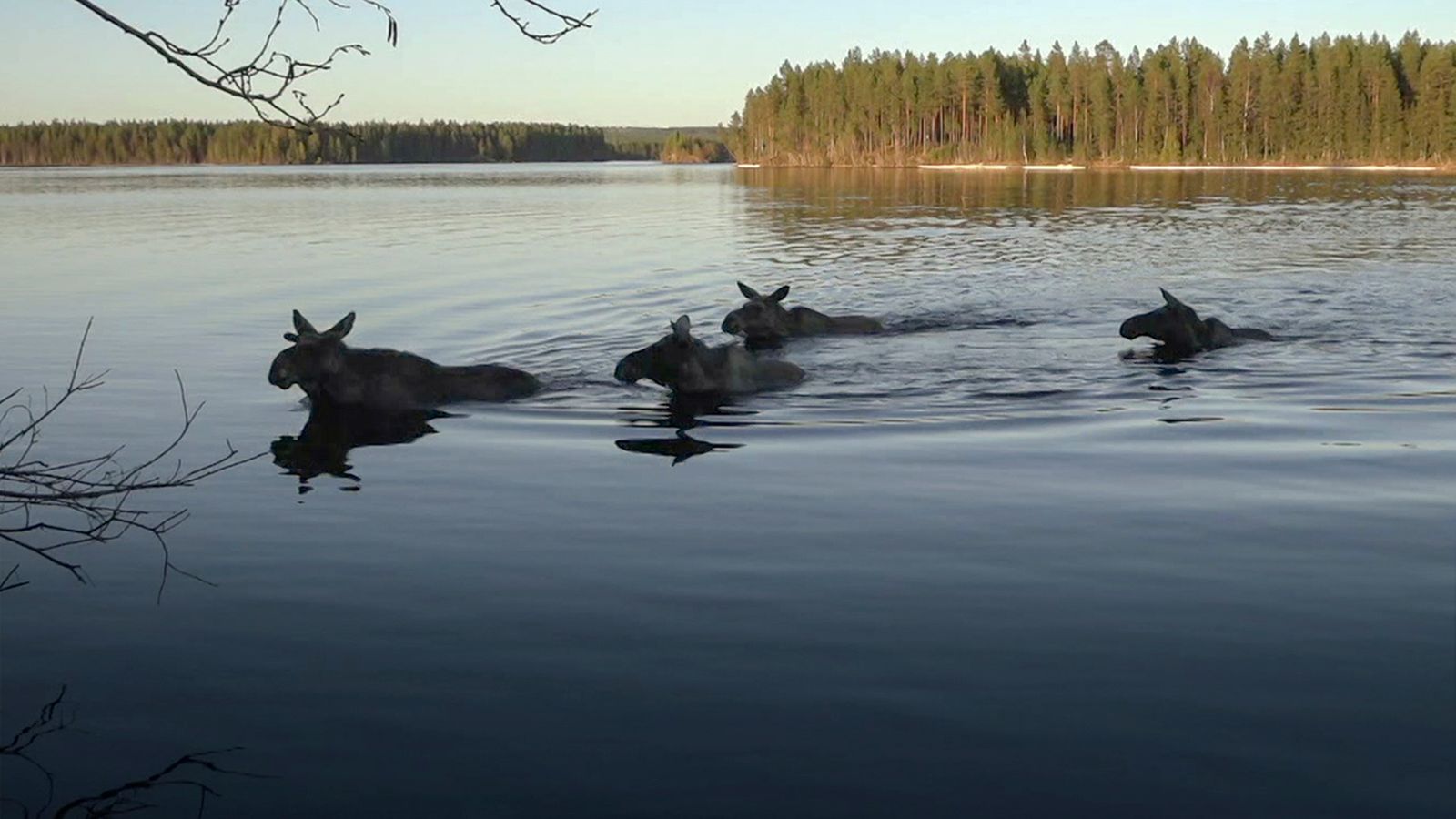
The Ångerman River crossing is the most critical and visually dramatic part of this journey. The moose must swim across the cold, fast-moving water to reach the Kullberg area. During the 2024 season, the program recorded a record-breaking total of 87 moose successfully crossing the Ångerman River as they traveled toward summer grazing pastures.
If you want to maximize your chances of spotting a crossing, consider these tips:
- Watch the Clock: The best time of day to watch swedish moose migration is during dawn and dusk. In Sweden, this means very early morning and late evening Central European Time. Moose are crepuscular, meaning they are most active during these twilight hours.
- Be Patient: A moose might stand on the riverbank for hours, contemplating the water before taking the plunge. This is the heart of the Slow TV experience.
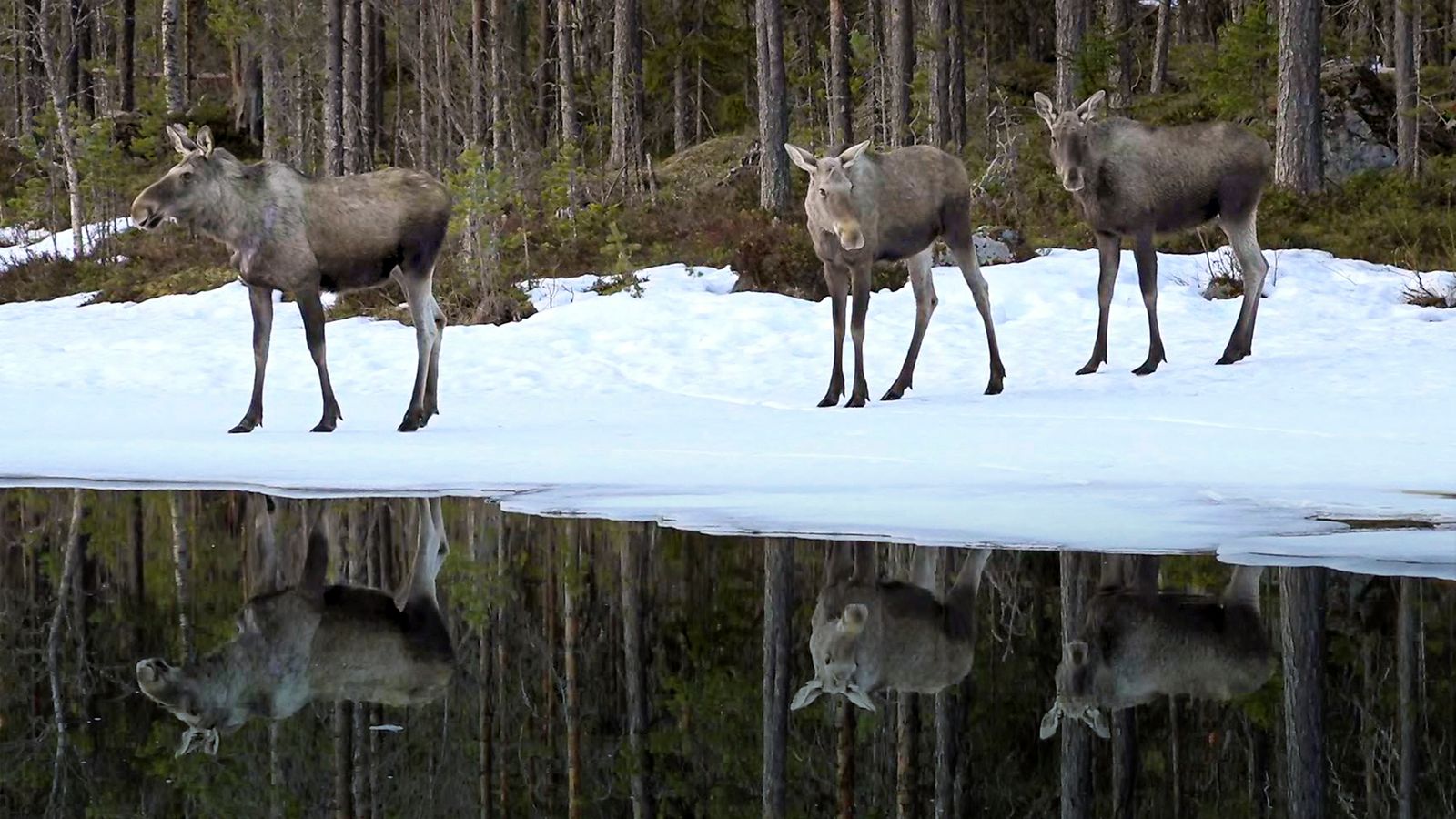
- Look for Others: While the moose are the stars, the cameras frequently capture other residents of the Nordic spring wilderness, including reindeer herds, curious foxes, and the occasional brown bear waking from hibernation.
Respecting the Wild: From Digital Viewer to Physical Visitor
As a sustainable travel editor, I am often asked if it is better to watch from a screen or visit in person. While the livestream is a wonderful way to experience the wild without leaving a carbon footprint, some may feel called to visit the Höga Kusten region themselves.
The High Coast is a UNESCO World Heritage site known for its unique red granite cliffs and the highest coastline in the world (due to post-glacial rebound). If you choose to visit, it is essential to follow the principles of Allemansrätten, the Swedish Right of Public Access. This unique law allows you to roam freely in nature, but it comes with the responsibility to "not disturb, not destroy."
When observing wildlife behavior observation in person, remember to:
- Keep Your Distance: Never approach a moose. They are massive, powerful animals and can be dangerous if they feel cornered or have young calves.
- Stay Hidden: Respect the migratory routes and avoid blocking the riverbanks where moose are known to cross.
- Leave No Trace: The beauty of the Swedish wilderness depends on our collective effort to keep it pristine.
Whether you are witnessing the migration from a balcony in Stockholm or a sofa in Seattle, the the great moose migration 2026 offers a rare opportunity to reconnect with the natural world. It reminds us that despite our human-made boundaries, the earth still moves to its own ancient, quiet beat.
FAQ
Where can I watch The Great Moose Migration?
You can watch the stream globally on the Swedish public broadcaster's platform, SVT Play. It is accessible via their website at svtplay.se or through the Duo app. The broadcast is free and generally does not require a VPN for viewers outside of Sweden.
How long does The Great Moose Migration last?
The live broadcast typically runs for about three weeks, starting in mid-April and ending in early May. For 2026, the peak activity is expected between April 22 and May 8, though the cameras may start rolling slightly earlier to capture the forest's transition into spring.
How to watch the Great Migration?
To participate in the viewing experience, simply go to the SVT Play website and search for Den Stora Älgvandringen. You can choose from several camera feeds, including the main broadcast with a live chat or specific static cameras that focus on the river crossing or forest entrances.