Quick Facts
- The Definition: chimaek is the portmanteau of chicken and maekju (beer), describing the quintessential Korean soul food.
- The Origin: While fried chicken arrived earlier, the 2002 World Cup solidified chimaek as the official game day ritual.
- The Crunch: A specialized double-frying method at 350°F and 375°F creates a paper-thin, shatteringly crisp crust.
- The Sides: Essential accompaniments include tangy chicken-mu (pickled radish) and often spicy pa-chae (shredded scallions).
- The Stats: Match days see massive surges, with sales jumping over 200-percent during major soccer tournaments.
- The Experience: Beyond restaurants, chimaek is celebrated via sophisticated delivery apps that reach parks, riverbanks, and stadium seats.
chimaek is a portmanteau of chi for chicken and maekju for beer, describing the iconic South Korean culinary pairing. While both items gained popularity in the 20th century, they became a solidified national tradition during the 2002 World Cup. This combination is now the essential anju, or food paired with alcohol, for watching soccer, as its shareable nature fosters the communal eating traditions central to Korean fan culture.
The 2002 Spark: How Soccer Created a Culinary Icon
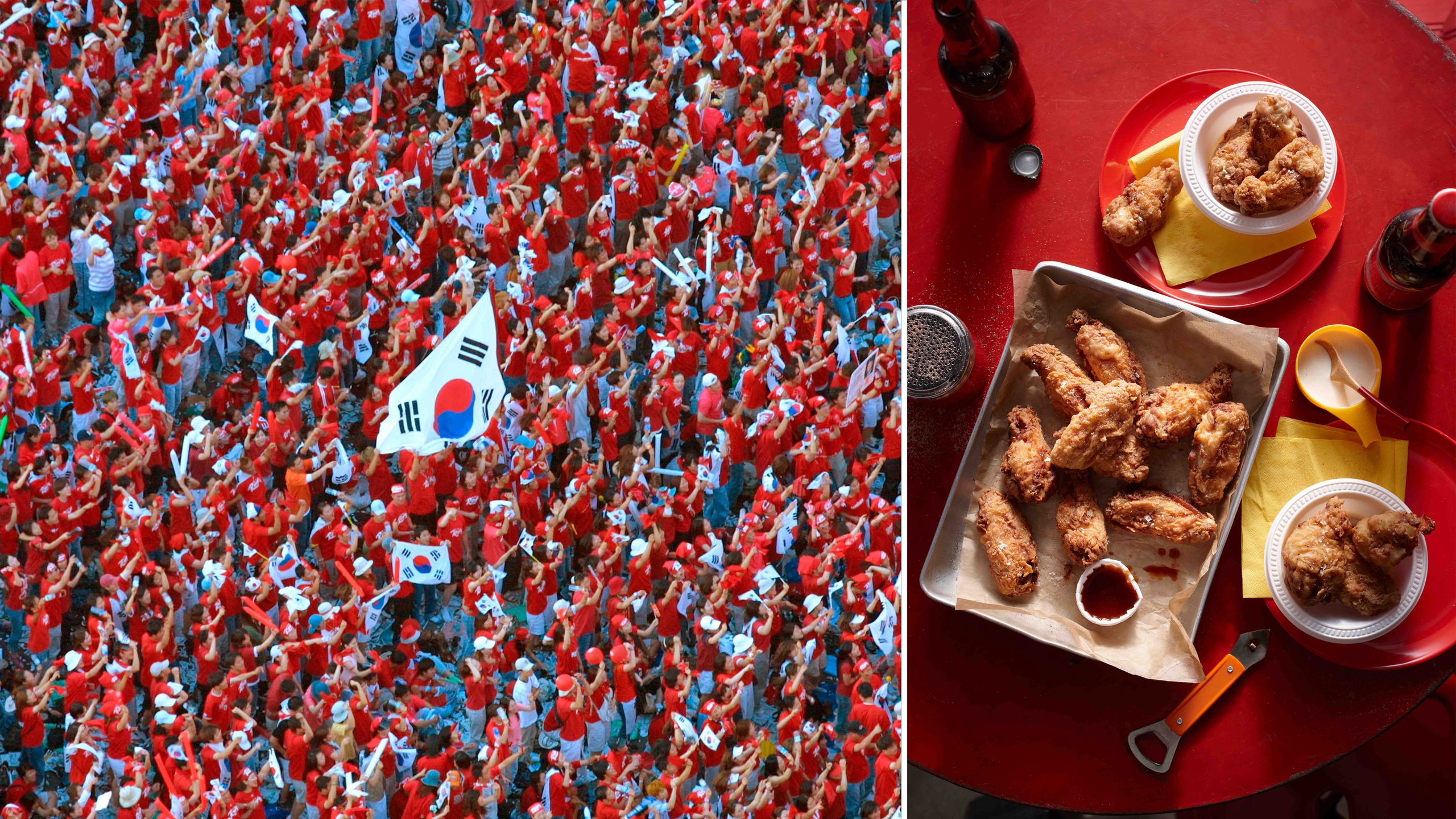
To understand the chimaek meaning, one must look back at a summer when the streets of Seoul were a sea of red. In 2002, when South Korea co-hosted the FIFA World Cup, the nation’s collective identity fused with the beautiful game. Before this era, fried chicken was a burgeoning fast food influenced by post-war US military presence, but it hadn't yet claimed its throne as a cultural pillar.
As the Red Devils supporters occupied public squares, a practical need emerged: a food that was portable, shareable, and resilient enough to survive hours of cheering. The answer was found in the cardboard boxes of fried chicken. During those electric nights at Gwanghwamun Square, the tradition was born. The shared euphoria of a goal was punctuated by the collective crunch of skin and the clinking of cold beer mugs.
The impact of this ritual is reflected in modern data. During the 2022 World Cup, convenience store chain GS25 reported that its beer sales increase by 186.4% and chicken sales surge by 146.9% on the day of the opening match against Uruguay. Even more staggering, fried chicken sales at 7-Eleven branches near Gwanghwamun Square increased by 1,400% as fans gathered for street cheering. This is more than a meal; it is a statistical phenomenon driven by passion.
The Science of the Crunch: Why It’s Not Just Fried Chicken
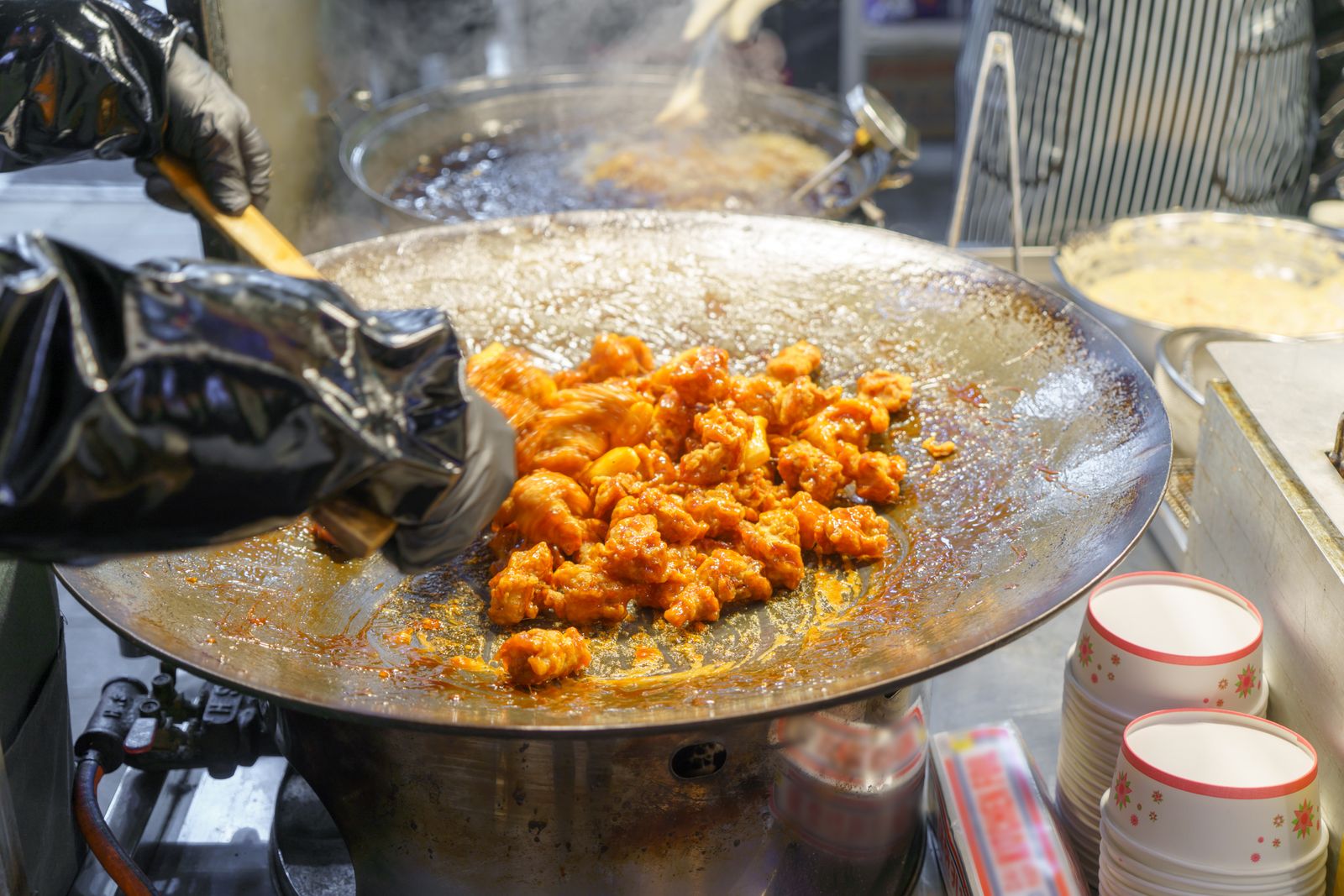
When you bite into chimaek korean fried chicken, the first thing you notice is the sound. It is not the thick, bready crunch of American-style chicken, but a delicate, glass-like shatter. This is achieved through a meticulous double-frying method. The first fry at a lower temperature (around 350°F) cooks the meat through and renders out the fat from the skin. After a brief resting period to let steam escape, the chicken is submerged again at a higher heat (375°F), creating a crust that stays crispy even when tossed in heavy glazes.
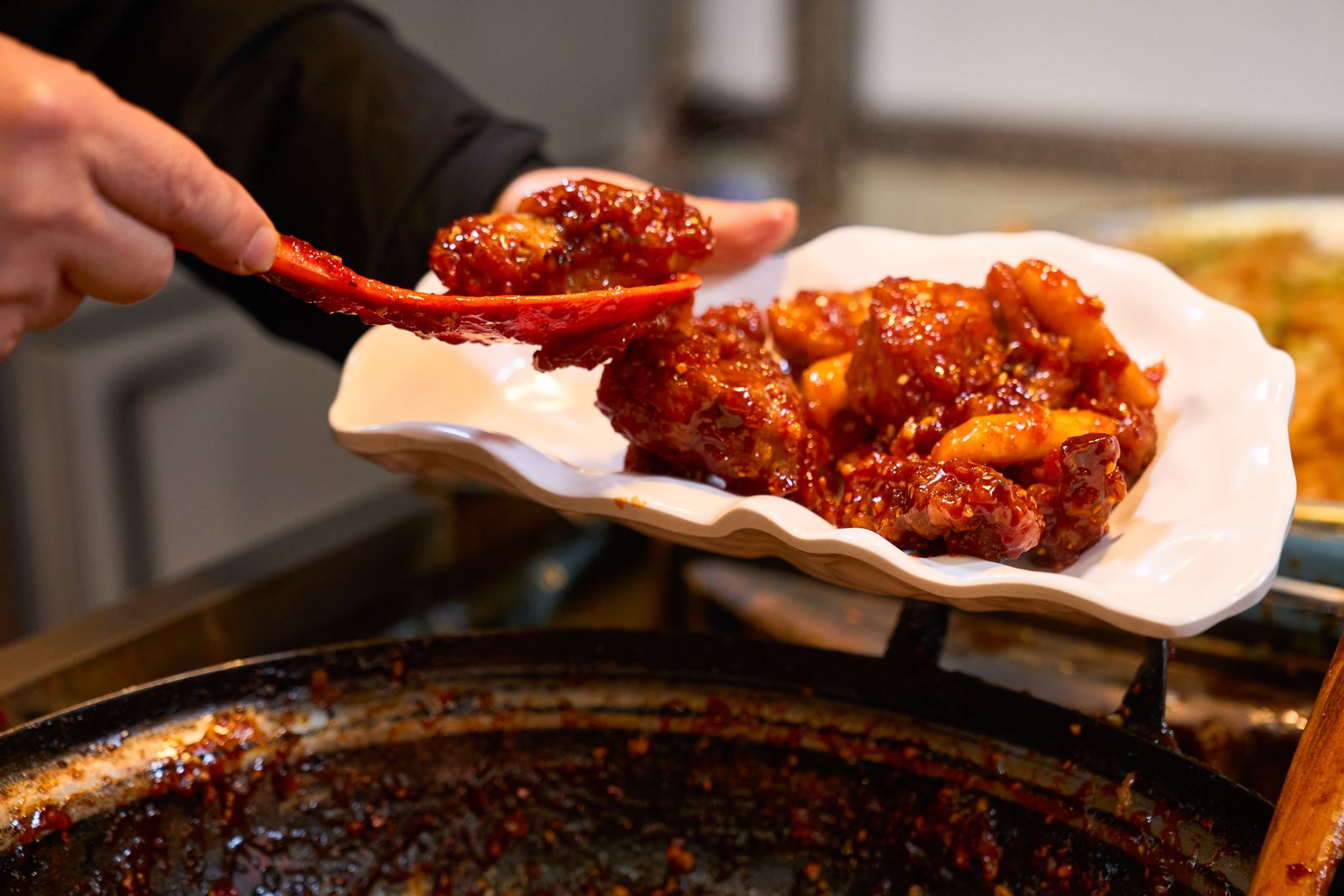
This technical precision allows for the legendary yangnyeom seasoning. Unlike many Western wings where the sauce is a mere dip, yangnyeom is a sticky, vibrant glaze-integrated coating made from gochujang glaze, garlic, sugar, and various secret ingredients. Because of the double-frying technique, the chicken remains crisp under the weight of the sweet and spicy sauce.
For those looking for a different texture, brands like bb.q Chicken have pioneered the use of high-quality olive oil for frying, resulting in a lighter feel that highlights the natural flavors of the bird. Whether you prefer the classic fried chicken recipe or the saucy variety, the focus is always on the equilibrium between the heat of the oil and the moisture of the meat.
Decoding the Chimaek Menu: From Banban to Hof-Style
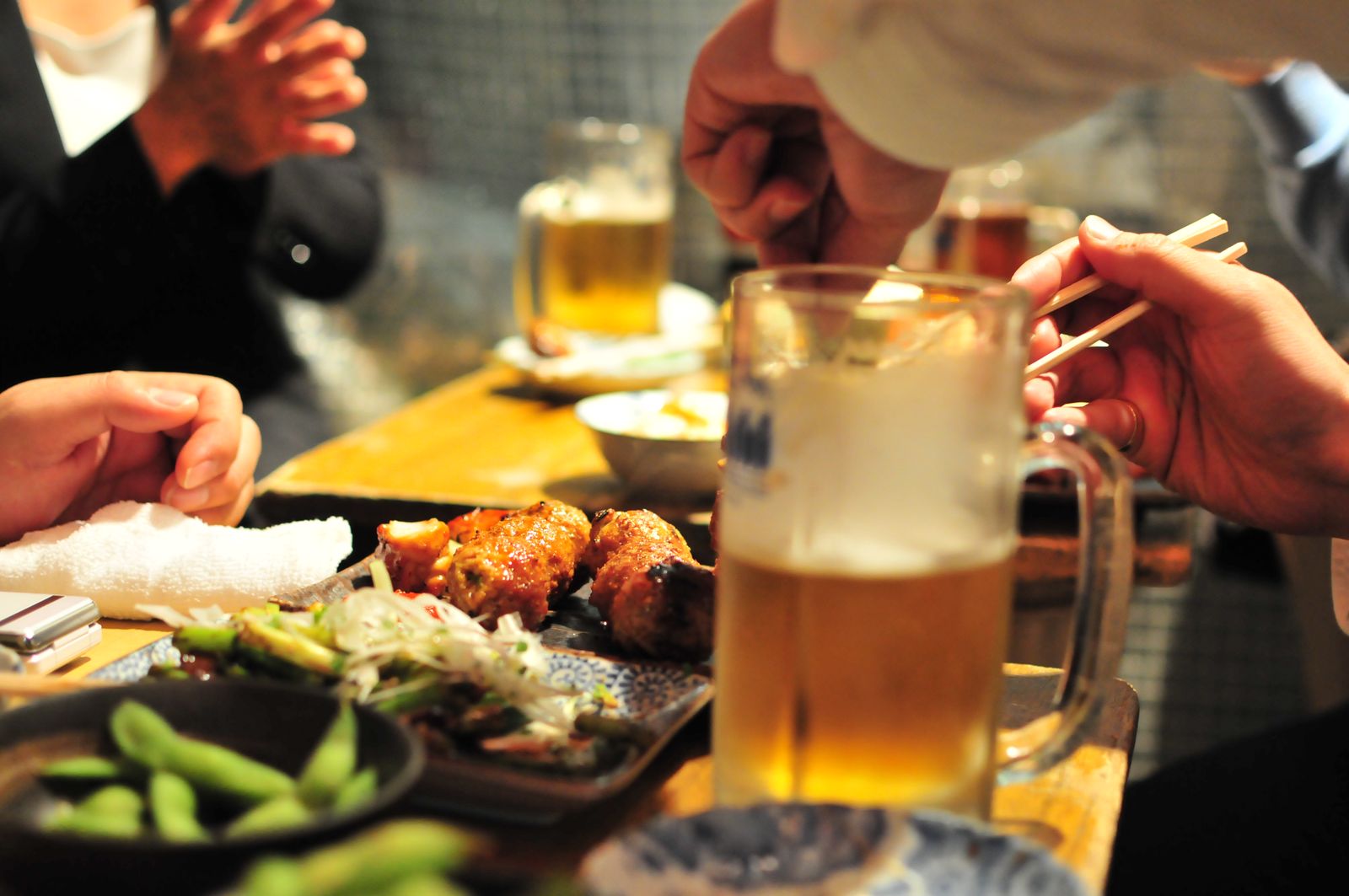
Walking into a chimaek restaurant can be overwhelming if you don't know the local shorthand. The first word to learn is anju. In Korea, alcohol is rarely consumed without food, and chicken is the king of anju. If you cannot decide between the savory original and the spicy sauced version, simply order banban, which translated to half-and-half.
The chimaek menu is incomplete without its supporting cast. You will always be served a small bowl of chicken-mu, which are sweet and tangy pickled radish cubes. These are not merely a side dish; they are a functional palate cleanser designed to cut through the richness of the fried food and the carbonation of the beer. In many modern establishments, you will also find pa-chae, or a nest of razor-thin shredded scallions, often served with a pungent mustard dressing to add a sharp, fresh contrast to the meal.
For a nostalgic experience, seek out a traditional hof-style pubs. These are old-school drinking halls, often dimly lit with wood accents, where the beer is served in chilled mugs or massive tornado beer towers. Here, the atmosphere is loud, communal, and perfectly suited for the boisterous energy of a soccer match.
Expert Tip: When wondering what to order in a korean chimaek restaurant, look for "Sun-sal." This refers to boneless chicken, which is the preferred choice for many during a game because it allows you to keep your eyes on the screen without fumbling with bones.
Game Day Logistics: 2026 World Cup Viewings and Stadium Delivery
As the 2026 World Cup approaches, the excitement in Seoul is already palpable. Modern Korean fan culture has evolved alongside the nation's technological prowess. Today, the ritual isn't limited to the pub; it has moved to the riversides and the stadium stands.
For those planning to attend 2026 World Cup viewings at Gwanghwamun Square or Yeouido Hangang Park, the secret is in the food delivery apps. Using apps like Baedal Minjok or Coupang Eats, you can drop a pin on a specific park bench or a designated delivery zone, and a rider will arrive with a piping hot box of chicken.
Even more impressive is the stadium culture. Knowing how to get chimaek delivered in seoul stadiums is essential for a K League match or a national team international. Many stadiums have integrated delivery services where you can order via a QR code on your seat, or you can pick up your pre-ordered feast at a specific gate. Popular korean fried chicken franchises for chimaek like Kyochon or bhc Group often have kiosks directly inside the concourse.
On match days, the demand is breathtaking. When South Korea played its first 2022 FIFA World Cup match, the bhc Group reported a 200-percent jump in sales compared to the previous month. This surge is a testament to how deeply the pairing is woven into the sporting calendar.
| Term | Meaning | Role in Ritual |
|---|---|---|
| Anju | Food paired with alcohol | Necessary accompaniment for drinking |
| Banban | Half-and-half | Allows for variety in a single order |
| Chimaek | Chicken + Maekju | The overarching cultural pairing |
| Chicken-mu | Pickled radish | Palate cleanser for the "refresh" |
| Pa-chae | Green onion salad | Topping for a sharp, savory bite |
Seoul’s Top Chimaek Hotspots: From Hongdae to Cheongdam-dong
If you are hunting for the best chimaek in seoul, your journey must bridge the gap between tradition and innovation. Each neighborhood offers a different shade of the chimaek experience.
- Kyochon Chicken (Dongdaemun): Often cited as the pioneer of the soy-garlic glaze, Kyochon offers a thinner, saltier crust that pairs exceptionally well with a crisp local lager like Cass or Terra.
- Hyodo Chicken (Cheongdam-dong): For a gourmet twist, this Michelin-inspired spot offers elevated flavors. Their signature includes chicken topped with fried shishito peppers and anchovies, providing a sophisticated take on traditional chimaek sides and etiquette.
- The Best Chimaek in Hongdae: For the youth and party vibe, places like Noo Na Hol Dak offer oven-baked versions that claim to be healthier but provide no less of a crunch. The energy here during a soccer match is unmatched outside of a stadium.
- bhc Chicken: Known for their "Bburinkle" chicken—fried chicken coated in a savory, cheesy seasoning—this is a favorite for the younger generation of fans who enjoy bold, experimental flavors.
Whether you find yourself in a high-rise in Cheongdam or on a picnic mat by the Han River, the spirit of the meal remains the same. It is about the shared anticipation of a game, the cold condensation on a beer glass, and the simple, universal joy of perfect fried chicken.
FAQ
What is Korean chimaek?
It is a culinary pairing that combines fried chicken with beer. The name itself is a portmanteau of the English word chicken and the Korean word for beer, maekju. It is considered a social ritual rather than just a meal, typically enjoyed during sports events or as an evening social activity.
Why is chimaek so popular?
Its popularity stems from its communal nature and the perfect sensory balance between the crunchy, rich fried chicken and the cold, carbonated beer. It gained massive cultural momentum during the 2002 World Cup and has since been bolstered by its frequent appearances in Korean dramas and media.
Where does the word chimaek come from?
The word was coined by combining the first syllable of chicken (chi) and the first syllable of maekju (maek), which is the Korean word for beer. This type of linguistic blending is common in Korean youth and food culture to describe popular lifestyle pairings.
What is chimek known for?
It is known for the unique double-frying technique of the chicken, which creates an exceptionally crispy skin that stays crunchy even when coated in sauces. It is also famous for its specific side dishes, like pickled radish, and its deep association with soccer fan culture and the Red Devils supporters.
Why is chimaek so popular in Korea?
Beyond the flavor, it is popular because of South Korea's highly efficient delivery infrastructure and the cultural importance of anju, or food eaten with alcohol. The ability to have hot, crispy chicken delivered anywhere—from a home to a riverbank or a stadium—has made it the most accessible and beloved group meal in the country.