Quick Facts
- Total Area: 6 million acres of pristine subarctic wilderness—larger than the entire state of New Hampshire.
- Access: Private vehicles are restricted to the first 15 miles of the 92-mile Park Road. Beyond that, you’ll need a park bus.
- The 2026 Milestone: After years of limited access due to the Pretty Rocks Landslide, the completion of the new bridge is set to restore the full 92-mile journey into the heart of the park for the 2026 season.
- Best Time to Visit: June through early September for full services; late August offers spectacular fall colors.
- Wildlife: Home to the "Big Five": grizzly bears, moose, caribou, wolves, and Dall sheep.
There is a specific kind of silence that only exists in the subarctic—a profound, heavy stillness that makes the scale of Denali National Park feel both intimate and overwhelming. To Alaskans, the mountain is simply "The Great One," a 20,310-foot granite titan that creates its own weather and dictates the rhythm of life for the creatures living in its shadow. For the traveler, Denali is the ultimate American frontier, representing one of the few places left on the planet where wilderness remains truly wild.
If you are planning a visit for the 2026 season, you are arriving at a historic moment. For the first time in years, the legendary Denali Park Road is expected to be fully traversable. The completion of the Pretty Rocks bridge project will once again allow visitors to journey past Mile 43, reaching iconic locations like Eielson Visitor Center and Wonder Lake. Whether you are coming to witness the power of a working sled dog team, trek across the pathless tundra, or catch a glimpse of a grizzly through a bus window, this guide highlights the seven best things to do in Denali to ensure your expedition is as grand as the landscape itself.

Essential Denali Logistics: Getting There & Around
The journey to Denali is as much a part of the experience as the park itself. Located roughly midway between Anchorage and Fairbanks, most visitors arrive via the Parks Highway or the iconic Alaska Railroad. While driving offers flexibility, the train provides a glass-domed perspective of the Nenana River and the rugged interior that no highway can match.
Once you arrive at the park entrance, the logistical dance begins. Denali is unique among US National Parks because of its restricted road access. To preserve the wilderness character and protect wildlife, private vehicles must stop at the Savage River trailhead (Mile 15). To see the deeper reaches of the park, you must understand the bus system.
Understanding the Bus System: 2026 Edition
With the road fully reopening in 2026, the bus system returns to its full glory. There are two primary ways to travel the road: Narrated Tour Buses and Non-Narrated Transit Buses.
| Feature | Narrated Tour Buses (e.g., Tundra Wilderness) | Non-Narrated Transit Buses |
|---|---|---|
| Primary Goal | Sightseeing and education | Transport and flexibility |
| Narration | Full commentary by a trained naturalist | Minimal (driver may point out wildlife) |
| Best For | First-timers, families, and photographers | Hikers and backcountry campers |
| Flexibility | Fixed itinerary; you stay with your bus | Hop-on, hop-off at any point |
| Food/Water | Often includes a snack/box lunch | Bring your own supplies |
Pro Tip: Book your bus tickets months in advance. For the 2026 season, the demand for the full 92-mile journey to Wonder Lake will be unprecedented as the road reopens completely.
1. Take a Narrated Tundra Wilderness Bus Tour
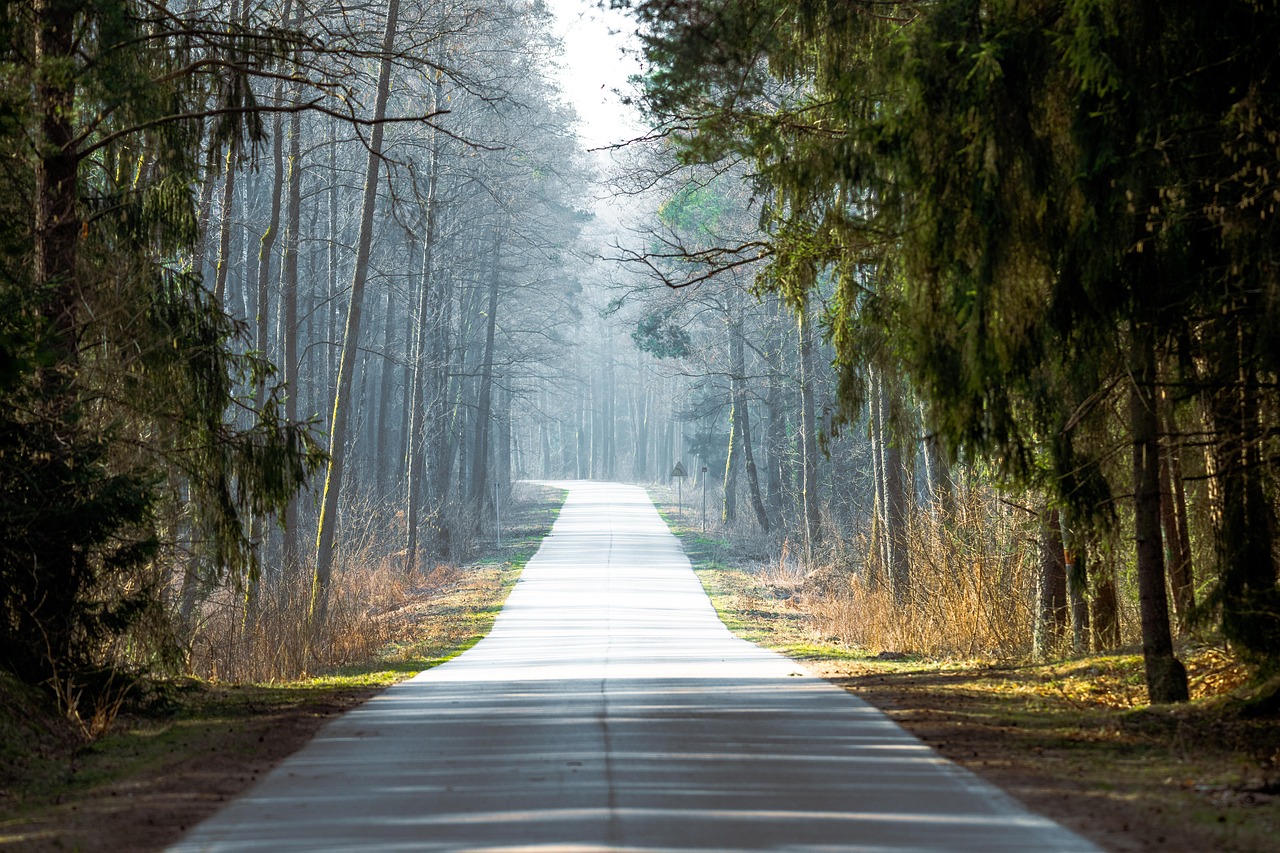
If you have only one full day in the park, the Tundra Wilderness Tour is the gold standard. For the 2026 season, this tour regains its status as a deep-dive expedition. Spanning approximately 5.5 to 8 hours depending on turn-around points, this narrated journey is led by drivers who are part-naturalist, part-historian, and part-wildlife tracker.
As the bus climbs over Sable Pass and winds through the Polychrome Overlook, the landscape shifts from taiga forest to high-alpine tundra. The 2026 reopening means you can once again reach the Toklat River and Eielson Visitor Center, where the views of Denali’s north face are so massive they feel surreal. These buses are equipped with high-tech cameras that allow the driver to zoom in on a distant grizzly or a white speck of a Dall sheep on a ridge, projecting the image onto screens inside the bus for everyone to see.
2. Watch a Sled Dog Demonstration
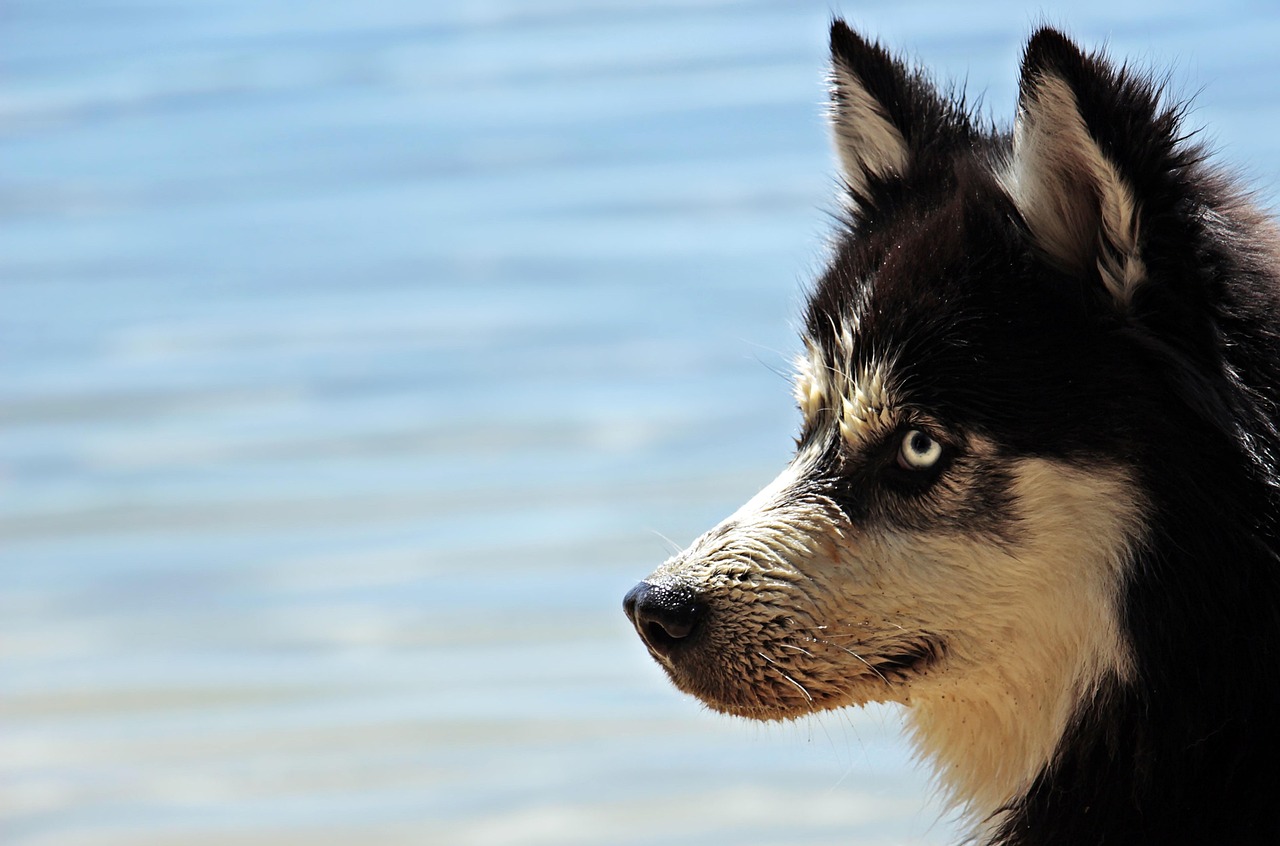
While Denali is a shrine to natural beauty, it is also home to a living cultural tradition. The Denali Sled Dog Kennels house the only working sled dog team in the U.S. National Park Service. These aren't just for show; during the brutal Alaskan winters, these dogs patrol approximately 3,000 miles of backcountry terrain where motorized vehicles are prohibited.
Visitors can take a free shuttle from the Visitor Center to the kennels to meet the huskies. The highlight is the 30-minute demonstration, held three times daily during the peak season. You’ll watch as the dogs—visibly vibrating with excitement—are harnessed to a wheeled cart to demonstrate their power and discipline. It is a stirring reminder of how humans and animals have co-existed in this harsh climate for centuries.
3. Hike the Savage Alpine Trail for Aerial Views
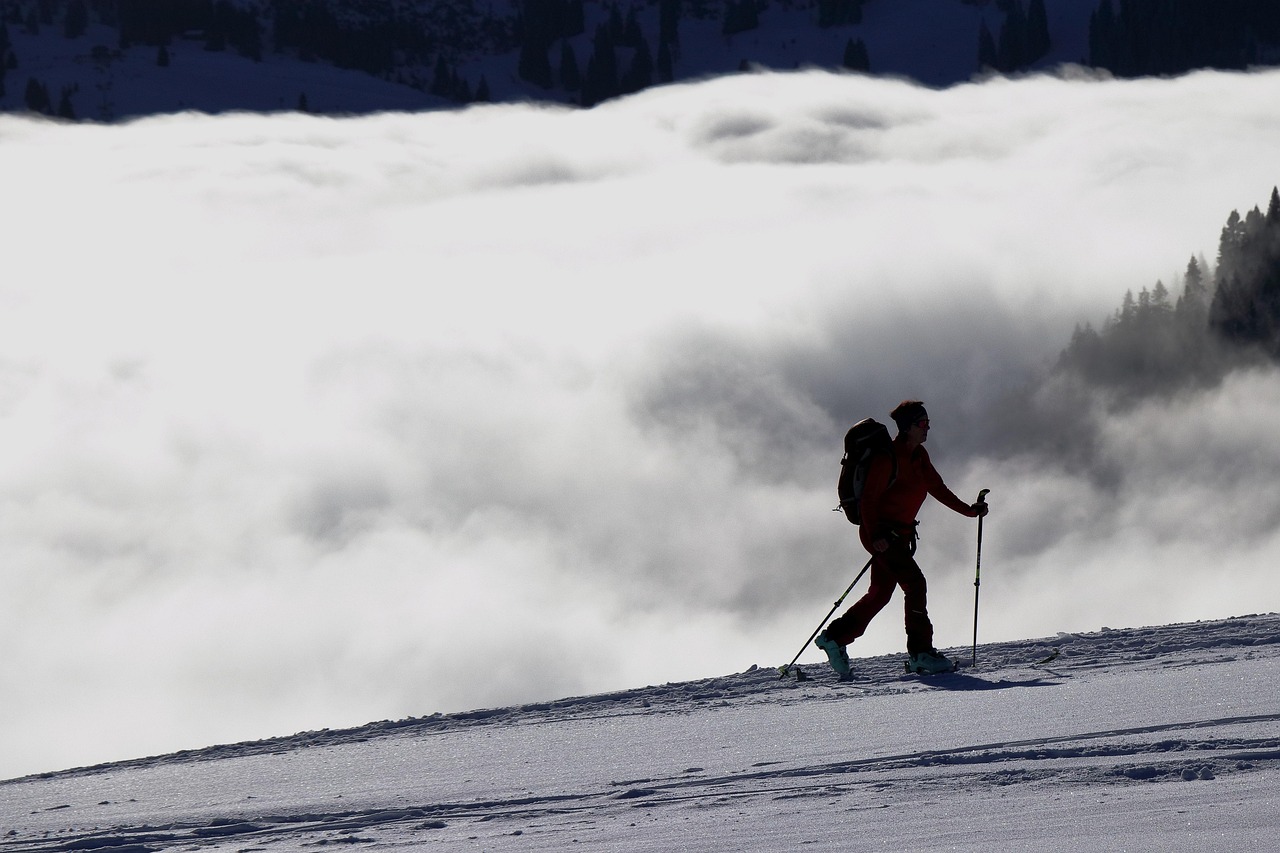
For those who want to earn their views, the Savage Alpine Trail is arguably the best "bang-for-your-buck" hike in the park. This 4-mile point-to-point trail connects the Savage River area (Mile 15) with the Mountain Vista rest area. It is a strenuous climb, gaining about 1,500 feet of elevation, but the reward is a panoramic vista of the Alaska Range that rivals any view from the road.
As you ascend the rocky switchbacks, keep an eye out for Arctic ground squirrels (locally known as "parkas") and the occasional Dall sheep grazing on the higher slopes. The trail stays high on the ridge for a significant stretch, providing a literal bird's-eye view of the winding Savage River below and the vast, treeless valley stretching toward the horizon.
- Distance: 4 miles (6.4 km) point-to-point
- Difficulty: Strenuous
- Time: 2-3 hours
- Elevation Gain: 1,500 feet
4. Explore the Horseshoe Lake Trail
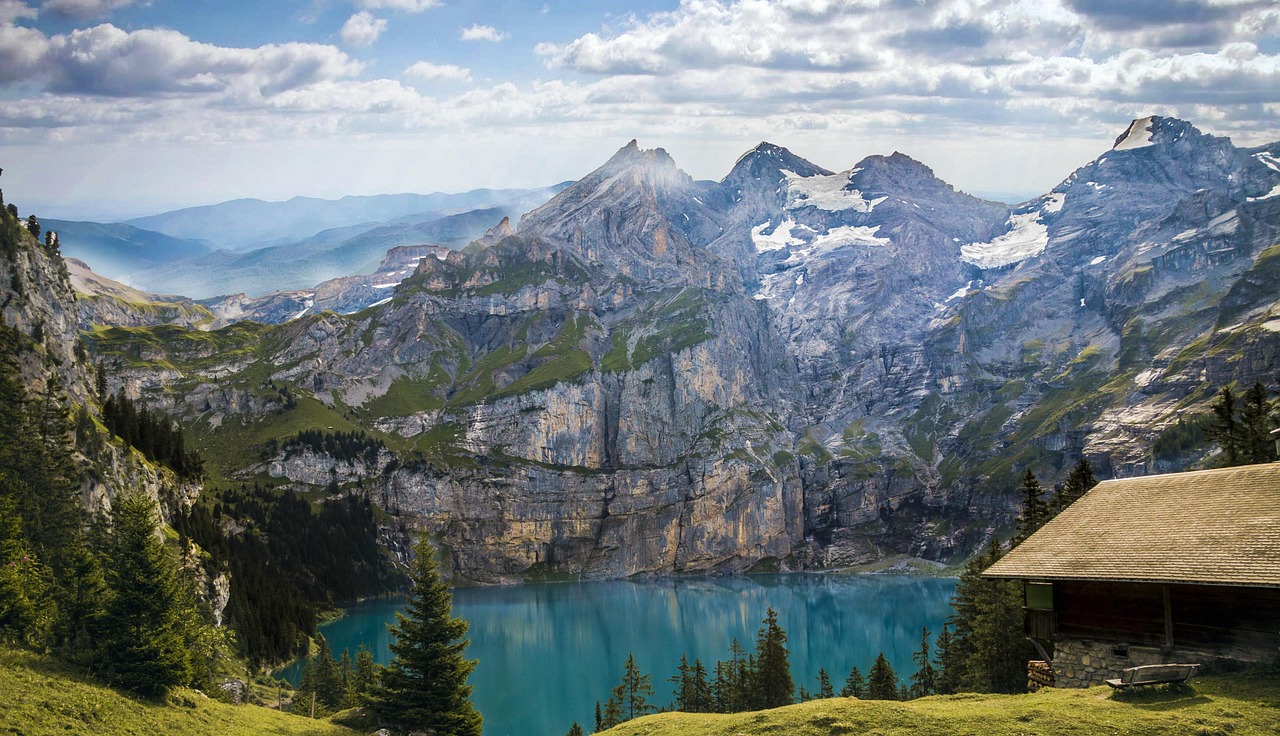
If the Savage Alpine Trail sounds a bit too daunting, the Horseshoe Lake Trail offers a gentler, though no less beautiful, alternative. Located near the park entrance, this trail descends through a lush forest of spruce and aspen to a shimmering oxbow lake.
The lake is a hotspot for moose, who often wade into the shallows to feed on aquatic plants during the early morning or late evening. You’ll also find an impressive beaver dam at the far end of the lake. The trail follows the perimeter of the water, offering several quiet spots to sit and absorb the reflection of the surrounding peaks. It’s an ideal hike for families or those looking for a peaceful walk before catching a train.
- Distance: 2.5 miles (4 km) roundtrip
- Difficulty: Easy to Moderate (one steep section near the start)
- Time: 1.5 hours
5. Experience Flightseeing with a Glacier Landing
To truly comprehend the scale of Denali, you have to leave the ground. Flightseeing tours are the only way to see the 20,310-foot summit up close, as the mountain is often shrouded in clouds from the perspective of the road.
Departing from either the park entrance or the nearby town of Talkeetna, these small planes soar over jagged granite peaks and massive glaciers that look like frozen rivers from above. Many tours offer an optional glacier landing, where the pilot touches down on a literal sea of ice. Stepping out of the plane into the silence of the high Alaska Range is a transformative experience—one that puts the "Great" in "The Great One."
Explore Authorized Flightseeing Operators →

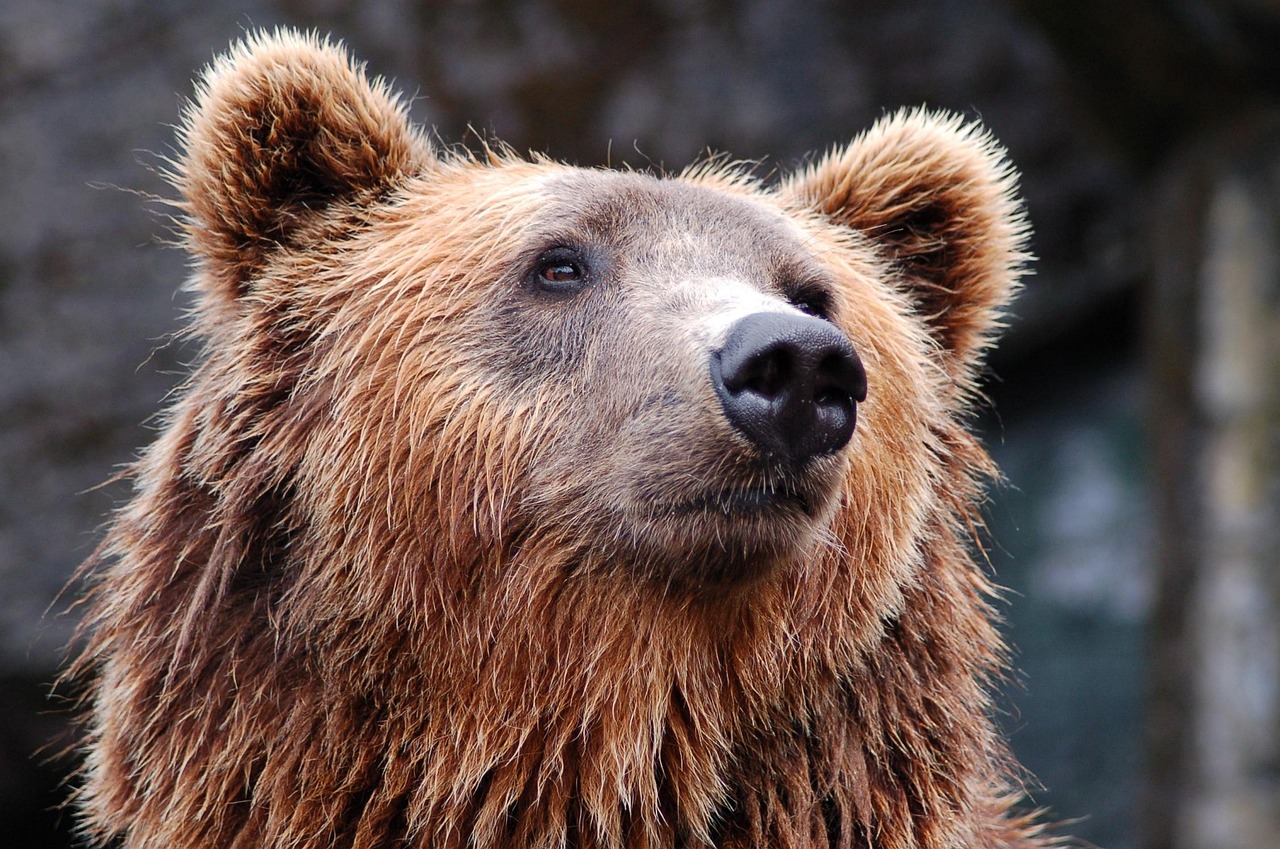
6. Spot the 'Big Five' Wildlife
Denali is often called the "Serengeti of the North." Unlike many other parks where wildlife is elusive, the open tundra of Denali makes it one of the best places in the world to see large mammals in their natural habitat.
The "Big Five" of Denali include:
- Grizzly Bears: Often seen foraging for berries on the hillsides.
- Moose: Found in the willow thickets near the park entrance and Riley Creek.
- Caribou: Look for them in the higher, cooler mountain passes.
- Dall Sheep: Look for white dots high on the rocky cliffs (Igloo Canyon is a prime spot).
- Wolves: The rarest of the five, but often spotted in the early morning near the East Fork River.
Expert Safety Tip: Denali is bear country. While you are safe inside a bus, if you are hiking, you must carry bear spray and know how to use it. Always maintain a distance of at least 300 yards from bears and wolves, and 25 yards from other wildlife.
7. The Savage River Loop & Mile 15 Exploration
For those who prefer a "Do-It-Yourself" day without the commitment of a full-day bus ride, the Savage River area at Mile 15 is the place to be. This is the furthest point you can drive your own vehicle.
The Savage River Loop is a flat, two-mile trail that follows the banks of the river through a dramatic canyon. It’s an accessible way to experience the transition from forest to tundra. The area is also the site of many "off-trail" hiking opportunities. In Denali, you are encouraged to hike off-trail (with proper navigation skills), and the open ridges around Savage River provide the perfect terrain for a custom adventure.
- Distance: 2 miles (3.2 km) loop
- Difficulty: Easy
- Time: 1 hour
Planning Your 2026 Visit
As the park prepares for the full reopening of the road, the 2026 season is expected to be busy. To make the most of your trip, consider the following:
- When to Go: Mid-June to mid-August offers the best weather and longest days. However, late August brings the "tundra fire"—the period when the vegetation turns a brilliant crimson and gold, and the mosquitoes finally disappear.
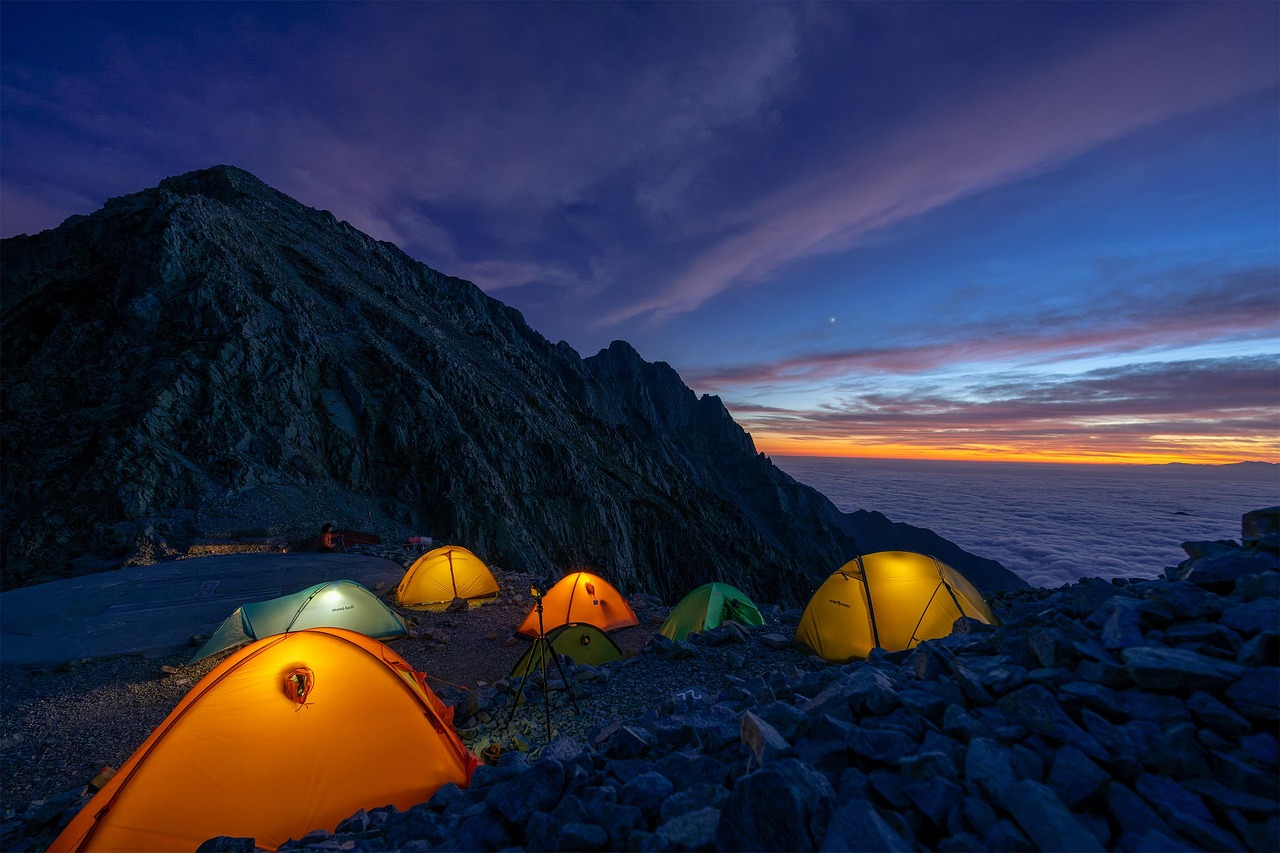
- Where to Stay: For a traditional experience, the lodges in McKinley Park (just outside the entrance) are convenient. For a true immersion, book a campsite at Riley Creek or Savage River. If you want the ultimate 2026 experience, aim for a stay at one of the fly-in or bus-in lodges at the end of the road in Kantishna.
- Packing Essentials: Layers are non-negotiable. Even in July, temperatures can drop to near freezing at night. Bring moisture-wicking base layers, a fleece mid-layer, and a high-quality waterproof shell.
FAQ
Q: Can I drive my own car to Eielson Visitor Center in 2026? A: No. While the road will be fully open, the restriction on private vehicles past Mile 15 remains in place. You must use the park’s narrated tours or transit bus system to go further.
Q: Is the Pretty Rocks Landslide still an issue? A: The landslide itself is still active, but the new bridge—set for completion in 2026—is designed to span the unstable area, safely restoring access to the rest of the 92-mile road.
Q: Do I need a permit for hiking? A: You do not need a permit for day hiking on or off-trail. However, if you plan to camp overnight in the backcountry, you must obtain a backcountry permit at the Denali Bus Depot.
Start Your Denali Adventure
The reopening of the Denali Park Road in 2026 marks a new chapter for this legendary park. Whether you're watching the huskies prepare for a winter run or standing on a ridge looking out over the Alaska Range, Denali offers a sense of perspective that is hard to find anywhere else on Earth.