Quick Facts
- Avoid the Overtourism Surge: With over 747 million international tourists visiting Europe annually, winter travel in 2026 has become the most effective strategy for reclaiming the continent from "summer fatigue."
- Significant Savings: Off-season travelers (January–February) typically report a 40–60% reduction in museum queue times and hotel rates compared to the peak July–August window.
- Diverse Winter Personas: Whether you seek the "The Serene" (Venice), "The Adventurer" (Interlaken), or "The Festive Soul" (Tallinn), Europe’s winter landscapes offer more than just cold weather—they offer authenticity.
- The 2026 Outlook: Expect 2026 to be a peak year for Northern Lights activity in the Arctic and a technological milestone for European rail connectivity, making multi-city winter tours easier than ever.
The golden age of European travel has, in some ways, become a victim of its own success. During the sweltering months of July and August, the continent’s most beloved piazzas and boulevards are often more a test of endurance than an invitation to explore. But as the mercury drops and the 747 million annual international visitors retreat, a different Europe emerges.
In 2026, the savvy traveler is looking toward the "quiet months." Winter travel is no longer just about skiing; it is about reclaiming "La Serenissima" in Venice without the selfie sticks, or finding a private sunset in Santorini. By choosing the off-season, you aren’t just saving 40-60% on queue times and luxury suites; you are witnessing these storied destinations in their most authentic, unmasked state. From the mist-shrouded canals of Italy to the neon glow of the Aurora Borealis in Finland, here are the 29 best European cities to visit this winter.
I. The Serene Classics: Iconic Cities Without the Crowds
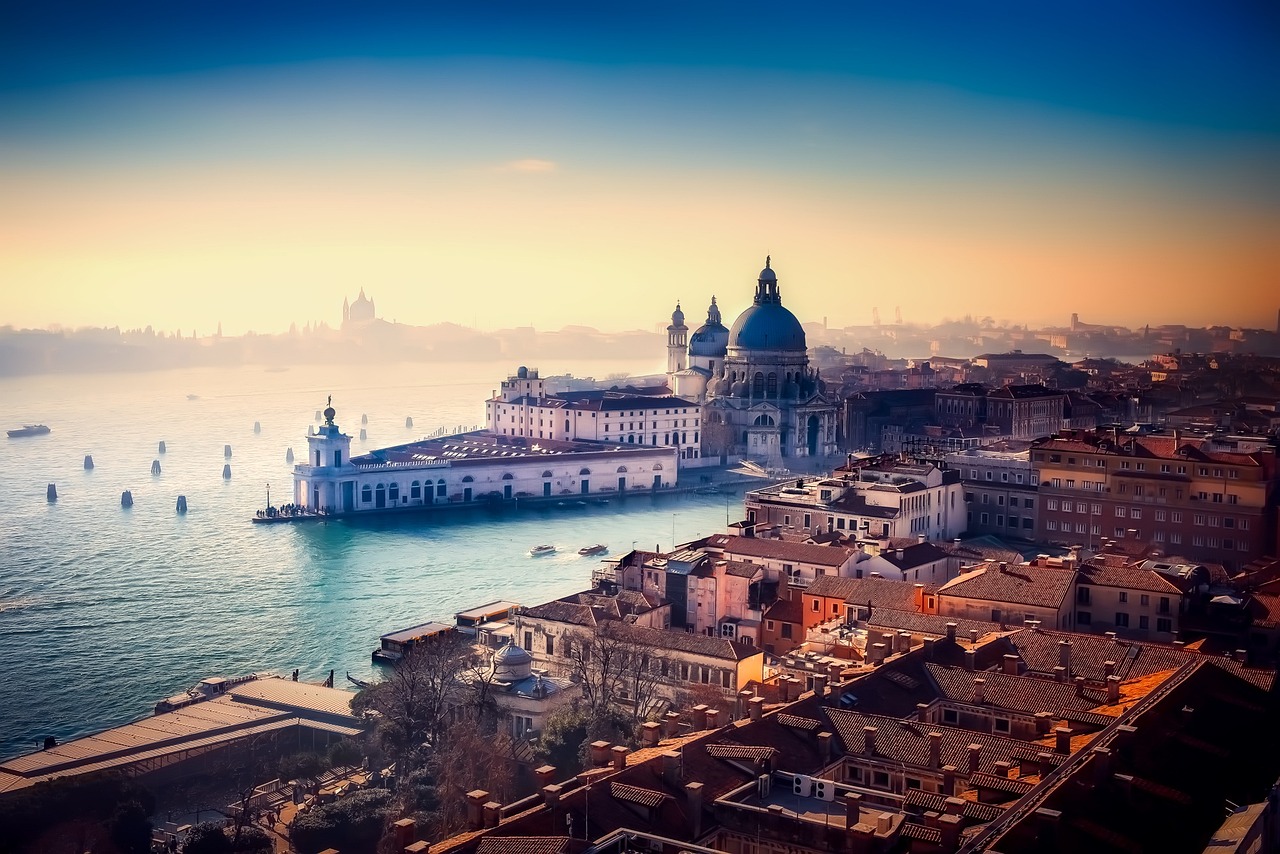
1. Venice, Italy: Reclaiming 'La Serenissima'
Venice in winter is a city of echoes and shadows. The heavy humidity of summer yields to a crisp, ethereal mist that rises from the lagoon, veiling the Grand Canal in a poetic mystery. Without the cruise ship crowds, St. Mark’s Basilica becomes a place of quiet reflection rather than a bottleneck.
Pro-Tip: Pack waterproof boots for Acqua Alta (high water) events, which are handled with practiced ease by locals. Seeing the reflected lights of Piazza San Marco in a thin layer of water is a once-in-a-lifetime photographic opportunity.
2. Paris, France: The Dazzling City of Light
Paris never truly sleeps, but in winter, it breathes. The lines at the Louvre shrink, and the grand department stores like Galeries Lafayette transform into glass-domed wonderlands of light. It is the season of chocolat chaud at Angelina and long, unhurried afternoons in the jazz clubs of Saint-Germain-des-Prés.
3. Dubrovnik, Croatia: A Medieval Winter Tale
Known globally as a filming location for Game of Thrones, Dubrovnik is often suffocated by its own fame in August. Come December, the Dubrovnik Winter Festival brings traditional caroling, artisanal markets, and the scent of bitter orange and cinnamon to the Stradun. It is one of the few places where you can walk the city walls in near-total solitude.
4. Istanbul, Turkey: Hammams and Bazaars
Winter in Istanbul is cool but rarely freezing. It is the perfect climate for hopping between the Hagia Sophia and the Blue Mosque without the heat-induced fatigue. After exploring the Grand Bazaar—where shopkeepers have more time to haggle and share tea—retreat to a centuries-old hammam for a steam and a scrub.
5. Amsterdam, Netherlands: The Light Festival Era
Amsterdam’s canals become the canvas for the annual Light Festival. In 2026, expect cutting-edge AI-integrated light installations that react to the movement of boats. The cold is easily countered by stamppot (mashed potatoes and sausage) and the cozy, candle-lit atmosphere the Dutch call gezelligheid.
6. Rome, Italy: Ancient Solitude
Rome in February is a revelation. The Spanish Steps are empty at dawn, and you can practically hear the ghosts of gladiators in a quiet Colosseum. The crisp air makes the climb to the top of St. Peter’s Basilica far more pleasant than in the July heat.
7. Athens, Greece: The Quiet Acropolis
The Acropolis is a different monument when you aren't sharing it with thousands of others. The Mediterranean sun is mild, the sky is often a brilliant blue, and the modern city below hums with a local energy that is lost during the peak tourist season.
| City | Avg. Temp (°C) | Crowd Level | Signature Winter Activity |
|---|---|---|---|
| Venice | 3°C - 7°C | Low | Gondola ride through the mist |
| Paris | 3°C - 8°C | Moderate | Evening at a Montmartre bistro |
| Dubrovnik | 9°C - 13°C | Very Low | Walking the medieval city walls |
| Istanbul | 5°C - 10°C | Moderate | Traditional Turkish bath experience |
II. The Adventurers’ Playground: Alpine Peaks & Northern Lights
8. Interlaken, Switzerland: The Adrenaline Capital
Interlaken is the definitive choice for those who find "relaxing" boring. While it’s a gateway to the Jungfrau region’s world-class skiing, the real winter magic happens on the water. Winter kayaking on the turquoise, glass-like Lake Brienz offers a perspective of the Alps that few ever see. For the truly brave, paragliding over the snow-covered peaks provides an unmatched bird's-eye view of the Bernese Oberland.
9. Rovaniemi, Finland: The Official Home of Santa
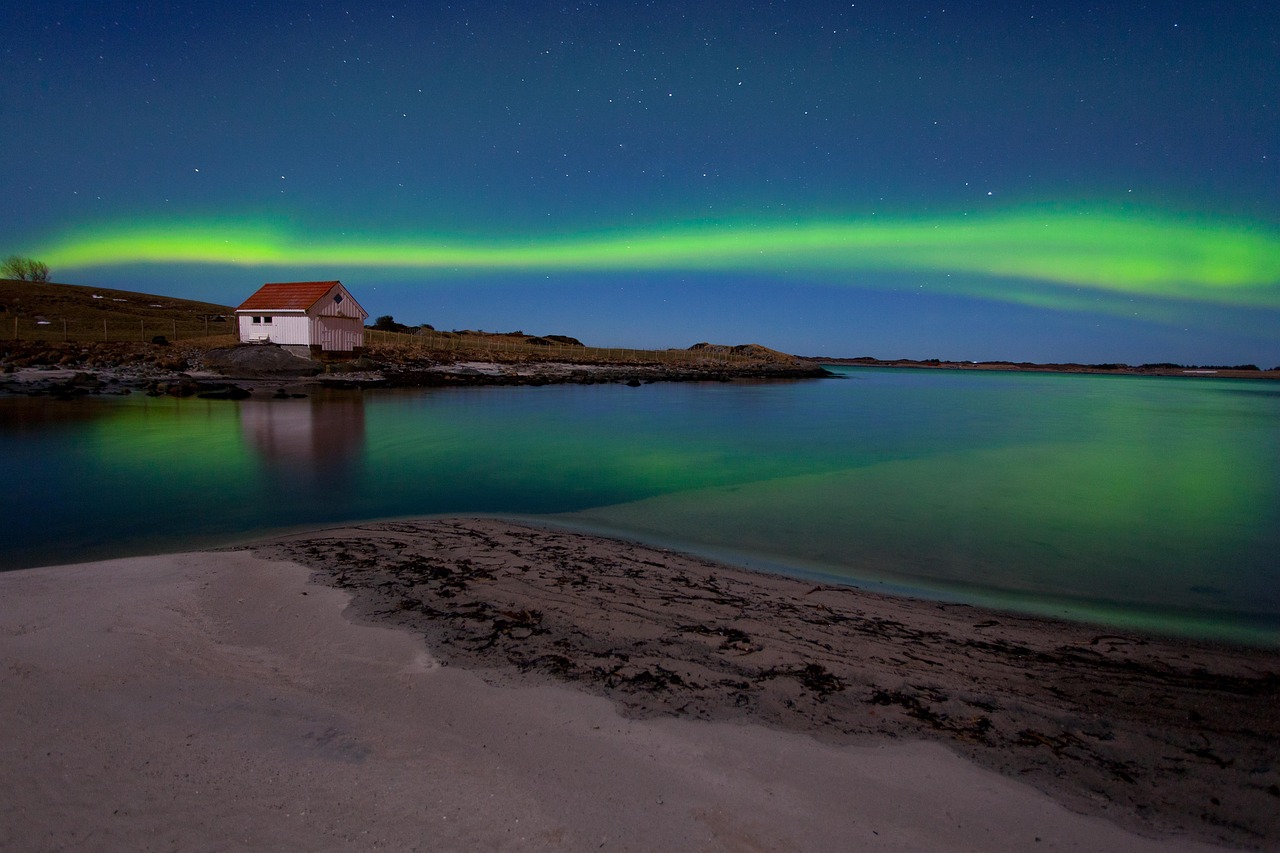
Located on the Arctic Circle, Rovaniemi is the heart of winter enchantment. Beyond the Santa Claus Village, 2026 is forecast to be a peak year for solar activity, making it a prime destination for hunting the Northern Lights. Whether you choose a reindeer safari or a night in a glass igloo, the Lapland wilderness is transformative.
10. Zermatt, Switzerland: Car-Free Romance
Zermatt is the pinnacle of Alpine luxury. As a car-free village, the only sounds you’ll hear are the crunch of fresh snow and the bells of horse-drawn carriages. Skiing here is legendary, with the Matterhorn serving as a constant, majestic backdrop.
Pro-Tip: Take the Gornergrat Bahn—the highest open-air cogwheel railway in Europe—for a panoramic view of 29 peaks rising above 4,000 meters.
11. Tromsø, Norway: Arctic Wonders
Often called the "Paris of the North," Tromsø is a vibrant university town surrounded by fjords. Visit the Arctic Cathedral with its stunning glass facade, or explore the world's northernmost botanical garden, which takes on a surreal beauty when covered in frost.
12. Lucerne, Switzerland: The Lilu Light Festival
Lucerne combines lake-side elegance with mountain access. In January, the Lilu Light Festival illuminates the city’s historical landmarks. It’s also the perfect base for a day trip to the Rigi Kaltbad Mineral Baths, where you can soak in hot springs while looking out over a frozen landscape.
13. Ilulissat, Greenland: The Stunning Silence
For those truly wishing to escape the 2026 crowds, Greenland is the final frontier. The UNESCO Ilulissat Icefjord is a cathedral of ice. Winter here is silent, stark, and utterly beautiful, devoid of the summer mosquitos and catering to those seeking profound isolation.
14. Innsbruck, Austria: Olympic Heritage
A two-time Winter Olympics host, Innsbruck is the only major city where you can go from a medieval Old Town to a high-altitude ski resort in 20 minutes via the Nordkette cable car.
| City | Best For | Adventure Level | Key Highlight |
|---|---|---|---|
| Interlaken | Multi-sport | High | Winter Kayaking |
| Rovaniemi | Families/Aurora | Moderate | Reindeer Safaris |
| Tromsø | Aurora Hunters | Moderate | Arctic Cathedral |
| Zermatt | Skiing/Luxury | High | Matterhorn Views |
III. Fairytale Hidden Gems: Markets and Medieval Charms
15. Tallinn, Estonia: The Baltic Secret
Tallinn’s Old Town is a UNESCO-listed marvel of cobblestones and gables. Its Christmas market, centered around a legendary tree that has been a tradition since 1441, is consistently voted the best in Europe. Unlike the sprawling markets of Germany, Tallinn feels intimate and manageable.
16. Zagreb, Croatia: Advent Excellence
For three consecutive years, Zagreb won "Best Christmas Market in Europe," yet it remains surprisingly affordable and less crowded than Vienna. The city transforms into a massive open-air stage with ice skating in King Tomislav Square and live music on every corner.
17. Ljubljana, Slovenia: The Real-Life Fairytale
Slovenia’s capital is one of Europe’s greenest cities, and in winter, its pedestrian-only center is decorated with cosmic-themed lights. It serves as an ideal base for a 45-minute bus ride to Lake Bled, where the iconic island church looks even more magical against a backdrop of snowy Julian Alps.
18. Prague, Czech Republic: Spired and Snow-Dusted
Prague in winter is the setting of a Gothic novel. The scent of trdelník (cinnamon pastry) wafts through the Old Town Square, and the Charles Bridge is stripped of its summer buskers, leaving only the statues and the mist.

19. Nuremberg, Germany: Authentic Traditions
The Nuremberg Christkindlesmarkt is perhaps the world's most famous. While it draws visitors, the city's focus on tradition—specifically its gingerbread and Nürnberger Rostbratwurst—ensures an experience that feels historical rather than commercial.
20. Bruges, Belgium: Medieval Bewitchment
Bruges is charming in summer but enchanting in winter. The canals reflect the glow of the "Winter Glow" light trail, and the city’s world-class chocolatiers (like The Chocolate Line) offer the perfect refuge from the cold.
21. Colmar, France: The Gingerbread Village
Located in the heart of Alsace, Colmar looks like it was designed by a confectioner. Its half-timbered houses and "Little Venice" district are decorated with a level of detail that puts most other festive destinations to shame.
22. Bratislava, Slovakia: Budget-Friendly Charm
Often overlooked for nearby Vienna, Bratislava offers a more rugged, authentic, and wallet-friendly winter experience. The view from Bratislava Castle over the frozen Danube is spectacular.
23. Vilnius, Lithuania: Baroque Beauty
Vilnius boasts one of the largest medieval old towns in Central and Eastern Europe. Its Christmas tree is traditionally an architectural masterpiece, often featuring avant-garde designs that draw global attention.
24. Ghent, Belgium: The Student Energy
Ghent offers the medieval beauty of Bruges but with a livelier, student-driven energy. The Gentse Winterfeesten includes a massive ice skating rink and a "moose bar" for late-night festivities.
IV. The Winter Sun-Seekers: Mild Climates and Mediterranean Light
25. Oia, Santorini: The Private Sunset
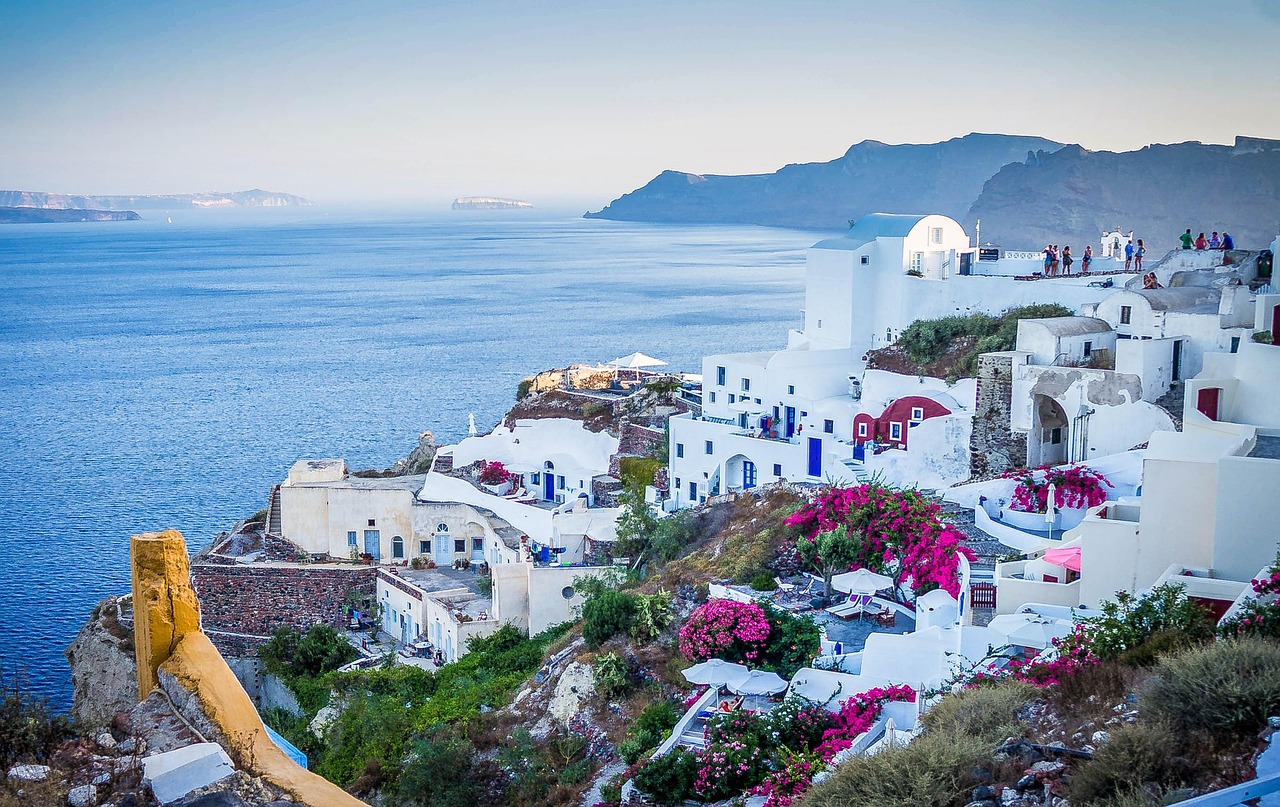
In July, you have to fight for a spot to see the Oia sunset. In January, you can have the entire caldera view to yourself. With temperatures hovering around 10-15°C (50-60°F), it’s perfect for hiking the trail from Fira to Oia without the heat.
26. Valletta, Malta: The Golden Fortress
Malta enters its "green season" in winter. The islands are lush, the wildflowers begin to bloom, and the crowds at the megalithic temples vanish. The capital, Valletta, remains pleasantly warm and vibrant.
27. Seville, Spain: Moorish Elegance
Seville is famously one of the hottest cities in Europe. Winter is the only time when exploring the Alcázar’s gardens is truly comfortable. You can enjoy tapas in the sun and witness the orange trees laden with fruit.
28. Funchal, Madeira: The Secret Garden
Madeira is the island of eternal spring. Funchal hosts one of the world's largest New Year's Eve firework displays (a Guinness World Record holder). The hiking trails, or levadas, remain open and lush year-round.
29. Canary Islands, Spain: Volcanic Warmth
If you need a "real" beach day in January, the Canaries are your best bet. With temperatures reaching 21°C (70°F), islands like Tenerife and Lanzarote offer volcanic landscapes and Atlantic sunshine while the rest of Europe shivers.
Practical Guide: Planning Your 2026 Winter Escape
Navigating Europe in the off-season requires a slightly different approach than a summer trek. Here is how to maximize your 2026 journey:
1. Budgeting for 2026 While flight prices are generally lower, keep an eye on "Luxury Hubs" vs. "Value Hubs." Switzerland and Norway remain premium destinations. For luxury on a budget, look toward the Baltics (Tallinn, Vilnius) or the Balkans (Zagreb, Ljubljana), where five-star accommodations often cost half of what you’d pay in London or Paris.
2. The Art of Layering European winter is unpredictable. You may experience a sunny 15°C in Seville and a snowy -10°C in Tallinn on the same trip. We recommend high-quality merino wool base layers and a waterproof, insulated outer shell. This allows you to transition comfortably from a drafty medieval museum to a heated cafe.
3. Transport: The Reliability of Rail Europe’s rail network is exceptionally resilient in winter. High-speed trains like the Eurostar, TGV, and Railjet are rarely delayed by snow, unlike regional flights. In 2026, new night train routes are expected to connect more European capitals, allowing you to wake up in a new country without losing a day of exploration.
FAQ
Is it too cold to enjoy Europe in winter? It depends on your destination. Southern Europe (Spain, Malta, Greece) offers mild, spring-like weather. Northern and Central Europe offer a "true" winter with snow and festive lights. If you dress in layers, the lack of crowds more than compensates for the chill.
Are Christmas markets open after December 25th? Many markets in Germany and Austria close on the 24th or 25th. However, markets in the Czech Republic, Estonia, and many "Advent" festivals in Croatia and Italy stay open until early January (Epiphany).
Is winter travel in Europe significantly cheaper? Yes. Aside from peak Christmas/New Year weeks and ski resorts during school holidays, you can expect 30-50% lower prices on boutique hotels and airfare compared to July.
The beauty of Europe in winter lies in the intimacy of the experience. It is the season of the "Quiet Traveler"—the person who would rather hear the lapping of water in a Venetian canal than the roar of a tour bus. In 2026, as the world continues to navigate the challenges of overtourism, the winter months offer more than just a vacation; they offer a return to the soul of the destination.