Quick Facts
- The 2026 Pivot: Hong Kong has transitioned from a high-octane "Capital of Capitalism" to a city looking inward, prioritizing heritage preservation, local artistry, and home-grown culinary mastery.
- Cultural Icons: Must-visit sites include M+ for world-class visual culture, Tai Kwun for its masterful blend of colonial history and contemporary art, and PMQ for local design.
- Green Splendor: Despite its vertical reputation, approximately 38% of Hong Kong’s territory is designated as protected country parkland, offering some of the best urban hiking in the world.
- Culinary Peak: The city remains a global gastronomic titan, with the restaurant 'Wing' currently ranked number 20 on the World’s 50 Best Restaurants list.
- Optimal Timing: The best window to visit is October to December, when the humidity breaks, leaving clear skies and cool breezes perfect for exploration.
Introduction: The City That Found Its Soul Within
For decades, the narrative of Hong Kong was written in the language of commerce—a glittering skyline built on the foundations of global trade and colonial transition. But as we step into 2026, a new chapter has emerged. The city hasn't just recovered; it has reinvented itself by looking inward. There is a palpable shift in the air, a movement away from being a "shopping mall for the world" toward becoming a sanctuary for its own stories.
I often think of Hong Kong as a "Time Machine." One moment you are standing in the shadow of a glass-and-steel monolith in Central, and the next, you are tucked away in a quiet Sham Shui Po alleyway where the smell of brewing herbal tea and the rhythmic clinking of a metalworker’s hammer transport you to the 1960s. This year, the city feels more authentic than ever. It is a place where old industrial factories have been reclaimed by painters and potters, and where the most coveted tables are not found in gilded hotels, but in "private kitchens" hidden behind nondescript office doors.
Understanding Hong Kong’s Cultural Reinvention in 2026
How is Hong Kong reinventing its identity in 2026? The city is moving beyond its colonial past by looking inward, with local artists transforming old factories into creative hubs like the Jockey Club Creative Arts Centre (JCCAC) and chefs like ArChan Chan and Vicky Cheng revitalizing Cantonese cuisine through personal and heritage-driven perspectives.
This reinvention is most visible in the way the city treats its "lost" spaces. The JCCAC in Shek Kip Mei is a prime example: a former factory building that now houses over 100 artists and creative organizations. Here, the raw, industrial heritage of the city is not demolished but celebrated, providing a canvas for a generation of creators who are more interested in local identity than global trends.
Similarly, the culinary scene has moved past the era of mere fusion. Today’s top chefs are obsessed with lineage. They are digging through old family recipes and forgotten techniques to present a version of Cantonese food that is both deeply traditional and startlingly modern. It is this "inward gaze"—this pride in being uniquely Hong Kong—that makes the city the most exciting travel destination of 2026.
The Ultimate 4-Day Hong Kong Itinerary 2026
To experience this metamorphosis, one must balance the iconic with the intimate. This itinerary is designed to show you both the grand skyline and the quiet, soulful corners that define the city today.
Day 1: The Classics Reimagined
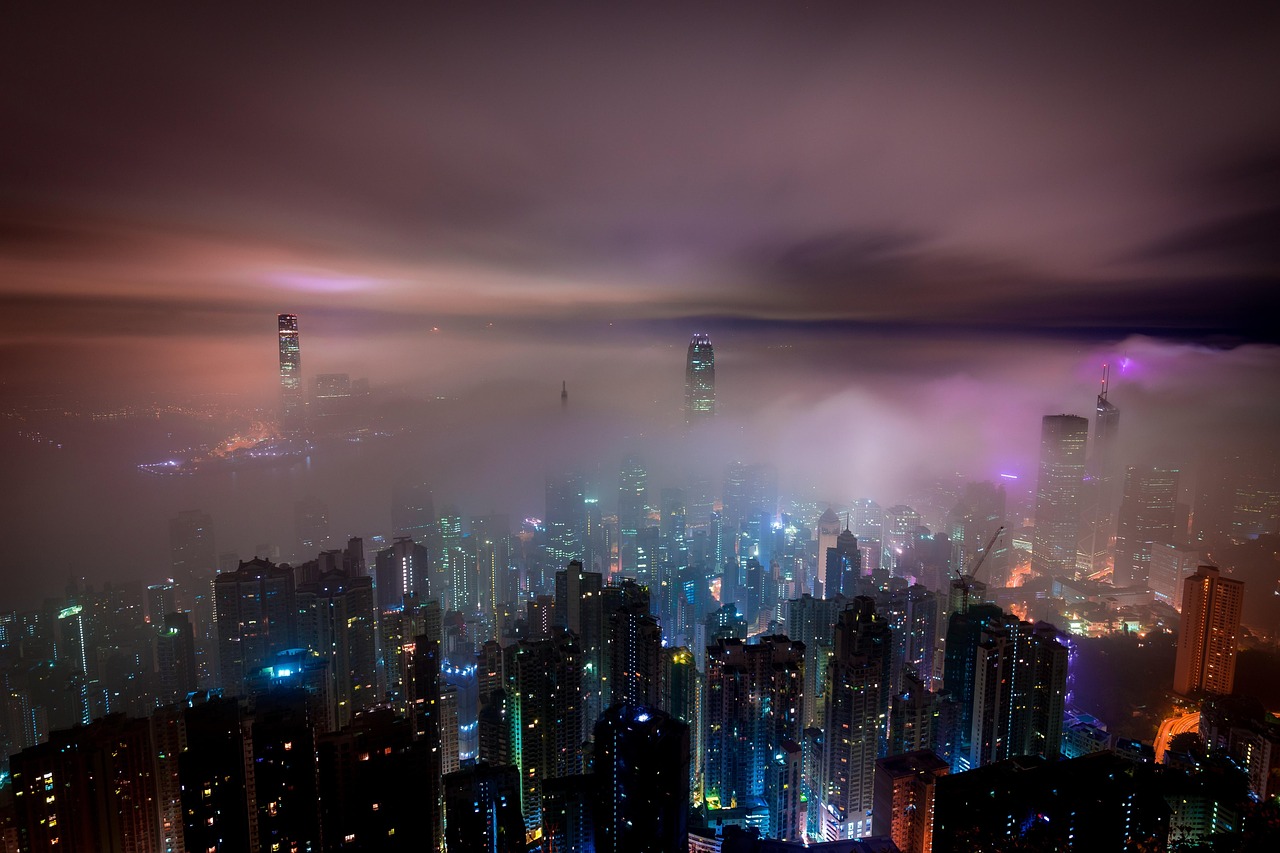
Start your journey by re-engaging with the classics. The Peak Tram, a marvel of engineering since 1888, offers a literal "tilt" on the world as it climbs the steep mountainside. At the top, skip the commercial towers and walk the Morning Trail for a panoramic view of the harbor that feels both timeless and fresh.
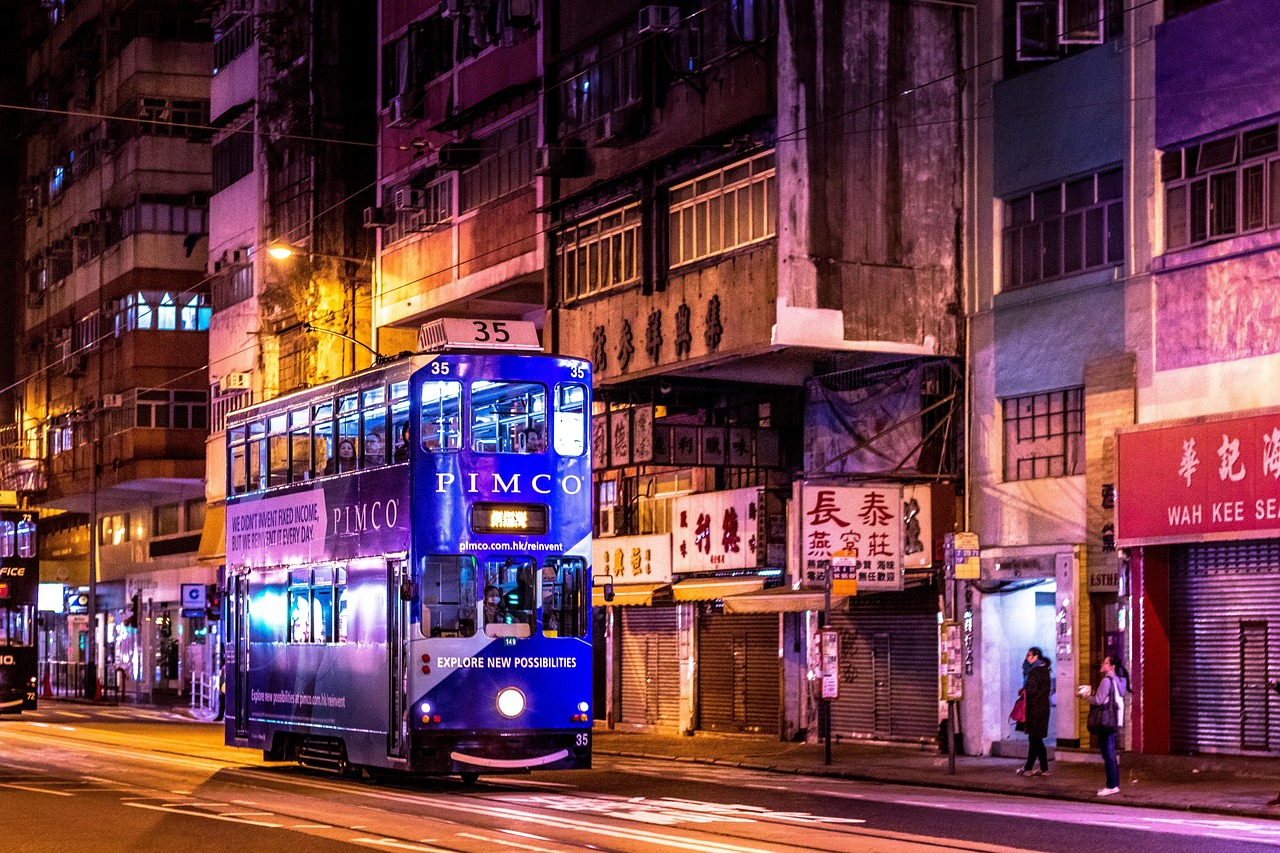
In the afternoon, descend to the level of the streets. Board the "Ding Ding" tram—the city’s beloved double-decker electric trams. For just a few dollars, you can ride from Central to Kennedy Town, watching the architectural history of Hollywood Road pass by. End your day at Man Mo Temple, where the thick coils of incense and the crimson décor offer a moment of spiritual grounding before the nightly Symphony of Lights transforms Victoria Harbour into a spectacle of neon and lasers.
Day 2: Spiritual Heights and Stilt Houses
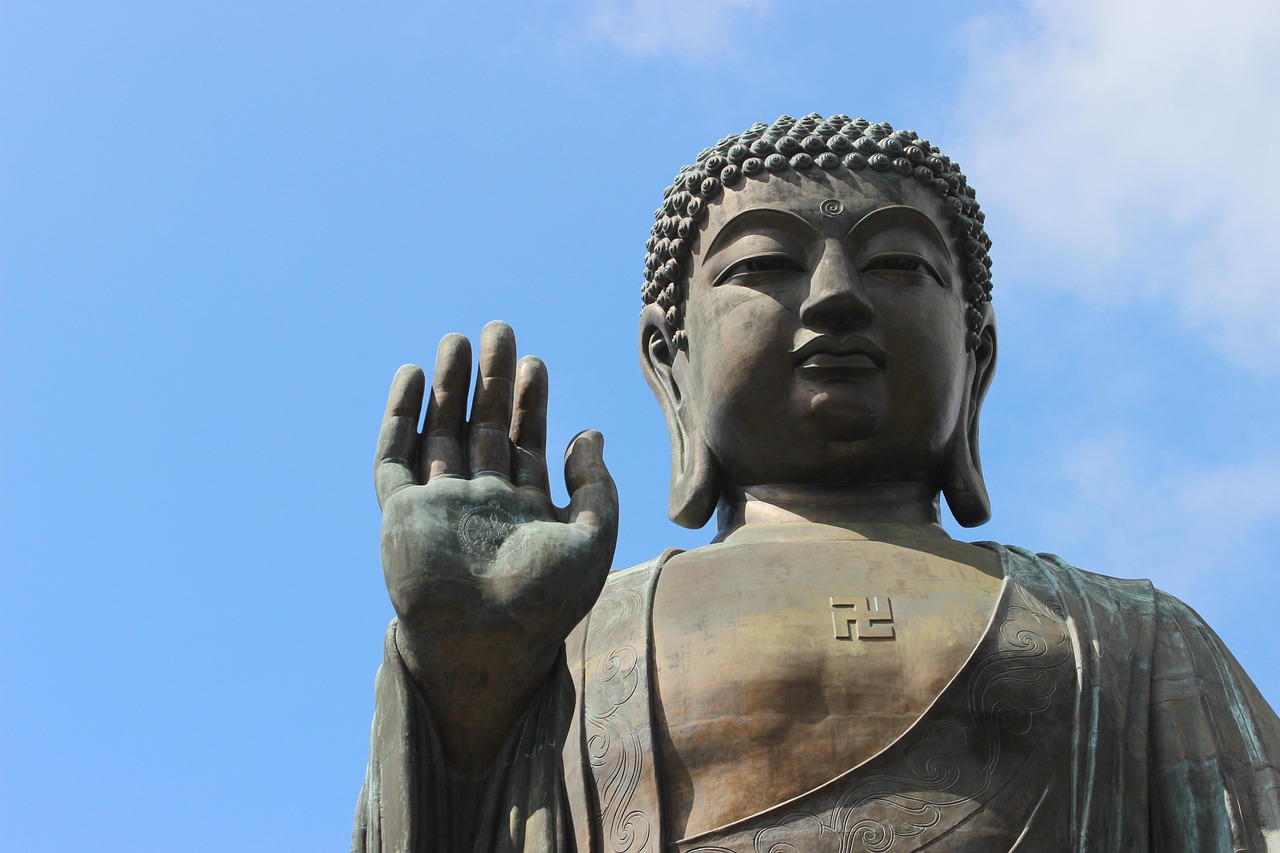
Escape the urban density by heading to Lantau Island. The Ngong Ping 360 cable car ride provides a breathtaking transition from the airport hub to the serene heights of the Tian Tan Buddha. The bronze giant sits atop 268 steps, overlooking the lush greenery of the island.
After finding your zen, take a short bus ride to Tai O Fishing Village. Known as the "Venice of Hong Kong," this community of stilt houses built over the water is a living museum of the city’s maritime roots. Wander the narrow paths, try the locally made shrimp paste, and watch the sun set over the South China Sea. For dinner, head back to the mainland for the Temple Street Night Market, where the air is thick with the scent of sizzling claypot rice and spicy seafood.
Day 3: Modern Culture and Green Escapes
Devote your morning to the West Kowloon Cultural District. The M+ Museum is the crown jewel here, a colossal structure dedicated to 20th and 21st-century visual culture. It is more than a gallery; it is a statement of Hong Kong’s position as a global cultural capital.
In the afternoon, lean into the city’s surprising natural beauty. It is a little-known fact that approximately 38% of Hong Kong’s total territory is designated as protected country parkland, making it one of the greenest metropolitan areas in the world. Hike the Dragon’s Back for stunning coastal views or tackle High West Mountain for a 360-degree look at the city and the sea.
Day 4: Heritage and Retail Therapy
Spend your final day in the heart of the city’s creative district. Tai Kwun, the former Central Police Station transformed into a Centre for Heritage and Arts, is a masterclass in urban revitalization. The contrast between the stark white contemporary gallery and the red-brick colonial prison cells is hauntingly beautiful.
Just a short walk away is PMQ, the former Police Married Quarters, now home to dozens of local designer boutiques. This is the place to buy a piece of Hong Kong—be it hand-carved jewelry or avant-garde fashion—that you won’t find anywhere else. Conclude your trip with a classic Star Ferry crossing at dusk, followed by a final, high-energy stroll through Sneaker Street in Mong Kok for the ultimate retail rush.
4-Day Itinerary Summary Table
| Day | Theme | Key Highlights | Suggested Dining |
|---|---|---|---|
| 1 | The Classics | Peak Tram, Ding Ding, Man Mo Temple | Tim Ho Wan (Dim Sum) |
| 2 | Island Spirits | Big Buddha, Tai O Stilt Houses | Temple Street Night Market |
| 3 | Culture & Nature | M+ Museum, Dragon's Back Hike | Ho Lee Fook (Modern Canto) |
| 4 | Heritage & Style | Tai Kwun, PMQ, Sneaker Street | Wing (Fine Dining) |
Culinary Reinvention: Modern Cantonese and Beyond
To eat in Hong Kong in 2026 is to witness a delicious revolution. The culinary landscape is dominated by heritage-driven chefs who are redefining what it means to be a "Cantonese restaurant." Leading the charge is ArChan Chan at Ho Lee Fook, whose high-energy basement kitchen serves up a wok-fired nostalgia that feels electric.
Even more impressive is the rise of Vicky Cheng, whose restaurant 'Wing' has achieved global acclaim, reaching the rank of number 20 on the prestigious World's 50 Best Restaurants list. Cheng’s philosophy is "Chinese at heart, French in technique," but in recent years, he has leaned further into the former.
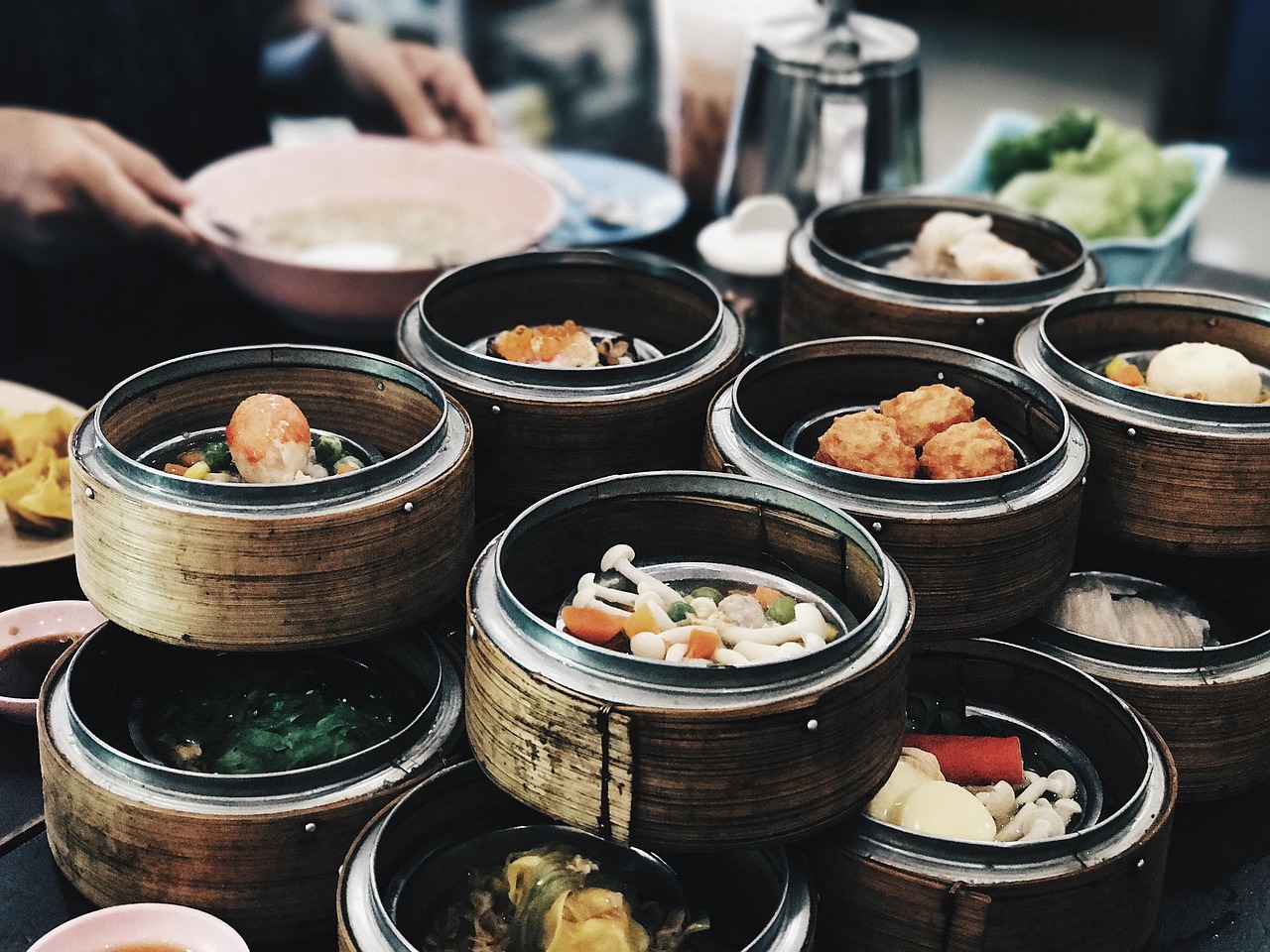
Must-try dishes in this new era include infused chicken soup with dong quai, a medicinal herb that adds a complex, earthy sweetness, and house-cured translucent century eggs served with pickled ginger—a dish that looks like a gemstone and tastes like a creamy, savory dream. This isn't just food; it's a sensory bridge to the city’s past.
Practical Travel Guide for 2026
Best Time to Visit
The optimal travel window is from October to December. During these months, the city sheds its summer humidity, offering dry, cool weather that is ideal for both urban wandering and mountainous hiking. You will find the clearest views of the Victoria Peak skyline during this period.
Must-Visit Cultural Spots
For a true 2026 experience, prioritize these three hubs:
- M+ Museum: For an immersion in contemporary visual culture.
- Tai Kwun: To see how history can be preserved through art.
- PMQ: To support the local designers shaping the city’s future.
Top Hotels 2026
- The Peninsula: The grand dame of Tsim Sha Tsui, perfect for those who love colonial elegance and afternoon tea.
- Rosewood Hong Kong: A vertical estate on the Kowloon waterfront, offering some of the most sophisticated designs in the city.
- The Ritz-Carlton (West Kowloon): Situated at the top of the ICC, it remains the highest hotel in the world, providing unmatched views of the harbor.
Pro-Tip: Connectivity & Transit Before you leave the airport, grab a physical Octopus Card or download the digital version to your phone. It is the lifeblood of the city, used for every form of transport and even at convenience stores. For data, I recommend a digital eSIM—it’s faster, cheaper, and saves you the hassle of swapping physical cards.
FAQ
Is Hong Kong safe for solo travelers in 2026? Absolutely. Hong Kong remains one of the safest major cities in the world. Its public transport is impeccably clean and well-lit, and most residents speak at least some English, making navigation simple for solo explorers.
How do I use the Octopus Card for all transportation? Simply tap the card (or your phone) on the yellow readers at MTR gates, on buses, and on trams. You can top it up at any 7-Eleven, Circle K, or MTR station. It even works on the Star Ferry!
Do I need a visa for a 4-day stay? Visitors from most Western countries (USA, UK, Canada, Australia, EU) can enter Hong Kong visa-free for stays ranging from 30 to 90 days. Always check the latest HKSAR Immigration Department updates before booking.
Ready to see the city that found its soul?