Quick Facts
- The Strategy: Transfer Chase Ultimate Rewards points to Hyatt for 3x+ value and utilize Bureau of Land Management (BLM) land for free, scenic camping.
- The Savings: By using points, you can save over $300 per night. Redemptions as low as 8,000 Hyatt points often replace cash stays exceeding $310 in peak season.
- The Dog Rules: While most National Park dirt trails are off-limits to pets, specific paved routes like the Pa'rus Trail (Zion) and the Bridle Path (Grand Canyon) allow leashed dogs.
- Safety First: Desert temperatures are lethal for paws; always use the "5-second rule" on pavement and carry at least 1 gallon of water per dog, per day.
Introduction: The 'Big Dog' Travel Dilemma
If you own a dog that weighs more than a carry-on bag, you know the struggle. Flying with a 70-pound Lab-mix isn't just a logistical nightmare; it’s an emotional and financial drain. According to the 2024 Sniffspot User Travel Report, over 50% of dog owners in North America now travel with their pets, yet 92% of them admit the costs are equal to or higher than traditional boarding. Without a strategy, "bringing the pup along" can easily double your travel budget.
I’ve spent years living out of a backpack and finding ways to stretch a dollar until it screams, but traveling with a dog added a new layer of complexity. I wanted the grand vistas of the American Southwest without the $400-a-night hotel bills and the "no dogs allowed" heartbreak. The solution? A "Points & Dirt" strategy. By leveraging credit card points for high-end hotel stays and mixing in free dispersed camping on BLM lands, I pulled off a multi-week road trip to three National Parks that felt like a luxury expedition on a shoestring budget.
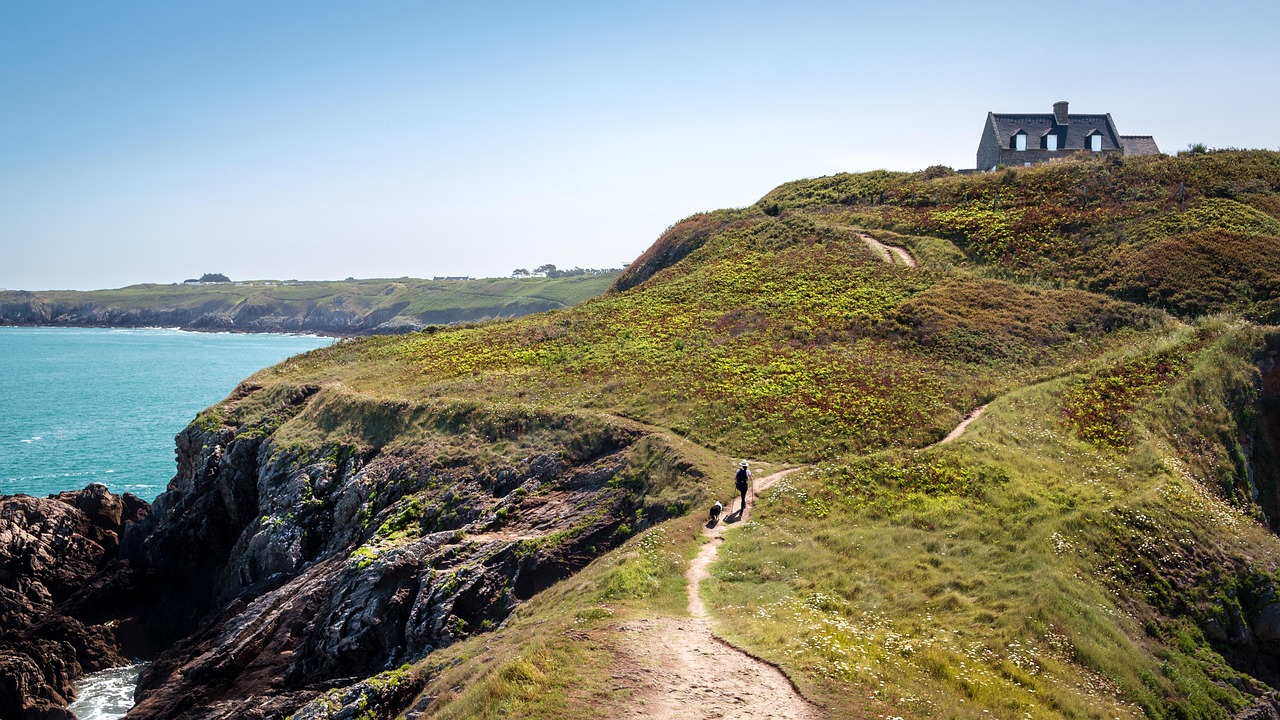
To pull off an affordable dog-friendly road trip, you need to master the art of the point transfer—specifically transferring Chase points to World of Hyatt—and embrace the freedom of the public lands surrounding our National Parks. This guide is the blueprint I used to navigate the red rocks of Utah and Arizona with my four-legged "Bark Ranger" without draining my savings account.
Master the Math: How Hotel Points Make Dog Travel Possible
The biggest barrier to dog travel isn't the dog; it’s the "Pet Fee." Most mid-range hotels tack on an extra $50 to $150 per stay, and if you’re paying $250 for the room, that dog-friendly tax hurts. This is where the value gap of credit card points becomes your best friend.
In the points world, not all currencies are created equal. While many people use their points on "portals" for a fixed value, the real "hacker" move is transferring points to travel partners. For Southwest road trips, Hyatt is the undisputed king. You can find Hyatt Place properties near major parks starting at just 8,000 points per night. When cash prices at the Hyatt Place Moab or St. George skyrocket to $310 during the spring or fall, you’re getting nearly 4 cents per point in value. That’s how you save $300 a night.
But it’s not just about the room; it’s about the amenities. Some brands treat your dog like a guest, not a nuisance.
- Hyatt Place: The budget-hacker’s go-to. Reliable, often has grassy areas, and point redemptions are incredibly low.
- Hilton’s Curio Collection: For when you want to use Hilton Honors points for a "boutique" feel. They often provide "pup packages" with treats and bowls.
- Marriott’s Autograph Collection: These are high-end redemptions, but many offer specific pet amenities like custom bandanas and local dog-park maps.

When booking, always check the specific pet policy. Some Hyatt properties allow dogs up to 50 lbs, while others are more flexible. By using points, you effectively "erase" the room cost, making the one-time pet fee a much easier pill to swallow.
Stop 1: Zion National Park & The St. George Hub
Zion is one of the most visited parks in the country, and for good reason. However, it’s notoriously restrictive for dogs. You can’t take your pup on the shuttle or up to Angel’s Landing. But don't let that deter you. The Pa'rus Trail is the secret weapon here. It’s a 3.5-mile paved path that winds along the Virgin River, offering some of the best canyon views in the park—and it’s 100% dog-friendly.
For your stay, look toward St. George or Springdale.
- The Advenire (Autograph Collection): Located in St. George, this is a fantastic Marriott redemption. It feels like a high-end lodge but welcomes dogs with open arms. Pet Fee: $100 per stay.
- Cliffrose (Hilton Curio): Right at the gates of Zion in Springdale. You can walk to the park entrance. Pet Fee: $75 per stay.
Budget Hack: If the park feels too crowded, head to the Red Cliffs Desert Reserve. It’s just outside St. George, offers similar red rock beauty, and has significantly fewer restrictions for dogs on leashes. It’s the local’s alternative to the Zion chaos.
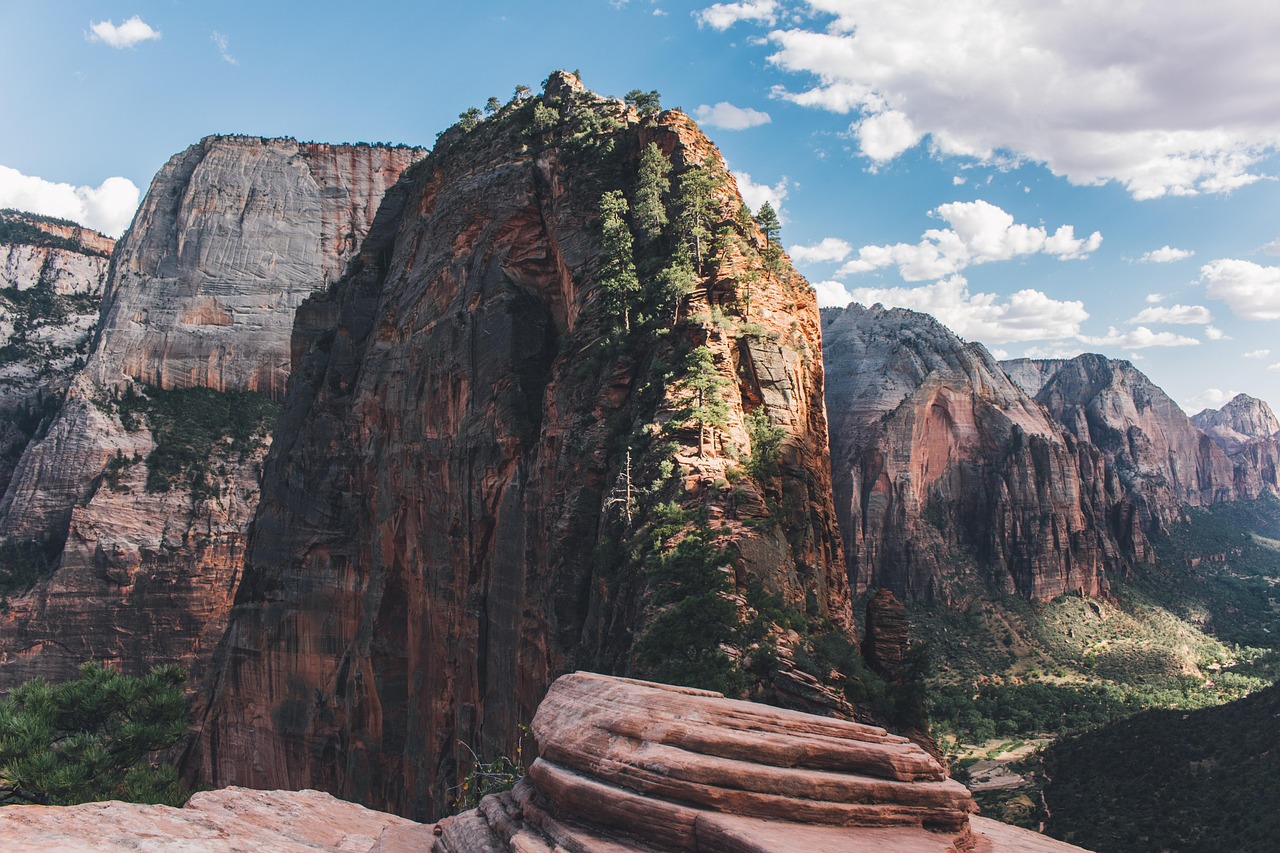
Stop 2: Grand Canyon North Rim (The Dog-Friendly Choice)
Most people flock to the South Rim, but if you have a dog, the North Rim is your sanctuary. It’s higher in elevation, meaning it’s 10-15 degrees cooler—a lifesaver for dogs—and it’s far less crowded.
The Bridle Path is the highlight here. It connects the Grand Canyon Lodge with the North Entrance Station. It’s shaded by massive Ponderosa pines and allows your dog to walk right alongside you as you take in the massive scale of the canyon. If you’re looking for a longer trek, the Arizona Trail segments outside the park boundaries are excellent for leashed hiking.
Accommodation Strategy: Points-friendly hotels are scarce right at the North Rim. Your best bet is to use points for a stay in Kanab, Utah. It’s a quirky, dog-obsessed town (home to Best Friends Animal Sanctuary).
- Stay: There are several boutique-style hotels and points options in Kanab. Using points here serves as a perfect base for both the Grand Canyon North Rim and Bryce Canyon.
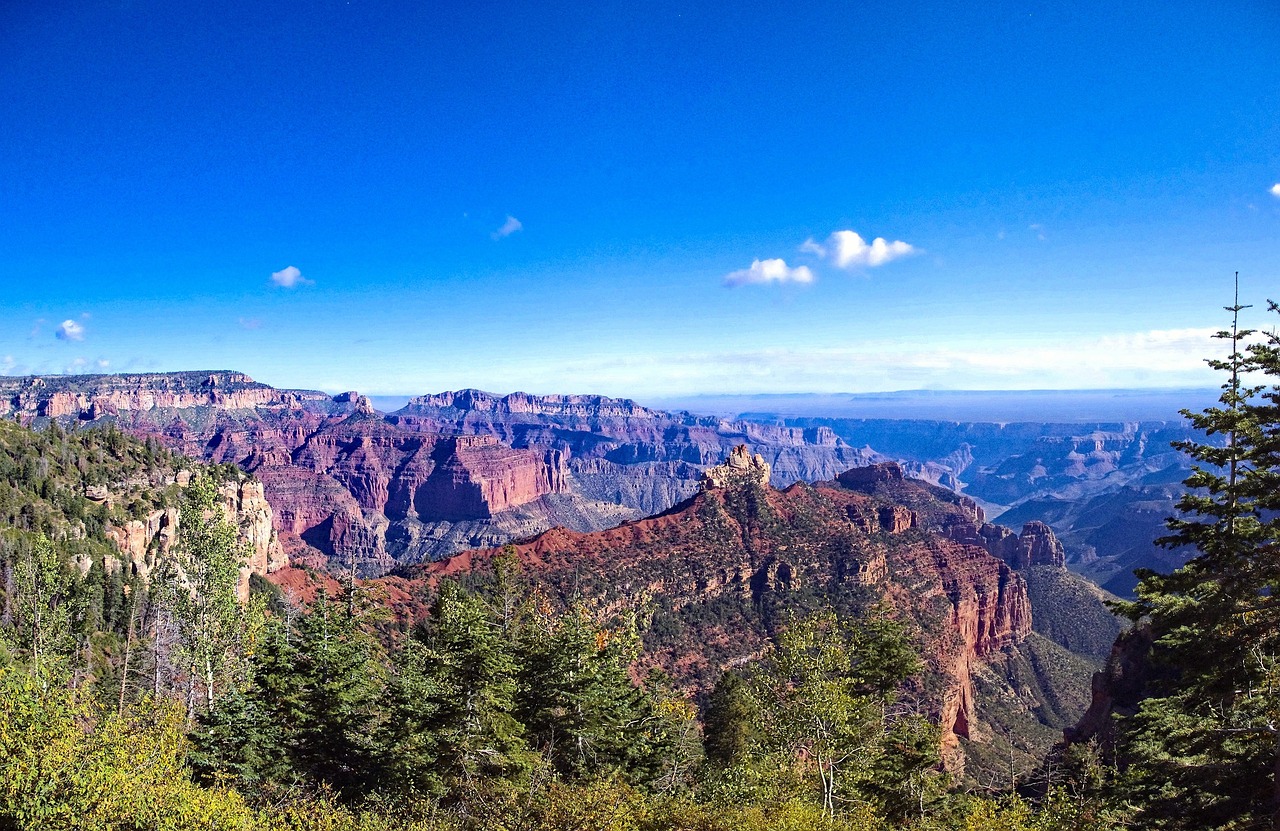
Stop 3: Moab, Arches, and Beyond
Moab is the adventure capital of the West, but Arches and Canyonlands National Parks are very strict: dogs are basically limited to parking lots and paved roads. This is where "backpacker logic" comes into play. The best dog-friendly terrain in Moab isn't in the National Parks; it’s on the BLM (Bureau of Land Management) lands surrounding them.
The Corona Arch Trail is arguably better than many trails inside Arches National Park, and dogs are allowed! It’s a 3-mile round trip that leads to a massive, freestanding arch. You get the iconic Utah experience without the "No Dogs" signs.
For your stay:
- Hyatt Place Moab: This is one of the best point redemptions in the entire Hyatt catalog. You can often snag a room for 12,000 to 15,000 points when cash prices are pushing $350. Pet Fee: $75 (1–6 nights).
Check Hyatt Place Moab Availability →
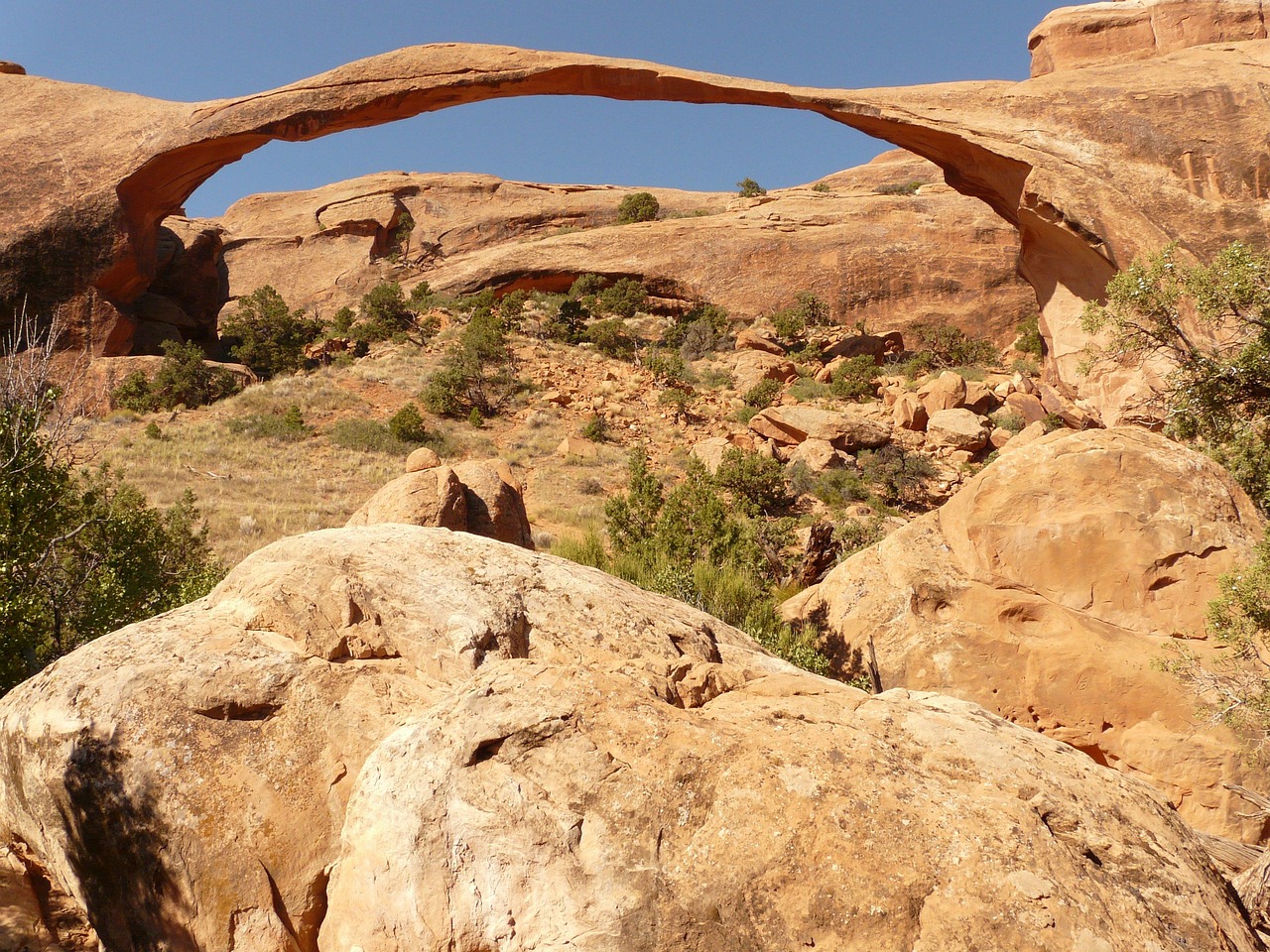
National Park vs. BLM: Where to Take Your Dog
| Location | National Park Trail | Dog Friendly? | BLM / Nearby Alternative | Dog Friendly? |
|---|---|---|---|---|
| Zion | Pa'rus Trail | Yes | Red Cliffs Desert Reserve | Yes |
| Zion | The Narrows | No | Kanarra Falls (Permit Required) | Yes |
| Grand Canyon | Bright Angel Trail | No | The Bridle Path | Yes |
| Arches | Delicate Arch | No | Corona Arch Trail | Yes |
| Moab Area | Island in the Sky | No | Dead Horse Point State Park | Yes |
Desert Survival: Essential Gear and Safety
The Southwest is beautiful, but it’s a harsh environment for an animal that can’t sweat. Before you hit the trails, you need to prepare for the "Gritty" reality of desert hiking.
- The 5-Second Rule: This isn't about dropped food. Place the back of your hand on the pavement or rock. If you can’t hold it there for 5 seconds, it’s too hot for your dog’s paws. Stick to early mornings or late evenings.
- Hydration Math: You need more water than you think. A standard rule of thumb is 1 gallon per day per dog. In the desert heat, they lose moisture rapidly through panting.
- The "Bark Ranger" Kit: Always carry a portable bowl, a cooling vest if the temps are over 80°F, and a basic pet first-aid kit (tweezers for cacti needles are a must).
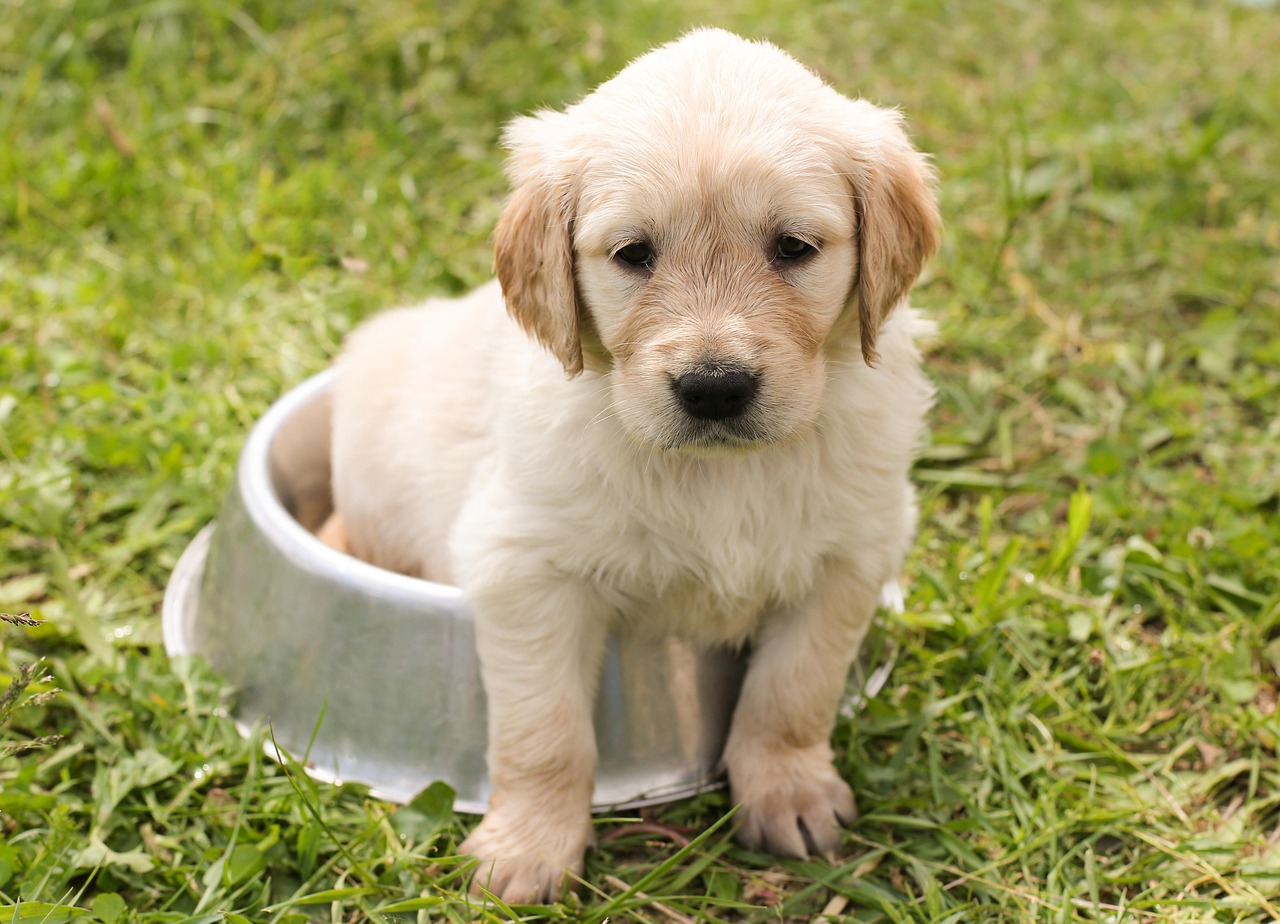
Conclusion: The Total Savings Recap
By the end of this trip, the math was clear. By staying at Hyatt and Marriott properties on points for 6 nights and mixing in 4 nights of free BLM camping, I saved roughly $2,100 in lodging costs. That’s money that went directly into gas, high-quality steak dinners (shared with Moose, obviously), and the next adventure's gear fund.
Traveling with a dog requires more planning, yes. You have to navigate around trail restrictions and manage "points ecosystems" like a pro. But standing on a red rock ridge with your best friend at sunset, watching the light hit the canyon walls, makes every spreadsheet and point transfer worth it. Don't leave them at home—just get smarter about how you bring them along.
FAQ
Q: Which credit card is best for this specific road trip strategy? A: The Chase Sapphire Preferred or Ink Business Preferred are the gold standards. They allow you to transfer points 1:1 to Hyatt, which offers the best value for dog-friendly hotels near National Parks.
Q: Are there any National Parks that are 100% dog-friendly? A: Very few allow dogs on all trails. However, Petrified Forest National Park and White Sands National Park are exceptionally pet-friendly, allowing leashed dogs on almost every trail in the park.
Q: How do I find the free BLM camping spots mentioned? A: Use apps like The Dyrt or Campendium. Look for "Dispersed Camping" areas. These are free, but they have no water or toilets, so you must practice "Leave No Trace" principles and bring all your own supplies.
Start Your Journey
Ready to hit the road? Start by checking your point balances and mapping out your BLM stops. The desert is calling, and your dog is already waiting by the door.