Quick Facts
- Primary Locations: The Woman King was almost entirely filmed in South Africa, specifically within the KwaZulu-Natal and Western Cape provinces.
- Geographic Double: South Africa served as a cinematic stand-in for the 19th-century Kingdom of Dahomey, which is located in modern-day Benin, West Africa.
- Production Logistics: Approximately 90% of principal photography took place in South Africa, supported by the country’s world-class film infrastructure, with a small splinter unit sent to Ghana for authentic coastal and cultural footage.
- Key Sites: Major filming hubs included the Bonamazi Game Reserve (Mahi Village), Paardevlei in Somerset West (King Ghezo’s Palace), and the Castle of Good Hope in Cape Town (Port of Ouidah).
- Challenges: Production was halted for six weeks in late 2021 when roughly 65% of the crew tested positive during the initial Omicron COVID-19 surge.
Bringing Dahomey to Life: A Geographic Sleight of Hand
When audiences first witness the Agojie warriors emerging from the tall grass in The Woman King, the immersion is instantaneous. The screen glows with the warm, ochre-tinted dust of 1820s West Africa, the lush tropical canopies of a royal kingdom, and the sun-drenched coastlines of the Slave Coast. However, while the story is deeply rooted in the history of the Kingdom of Dahomey—modern-day Benin—the physical ground beneath the actors’ feet was almost exclusively South African.
The decision to film in South Africa rather than Benin or its neighbors was a masterclass in cinematic "doubling." For director Gina Prince-Bythewood and production designer Polly Morgan, the challenge was finding a landscape that could mirror the specific environmental DNA of West Africa—the red earth, the palm-fringed lagoons, and the humid density of the jungle—while providing the industrial-scale support required for a historical epic. South Africa, with its mature film industry and strikingly diverse topography, offered the perfect canvas.
Why South Africa? Infrastructure vs. Authenticity
The choice of South Africa was driven by a blend of logistical necessity and aesthetic opportunity. The Western Cape, in particular, has long been a global hub for international productions (think Mad Max: Fury Road or Black Sails), offering generous financial incentives and a deep pool of local technical talent. But beyond the balance sheets, it was the land itself that sealed the deal.
To recreate 19th-century Benin, the production team sought out specific "pockets" of South Africa that defied the typical savanna imagery most travelers associate with the region. They looked for areas where the soil turned a deep, ferric red and where the vegetation felt tropical rather than arid. While 90% of the film was captured in the south, the production did not entirely forgo West African authenticity. A dedicated splinter unit was dispatched to Ghana to capture "plate" shots—scenic backgrounds and cultural textures—that were later digitally integrated to ensure the horizon lines remained true to the Gulf of Guinea.
Major Filming Sites and Their On-Screen Roles
To navigate the world of The Woman King, one must look across two distinct South African provinces. The production moved between the humid, sub-tropical wilds of KwaZulu-Natal and the rugged, mountainous dramaticism of the Western Cape.
1. Bonamazi Game Reserve (KwaZulu-Natal)
The film’s pulse-pounding opening sequence—the night-time raid on a Mahi village—was staged within the Bonamazi Game Reserve. Located in the heart of Zululand, Bonamazi offered a landscape that felt appropriately "wild" and untouched by modern encroaches.
The production team chose this specific reserve because of its dense, lush greenery and its west-facing vistas. This allowed the cinematography team to utilize the "Golden Hour" to its maximum effect, bathing the Agojie warriors in a light that mimicked the hazy, humid atmosphere of the West African interior. The tall grasses of Bonamazi were essential for the stealth tactics used by General Nanisca’s (Viola Davis) troops, providing the organic cover needed for their legendary ambush.
2. Paardevlei Munitions Factory (Somerset West)
Perhaps the most impressive feat of production was the creation of King Ghezo’s Palace. Rather than finding an existing structure, the crew utilized the expansive, flat grounds of the old Paardevlei munitions factory in Somerset West, near Cape Town.
On this industrial site, Polly Morgan’s team constructed a sprawling, historically accurate palace complex from the ground up. They used traditional building techniques—adobe-style walls and thatch—to ensure the red-walled fortress of Abomey felt lived-in and formidable. The scale was so immense that it allowed for wide, sweeping shots of the Agojie training grounds, creating a sense of a bustling, sovereign capital that was the beating heart of the Dahomey Empire.
3. The Castle of Good Hope (Cape Town)
To depict the Port of Ouidah—a notorious hub of the Trans-Atlantic slave trade—the production turned to the Castle of Good Hope in the heart of Cape Town. This 17th-century star fort, built by the Dutch East India Company, provided the necessary colonial architectural weight.
Using the Castle was a poignant choice. While Ouidah’s actual historical forts were different in design, the Castle of Good Hope’s stone ramparts and dark dungeons effectively conveyed the "ugliness" and the terrifying scale of the trade. The production dressed the site with period-accurate markets and shipping materials, transforming a South African landmark into a symbol of West African historical trauma.
4. Kleinmond and Palmiet Beach
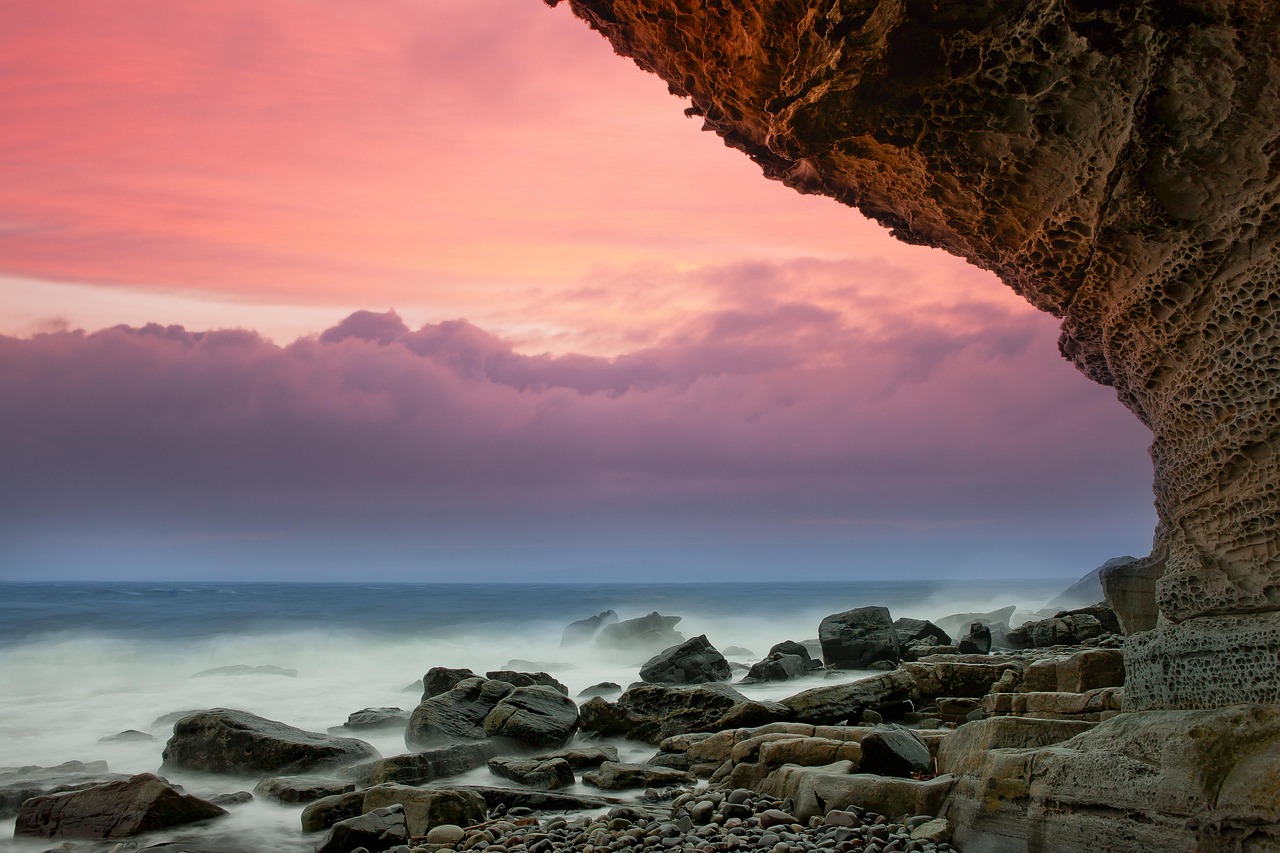
For the film’s various coastal skirmishes and river escapes, the production moved to the rugged shoreline of Kleinmond. This area is famous for its "wild" beauty, where the Palmiet River meets the Atlantic.
The dramatic cliffs and crashing waves served as the backdrop for the high-stakes sequences where the Dahomey forces confronted European traders. However, filming here presented a unique challenge: the area is dotted with modern settlements and holiday homes. Through a combination of clever camera angles and post-production digital "cleaning," these modern elements were erased to present a pristine, 19th-century coastline.
The Doubling Map: Movie vs. Reality
| Movie Location | Real-life South African Site | Province | Purpose |
|---|---|---|---|
| Mahi Village | Bonamazi Game Reserve | KwaZulu-Natal | Opening battle & stealth sequences |
| King Ghezo’s Palace | Paardevlei (Somerset West) | Western Cape | Royal court & Agojie training grounds |
| Port of Ouidah | Castle of Good Hope | Western Cape | Slave port & colonial headquarters |
| The Slave Coast | Palmiet Beach / Kleinmond | Western Cape | Beach battles & river crossings |
| Benin Jungles | Table Mountain National Park | Western Cape | Dense forest travel scenes |
Production Hurdles: The Omicron Shutdown
Filming a historical epic is never easy, but The Woman King faced an unprecedented obstacle in late 2021. Just as the production was hitting its stride, the Omicron variant of COVID-19 emerged, hitting South Africa first and hardest.
The statistics were staggering: approximately 65% of the cast and crew tested positive within a short window. This forced an immediate six-week shutdown. For a film involving hundreds of extras and complex, choreographed battle scenes, the delay was more than just a logistical headache—it was a threat to the film’s momentum. When the production resumed in January 2022, the actors had to undergo a rigorous "re-boot" of their physical training, ensuring that the incredible stunt work and Agojie fighting styles remained sharp for the final weeks of shooting.
Beyond the Set: The Cast’s South African Sojourn
For the international cast, filming in South Africa was more than a job; it was an immersive cultural experience. Between the grueling training sessions and long shoot days, the stars found time to explore the landmarks of the Western Cape.
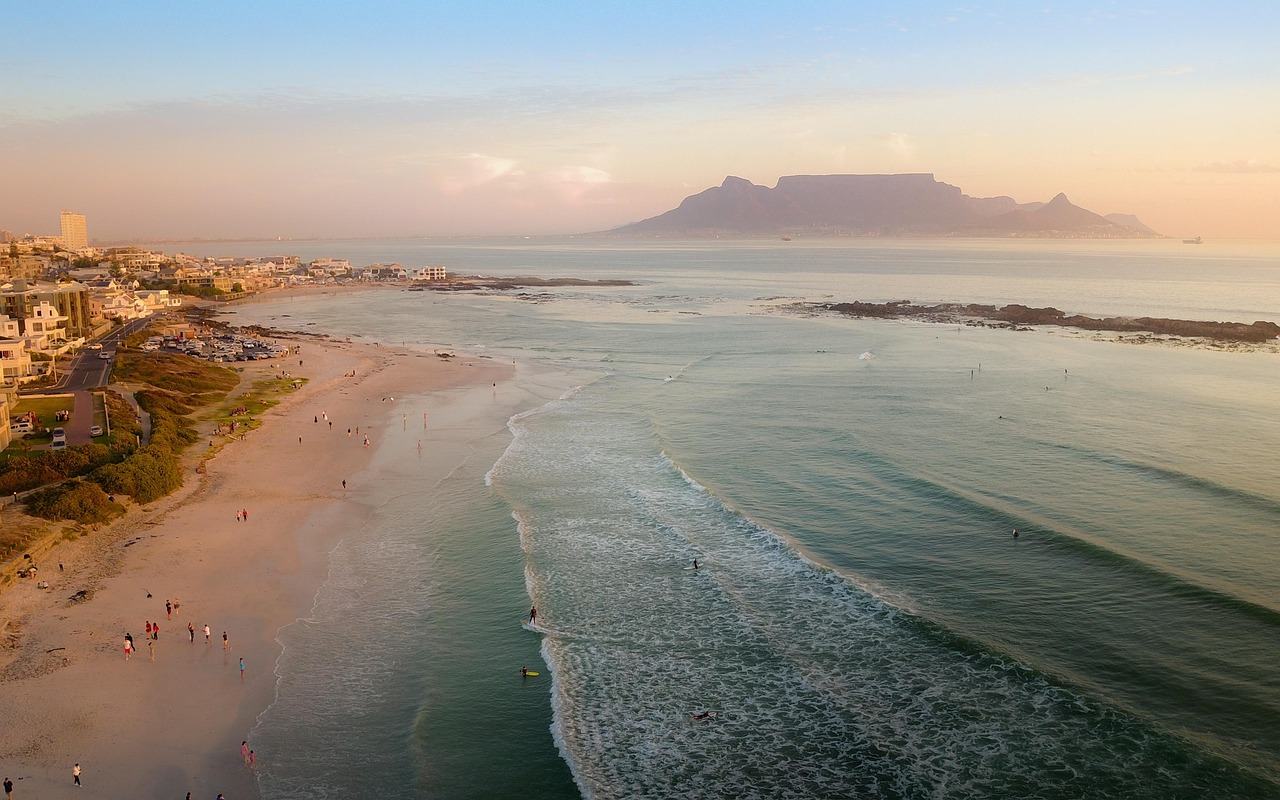
John Boyega (King Ghezo) was frequently spotted taking in the natural wonders of Cape Town. He reportedly spent his downtime hiking Table Mountain and Lion’s Head, often documenting the panoramic views of the city. The cast also frequented the vibrant culinary scene of the V&A Waterfront, with Nobu and Beau Constantia being noted favorites for celebratory dinners.
However, the experience also had a somber, reflective side. Many cast members, including Viola Davis and Thuso Mbedu (who is South African herself), visited Robben Island. This pilgrimage to the former prison of Nelson Mandela served as a powerful emotional anchor for the cast, connecting the film’s themes of liberation and resistance to the real-world history of their filming location.
Cast Favorites in Cape Town:
- Outdoor Activities: Hiking the Platteklip Gorge trail on Table Mountain.
- Dining: Fresh seafood at the V&A Waterfront and wine tastings in the Constantia Valley.
- Culture: Exploring the Zeitz Museum of Contemporary Art Africa (MOCAA).
- History: Guided tours of District Six and Robben Island.
Conclusion: A New Standard for African Epics
The Woman King succeeds not just because of its powerful performances, but because of its commitment to scale and visual texture. By utilizing the diverse geography of South Africa to stand in for the Kingdom of Dahomey, the production proved that the African continent possesses the infrastructure and natural beauty to host the world’s largest cinematic stories.
The film leaves behind a legacy of technical achievement, showing how historical erasure can be countered by reconstructing lost worlds with reverence and detail. For the traveler, these locations offer a double-layered experience: the chance to see the rugged beauty of the Cape and KwaZulu-Natal, while imagining the echoes of the Agojie warriors who, for a few months in 2021, brought a forgotten empire back to life on these very shores.
FAQ
Q: Can I visit the palace built for the movie? A: Unfortunately, no. The palace at Paardevlei was a temporary set built specifically for the production. After filming concluded, the structures were dismantled to return the site to its original state. However, the Paardevlei area in Somerset West is open to the public and features beautiful walking paths and historic architecture.
Q: Was any part of the movie actually filmed in Benin? A: No primary photography took place in Benin. While the story is set there, the production chose South Africa for its established film industry and Ghana for specific atmospheric B-roll.
Q: Where can I see the 'tall grass' featured in the battle scenes? A: The best place to experience this landscape is the Bonamazi Game Reserve in KwaZulu-Natal. It offers safaris where you can see the same lush, sub-tropical vegetation and "fever trees" seen in the film’s opening act.
Are you planning a trip to the tip of Africa to see these legendary sites for yourself? Whether you’re a history buff or a film enthusiast, Cape Town’s doors are open.