Quick Facts
- The Sweetest Density: Argentina boasts one of the world’s highest densities of neighborhood bakeries, with approximately one panadería for every 1,200 residents.
- The Daily Ritual: The merienda (afternoon tea) is a non-negotiable cultural institution, typically enjoyed between 5:00 PM and 7:00 PM.
- The Premier Food Destination: The Mercado de San Telmo, a stunning 1897 iron-and-glass landmark, remains the city’s culinary heart.
- Bakery Innovation: A new generation of chefs is blending traditional Argentine flavors with French, North American, and indigenous Guarani influences.
- Touring Costs: In 2026, professional guided food tours in Buenos Aires range from $65 to $150 per person, while a self-guided day of exploration averages $40 to $80.
Introduction: The Ritual of the Porteño Sweet Tooth
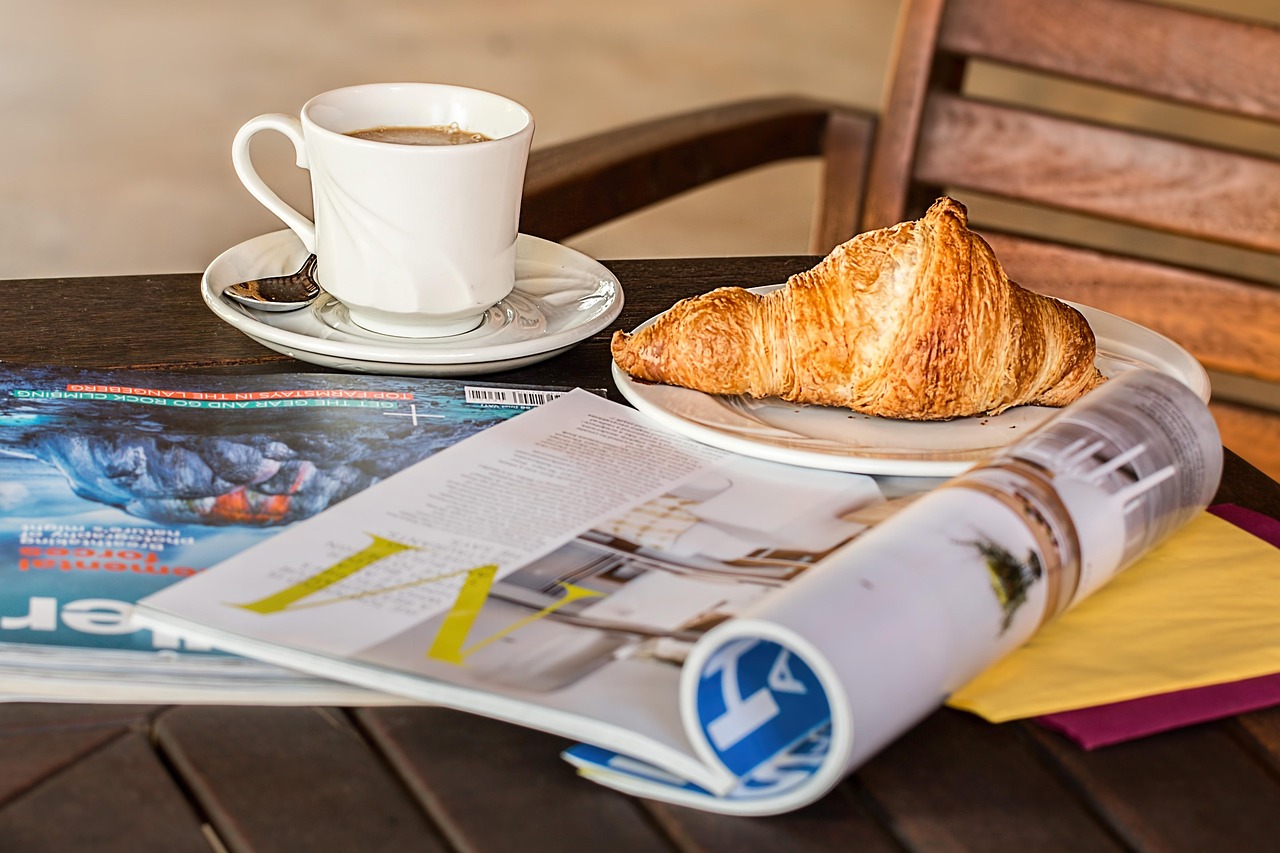
To understand Buenos Aires, one must understand the golden hour—that languid stretch of late afternoon when the fierce South American sun begins to dip behind the French-inspired skylines of Recoleta and Palermo. This is the hour of the merienda. Unlike the hurried coffee breaks of London or New York, the merienda is a sacred pause, a cultural contract signed in sugar and flour. It is the sound of silver spoons clinking against porcelain and the sight of grandmothers sharing a plate of facturas (pastries) with their grandchildren as the city’s kinetic energy momentarily softens.
As we look toward 2026, the Buenos Aires culinary landscape is undergoing a breathtaking metamorphosis. While the classic neighborhood panaderías with their glass cases of dulce de leche-filled croissants remain the bedrock of the city, a "New Guard" of pastry chefs is emerging. These artisans are not seeking to replace tradition; rather, they are elevating it, weaving contemporary techniques and global perspectives into the very fabric of the Porteño sweet tooth. The result is a city that feels both deeply nostalgic and thrillingly avant-garde.
The Statistics of a Sweet Obsession
It is impossible to overstate the importance of baked goods in the Argentine psyche. The numbers tell a story of a nation deeply in love with the art of the oven. Argentina maintains an extraordinary density of neighborhood bakeries, with an estimated one bakery for every 1,200 people across the country. In Buenos Aires, this ratio feels even more intimate; you are rarely more than a three-minute walk from a fresh loaf of pan de campo or a tray of warm medialunas.
This accessibility fuels a remarkable level of consumption. The average resident in Argentina consumes more than 155 pounds of wheat annually, a figure primarily driven by a deep-rooted culture of artisanal baked goods. This isn't just about sustenance; it’s about identity. From the crusty bread that accompanies every asado (barbecue) to the delicate crumb of a midday alfajor, wheat is the canvas upon which Argentine life is painted. In 2026, this obsession has evolved into a demand for higher quality, leading to a surge in sourdough fermentation, heritage grains, and high-fat grass-fed butter that rivals the best of Paris.
The New Guard: Modern Bakeries Redefining the City
If you are looking for the best modern bakeries in Buenos Aires today, your journey must begin in the burgeoning "New Guard" scene. These establishments are led by chefs who have trained in the kitchens of New York, Paris, and Copenhagen, only to return home to apply those global standards to local ingredients.
Togni’s Café (Barrio Chino)
Located in the heart of the vibrant Barrio Chino (Chinatown), Togni’s Café is the brainchild of Maximo Togni. Here, the precision of North American and French pastry techniques meets the bold soul of Argentina. The lamination on their croissants is architectural—shattering into a thousand buttery shards upon the first bite. Do not miss their seasonal fruit tarts, which utilize the lush bounty of the Argentine countryside, or their sourdough facturas that offer a more complex, tangy profile than the sugary classics of yesteryear.
Argot (Villa del Parque)
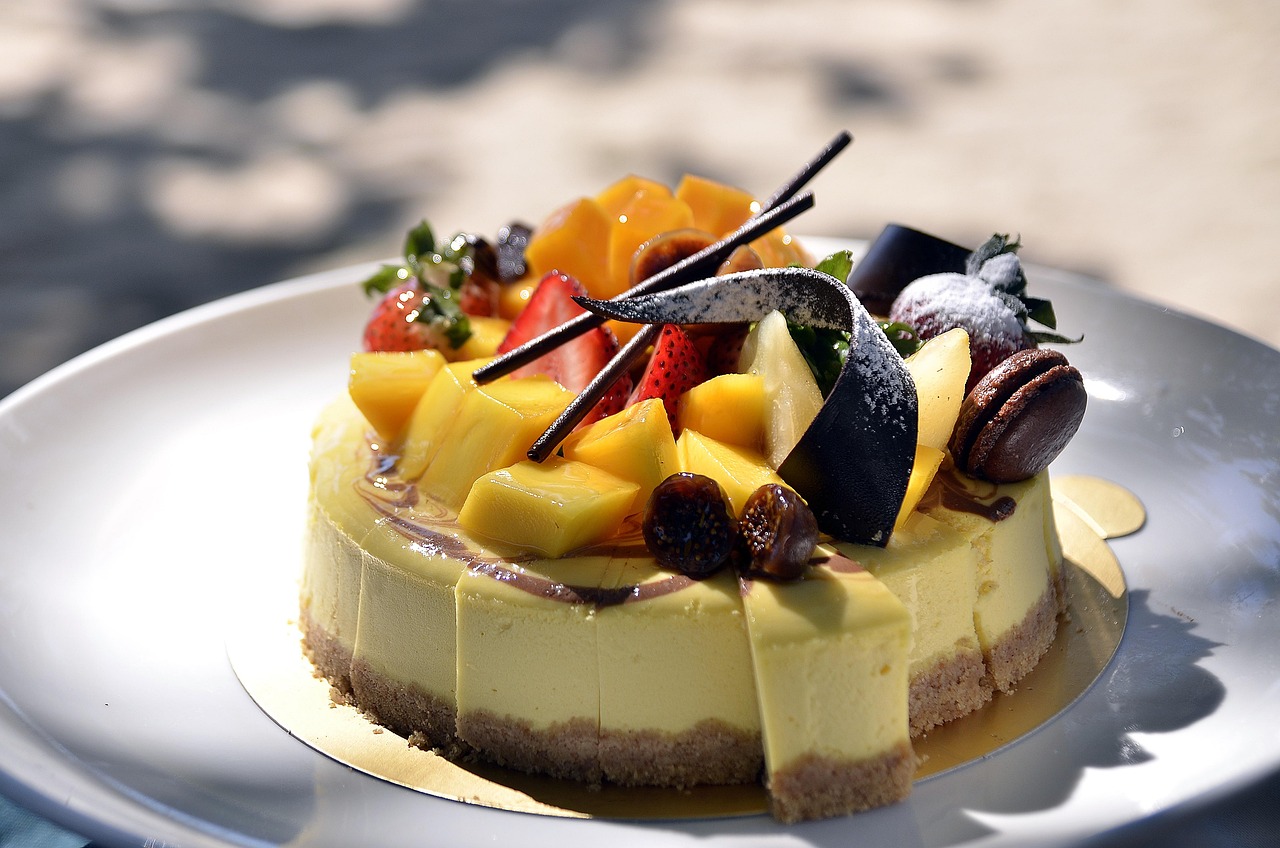
For those willing to venture into the leafy, residential enclave of Villa del Parque, Argot offers a masterclass in "artisan classics." This is where the alfajor—Argentina’s national cookie—reaches its platonic ideal. At Argot, they are often dipped in a light, cloud-like merengue or dusted with fine cacao, balancing the intense sweetness of the dulce de leche filling with sophisticated textures. Their palmeras (elephant ears) are caramelized to a deep amber, offering a crunch that resonates with the history of the neighborhood.
Rosie (The Upcoming Fusion)
Perhaps the most anticipated opening of the 2026 season is Rosie. This bakery is set to pioneer "Argentine-Guarani fusion," a concept that integrates indigenous ingredients from the north—like cassava flour, yerba mate, and wild honey—with Scandinavian baking principles. Imagine a cardamom bun infused with the herbal notes of mate, or a dense, dark rye bread sweetened with the deep, smoky flavors of the Chaco region.
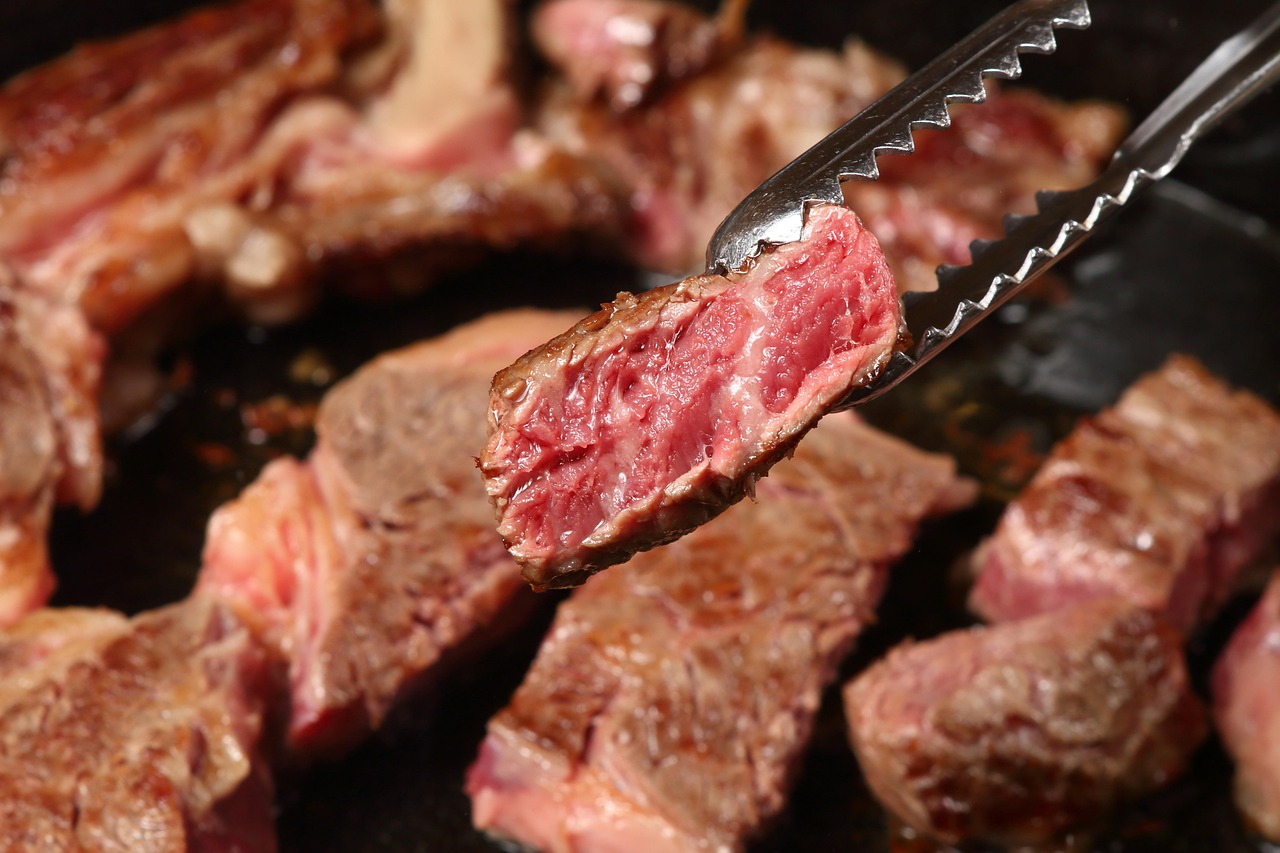
Pro-Tip: How to Order Like a Local When ordering a steak at a parrilla, ask for it "a punto" for medium, "jugoso" for medium-rare, or "cocido" if you prefer it well-done. For pastries, remember that medialunas come in two varieties: "de grasa" (savory/salty, made with lard) or "de manteca" (sweet, made with butter).
Mercado de San Telmo: The Historic Heart of Gastronomy
No culinary pilgrimage to Buenos Aires is complete without a morning spent under the soaring iron beams of the Mercado de San Telmo. Opened in 1897 to serve the waves of European immigrants arriving in the city, this market is a living museum of Porteño life. The architecture—a blend of Italianate flourishes and industrial iron-and-glass—creates a cathedral-like atmosphere where the scent of roasting coffee mingles with the earthy aroma of aged provolone.
Within its 200+ stalls, the market houses a microcosm of the city’s flavors. Coffee Town, located right under the central dome, was a pioneer in the city’s specialty coffee movement and remains the best place for a pour-over while people-watching. For something more substantial, La Parolaccia serves fresh pasta that pays homage to the city's deep Italian roots, while local vendors offer everything from grass-fed beef to hand-made lace. It remains the most famous food market in Buenos Aires for a reason: it is the place where the city's past and future dine at the same table.

Beyond Pastries: The Pillars of Beef and Italian Heritage
While the new generation of pastry chefs provides the sweetness, the savory soul of Buenos Aires remains anchored in its twin pillars: the parrilla and the Italian legacy.
The parrilla culture is legendary. At the top end, Don Julio in Palermo Soho continues to set the global standard for steak. Expect to pay between $50 and $80 for a meal that includes world-class malbec and cuts of beef that have been aged to perfection. However, the true spirit of the city often resides in the "bodegones"—neighborhood corner joints where a massive milanesa or a flank steak can be had for $15 to $25, served on paper tablecloths by waiters who have worked there for decades.
Parallel to the beef is the Italian influence, most visible in the city's obsession with pizza and gelato. Unlike the thin crusts of Naples, Porteño pizza is famously "media masa"—a thick, spongy crust topped with an almost scandalous amount of muzzarella cheese. After pizza, the ritual demands gelato. Cadore, a legendary shop on Avenida Corrientes, still uses traditional recipes brought from the Italian Dolomites, producing a Dulce de Leche gelato so rich it feels like a religious experience.
Planning Your 2026 Culinary Adventure: Costs and Tours
Navigating the sprawling food scene of Buenos Aires requires a bit of strategy. In 2026, the options for exploration are more diverse than ever, catering to both the luxury traveler and the independent backpacker.
Guided vs. Self-Guided: A Cost Comparison
| Tour Type | Estimated Cost (2026) | Best For... |
|---|---|---|
| Professional Guided Food Tour | $65 – $150 per person | Deep historical context, hidden gems, and guaranteed reservations at popular spots like Don Julio. |
| Self-Guided Exploration | $40 – $80 per day | Travelers who enjoy getting lost in neighborhoods and picking their own pace. |
| Specialized Pastry Workshop | $90 – $130 per session | Those who want to learn the secrets of the perfect medialuna or alfajor dough. |
Best Neighborhoods for Walking Tours
- Palermo Soho: The epicenter of the "New Guard." Come here for boutique bakeries, specialty coffee shops, and high-concept dining.
- San Telmo: The place for history lovers. Walk the cobblestone streets to discover antique markets, traditional pulperías (taverns), and the iconic market.
- Chacarita: The "new" Palermo. A slightly more gritty, authentic vibe with some of the city's most exciting new wine bars and sourdough pizzerias.
Book Your 2026 Food Tour Now →
Frequently Asked Questions (FAQ)
What are the best modern bakeries in Buenos Aires?
Leading modern bakeries include Togni’s Café in Barrio Chino for French-inspired treats, Argot in Villa del Parque for artisan classics, and the upcoming Rosie for Argentine-Guarani fusion pastry.
How much does a food tour cost in Buenos Aires in 2026?
Professional guided food tours typically range from $65 to $150 per person. If you prefer a self-guided approach, expect to spend between $40 and $80 per day on high-quality culinary exploration.
What is the most famous food market in Buenos Aires?
The Mercado de San Telmo is the premier destination. Housed in a historic 1897 building, it features over 200 vendors selling everything from specialty coffee and artisan cheese to world-famous Argentine beef.
Conclusion
Buenos Aires is a city that eats with its heart as much as its stomach. In 2026, as the "New Guard" of pastry chefs brings fresh energy to the streets of San Telmo and Palermo, the city’s culinary narrative is more compelling than ever. It is a place where a century-old market can coexist with a Guarani-fusion bakery, and where the simple act of sharing a pastry in the afternoon remains the most profound way to connect with the local spirit.
Whether you are chasing the perfect steak or seeking the most delicate lamination in a Barrio Chino croissant, Buenos Aires invites you to slow down, pull up a chair, and join the ritual. The table is set, and the merienda is about to begin.
Enjoyed this cultural journey? Subscribe to our newsletter for more deep dives into the world's most immersive culinary destinations.