Quick Facts
- Ubiquity: Buenos Aires currently hosts at least one queer tango event every single day of the week, supported by dozens of specialized gatherings across the capital.
- A Landmark Legacy: The International Queer Tango Festival is now in its 13th edition, marking over 20 years of organized queer dance advocacy since the first pioneering initiatives in 2001.
- The Philosophy: Unlike traditional tango, which enforces strict gender roles (the male "lead" and female "follow"), queer tango allows anyone to lead or follow regardless of gender, fostering a space for fluid expression.
- Political Pulse: In the current conservative political climate, these milongas serve as more than just dance floors; they are vital "habitats" of resistance and safe havens for the LGBTQ+ community.
In the dim, amber glow of a basement in Almagro, the air is thick with the scent of old wood and the rhythmic sigh of a bandoneón. It is nearly midnight, the hour when Buenos Aires truly begins to breathe. On the floor, a pair of dancers move in a tight, velvety embrace. Both wear trousers; both possess a strength that shifts seamlessly between them. As the music swells, the one who was leading a moment ago suddenly yields, and the other takes the reins of the dance. This is the cambio de roles—the role-swap—and it is the beating heart of Queer Tango.
In Buenos Aires, tango is not just a dance; it is a national identity, often steeped in a rigid, patriarchal tradition. However, a vibrant counter-culture has reclaimed this heritage. Today, the city offers queer tango events daily, with top venues including the legendary Milonga Tango Queer La Marsháll in Almagro, the technically rigorous Tango Cuir Studio, the bohemian Lugar Gay in San Telmo, and the intersectional hubs of Casa Feliza and Casa Brandon. For the traveler, these spaces offer a glimpse into a Buenos Aires that is as defiant as it is beautiful.

The Evolution of the Dance: From Forbidden Origins to Queer Resilience
Tango’s history has always been more queer than the history books might suggest. In the late 19th and early 20th centuries, in the gritty ports of the Río de la Plata, men frequently danced with men—not out of a political statement, but because women were scarce in the immigrant-heavy arrabales. Yet, as tango moved from the brothels to the glittering ballrooms of Paris and back again, it became codified into a strict gender binary. The lyrics began to reflect a world of machismo, often depicting women as either saints or betrayers, and the dance floor became a stage for heteronormative conquest.
Queer tango dismantles this choreography of dominance. How does queer tango differ from traditional tango? At its core, it is an act of liberation. In a traditional milonga (a tango dance event), a woman must wait to be invited by a man via the cabeceo—a subtle nod from across the room. In queer spaces, the cabeceo is democratized. Anyone can invite anyone. The dress code is equally fluid; you will see silver-haired pensioners in three-piece suits dancing with non-binary students in combat boots and fishnets.
History Snapshot: The Traditional vs. The Queer
- Traditional Tango: Founded on the binary of the active male "conductor" and the passive female "follower." Adheres to strict dress codes and the códigos (rules) of the 1940s Golden Age.
- Queer Tango: Replaces the binary with "lead and follow" based on consent and skill rather than gender. It rejects the misogyny found in classic lyrics and opens the abrazo (embrace) to all identities.
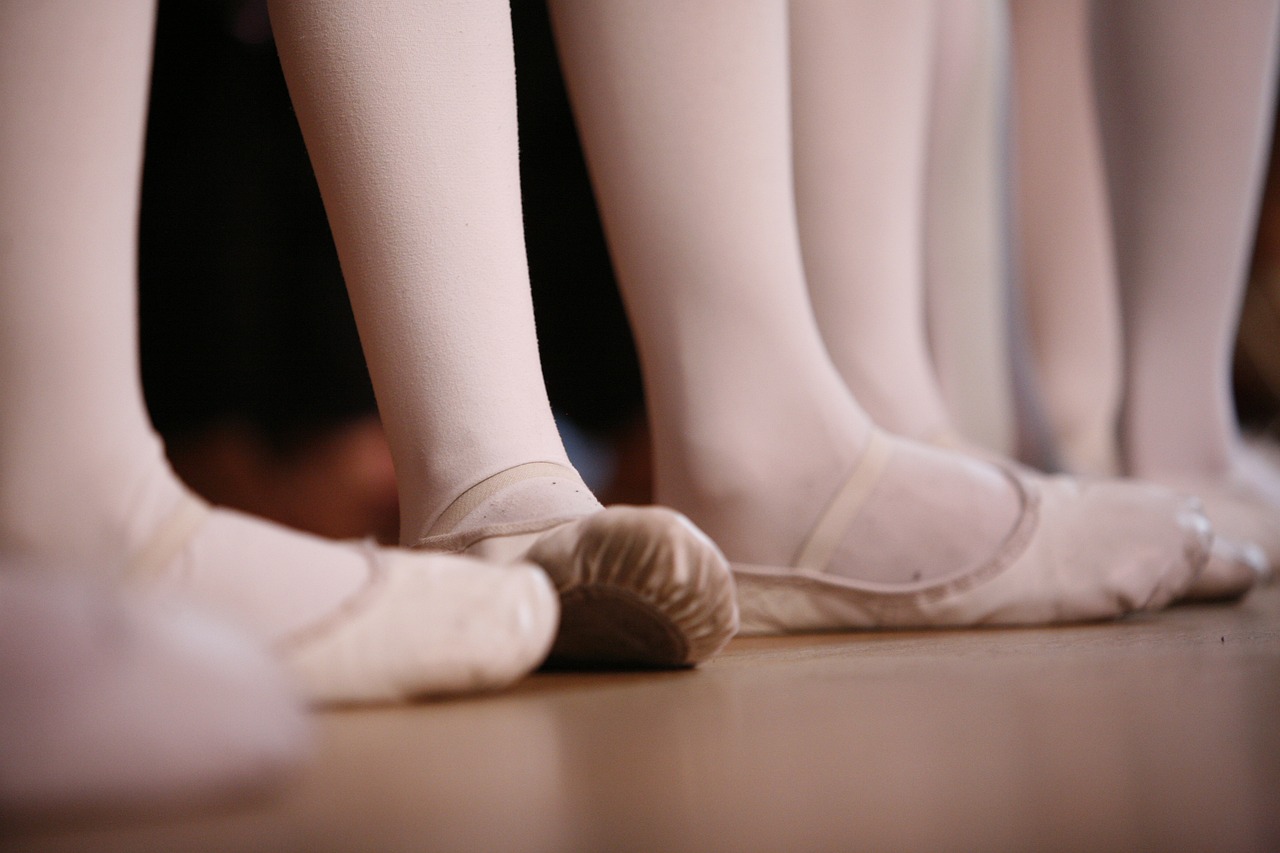
Navigating the Milongas: Where to Dance
Finding the right milonga is a matter of finding your own rhythm. Whether you are a seasoned tanguero or have never taken a step, the queer scene in Buenos Aires is exceptionally welcoming.
- Milonga Tango Queer La Marsháll: This is the matriarch of the scene. Founded in 2001, it provides a sophisticated yet inclusive atmosphere. It is the perfect place to witness the elegance of queer tango at its peak.
- Location: Yatay 961, Almagro.
- Time: Typically Tuesday nights; check their social media for updated schedules.
- Tango Cuir Studio: If you want to hone your craft, this is the place. Led by the formidable Anahí Carballo, the focus here is on "Tango Cuir"—a phonetic Spanish spelling of "Queer" that emphasizes a local, decolonized identity. The teaching is professional, rigorous, and entirely gender-neutral.
- Location: Anchorena 575, Abasto.
- Muchaches (Lugar Gay): Located in the heart of San Telmo, this venue has a storied history as a sanctuary for gay men. The vibe here is bohemian, intimate, and deeply rooted in the neighborhood’s history.
- Location: Defensa 1120, San Telmo.
- Casa Feliza & Casa Brandon: These are not just tango halls but cultural centers for the broader LGBTQ+ community. You’ll find tango nights interspersed with drag shows, poetry slams, and political debates.
- Location: Casa Feliza (Av. Córdoba 5271, Palermo); Casa Brandon (Luis María Drago 236, Villa Crespo).

Annual Highlight: The International Queer Tango Festival
If you can time your visit for December, the International Queer Tango Festival is an unmissable cultural immersion. Now in its 13th edition, the festival brings together dancers, teachers, and musicians from across the globe. For one week, the city transforms into a 360-degree celebration of queer identity through the lens of tango.
The festival features intensive workshops that deconstruct the mechanics of the dance, alongside nightly milongas that often run until the sun rises over the Río de la Plata. It is a moment of profound visibility, proving that the queer tango movement is not a niche hobby, but a global phenomenon with its spiritual home in Buenos Aires.
Tango as Resistance: Dancing in the Current Political Climate
The significance of these spaces has taken on a new urgency. In the wake of shifting political tides in Argentina—marked by the eradication of ministries focused on diversity and the rise of conservative rhetoric—the milonga has returned to its roots as a site of resistance.
For many locals, the queer milonga is a "habitat"—a term used by activists like Liliana Furió to describe a network of safety. When the world outside feels increasingly hostile, the shared abrazo becomes a political act. To dance, to be seen, and to take up space in a city that is currently debating the rights of its queer citizens is a powerful form of cultural protest. It is here, among the sweat and the minor chords of the orchestra, that the community finds the strength to continue.
Practical Tips for the Queer Traveler
Navigating the Buenos Aires tango scene requires a bit of local "know-how." Here is how to make the most of your journey:
- Check the Daily Schedule: Use resources like Hoy Milonga or follow the "Tango Queer Buenos Aires" Facebook group. Events change frequently, but you can find a queer-friendly dance almost every night.
- Language and Learning: Don’t be intimidated if your Spanish is rusty. Many queer-friendly studios, such as the Macedonia Cultural Center, offer classes with English translations or are accustomed to international students.
- Logistics and Safety: While Buenos Aires is generally safe for queer travelers, it is always wise to use apps like Uber or Cabify for late-night travel between barrios.
- The "Blue Dollar": Argentina’s economy is complex. To get the most value for your money, bring USD cash and exchange it at the "Blue Dollar" rate, or use a foreign credit card which now often receives a preferential exchange rate (MEP rate).
Weekly Reference Guide
| Day | Recommended Venue | Neighborhood | Vibe |
|---|---|---|---|
| Tuesday | La Marsháll | Almagro | Classic, Elegant, Historic |
| Wednesday | Tango Cuir Studio | Abasto | Technical, Educational, Focused |
| Friday | Casa Brandon | Villa Crespo | Youthful, Artistic, Intersectional |
| Saturday | Lugar Gay | San Telmo | Intimate, Bohemian, Men-centric |
| Sunday | Casa Feliza | Palermo | Energetic, Diverse, Community-led |

FAQ
Do I need a partner to go to a queer milonga? Absolutely not. One of the greatest aspects of queer tango is the openness of the community. Most classes before the milonga rotate partners constantly, and during the dance itself, it is common for people to come alone and find partners through the cabeceo or a direct invitation.
What should I wear? In queer spaces, the "rule" is comfort and self-expression. You will see everything from traditional tango shoes and skirts to sneakers and jeans. The most important thing is that your shoes allow you to pivot on the floor (leather or suede soles are best).
I am a total beginner. Will I be out of place? Not at all. Almost every milonga begins with a class for all levels. The queer tango community is famously supportive of "new arrivals," seeing every new dancer as a victory for the movement.
Experience the Soul of Buenos Aires
Queer tango is more than a dance; it is an invitation to see Buenos Aires through a lens of radical empathy and artistic courage. Whether you are drawn by the music, the history, or the spirit of resistance, these dance floors offer a connection that transcends language.