Quick Facts
- Primary Locations: The film was shot extensively across New South Wales, Australia, including the historic mining city of Broken Hill, the plains of Hay, and industrial sites in Sydney.
- The Return Home: After Fury Road was forced to move production to Namibia due to uncharacteristic rainfall in the Outback, Furiosa marks a homecoming for George Miller’s franchise to its original Australian roots.
- The Wasteland’s Infrastructure: Real-world locations for Gastown and Bullet Town were constructed in Melrose Park and Kurnell, respectively, blending industrial grit with cinematic scale.
- Fan Pilgrimage: The village of Silverton remains the epicentre of "Mad Max" culture, housing the world-renowned Mad Max 2 Museum.
Introduction: The Return to the Wasteland's Roots
For decades, the name "Mad Max" has been synonymous with the scorched earth and infinite horizons of the Australian Outback. When George Miller first unleashed Max Rockatansky in 1979, the desolate roads of Victoria provided the canvas. However, for 2015’s Fury Road, nature intervened; unexpected rains turned the Australian desert into a floral paradise, forcing the production to relocate to the Skeleton Coast of Namibia. With Furiosa: A Mad Max Saga, the franchise has finally staged an emotional and visceral homecoming.
Where was Furiosa: A Mad Max Saga filmed? The production stayed firmly within the borders of New South Wales (NSW), Australia. The film’s "Wasteland" is a patchwork of the ancient, red-dirt landscapes of Broken Hill and Silverton, the dead-flat horizons of the Hay Plains, and repurposed industrial zones within the Sydney metropolitan area. This return to the "spiritual home" of the series allowed Miller to tap into the unique, high-contrast light and gritty textures that only the Australian interior can provide.
1. Broken Hill: The Spiritual Home of the Road Warrior
Broken Hill, often called the "Silver City," serves as the logistical and atmospheric heart of the production. As Australia’s first heritage-listed city, it possesses a rugged character that feels both timeless and post-apocalyptic. The city’s history is rooted in one of the world’s richest silver-lead-zinc deposits, and that industrial heritage bleeds into the aesthetic of the film.
The surrounding Mundi Mundi Plains and the Barrier Ranges offered the production the "High Contrast" light George Miller specifically sought. This isn't just a desert; it’s a landscape of deep shadows and blinding ochre Earth.
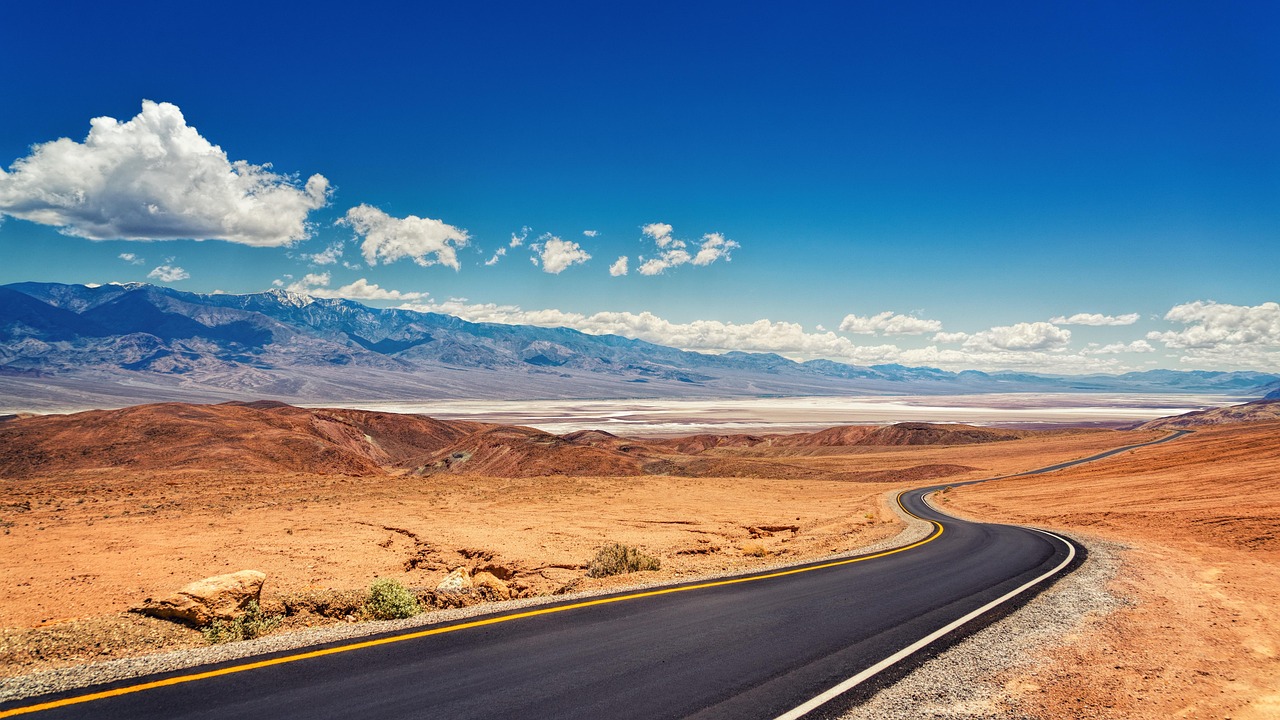
While in Broken Hill, a visit to the Silver City Mint & Art Centre is essential for understanding the local topography. It houses 'The Big Picture,' a staggering 360-degree canvas measuring 100 meters long and 12 meters high. Created by artist Peter Anderson, it is the world’s largest acrylic painting on canvas by a single artist, capturing the raw, sprawling essence of the outback landscape that Furiosa captures on 70mm film.
Top Activities in Broken Hill:
- The Heritage Walk: A self-guided tour through the city's grand Victorian architecture and mining monuments.
- Living Desert State Park: Home to the famous Sandstone Sculptures, which look particularly "Mad Max" during the golden hour.
- The Palace Hotel: A kitschy, mural-covered landmark made famous by The Adventures of Priscilla, Queen of the Desert, and a frequent haunt for film crews.
2. Silverton: Pits, Mines, and Post-Apocalyptic Memorabilia
Just a short drive from Broken Hill lies Silverton, a "ghost town" that has appeared in more films than most Hollywood backlots. It is here that the DNA of the franchise is most palpable. The village consists of a few dozen buildings, a famous pub, and a horizon that seems to go on forever.
For fans of the franchise, there is one non-negotiable stop: The Mad Max 2 Museum. Is there a Mad Max museum I can visit? Absolutely. Located in the heart of Silverton, this museum is a labor of love dedicated to the 1981 sequel. It features original costumes, vehicle replicas (including the iconic Interceptor), and a vast array of behind-the-scenes photography. It serves as a reminder that while Furiosa is a new chapter, it stands on the shoulders of the legends born in these very sands.
Further out, the production took inspiration from the historic Daydream Mine. Founded in 1882, the mine’s subterranean tunnels and rugged surface structures provided the gritty, tactile inspiration for the film’s various settlements.
The Mundi Mundi Lookout, located just past Silverton, is where the earth literally drops away into the vastness of the Mundi Mundi Plains. This was the site of many iconic chase sequences, where the "Road War" truly comes to life.
3. Hay: Where the War Rig Hurtles Through 'Haywood'
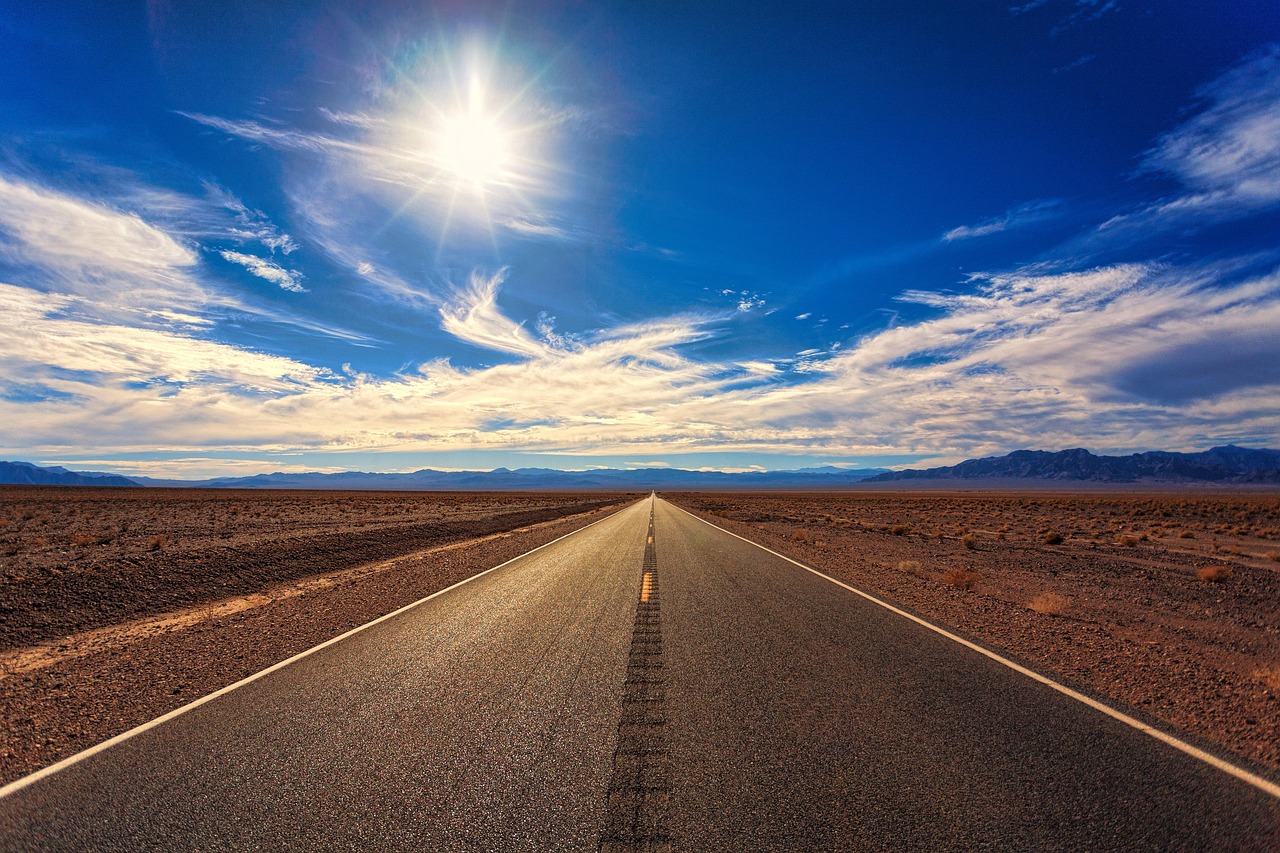
If Broken Hill provided the character, the town of Hay provided the speed. Located on the flat, featureless plains of the Riverina region, Hay became the backdrop for the film's most ambitious action set-piece: the "Stowaway to Nowhere" sequence. This 15-minute tour de force required a unique geographic canvas—a place where the horizon remains unchanged for miles, allowing for seamless continuity during high-speed stunts.
To facilitate the carnage, the production utilized a specifically graded five-mile stretch of flat highway in the outback. This allowed the massive "War Rig" and accompanying pursuit vehicles to travel at consistent speeds of 50 to 60 miles per hour while stunt performers executed complex choreography. The local crew nicknamed this area "Haywood," a nod to the Hollywood-scale operation that took over the quiet town.
Traveling to Hay: Beyond the film, Hay offers a serene contrast to the "Wasteland." The Murrumbidgee River provides lush banks for camping, and the Bishop’s Lodge—a stunning example of 19th-century iron architecture—offers a glimpse into the region’s pastoral history.
4. Building the Citadels: Sydney and the Central Coast
While the wide shots belong to the desert, the massive, monolithic structures of the "Wasteland" were often constructed closer to civilization. What real-life locations were used for the Wasteland settlements? The production designers looked to Sydney’s industrial fringes to build Gastown and Bullet Town.
- Kurnell (Bullet Town): On the southern edge of Botany Bay, Kurnell’s unique landscape of massive sand dunes and industrial quarries was transformed into the weaponized fortress of Bullet Town. The raw, wind-swept terrain provided a perfect mid-point between the desert and the coast.
- Melrose Park (Gastown): The sprawling, oily infrastructure of Gastown was built on a massive concrete aerodrome site in Melrose Park. Before the area underwent modern residential redevelopment, it served as the perfect skeletal frame for the film's refinery-city.
- Disney Studios Australia: For the internal workings of the Citadel—the winding tunnels and the "Organic Mechanic’s" workshop—the production utilized the world-class soundstages at Disney Studios in Moore Park, Sydney.
5. Finding the 'Green Place': Terrey Hills and the Blue Mountains
In the mythology of Mad Max, the "Green Place of Many Mothers" represents the ultimate oasis—a fleeting memory of a world that once was. To capture this lush contrast, the production moved to the verdant outskirts of Northern Sydney and the Blue Mountains.
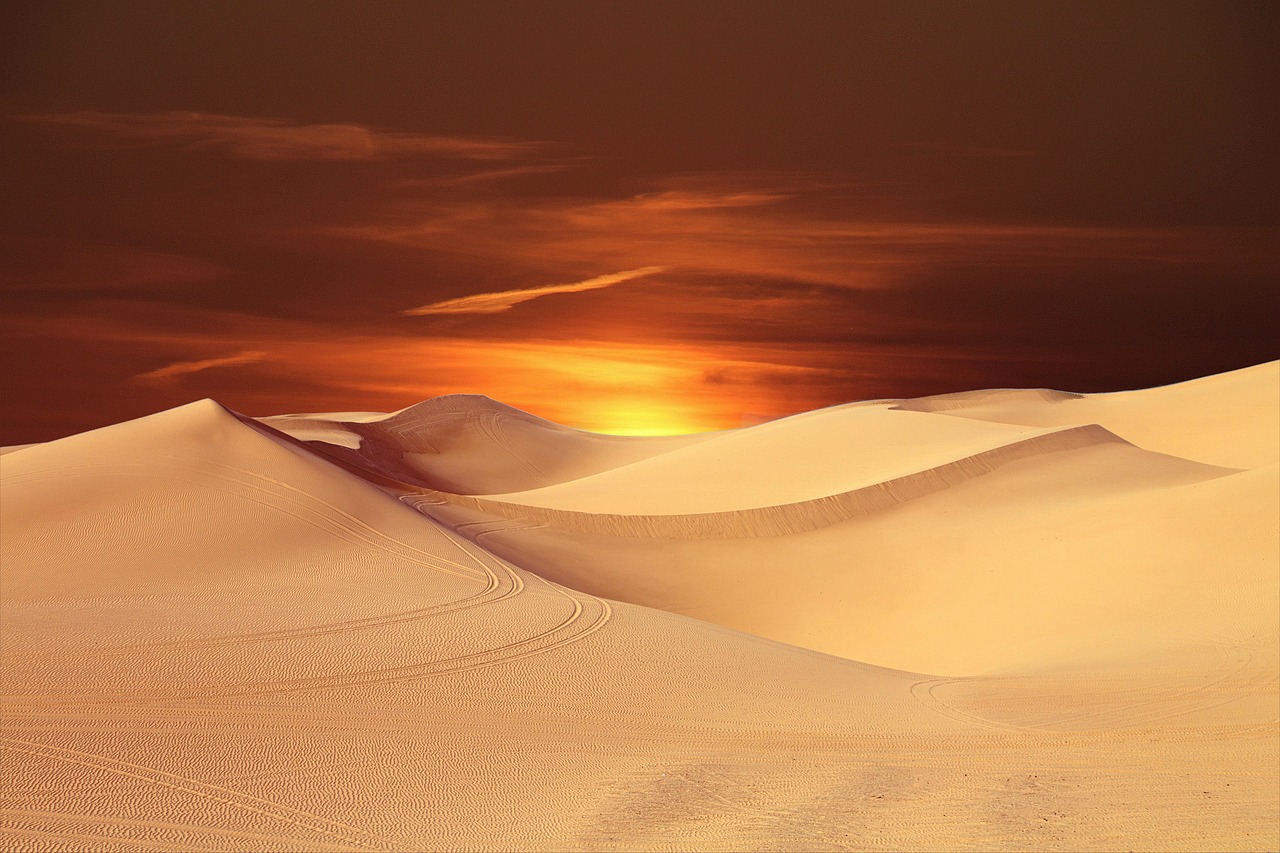
Terrey Hills, with its dense bushland and towering eucalyptus trees, provided the foundational greenery. However, to give the Green Place its otherworldly, "Citadel-adjacent" feel, the production used visual effects to blend Sydney’s foliage with the prehistoric rock formations of the Blue Mountains. This created a landscape that felt both fertile and ancient, drawing additional inspiration from real-world locations like the desert oases of Huacachina in Peru.
6. Planning Your Mad Max Road Trip
Embarking on a pilgrimage to the Furiosa filming locations is a journey into the heart of the Australian experience. It requires preparation, respect for the environment, and a sense of adventure.
Travel Logistics:
- Getting There: You can fly directly from Sydney to Broken Hill Airport (approx. 2.5 hours) via regional carriers like Rex. Alternatively, for the true "Road Warrior" experience, the drive from Sydney to Broken Hill is roughly 13 hours (1,150km).
- Best Time to Visit: Avoid the peak of summer (December to February), where temperatures in the mines and plains can soar toward 50°C (122°F). The best window is April to October, when the days are mild and the nights are crisp and clear.
- Where to Stay: In Broken Hill, The Palace Hotel offers a cinematic stay. For those wanting a more immersive experience, bush camping near Silverton allows you to witness the same star-choked skies that Furiosa looks up to in the film.
Location Comparison Table
| Location | Screen Name / Purpose | Distance from Sydney | Top Landmark |
|---|---|---|---|
| Broken Hill | The Wasteland / Logistics | 1,150 km | Silver City Mint (Big Picture) |
| Silverton | Post-Apocalyptic Horizon | 1,175 km | Mad Max 2 Museum |
| Hay | The 'Haywood' Chase | 725 km | The Long Paddock |
| Kurnell | Bullet Town | 35 km | Botany Bay Sand Dunes |
| Melrose Park | Gastown | 20 km | Parramatta River Front |
Plan Your NSW Outback Adventure →
FAQ
Where was Furiosa: A Mad Max Saga filmed? The movie was primarily filmed in New South Wales, Australia. Key locations include the outback towns of Broken Hill, Silverton, and Hay, as well as several sites in Sydney, such as Kurnell, Melrose Park, and Disney Studios Australia.
What real-life locations were used for the Wasteland settlements like Gastown? Gastown was constructed on a large concrete site in Melrose Park, Sydney, while Bullet Town was built in the quarries and sand dunes of Kurnell. The Citadel's interior scenes were largely filmed on soundstages at Disney Studios Australia.
Is there a Mad Max museum I can visit in Australia? Yes! The Mad Max 2 Museum is located in Silverton, NSW (near Broken Hill). It is a privately owned museum that houses an incredible collection of original props, vehicles, and photographs from the filming of the 1981 classic.
Are you ready to witness the wasteland for yourself? The NSW Outback is more than just a film set; it’s a living testament to Australia’s geological and cultural history. Whether you're a cinephile or a desert explorer, the road to Broken Hill is one you won't soon forget.