Quick Facts
- Is it worth visiting? Absolutely. Beyond being the culinary capital of the world, Lima is a city of dramatic coastal cliffs, 1,500-year-old adobe pyramids, and a burgeoning independent design scene.
- Best Neighborhoods: Miraflores for its safety and sweeping Pacific views; Barranco for its bohemian soul, street art, and boutique hotels.
- Culinary Crown: As of 2025, Lima remains the only city globally to house two restaurants—Central and Maido—that have occupied the #1 spot on the World’s 50 Best Restaurants list.
- The 3-Day Shift: While 70% of travelers traditionally used Lima as a mere gateway to Cusco, recent data shows a 25% increase in visitors staying 3+ days to explore its hidden galleries and craft beer bars.
For decades, the standard traveler’s script for Peru began and ended in the Andes. Lima was the foggy transit point, a sprawling metropolis to be endured for a night before catching a dawn flight to the Sacred Valley. But as we look toward 2026, that narrative has been utterly dismantled. To fly over Lima is to miss the heartbeat of modern South America.
The city is draped in la garúa—a persistent, ethereal coastal mist that lends the grey cliffs of the Costa Verde a cinematic mood. But beneath this veil lies a kaleidoscopic explosion of color, from the vibrant murals of Barranco to the lime-bright acidity of the world's finest ceviche. Lima is no longer just a stopover; it is the destination. Whether you are drawn by the siren song of a twenty-course tasting menu or the quiet dignity of a pre-Inca ruin standing defiant against modern skyscrapers, Lima demands your time.
Why 2026 is the Year of the Limeño Renaissance
What was once a quiet appreciation for Peruvian ingredients has evolved into a global obsession. In 2026, Lima stands at the undisputed peak of its culinary powers. The city isn’t just "good for food"; it is the benchmark. With Central and Maido continuing to redefine what fine dining can be by sourcing ingredients from disparate altitudes—from the Amazonian floor to the Andean peaks—Lima has become a pilgrimage site for the culturally curious.
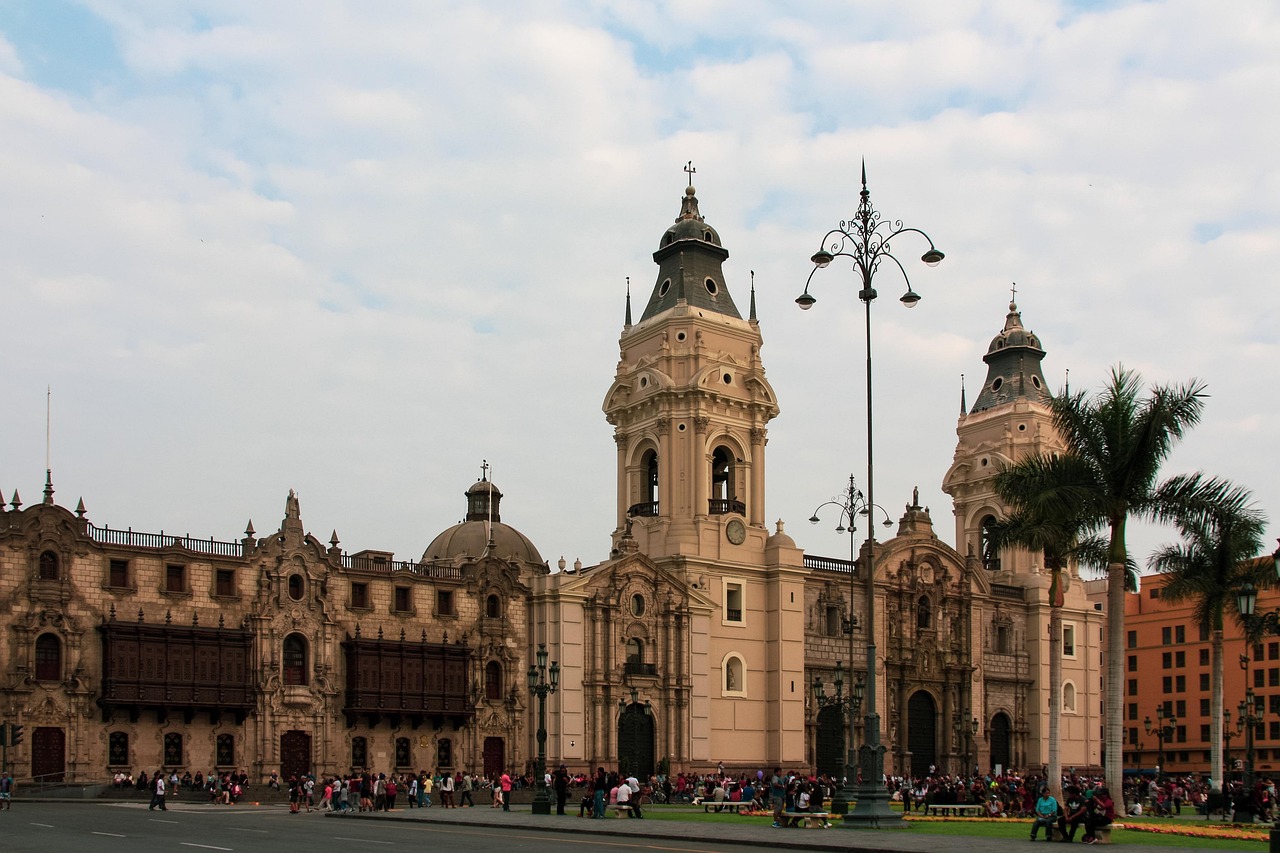
Yet, the "Limeño Renaissance" isn't confined to the kitchen. A new generation of creatives is reclaiming the city’s heritage. In the neighborhood of Barranco, colonial mansions are being converted into natural wine bars and "DM-to-visit" ateliers. In the Historic Center, restoration projects are breathing life back into the carved wooden balconies of the Vice-regal era. The city’s independent design scene and craft beer movement have matured, offering a sophisticated, local-first alternative to the tourist-heavy circuits of the south.
Neighborhood Guide: Barranco vs. Miraflores vs. San Isidro
Choosing your home base in Lima is a matter of temperament. Each district, or distrito, offers a distinct lens through which to view the city.
Miraflores: The Coastal Sentinel
For first-time visitors, Miraflores is the gold standard. It is polished, safe, and boasts the Malecón—a six-mile stretch of parks perched atop the cliffs overlooking the Pacific. Here, you’ll find paragliders catching the updrafts and surfers carving through the grey swells below. It is the commercial heart of the city, home to some of the best restaurants in Lima 2026, and offers a seamless blend of modern luxury and coastal energy.
Barranco: The Bohemian Soul
South of Miraflores lies Barranco, the city’s artistic epicenter. Once a summer retreat for the Limeño aristocracy, its streets are lined with faded Republican-style mansions draped in bougainvillea. Today, those mansions house art galleries like MATE (founded by Mario Testino) and secret gardens. Barranco is where you go to get lost in street art, listen to live musica criolla, and feel the city's pulse.
San Isidro: The Polished Enclave
San Isidro is Lima’s refined, residential answer to the chaos of the city. It is home to the financial district, but its real draw is the Bosque El Olivar (the Olive Grove), where over 1,500 olive trees—some centuries old—provide a serene, emerald sanctuary. It is quiet, upscale, and perfect for those who prefer boutique stays away from the tourist hum.
| Feature | Miraflores | Barranco | San Isidro |
|---|---|---|---|
| Vibe | Vibrant, Modern, Active | Bohemian, Artistic, Romantic | Refined, Quiet, Upscale |
| Best For | First-timers & Shoppers | Artists & Foodies | Couples & Business Travelers |
| Safety | High (Extensive patrols) | Good (Stick to main paths) | Very High |
| Noise Level | Moderate to High | Moderate (Nightlife) | Low |
Culinary Deep Dive: More Than Just Ceviche
To eat in Lima is to participate in a ritual. The city’s geography—squeezed between the nutrient-rich Humboldt Current and the fertile foothills of the Andes—provides a pantry unlike any other on Earth.
The Nikkei Evolution One cannot speak of Lima without mentioning Nikkei—the sophisticated fusion of Peruvian ingredients and Japanese techniques. Pioneered by legends like Mitsuharu "Micha" Tsumura of Maido, Nikkei cuisine turns local seafood into art. Think of Tiradito: sashim-style cuts of fish bathed in a spicy, citrusy ají amarillo sauce, a dish that perfectly encapsulates the 100-year history of Japanese migration to Peru.
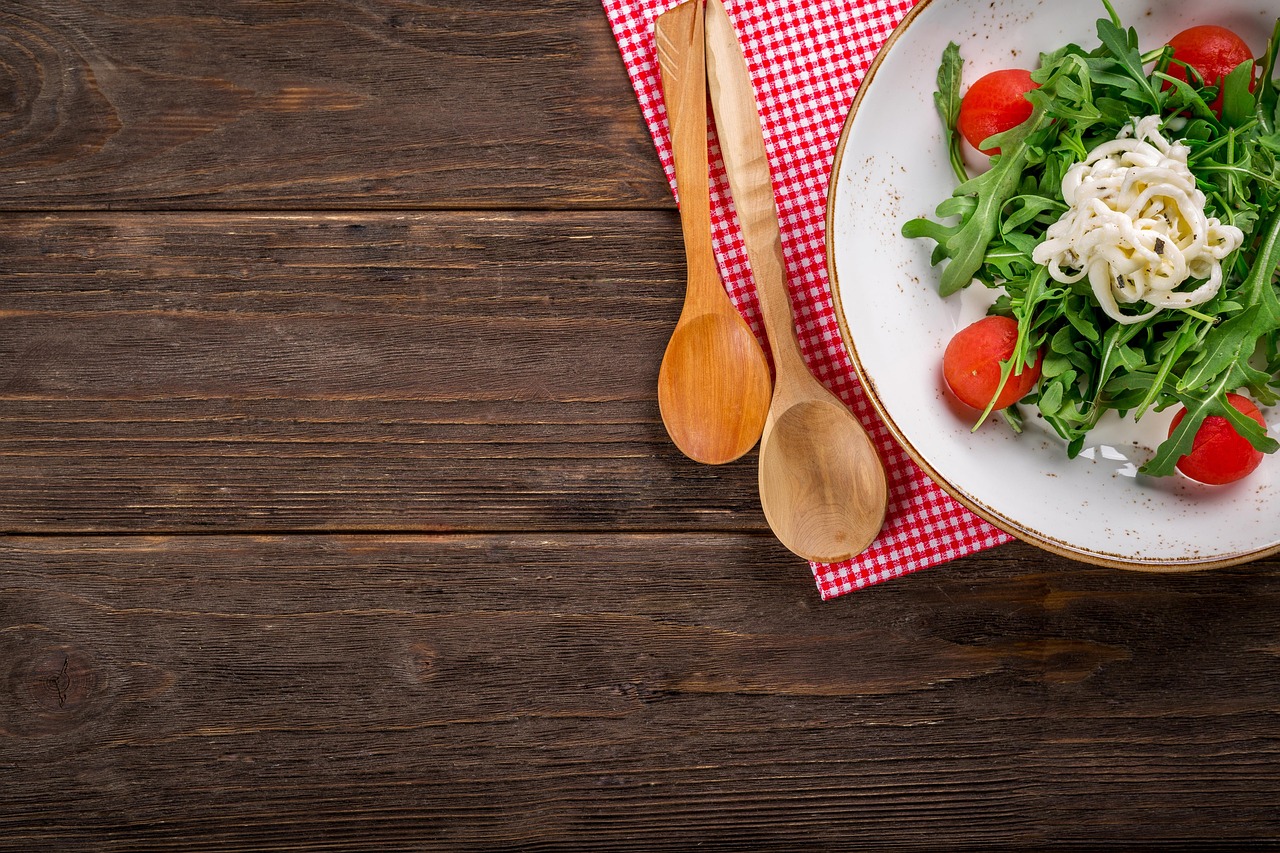
The Lunch-Only Rule If you want to eat ceviche like a local, you must follow the unwritten rule: Ceviche is a lunch dish. Traditionally, cevicherías close by late afternoon because the fish is caught in the early hours and is meant to be consumed at its peak freshness.
Local Insider Tip: Head to Punto Azul or the legendary Canta Rana in Barranco for a mid-day feast. Order the classic sea bass ceviche and a side of Lomo Saltado—a stir-fry of beef, onions, and tomatoes that showcases the Chinese influence (Chifa) on Peruvian soul food.
Ancient Lima: Ruins in the Roundabout
One of the most jarringly beautiful aspects of Lima is the presence of huacas—ancient adobe pyramids that sit smack in the middle of modern residential blocks.
The most famous, Huaca Pucllana, is located in the heart of Miraflores. Built around 500 AD by the Lima Culture, this massive ceremonial complex was constructed from millions of hand-made mud bricks. For a truly surreal experience, book a table at the on-site restaurant at night. You can dine on upscale Andean cuisine while looking out at the illuminated 1,500-year-old ruins.
Further north, the Museo Larco offers a different kind of immersion. Housed in an 18th-century vice-royal mansion built over a 7th-century pyramid, the museum holds the world’s finest collection of pre-Columbian gold, silver, and its famously frank erotic pottery.
The Insider’s Shopping Map: DM-to-Enter Ateliers
Forget the mass-produced alpaca sweaters of the artisan markets. The "New Lima" is about sustainable luxury and high-concept textiles. In 2026, the city’s most exciting designers operate out of private showrooms in Barranco and San Isidro, often requiring a direct message on Instagram to book an appointment.
Look for brands like D.N.I, which draws inspiration from Peruvian folk art, or De Loreta, known for its vibrant, Latin-inspired prints. These ateliers are not just shops; they are cultural hubs where you can meet the makers and understand the deep connection between Peruvian heritage and modern fashion.

Efficient Itineraries: 1 to 3 Days in Lima
If you have 1 Day (The "Gateway" Taster):
- Morning: Walk the Miraflores Malecón and watch the paragliders.
- Lunch: A classic ceviche at La Mar (arrive early).
- Afternoon: Visit the Historic Center (Plaza de Armas and the Convento de San Francisco catacombs).
- Evening: A Pisco Sour at the historic Gran Hotel Bolívar.
If you have 3 Days (The Deep Dive):
- Day 1: Explore Miraflores and Huaca Pucllana.
- Day 2: A full day in Barranco. Walk the Puente de los Suspiros (Bridge of Sighs), visit MATE, and explore the street art. End the day at a natural wine bar like Siete.
- Day 3: Take a "Foodie Tour" of the Surquillo Market No. 1 to see the kaleidoscopic mountains of Amazonian fruits, followed by a tasting menu at a top-ranked restaurant like Kjolle.
Practical Logistics & Safety for 2026
Navigating Lima requires a bit of strategy. The city's traffic is legendary, and while the "Metropolitano" bus system is efficient, it can be overwhelming for newcomers.
- Transportation: Stick to Uber or Cabify for safety and transparent pricing. Avoid hailing "street taxis" unless they are associated with your hotel.
- Safety: While Miraflores, Barranco, and San Isidro are very safe for solo travelers, always remain aware of your surroundings. Avoid the Historic Center after dark.
- Health: Do not drink the tap water. Even for brushing teeth, most travelers prefer bottled water. Pharmacies like Inkafarma or Mifarma are ubiquitous and well-stocked for any altitude sickness or digestive issues.
FAQ
Q: Is Lima safe for solo female travelers? A: Yes, especially in the districts of Miraflores and San Isidro. Stick to reputable ride-sharing apps and stay in well-lit, populated areas at night.
Q: How far in advance should I book restaurants like Central or Maido? A: For 2026, the demand is higher than ever. It is recommended to book 3 to 4 months in advance. If you can't get a spot, try their "sister" restaurants like Kjolle or Terras.
Q: When is the best time to visit Lima? A: December to April offers the most sun and clearest skies. From June to September, the garúa mist is most prevalent, which has its own moody charm but can be chilly.
Lima is a city that rewards the patient and the hungry. It is a place where 16th-century wooden balconies overlook 21st-century traffic, where the Pacific air tastes of salt and lime, and where every meal tells a story of migration, geography, and soul. Don't just pass through. Stay a while.