Quick Facts
- Modern Efficiency: Today’s consumer solar panels have evolved from a 1% efficiency in 1884 to between 10% and 20% today, making them viable for charging everything from smartphones to heavy-duty RV appliances.
- Safety & Reliability: Solar gear isn't just about convenience; it provides a renewable lifeline for GPS units, emergency radios, and satellite communicators when you're miles from the nearest outlet.
- High-Output Power: Top-tier portable power stations like the Jackery Explorer 2000 Plus can now output up to 3,000W, allowing you to run power-hungry tools and medical devices off-grid.
- Tested Performance: In our rigorous testing, premium models like the Bluetti AC70 achieved a 93.47% usable capacity, shattering standard industry benchmarks for energy storage.
The Solar Revolution in the Wild
There was a time, not too long ago, when going "off-grid" meant exactly that—disappearing into the silence and accepting that once your batteries died, you were effectively back in the 19th century. I remember a solo trek through the Wind River Range a decade ago where I spent three days rationing my GPS battery like it was the last drop of water in the canteen.
Fast forward to 2025, and the landscape has shifted entirely. We are living through a portable power revolution. The best portable solar-powered gear isn't just a niche hobbyist's dream anymore; it’s a foundational part of any serious outdoor kit. Modern consumer solar panels typically reach between 10% and 20% maximum efficiency. While that might sound small, it’s a massive leap that allows lightweight, foldable panels to effectively charge phones, GPS units, and safety devices in the field under real-world conditions.
Whether you're setting up a long-term basecamp or counting every ounce in your backpacking kit, solar technology has become lighter, tougher, and significantly more efficient. In this guide, we’re breaking down the gear that actually survived our field testing.
| Product | Category | Weight | Key Feature | Best For |
|---|---|---|---|---|
| Jackery Explorer 2000 Plus | Heavy-Duty Station | 61.5 lbs | 3,000W Output | RVs & Basecamps |
| Bluetti AC70 | Mid-Range Power | 22.5 lbs | 93.47% Usable Capacity | Overlanding |
| EcoFlow River 3 | Portable Power | 7.8 lbs | Ultra-compact | Weekend Camping |
| Goal Zero Nomad 10 | Solar Panel | 1.1 lbs | Weather-resistant | Backpacking |
| Garmin Instinct Solar | Wearable | 53g | 54-day Battery Life | Mountaineering |
The Evolution of Solar Tech: From 1% to 20%
To appreciate where we are, you have to look at where we started. Solar cell efficiency for outdoor consumers has increased from a mere 1% in 1884 to a maximum of 20% today. That is a nearly 20-fold improvement in energy conversion technology. In the early days, you needed a panel the size of a dining table just to keep a flashlight going. Today, I can clip a panel the size of a tablet to my pack and keep my satellite communicator topped off while I hike.
The advantages of solar-powered outdoor gear go beyond just "staying charged." It’s about environmental sustainability and extending your field time. By harvesting the sun, you eliminate the need for single-use alkaline batteries that end up in landfills, and more importantly, you create a reliable power source for critical safety and navigation tools. When your survival depends on a digital map, the sun is the most reliable "battery" you have.
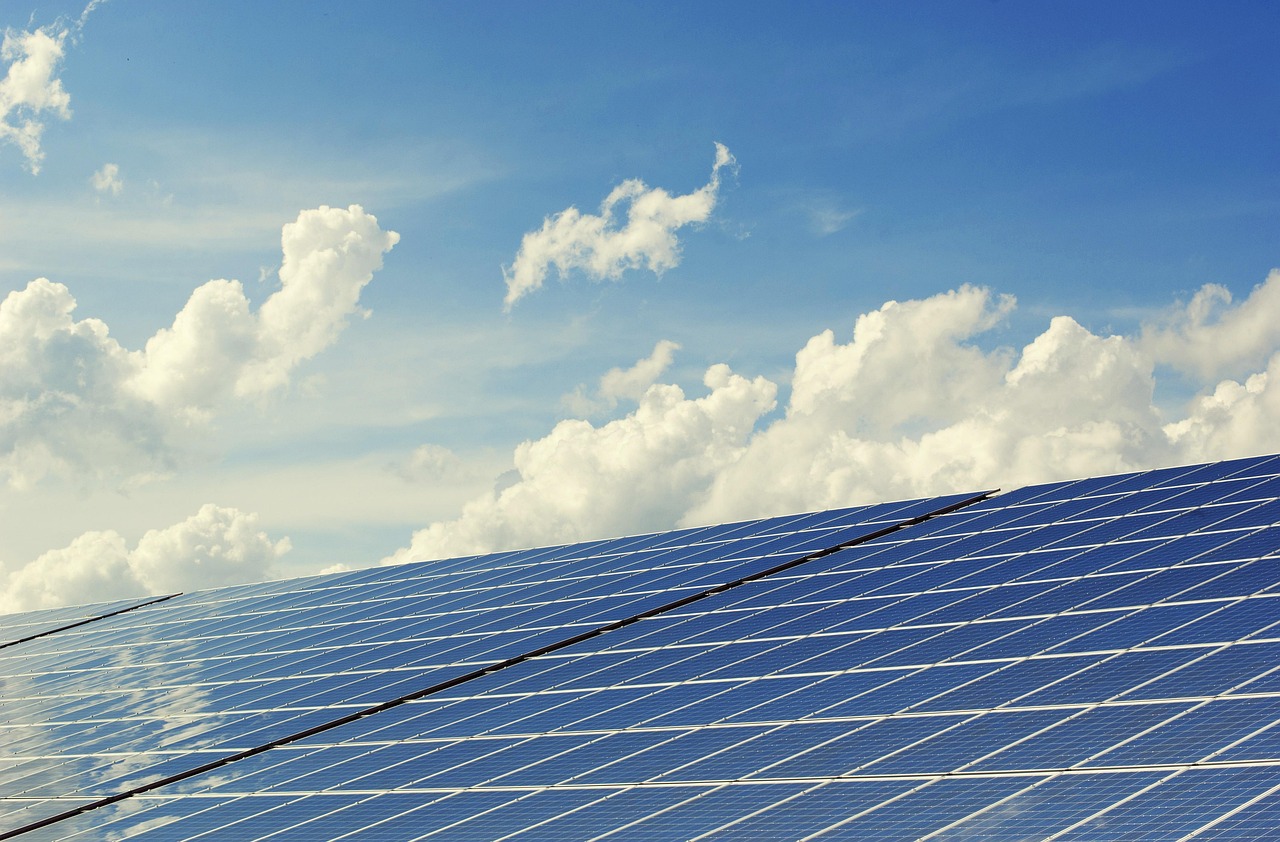
Best High-Capacity Solar Power Stations (Heavy-Duty Off-Grid)
When we talk about "off-grid solar power solutions," the conversation usually starts with portable power stations (PPS). These are essentially massive batteries paired with "Pure Sine Wave" inverters—which provide clean, stable electricity just like your wall outlet at home—making them safe for sensitive electronics like laptops.
Jackery Explorer 2000 Plus
The Jackery 2000 Plus is the undisputed heavyweight champion of the basecamp. During our testing in the high desert, this unit didn't just charge phones; it ran a full-sized electric kettle and a portable fridge simultaneously without breaking a sweat. It features LiFePO4 (Lithium Iron Phosphate) battery chemistry, which is the gold standard for longevity, lasting for over 4,000 charge cycles.
Spec Box:
- Price: $2,199
- Weight: 61.5 lbs
- Capacity: 2042Wh
- Verdict: The ultimate "set it and forget it" power source for RVs and long-term expeditions.
Bluetti AC70
If the Jackery is the powerhouse, the Bluetti AC70 is the efficiency king. Many brands claim high capacities but fail to deliver when actually put to the test. The AC70 is a standout performer that punches well above its weight class.
Testing Note: Our field testing of top-tier portable power stations reveals that premium models like the Bluetti AC70 can achieve a 93.47% usable capacity. This is significantly higher than the standard industry benchmarks for off-grid energy storage, where many units lose 15-20% of their power to internal heat and conversion.
Spec Box:
- Price: $699
- Weight: 22.5 lbs
- Capacity: 768Wh
- Verdict: The best balance of portability and high-efficiency performance for 3-5 day trips.
Anker Solix F3800 Plus
For those who are basically moving their entire home into the wild, the Anker Solix F3800 is a monster. It’s designed for massive expansion. You can link multiple units together to power an entire off-grid cabin. It features an integrated EV charging port, which is a game-changer for those driving electric adventure rigs.

Portable Solar Panels & Backpacking Essentials
For the backpackers among us, we can’t carry a 60-pound battery. We need the best solar panels for backpacking—units that are lightweight, durable, and capable of being lashed to a moving pack.
Goal Zero Nomad 10
Goal Zero has been the industry standard for a decade for a reason. The Nomad 10 is a foldable, weather-resistant 10W panel that I’ve personally used to keep my phone and headlamp alive on two-week traverses. It features an integrated kickstand, which is crucial because solar panels lose efficiency rapidly if they aren't angled directly at the sun.
Spec Box:
- Price: $99
- Weight: 1.1 lbs
- Output: 10W
- Verdict: Rugged, simple, and virtually indestructible for hikers.
EcoFlow River 3
While technically a power station, the River 3 is so light (7.8 lbs) that I often consider it a backpacking essential for group trips. It offers about 90% usable capacity out of the box and pairs perfectly with EcoFlow's 110W portable folding panels. It’s small enough to fit in a standard daypack but powerful enough to recharge your group's camera gear for a week.
BioLite CampStove 2+
This is a bit of a hybrid. While primarily a wood-burning stove, the BioLite uses a thermoelectric generator to convert heat into electricity, which it stores in an onboard battery. It’s a perfect backup for cloudy days when your solar panels aren't performing. If you have sticks, you have power.
Solar-Powered Lighting & Ambience
Lighting is often the biggest drain on smaller battery packs. By using dedicated solar camping accessories for illumination, you save your main power bank for communication and navigation.
MPowerd Luci Base
The Luci light is a classic for a reason. It’s an inflatable, waterproof lantern that collapses to the thickness of a pancake. The "Base" model includes a larger solar panel and a USB out port, allowing it to act as an emergency power bank. It provides a warm, diffused light that makes a tent feel like a home rather than a nylon cave.
LuminAid Sunfox
If you want a little entertainment with your illumination, the Sunfox is a solar-powered Bluetooth speaker and lantern combo. It’s rugged, floats in water, and provides surprisingly decent audio quality for its size. It’s my go-to for river trips where weight is less of a concern than "vibes."
Navigation & Wearable Solar Tech
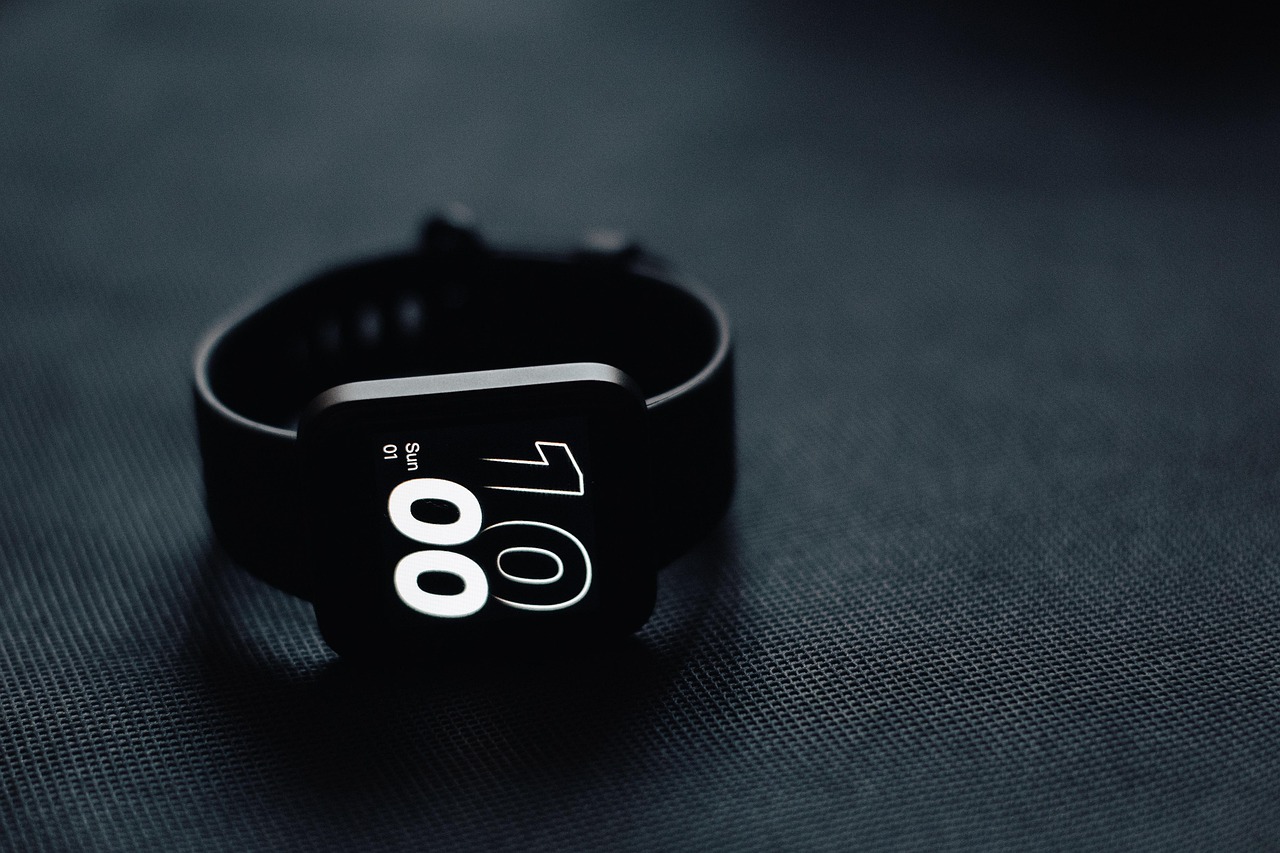
In my opinion, this is where solar tech gets truly exciting. Integrating solar cells directly into the glass of a watch creates a level of redundancy that can quite literally save lives.
Garmin Instinct Solar
This is a favorite of REI specialists and for good reason. The Instinct Solar uses "Power Glass" to harvest energy. In battery-saver mode with sufficient sun exposure, the battery life can theoretically last forever. In standard GPS mode, it can last up to 54 days. It’s built to military standards (MIL-STD-810), meaning it can handle the drops, freezes, and dunks that come with real exploration.
Suunto Vertical
Suunto’s answer to the solar revolution is the Vertical. It features huge solar charging surfaces and provides offline maps that are some of the best in the business. It’s a rugged, no-nonsense tool for mountaineers who need to know exactly where they are, even when they haven't seen a power outlet in three weeks.
Emergency & Specialized Solar Tools
Beyond the standard power banks and lights, there are specialized tools that use the sun to solve specific problems in the wild.
Sirius Survival Weather Radio
Redundancy is the name of the game in survival. This radio offers solar charging, a hand-crank, and AAA battery compatibility. It ensures you can always receive NOAA weather alerts, even in the middle of a multi-day storm when your primary solar panels are sidelined.
Advanced Elements Solar Shower
There is no luxury quite like a hot shower in the woods. This simple but brilliant tool uses a dark ripstop material to absorb solar heat. In our testing, it was able to heat 2.5 gallons of water to over 100 degrees in just a few hours of direct sunlight. It’s lightweight enough to pack into a basecamp and provides a massive morale boost after a long day of dusty hiking.
Buying Guide: How to Choose Your Solar Setup
Choosing the right gear comes down to three factors: Capacity, Portability, and Efficiency.
- Watt-Hours (Wh) per Pound: If you’re backpacking, you want the highest Wh/lb ratio possible. Aim for small power banks (10,000–20,000mAh) paired with a 10W folding panel. For car camping, prioritize total capacity (Wh) so you can run heavy-load appliances.
- The Inverter Matters: Always look for "Pure Sine Wave" inverters in power stations. Cheaper "Modified Sine Wave" inverters can damage sensitive electronics like your MacBook or high-end DSLR battery chargers.
- MPPT Controllers: Modern solar setups should use Maximum Power Point Tracking (MPPT). This is a fancy way of saying the device is smart enough to handle fluctuating voltage from the sun (like when a cloud passes over), ensuring you get the fastest possible charge in all conditions.
- Weather Resistance: Look for an IP rating (like IP67). Solar gear stays outside, so it will get rained on. If it doesn't have a rating, keep it in a dry bag when not in use.
FAQ
Q: Does solar gear work on overcast days? A: Yes, but at significantly reduced efficiency. A panel that produces 100W in direct sun might only produce 10-20W in heavy overcast. Always carry a pre-charged "buffer" battery to smooth out these fluctuations.
Q: Can a portable solar station run a hair dryer or coffee maker? A: Only the high-end units. Devices that generate heat require massive amounts of wattage. You’ll need a station like the Jackery 2000 Plus with at least a 2,000W–3,000W continuous output to handle those loads.
Q: How long do solar batteries last before they need to be replaced? A: If you choose a unit with LiFePO4 batteries, you can expect 3,000 to 4,000 charge cycles—that’s nearly 10 years of daily use. Standard Lithium-ion units usually last around 500 cycles.
Conclusion
The "solar revolution" isn't coming—it’s already here. Investing in a high-quality solar-powered kit allows for deeper, safer, and more sustainable connections with the outdoors. We no longer have to choose between the beauty of the wild and the safety of modern technology. By understanding the efficiency of your gear and planning for your power needs, you can turn the sun into your most reliable adventure partner.