Quick Facts
- The Experience: A bespoke fashion journey through Johannesburg’s Fashion District and Maboneng, culminating in a custom-made garment designed by you and a local maker.
- The Host: Sebo Marobela of Caraci Clothing, a visionary designer who bridges the gap between traditional craftsmanship and contemporary style.
- Safety & Logistics: Over 98% of travelers recommend guided cultural tours for a safe, authentic, and deep connection with the local community.
- The Hub: Maboneng Precinct is the city’s undisputed center for "Artivism," street art, and independent designer studios.
- Best Base: Rosebank, specifically the Voco Johannesburg, offers a sophisticated and secure sanctuary for solo travelers.
Beyond the Layover in Joburg: A City of Collision and Creation
For too long, Johannesburg has been treated as a mere transit point—a gritty concrete foyer to the glamorous safari lodges of the Kruger or the coastal elegance of Cape Town. But to fly through "Joburg" (or Jozi, as the locals affectionately call it) without stepping into its rhythmic heart is to miss the most compelling narrative in modern Africa. This is a city built on gold and grit, now being redefined by "Artivism"—a potent blend of art and activism that pulses through its streets.
If you are looking for the most unique cultural experience in Johannesburg, look no further than a bespoke fashion tour with a local designer like Sebo Marobela. It is an immersive odyssey that transcends traditional sightseeing. Instead of being a passive observer behind a window, you become a collaborator in the city's thriving creative economy. In a single afternoon, you can walk through the historic fashion district, hand-select vibrant African prints, and have a custom garment measured and stitched to your exact silhouette. It is slow fashion at its most visceral and personal.
Where to Base Yourself: The Rosebank Oasis
For the solo traveler or the culturally curious, the choice of neighborhood is paramount. While the downtown core is where the creative magic happens, Rosebank serves as the ideal upscale retreat. It is a neighborhood of leafy avenues, high-end galleries, and seamless connectivity.
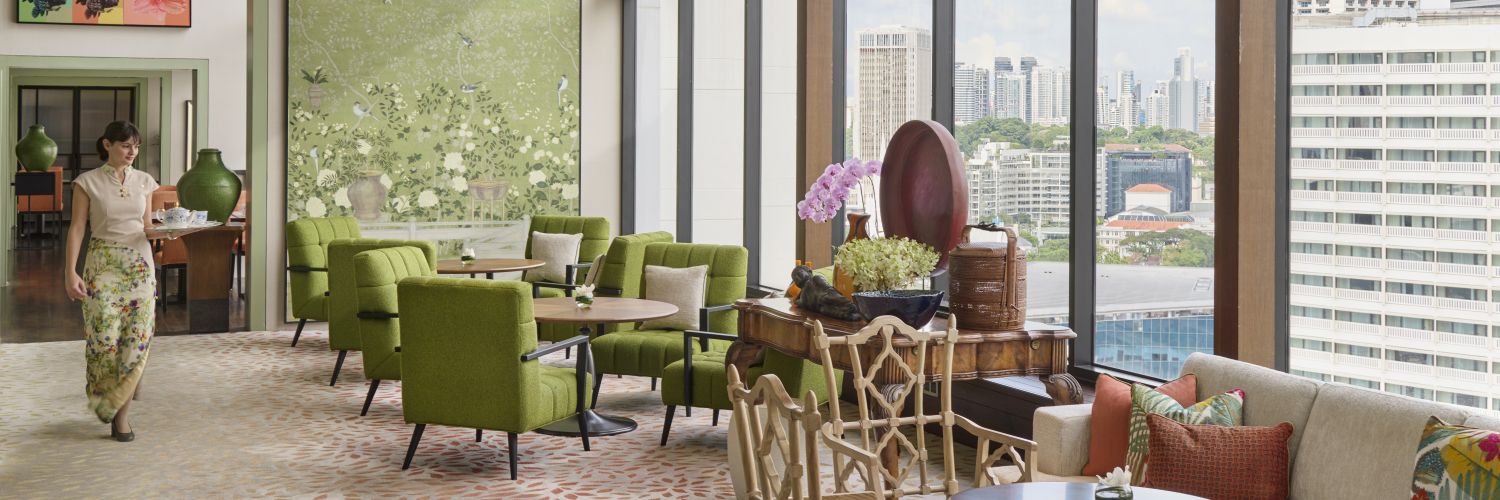
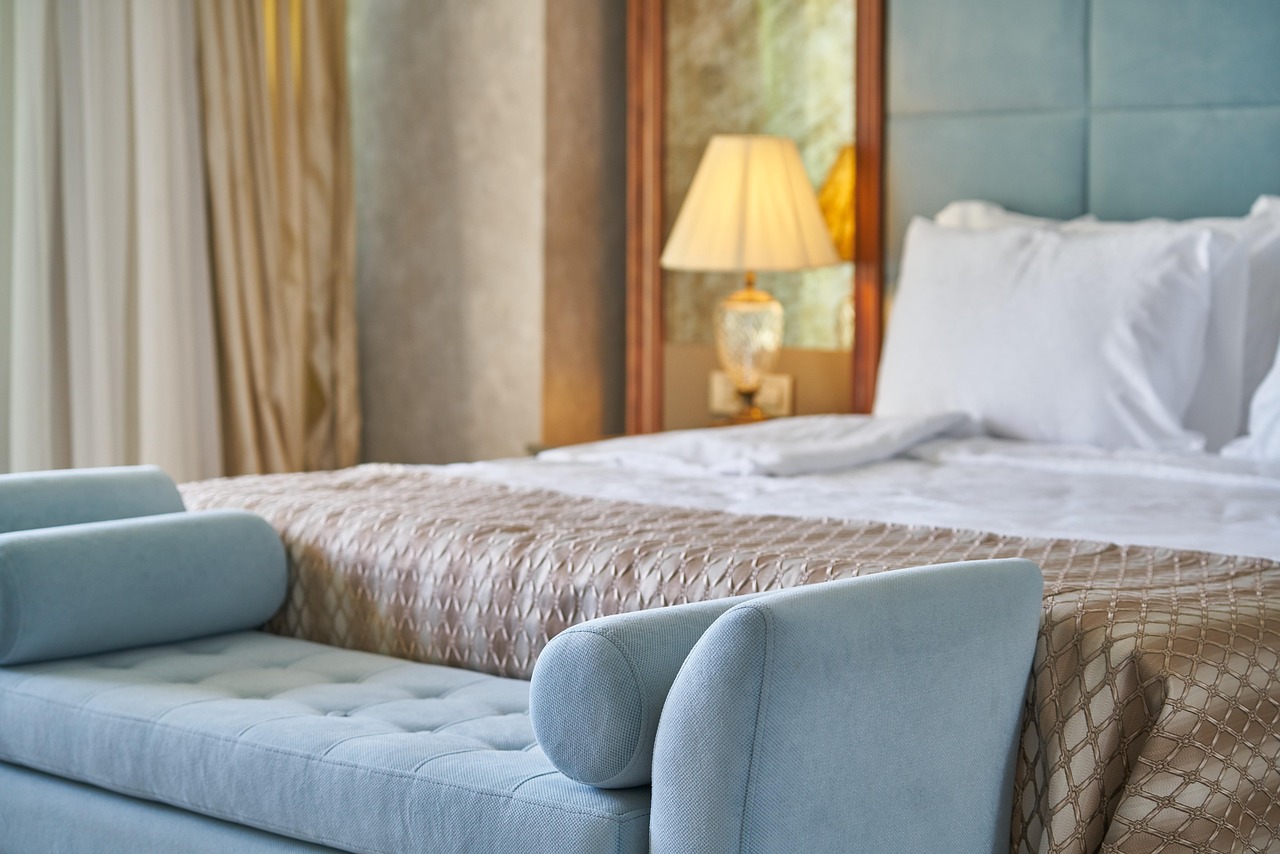
The Voco Johannesburg Rosebank stands as a beacon of modern South African hospitality. It is sophisticated without being stuffy, offering a secure environment that allows you to decompress after a day of urban exploration. Between the mid-century modern aesthetics of the rooms and the vibrant energy of the Proud Mary Modern Eatery & Wine Bar downstairs, it provides a tactile sense of the city’s "New Africa" luxury. The co-working spaces are often filled with local entrepreneurs, making it easy to strike up a conversation over a flat white before heading out into the city’s more industrial edges.
Transitioning from the polished marble of Rosebank to the raw, sun-drenched streets of the downtown Fashion District is a necessary jolt to the senses. It is here that the city’s history as a garment manufacturing powerhouse meets its future as a global fashion capital.
The Main Event: An Afternoon with a Local Dressmaker
My journey began on a Tuesday afternoon when I met Sebo Marobela. Sebo isn’t just a dressmaker; she is a storyteller whose medium happens to be fabric. The tour, often booked via Airbnb Experiences, is a masterclass in local immersion.
Step 1: The Runway Walk in the Fashion District
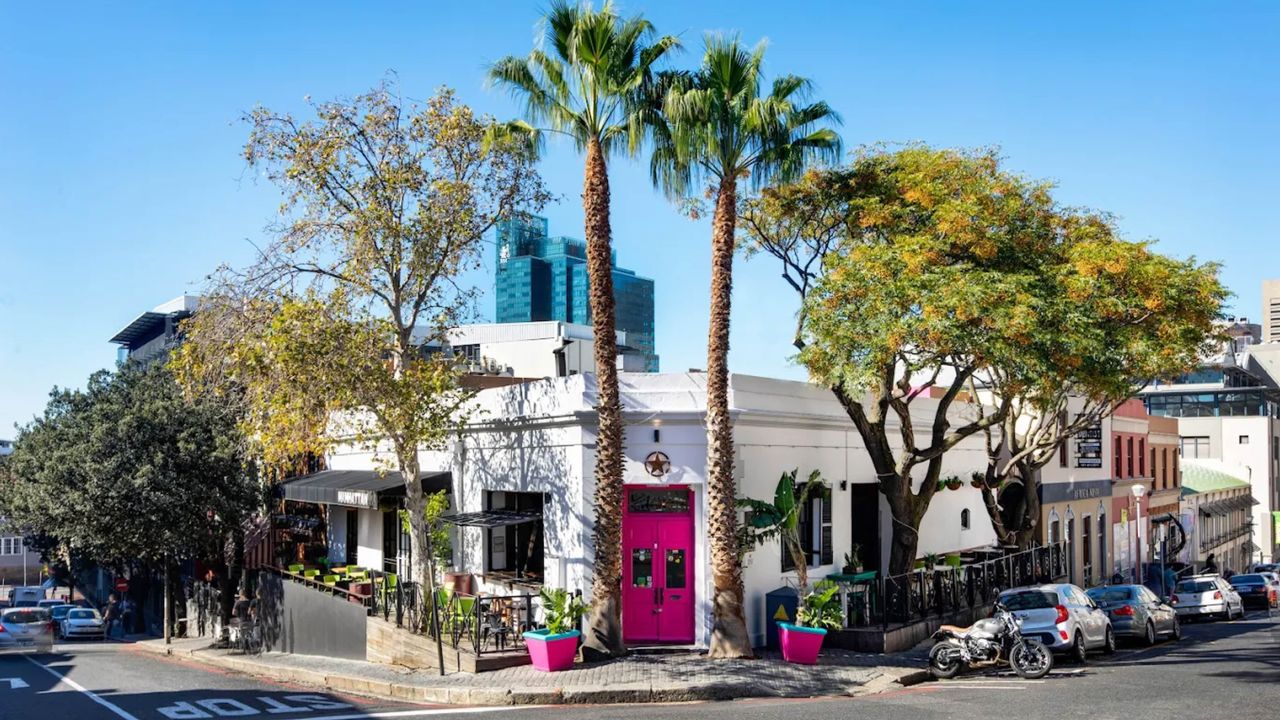
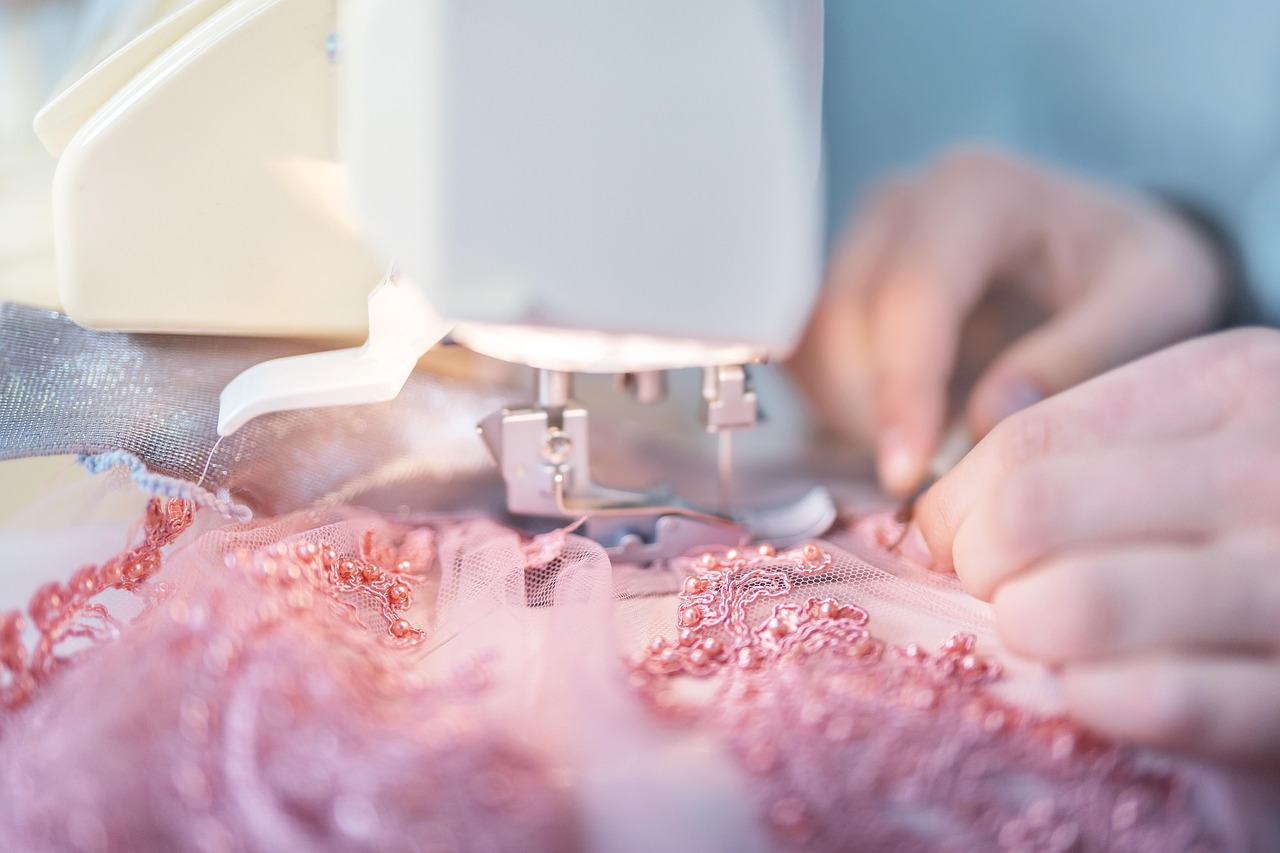
We started our walk in the historic Fashion District, an area spanning several blocks where the sidewalks are lined with wholesalers and haberdasheries. Sebo pointed out the remains of the old outdoor catwalk—a physical reminder of the city's legacy in garment making. As we walked, the air was thick with the scent of street food and the rhythmic hum of sewing machines echoing from upper-floor windows.
Step 2: Fabric Sourcing in Maboneng
We moved toward the Maboneng Precinct, the artistic soul of Johannesburg. The "Place of Light" (as its Sotho name suggests) is where the city’s creative energy is most concentrated. We ducked into small, sun-lit shops stacked floor-to-ceiling with textiles.
Choosing a fabric is an exercise in sensory overload. There are the stiff, geometric patterns of traditional Shweshwe—the "denim of South Africa"—and the riotous, kaleidoscopic colors of wax-print Ankara. Sebo guided my hands, teaching me to feel the weight of the cotton and the quality of the dye. We eventually settled on a bold, mustard-yellow print with indigo motifs that felt both ancient and incredibly modern.

Step 3: Measuring and Design
Back in the studio, the collaboration truly began. This isn't a "pick from a catalog" experience. We sat together, sketching ideas that bridged my personal style with South African flair.
- The Silhouette: We decided on a structured wrap skirt—versatile enough for a gala in London or a market stroll in Joburg.
- The Detail: Sebo suggested hidden pockets (a godsend) and a specific pleat that honored the fabric’s pattern.
- The Fit: The "Master Tailor" experience involves precise measurements that no off-the-rack garment could ever replicate.
Immersive Connection: Culture and Conversation
The true value of this tour isn't just the skirt you take home; it’s the bridge it builds. Between the measuring and the cutting, we shared a lunch of Pap and Vleis (maize porridge and grilled meat) with a side of spicy Chakalaka in the heart of Maboneng.
We talked about the challenges of being an independent designer in a globalized world and the importance of the local artisan economy. It is this "Ubuntu" spirit—the South African philosophy of "I am because we are"—that transforms a transaction into a connection. This is why over 98% of travelers who book guided cultural tours in Johannesburg recommend them; the guide acts as a cultural translator, ensuring your presence in the community is respectful, safe, and mutually beneficial.
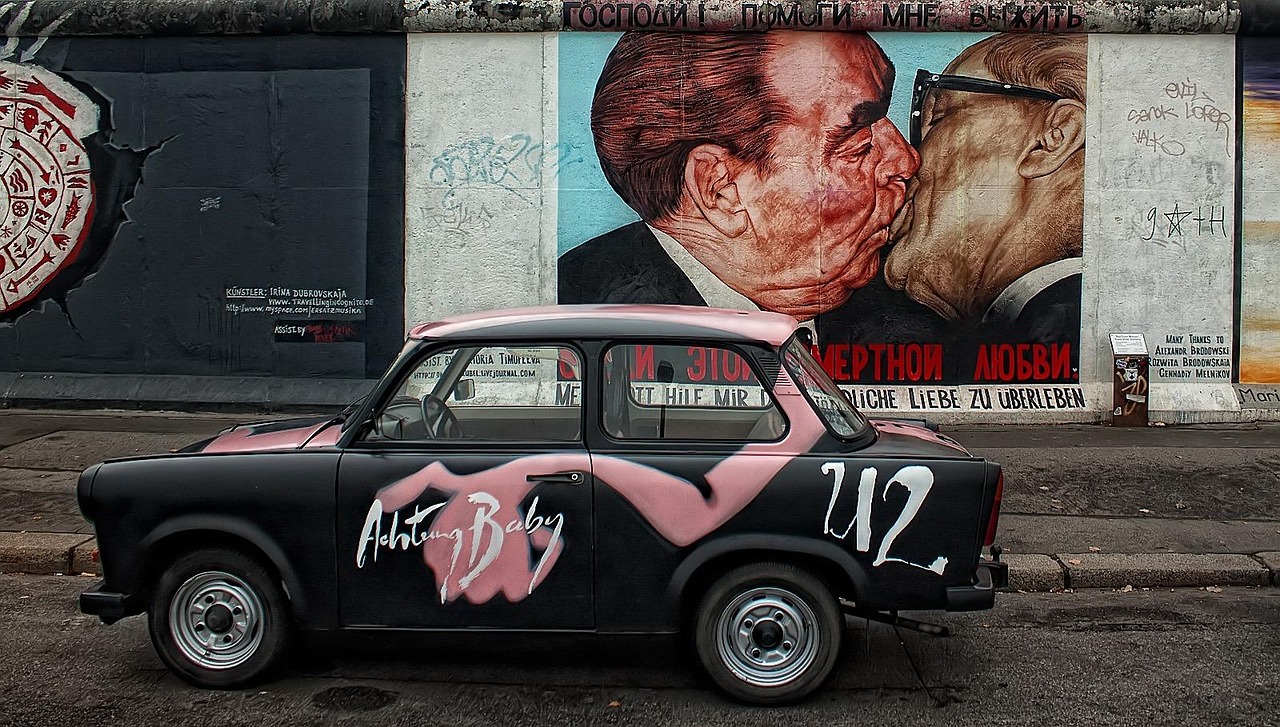
Maboneng is not just a backdrop; it is a living gallery. Between fabric hunts, you’ll encounter towering murals and street art that tackle themes of identity, struggle, and hope. It is the artistic hub for designer studios that are reclaiming the narrative of African fashion.
Comparing the Experience
| Feature | Fast Fashion Retail | Bespoke Maker Tour |
|---|---|---|
| Origin | Mass-produced in factories | Hand-crafted in a local studio |
| Sustainability | High waste, low transparency | Zero waste, supports local artisans |
| Fit | Standardized sizes (S, M, L) | Tailored to your unique body |
| Connection | Transactional | Immersive and educational |
| Memory | Forgettable purchase | A lasting story of your travels |
Beyond the Studio: Markets and Festivals for Fashion Lovers
If your appetite for South African design isn't sated by the end of the afternoon, Johannesburg offers several other avenues for "slow fashion" enthusiasts.
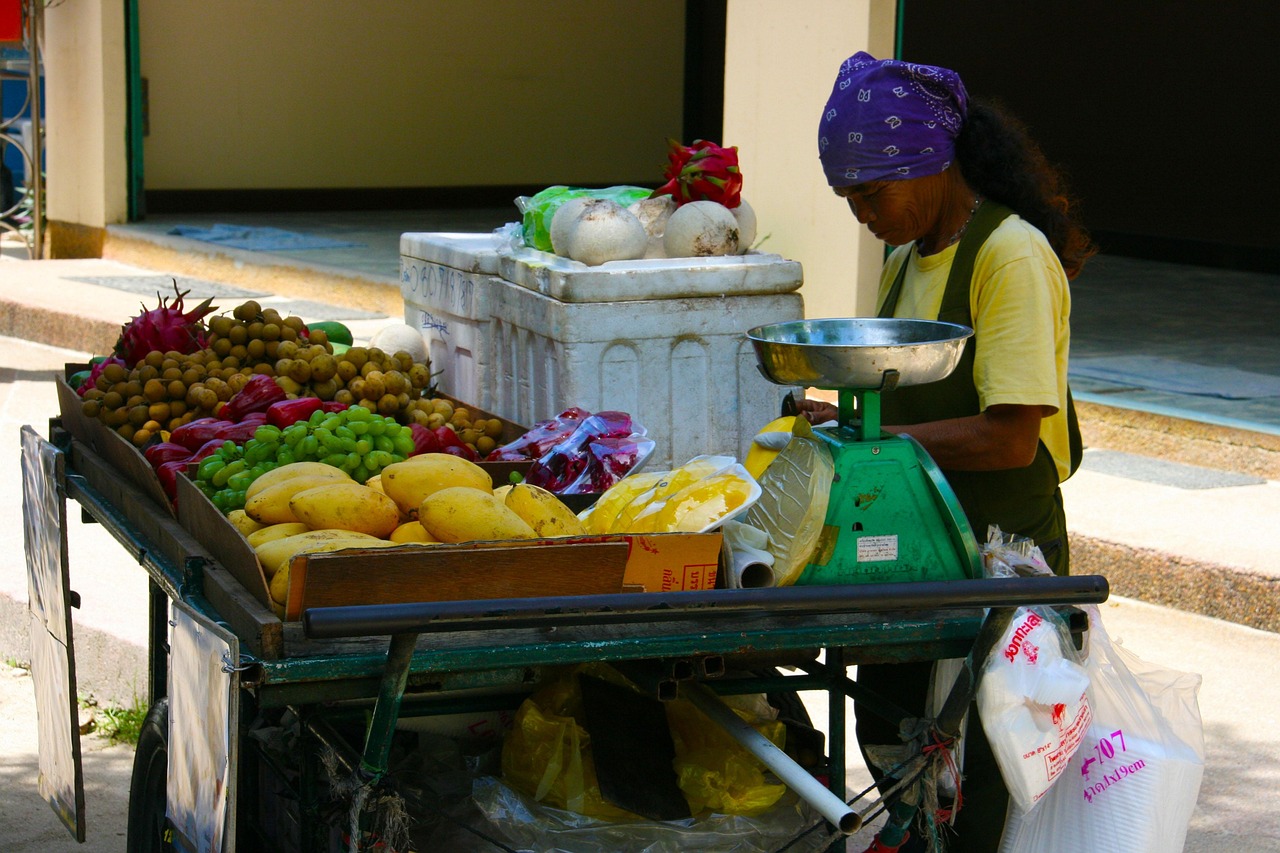
The Linden Market at the Botanical Gardens This is a quarterly highlight on the Jozi social calendar. Imagine a sprawling, sun-dappled market featuring over 150 local stalls. It is a curated collection of the best the city has to offer: from hand-beaded jewelry to ceramics and high-end slow fashion. The atmosphere is quintessentially Joburg—pet-friendly, filled with live indie music, and even featuring "Date-a-Dog" pop-ups from local shelters. It’s where you go to see how the locals dress, eat, and celebrate.
The Johannesburg Event Calendar To see fashion and culture collide on a grander scale, time your visit with one of the city’s major festivals:
- Cotton Fest (April): A high-octane celebration of street culture, music, and fashion founded by the late icon Riky Rick.
- Standard Bank Joy of Jazz (September): South Africa's oldest jazz festival, where the fashion in the audience is often as sophisticated as the music on stage.
- South African Fashion Week (October/April): The premier event for seeing the country's top designers showcase their seasonal collections.

Essential Tips for the Bespoke Experience
Booking a tour like this requires a bit of foresight, but the rewards are immeasurable.
- How to Book: Most independent designers, including Sebo Marobela, list their experiences on platforms like Airbnb Experiences or through local boutique tour operators like Past Experiences.
- Lead Times: While many garments can be cut and "roughed in" during a single afternoon, a final fitting usually happens the next day. If you are on a tight schedule, most makers can arrange a courier to your hotel or even ship internationally.
- The Budget: Expect to pay between $100 and $250 USD, depending on the complexity of the design and the fabric chosen. This usually includes the tour, the lunch, and the custom garment itself—an incredible value for true haute couture.
- Safety First: Johannesburg is a complex city. While Maboneng is generally safe during the day, having a local guide like Sebo allows you to navigate the Fashion District with confidence. They know the streets, the shop owners, and the local etiquette.
Expert Tip: Bring a photo of a silhouette you love. While the designer will have plenty of ideas, having a starting point helps the collaborative process move faster during the design phase.
FAQ
Is it safe for solo female travelers to explore the Fashion District? Exploring the downtown Fashion District is best done with a guide or as part of a tour. Having a local with you ensures you navigate the bustling wholesalers safely and find the best quality fabrics without the stress of getting lost.
Can I have more than one item made? Yes, but you will likely need to extend your stay or arrange for international shipping. Most designers can manage one complex piece (like a dress or coat) or two simpler pieces (like a skirt and a top) within a 48-hour turnaround.
What is the best time of year to visit Johannesburg for fashion? September and October are fantastic. The weather is spring-like, the Jacarandas are beginning to bloom (turning the city purple), and major events like the Joy of Jazz and SA Fashion Week take place.
Start Your Journey
The "real" Johannesburg isn't found in a mall or through a car window; it is found in the tactile rustle of a new fabric and the shared laughter over a midday meal. Booking a bespoke fashion tour is more than just a shopping trip—it’s an investment in a local story and a piece of wearable art that will forever remind you of the vibrant heartbeat of the city.