Quick Facts
- UNESCO Status: A 1.03-million-hectare wilderness area recognized for its 91 species of eucalypts (13% of the world's total diversity).
- The 2026 Revival: Fully reopened after the recovery of 2.5 million acres of parkland from bushfires and the restoration of trails following consecutive flood seasons.
- Transport Access: 2-hour train ride from Sydney Central (approx. AUD $18.50 round-trip) or a 90-minute drive.
- Top Highlights: The Three Sisters at Echo Point, the record-breaking Scenic World railway, and the newly minted Grand Cliff Top Walk.
- Budget Expectation: AUD $60 (Budget) to $140+ (Mid-range with attractions and dining) per person.
Introduction: The Phoenix of the Great Dividing Range
To look out over the Jamison Valley in 2026 is to witness one of nature’s most profound acts of reclamation. Just a few years ago, the narrative surrounding the Blue Mountains was one of crisis: 2.5 million acres of national park land were scorched by unprecedented bushfires, followed by a series of deluge events that impacted three consecutive wine harvests in the Megalong Valley. Today, however, the region has emerged not merely restored, but reborn. The canopy is thicker, the waterfalls are more vigorous, and a new wave of sustainable infrastructure has turned this UNESCO World Heritage site into a global gold standard for regenerative tourism.
The first thing every traveler notices—and the question every editor gets asked—is about the name. The "Azure Phenomenon" is not a marketing myth; it is a scientific reality. As you stand on the precipice of Evans Lookout or Echo Point, the mountains are draped in a distinct, ethereal cobalt haze. This is caused by the refraction of light through fine droplets of oil dispersed by the region’s dense eucalyptus forests. With 91 species of eucalypts representing approximately 13% of the global eucalypt diversity, the Blue Mountains are effectively a giant, living laboratory of evolutionary history.
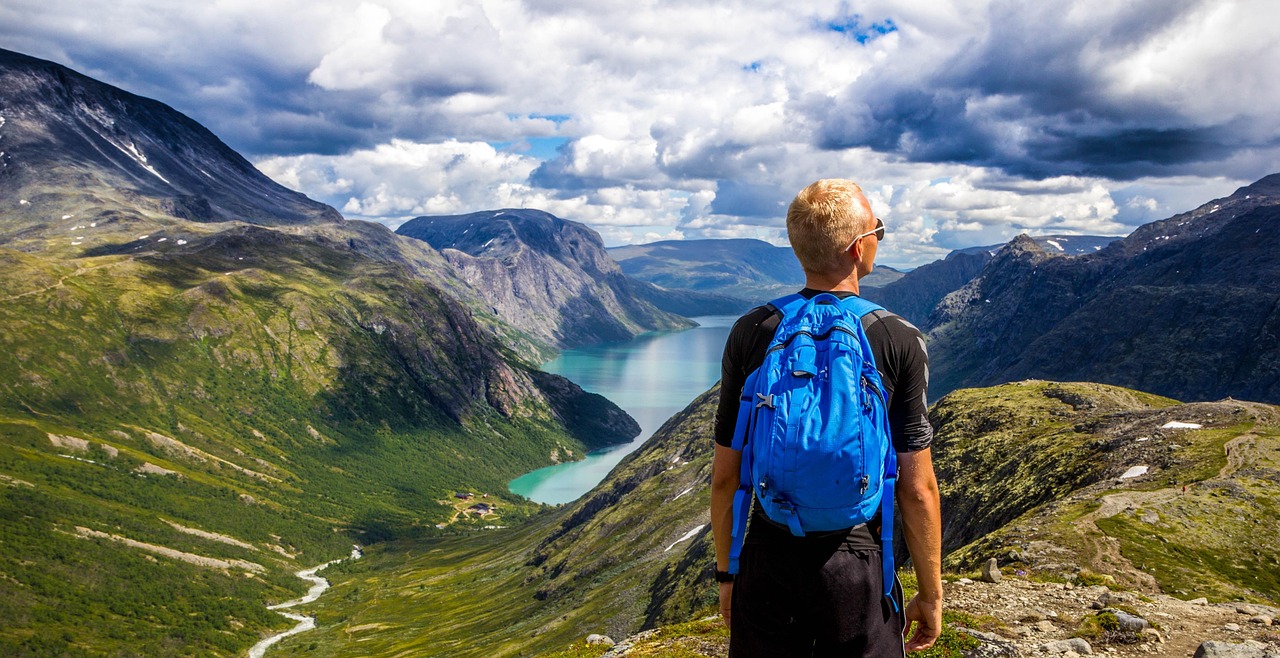
Why visit in 2026? Because the region has found its second wind. Beyond the classic viewpoints, the "New Blue" features world-class hiking tracks like the Grand Cliff Top Walk and a culinary scene that has shifted from "tourist-trap cafes" to high-end, hyper-local gastronomy. Whether you are a weekend warrior from Sydney or a global trekker, the Blue Mountains are ready to offer a deeper, more intentional experience than ever before.
Planning Your 2026 Expedition
For those mapping out their journey, 2026 brings more accessibility and refined infrastructure. While a day trip is the most common way to experience the area, I highly recommend an overnight stay to truly appreciate the shift in light and the "dark sky" opportunities that have recently gained international recognition.
Your Top Questions Answered
What are the top things to do in the Blue Mountains in 2026? The "Big Three" remain essential: the Three Sisters at Echo Point, Scenic World (specifically the 52-degree railway), and the revamped Grand Cliff Top Walk. For a modern twist, visit the Megalong Valley’s rejuvenated wineries or book a cultural astronomy session to see the southern stars through a First Nations lens.
How much does a Blue Mountains day trip from Sydney cost in 2026?
- Budget (Public Transport): AUD $60–$90 (covers train fare, park entry, and a modest lunch).
- Mid-Range: AUD $110–$140 (includes a Scenic World Discovery Pass at approx. $55 and a sit-down meal).
- Premium: AUD $250+ (includes private guided tours, wine tastings, and fine dining at establishments like Tempus).
How can I reach the Blue Mountains from Sydney? The most sustainable and scenic route is via the Blue Mountains Line train from Sydney Central Station to Katoomba. It’s a 2-hour journey that costs under $20 round-trip. If you prefer the flexibility of driving, the M4 and Great Western Highway will get you there in 90–110 minutes, though parking in Katoomba can be challenging during peak holiday weekends.
Getting There: The Journey from Sydney Central
The transition from the urban sprawl of Sydney to the sandstone plateaus of the mountains is best experienced by rail. Leaving the steel and glass of Central Station behind, the train slowly climbs into the clouds, passing through historic townships like Glenbrook and Springwood.
The "Opal Card advantage" remains the secret weapon for savvy travelers. At approximately AUD $18.50 for a round-trip ticket, it is significantly cheaper than the fuel and tolls required for driving. Moreover, the train allows you to arrive at Katoomba refreshed and ready to hike, rather than frustrated by traffic on the M4.
Local Pro Tip: If you’re traveling on a weekday, try to board the train before 7:30 AM or after 9:30 AM to avoid the local school and commuter rush. The "Quiet Carriages" are strictly enforced—perfect for those who want to read up on their trail maps in peace.

For those who do choose to drive, the journey offers the chance to stop at lower-mountain gems like the Norman Lindsay Gallery in Faulconbridge. However, once you reach Katoomba, consider parking your car at your accommodation and using the hop-on-hop-off buses or the local transit system to navigate between trailheads.
The Iconic Katoomba Circuit: Heights and History
Katoomba is the spiritual and logistical heart of the Blue Mountains. It is here that you will find the Three Sisters rock formation at Echo Point. While every tourist stops here, few take the time to learn the cultural depth of the site. To the Gundungurra and Darug peoples, these "sisters" represent a powerful story of kinship and protection. In 2026, improved signage and digital storytelling hubs provide a much richer context than the simple plaques of the past.
Just down the road lies Scenic World, an engineering marvel that has undergone significant upgrades for the 2026 season. The Scenic Railway remains the world’s steepest passenger railway, dropping at a heart-stopping 52-degree incline into the rainforest floor.
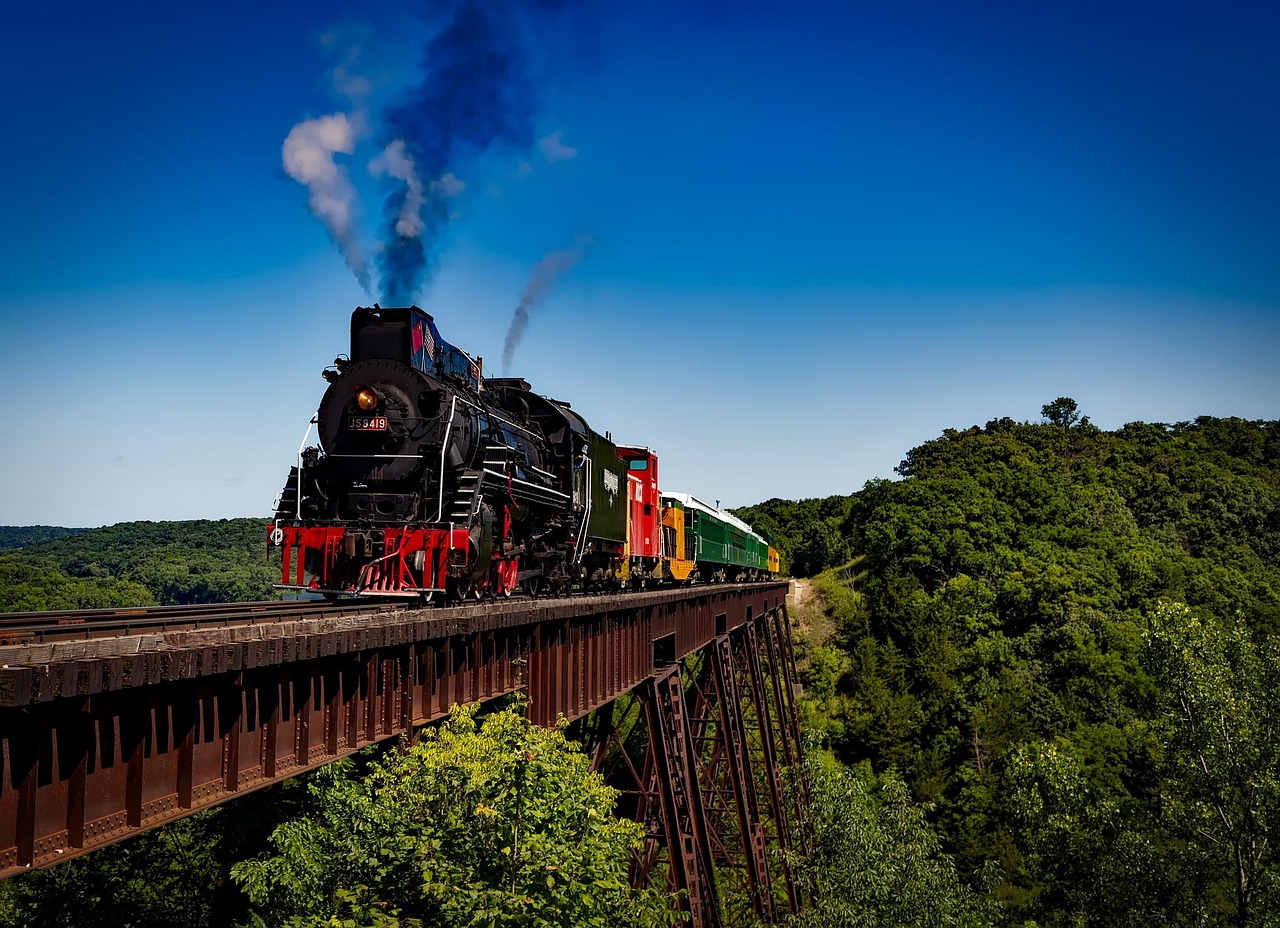
The Scenic World Discovery Pass (typically AUD $55) also grants access to the Skyway—a glass-bottomed cable car suspended 270 meters above the ravine—and the Cableway. For those who want to earn their views, the Giant Stairway offers a grueling but rewarding descent of over 900 steps from Echo Point down into the Jamison Valley, where you can then walk across the forest floor to the Scenic World base station.
The 'New Wave' Gastronomy & Artisanal Stays
The days of the Blue Mountains being a culinary desert are officially over. The post-pandemic era saw a surge of Sydney chefs migrating to the cooler mountain air, bringing with them a focus on terroir and sustainability.
Tempus Katoomba is the standard-bearer for this movement. Housed in a beautifully restored heritage building, the menu celebrates the region's recovery, featuring local truffles and seasonal produce that feels deeply connected to the land. Similarly, in Blackheath, This Little Piggy Deli has become a cult favorite for European-inspired sandwiches and artisanal cheeses, perfect for packing a high-end picnic for the trails.
The lodging scene has also evolved. Kyah Modernist Lodge in Blackheath has successfully transformed a 1970s-style motel into a chic, Palm Springs-inspired retreat that feels both nostalgic and cutting-edge. It represents a shift away from the traditional, "doily-and-lace" B&Bs toward a more modern, design-forward mountain experience.

For those looking for a true "basecamp" experience, I recommend splitting your time between Katoomba (for the convenience) and Leura (for the boutique shopping and garden-village atmosphere).
Wilderness & Wellness: Beyond the Tourist Path
If the viewpoints are the "greatest hits," then the revamped trail network is the "deep cuts" that true explorers live for. The standout for 2026 is the Grand Cliff Top Walk, a 19km multi-day journey that connects Wentworth Falls to Katoomba. This trail allows you to retrace the footsteps of Charles Darwin, who visited in 1836, but with the benefit of modern boardwalks and eco-sensitive infrastructure.
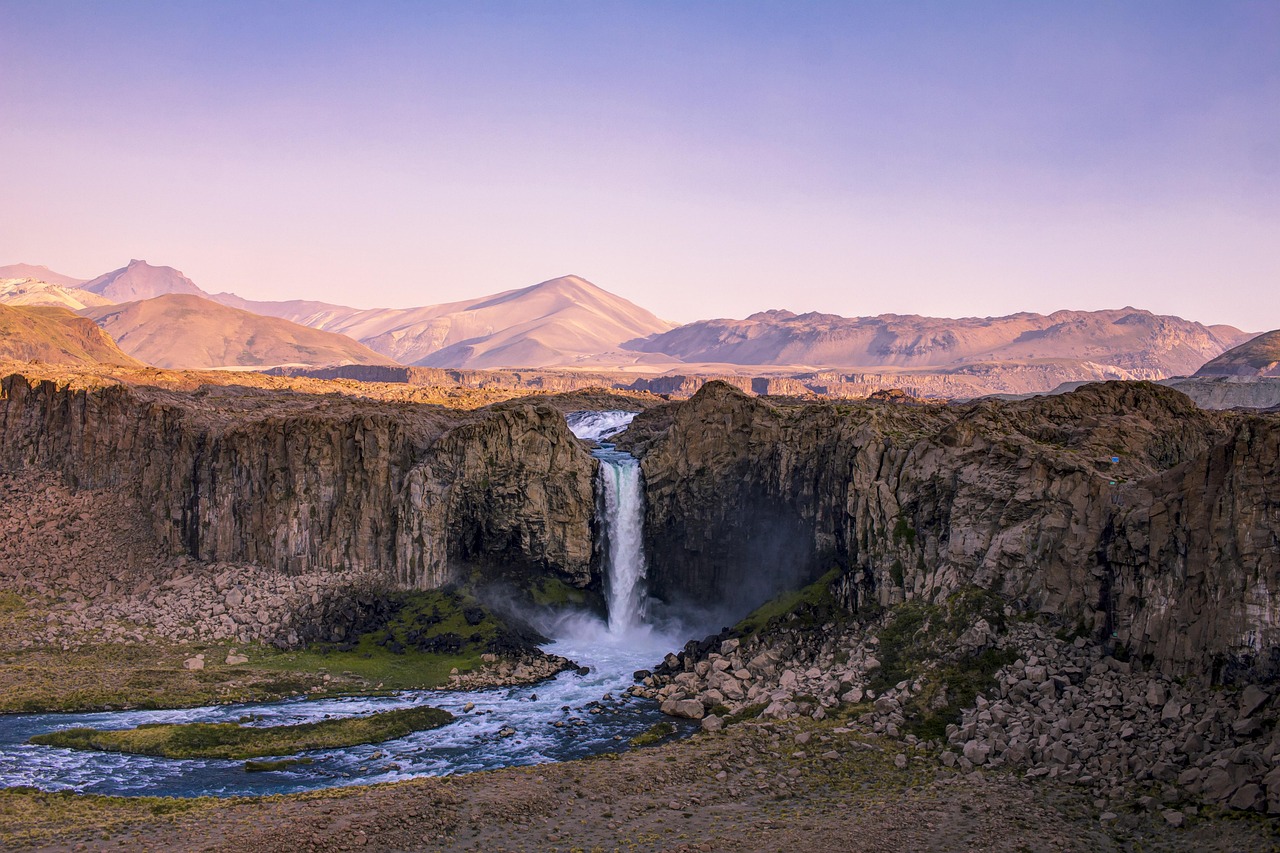
Wentworth Falls itself remains one of the most breathtaking sights in Australia. After heavy rain, the multi-tier cascades roar with a power that can be felt in your chest. The 'Valley of the Waters' track offers a series of smaller, more intimate falls that feel like a secret garden hidden within the sandstone walls.
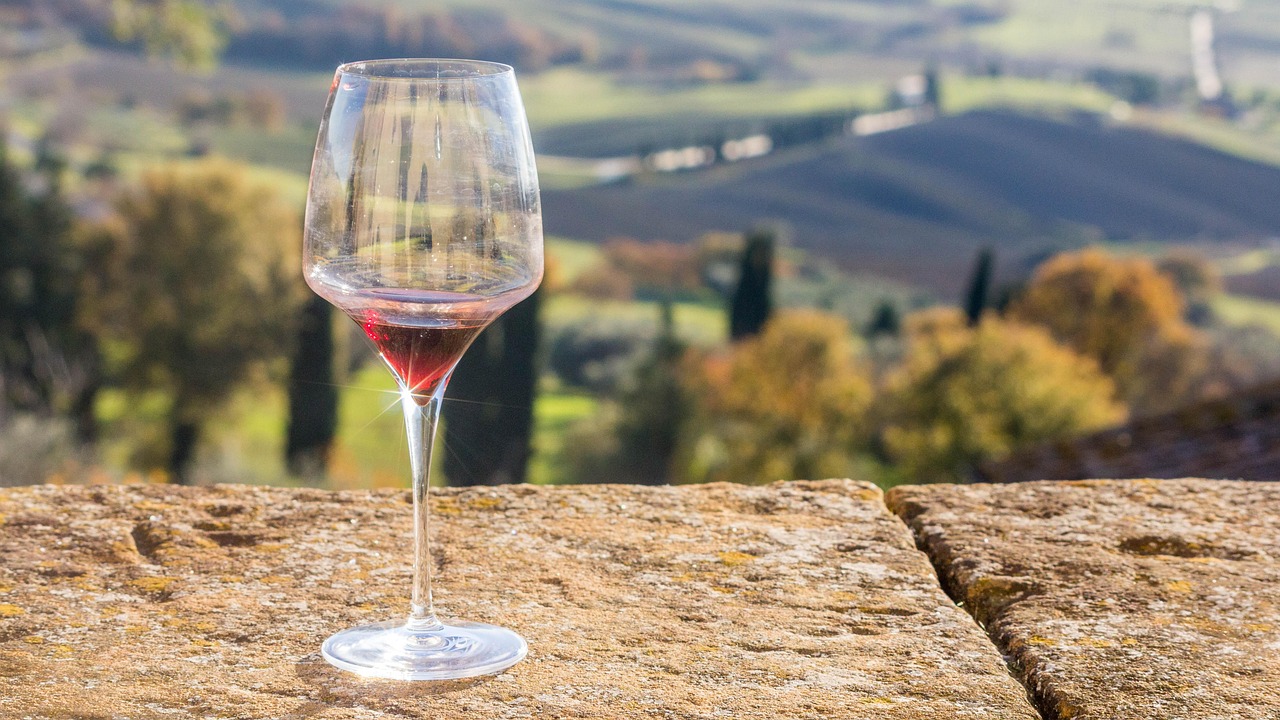
For a different kind of immersion, the Megalong Valley has finally seen its vineyards return to full production. After years of flood-impacted harvests, the 2026 vintages of Shiraz and Rosé are being hailed by critics as some of the most resilient and complex in the state. Visiting a cellar door here, surrounded by soaring cliffs and grazing kangaroos, is the ultimate way to decompress after a day of hiking.
Finally, don't miss the chance for Stargazing at the Phoenix. Thanks to its 1,000m elevation and dark-sky reserves, the Blue Mountains offer some of the clearest views of the Milky Way in the Southern Hemisphere. Cultural astronomy sessions with experts like Dimitri Douchin provide a fascinating blend of astrophysics and First Nations star-lore.
Budgeting & Survival Tips
Planning a trip to a high-altitude wilderness requires more than just a map. The temperature in the mountains can be 5–10°C (10–15°F) cooler than in Sydney, and the weather changes with startling speed.
2026 Price Comparison Table
| Category | Transport | Attractions | Dining | Est. Total (Per Day) |
|---|---|---|---|---|
| Budget | Train (Opal Card) - $18 | Free Hikes/Viewpoints | Picnic/Supermarket - $30 | $50 - $70 |
| Mid-Range | Train + Local Bus - $30 | Scenic World Pass - $55 | Local Cafe/Pub - $45 | $130 - $140 |
| Premium | Rental Car/Private - $100 | Guided Trek/Heli-tour - $150+ | Fine Dining (Tempus) - $90 | $340+ |
Essential Packing List
- Quick-dry Layers: The 1,000m elevation means you can be sweating on the valley floor and shivering on the cliff top within the same hour.
- Sturdy Footwear: Even the "easy" trails have uneven sandstone surfaces.
- Sunscreen: The UV levels are significantly higher in the thinner mountain air.
Frequently Asked Questions (FAQ)
Is the Blue Mountains still recovering from the fires? While the ecological scars of the 2019-2020 fires are still being studied, 2026 marks a major milestone. The vegetation has largely returned, and all major tourist infrastructure has been completely rebuilt or upgraded. In many ways, the mountains are greener and more accessible now than they were before the fires.
Can I see the Three Sisters without paying an entry fee? Yes. Viewing the Three Sisters from the Echo Point lookout is completely free. You only pay if you choose to take the Scenic World rides or book a private guided tour.
When is the best time of year to visit? Autumn (March–May) is arguably the most beautiful, with clear skies and the famous "changing of the leaves" in Leura. Spring (September–November) is equally stunning for the wildflowers and flowing cascades.
Call to Action (CTA)
The Blue Mountains are no longer just a day-trip destination to be ticked off a list; they are a testament to resilience and a playground for the modern explorer. Whether you're descending the steepest railway in the world or sipping a glass of Shiraz in the Megalong Valley, the "Azure Phenomenon" is waiting for you.