Quick Facts
- The Vision: The "Singapore of Tomorrow" marks a transition from a sterile, hyper-efficient hub to a soulful metropolis defined by the 10-year Green Plan and a resurgence of heritage-focused creativity.
- The Culinary Shift: Modern dining is moving away from generic fine dining toward "storytelling" cuisine, with restaurants like Seroja and Pangium celebrating regional Malay and Peranakan roots.
- Sustainable Luxury: 2026 sees the rise of biophilic architecture, with hotels like Pan Pacific Orchard integrating solar power and zero-plastic policies without sacrificing opulence.
- Immersive Exploration: Cultural tourism is pivoting toward raw, human-centric stories, such as walking tours led by former secret society members.
- Accessibility: The completed Thomson-East Coast Line now seamlessly connects the northern reaches to the heritage-rich East Coast, making soulful exploration more affordable and efficient.
Introduction: The Metamorphosis of the Lion City
For decades, the narrative of Singapore was one of precision—a gleaming, air-conditioned miracle of efficiency. But as we step into 2026, the city is undergoing a profound metamorphosis. The "Singapore of Tomorrow" is less about the polish of steel and more about the pulse of its people. It is a city that has finally allowed its edges to soften, trading the sterile for the soulful.
Driven by the ambitious 10-year Green Plan, the skyline now breathes with vertical forests, while a new generation of Singaporeans—chefs, artists, and storytellers—are reclaiming their heritage. They are moving away from imported concepts and looking inward, finding beauty in the "kampong" (village) spirit and the complex layers of their migrant history.
What defines the 'Singapore of Tomorrow'? It is a transition from a strictly polished city to a soulful metropolis, characterized by the 10-year Green Plan, sustainable architecture, and young Singaporeans launching intimate heritage-focused dining and creative cultural experiences.
Culinary Storytelling: Redefining Destination Dining
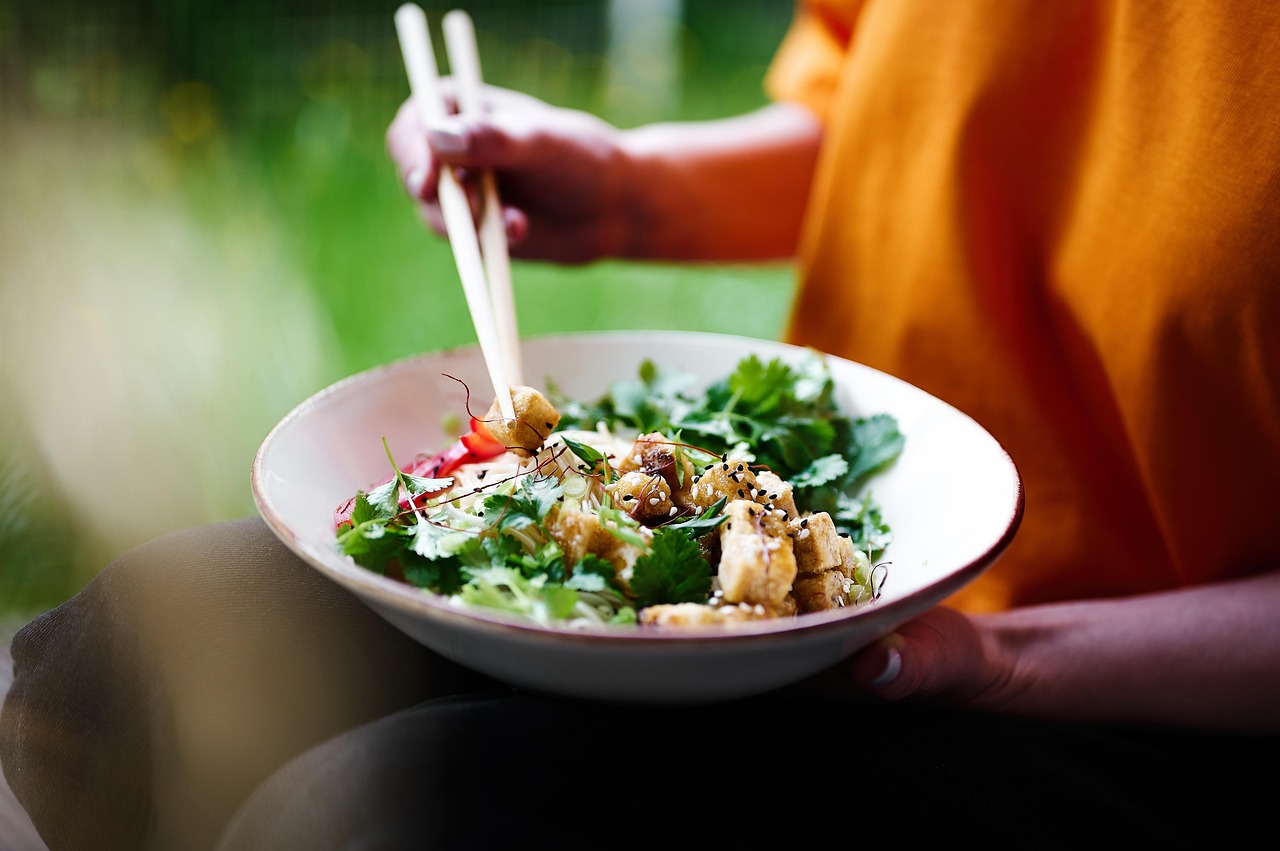
The dining scene in Singapore has transcended the era of the "celebrity chef" outpost. Today, the most coveted tables are found in spaces where the food tells a story of place and lineage. Take Born, for example. Set within the historic Jinrikisha Station—a former rickshaw depot—Chef Zor Tan weaves a tapestry of Chinese and French techniques. The interior is dominated by billowing paper sculptures by Peter Gentenaar, echoing the lightness and complexity of the menu.
Then there is Seroja, where Kevin Wong has earned his Michelin stars by paying homage to the Malay Archipelago. Here, the experience is theatrical yet intimate; you aren't just eating; you are traversing the spice routes of Southeast Asia. Not far away, in the lush embrace of the Botanic Gardens, Pangium sees Malcolm Lee (of Candlenut fame) elevating Straits Chinese heritage to new heights, focusing on the preservation of rare ingredients and labor-intensive techniques like the fermentation of buah keluak.
Which new restaurants are redefining Singapore's dining scene? Key highlights include Born for its Chinese-French fusion in a historic setting, Seroja for its authentic Malay archipelago flavors, and Pangium for elevated Straits Chinese heritage dishes that focus on regional ingredients and theatrical storytelling.
Walking Through Shadows: Immersive Cultural Tours
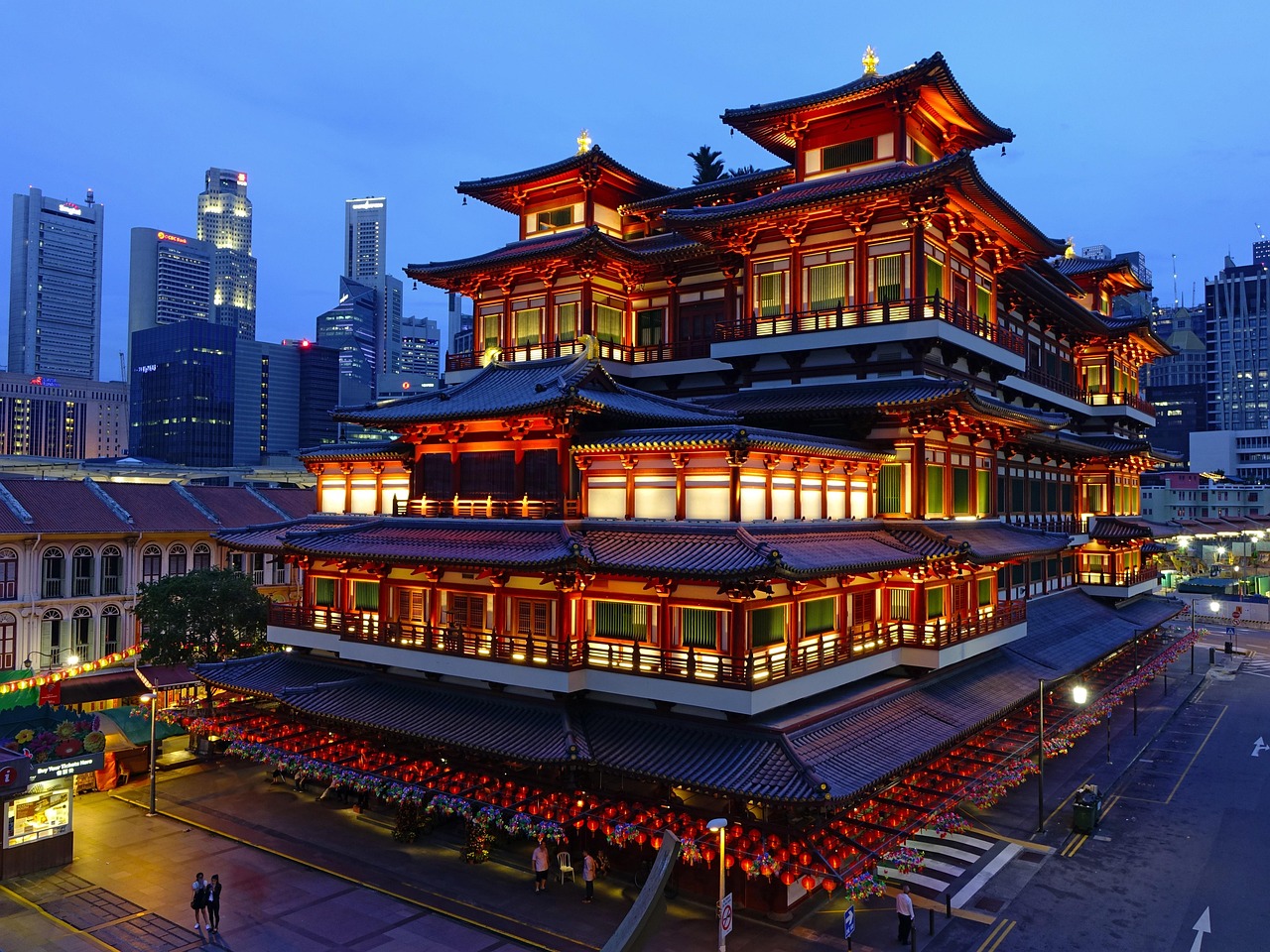
To find the soul of Singapore, one must leave the air-conditioned malls and step into the shadows of its past. The "Singapore of Tomorrow" embraces its grit. Triad Trails, a tour of Chinatown led by former gang members, offers a visceral look at the city’s underworld history—stories of opium dens and secret societies that the history books often sanitize.
For those seeking a more poetic journey, New World’s End is a site-specific audio experience that leads you through the back alleys of Jalan Besar. As you listen to a fictionalized 1980s romance through headphones, the physical streets around you become a stage, blending past and present into a singular, haunting narrative.
| Experience | Focus | Soul Factor |
|---|---|---|
| Traditional Sightseeing | Landmarks & Photo Ops | High efficiency, low intimacy |
| Triad Trails | Social History & Redemption | Raw, human, and transformative |
| New World's End | Immersive Audio Narrative | Nostalgic, sensory, and cinematic |
| Heritage Walking Tours | Architecture & Oral History | Deeply contextual and grounded |
Sustainable Sanctuaries: Luxury with a Conscience
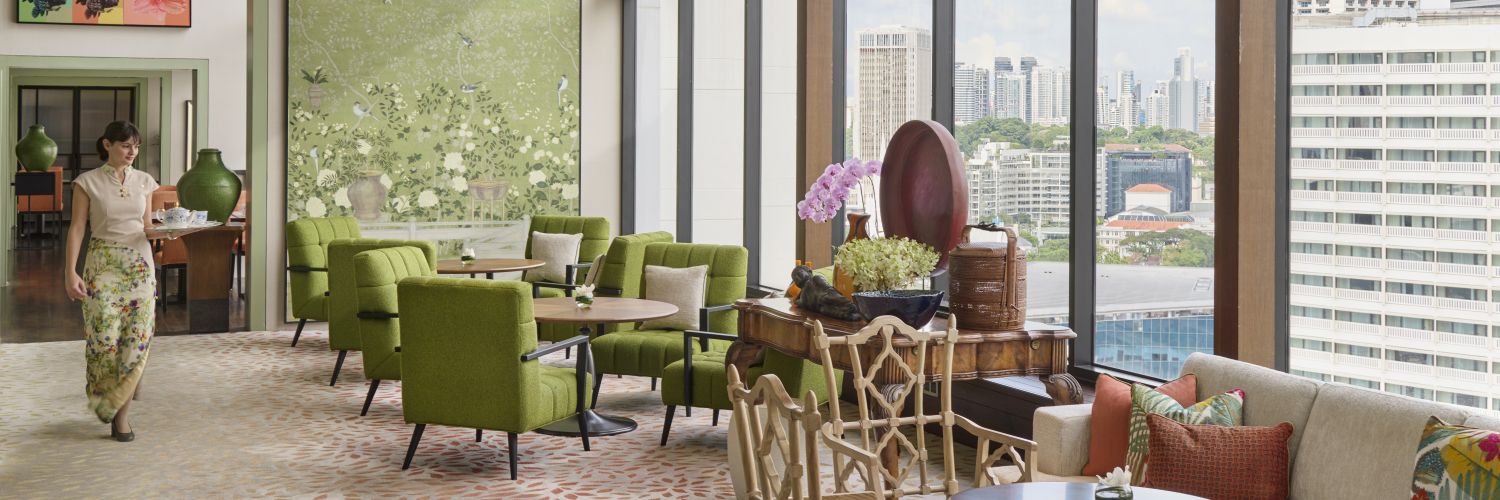
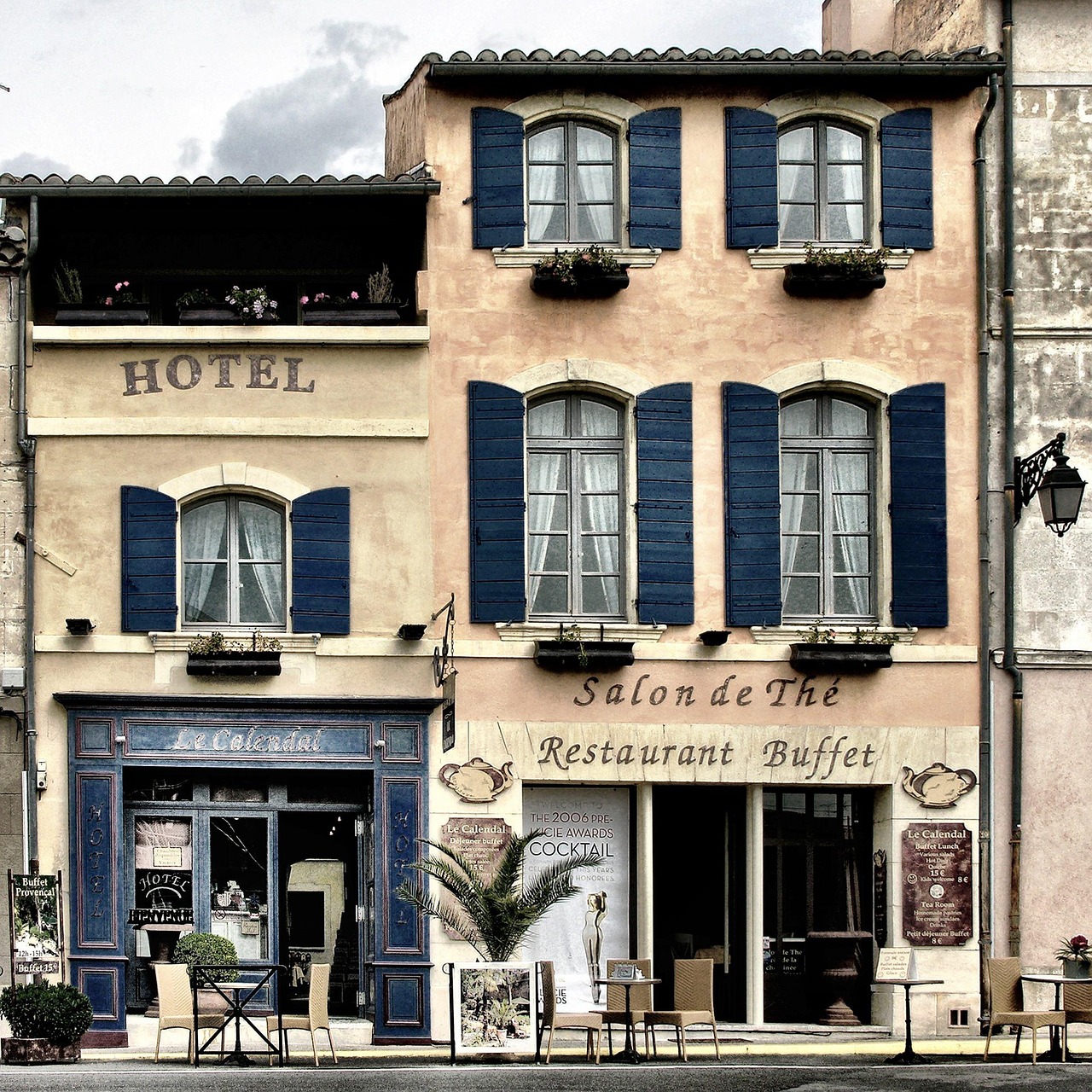
The luxury landscape has shifted from excess to intentionality. The Pan Pacific Orchard stands as a beacon of this new era. Designed by WOHA, the hotel is a "living lung," featuring four massive, themed terraces—Forest, Beach, Garden, and Cloud—that snake through the structure. It utilizes solar energy and in-room filtered water dispensers to eliminate plastic waste, proving that high-end hospitality can coexist with the ecosystem.
Meanwhile, COMO Metropolitan Singapore offers an urban sanctuary where wellness is woven into the architecture, and Mondrian Singapore Duxton uses augmented reality art and secret cocktail tunnels to connect guests with the vibrant, creative pulse of the Duxton Hill neighborhood.
What are the top sustainable hotel options in Singapore? The Pan Pacific Orchard leads as a top eco-friendly choice, featuring solar energy, vast tropical greenery, and in-room filtered water dispensers. Other notable mentions include the wellness-centric COMO Metropolitan and the art-integrated Mondrian Singapore Duxton.
Mixology Dominance: The Golden Age of Singapore Bars
Singapore’s global mixology dominance is no accident; it is a reflection of a culture that values craft. With 19 of its bars securing spots on the Asia’s 50 Best Bars extended list in a single year, the city has become the undisputed cocktail capital of the region.
The trend for 2026 is "Hyper-Localism." At Fura, the menu focuses on "future food"—ingredients that are sustainable and even invasive—while Cat Bite Club explores the shared lineage of agave and rice spirits. Expect to sip on cocktails infused with:
- Pandan: The "vanilla of the East," providing a creamy, grassy aroma.
- Curry Leaf: Toasted and infused into gin for a savory, aromatic kick.
- Ruby Black Tea: Sourced from regional highlands for a mellow, tannic base.
- Lacto-fermented Fruits: Adding a complex, funky acidity to classic builds.

The Great Escape: 2026’s Secret Offshore Islands
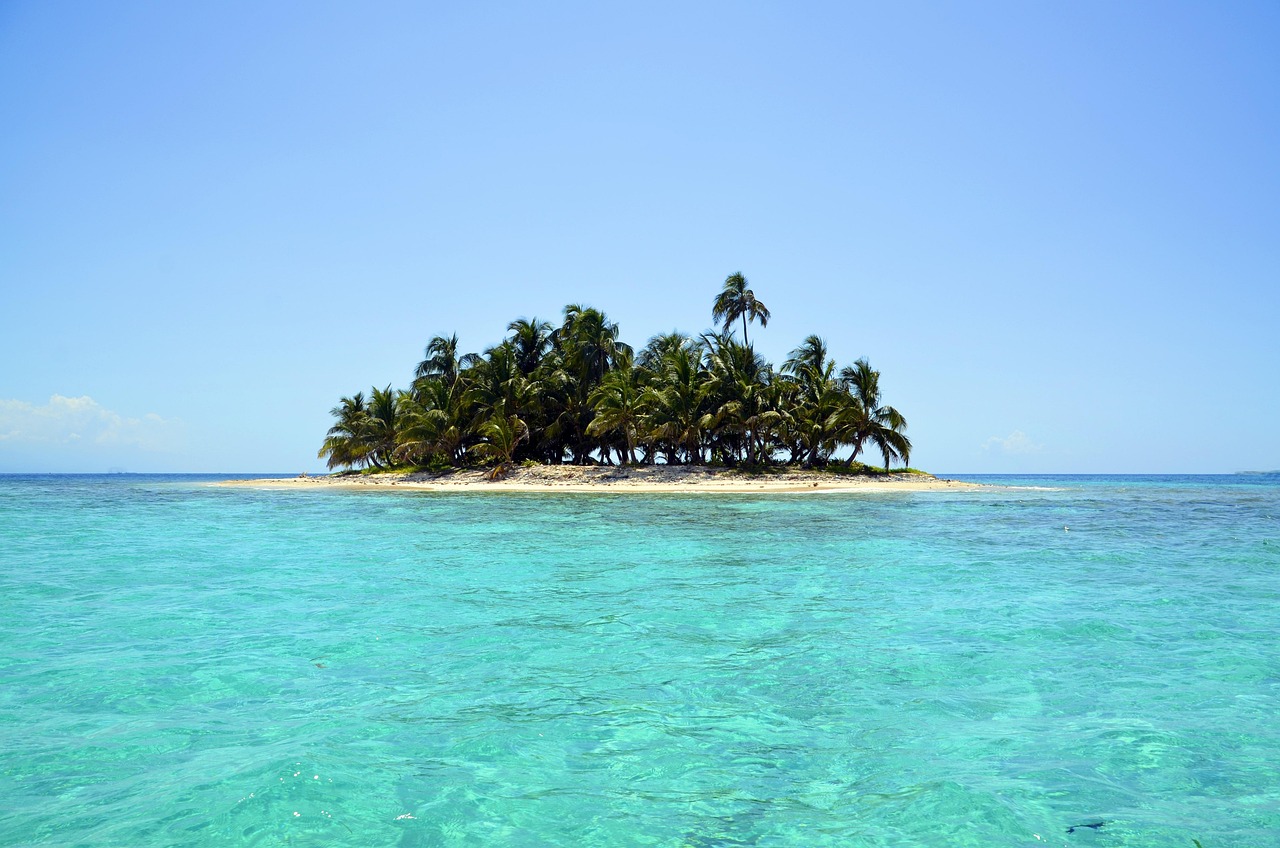
While the mainland thrives, Singapore’s offshore islands offer a glimpse into a wilder, untamed past. Pulau Ubin remains a kampong-style time capsule, where the Chek Jawa Wetlands reveal an incredible diversity of marine life during low tide.
Further south, Lazarus and St. John’s Islands are now connected by a seamless 2.8km trail, perfect for those seeking quietude. In 2026, Big Sister’s Island has reopened with floating boardwalks and intertidal pools, allowing visitors to see the coral reefs and sea anemones that thrive just offshore from the world’s busiest port.
Insider Island Tips:
- Pack light and bring a reusable water bottle; most islands have limited amenities.
- Rent a bicycle on Pulau Ubin to reach the granite quarries.
- Visit Big Sister's Island during the "intertidal window" for the best marine sightings.
Navigating 2026: Practical Tips and Cost Savings
Getting around the "City of Soul" has never been easier. The Thomson-East Coast (TEL) MRT line is now fully operational, connecting the luxury shopping of Orchard Road to the coastal charm of Katong and the lushness of Gardens by the Bay in minutes. This infrastructure makes the city more walkable and accessible than ever before.
For the savvy traveler, 2026 brings significant value. Curated 7-day cultural tour packages—which bundle heritage walks, museum entries, and curated dining experiences—show a 35% price reduction compared to booking these elements individually. These premium itineraries average approximately $156 per person per day, offering a high-end experience that remains grounded in local value.
- Best Time to Visit: February to April (the dry season) provides the best weather for walking tours.
- Digital Connectivity: Use the SimplyGo app for all transit; no need for a physical card.
- Booking Tip: Book heritage-focused dining at least three weeks in advance, as these intimate spots fill up quickly.

FAQ
Is Singapore still an expensive destination in 2026? While Singapore remains a premium destination, the rise of bundled cultural tours and the efficiency of the public transit system have made "soulful" luxury more accessible. You can experience world-class dining and sustainable luxury at various price points if you plan ahead.
What is the best way to experience "authentic" Singapore? Look for "Heartland" experiences. Visit hawker centers like Tiong Bahru or Old Airport Road, and participate in community-led tours like Triad Trails that provide a perspective beyond the typical tourist path.
Are the offshore islands easy to get to? Yes. Regular ferries depart from Marina South Pier (for the Southern Islands) and Changi Point Ferry Terminal (for Pulau Ubin). The rides are affordable and offer a beautiful perspective of the Singapore skyline.
Ready to discover the soul of the Lion City?
Whether you're looking for a seat at the most exclusive heritage table or a quiet walk through the mangroves, Singapore in 2026 is waiting to be explored.