Quick Facts
- Vessel Capacity: The andBeyond Galápagos Explorer hosts just 12 guests, ensuring one of the most intimate experiences in the archipelago.
- Expert Guidance: Features a 1:6 naturalist guide-to-guest ratio—the lowest in the Galápagos—offering a deeply personalized educational journey.
- Sustainability Focus: A small-ship footprint that supports local conservation, including the Galápagos Whale Shark Project and indigenous reforestation.
- Best Time to Visit: The wet season (December–May) offers warmer waters and calm seas, while the dry season (June–November) provides nutrient-rich currents ideal for marine life and birdwatching.
- Conservation Status: 97% of the Galápagos land area has been protected since 1959, making strictly regulated eco-cruises essential for preservation.
Introduction: The New Frontier of Expedition Cruising
There is a specific, profound silence that exists only in the Galápagos. It is a silence broken not by the hum of industry, but by the rhythmic "huffing" of a centenarian giant tortoise moving through the Santa Cruz highlands or the sudden splash of a blue-footed booby diving into turquoise waters. For the conscious traveler, the archipelago has always been a "living laboratory," but as we look toward 2026, the way we interact with this fragile paradise is evolving. We are moving away from the era of the mass-market "tourist" and stepping into the role of the "steward-adventurer."
The concept of a "Safari at Sea" is the centerpiece of this evolution. Traditionally, safaris were land-based pursuits of the "Big Five." In the Galápagos, this concept is turned seaward. It is a fluid, ever-changing expedition where your "lodge" moves with the currents, bringing you eye-to-beady-eye with prehistoric marine iguanas and playful sea lion pups. Leading this charge is the andBeyond Galápagos Explorer, a vessel that redefines the luxury eco-cruise for 2026. By accommodating only 12 guests and maintaining a 1:6 naturalist guide-to-guest ratio—currently the lowest in the archipelago—this yacht prioritizes intimacy and education over sheer volume. In a region where the industry standard often leans toward 100-passenger vessels, this level of exclusivity isn't just about luxury; it’s about reducing the environmental pressure on a world that has remained largely unchanged since Darwin’s time.
The andBeyond Galápagos Explorer: A Detailed Look
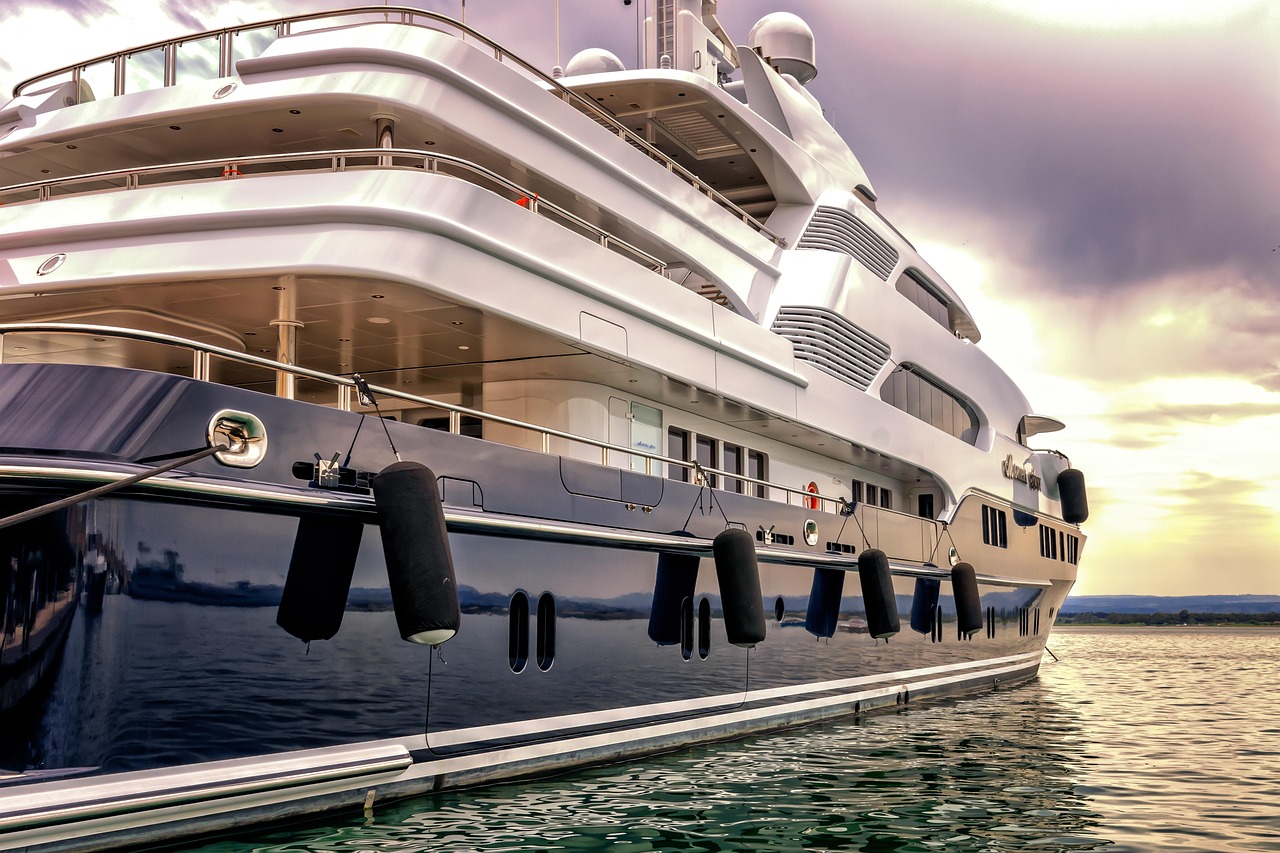
Stepping aboard the andBeyond Galápagos Explorer feels less like embarking on a cruise ship and more like entering a private, floating sanctuary. The architecture of the yacht is a masterclass in understated elegance. Rather than the clinical whites of modern "mega-yachts," the Explorer embraces a palette that mirrors the volcanic landscape. The six spacious suites are adorned with vintage map prints and scientific illustrations, a nod to the Victorian explorers who first mapped these shores, yet they are equipped with every modern comfort required for a 21st-century expedition.
The intimacy factor here cannot be overstated. In an ecosystem as sensitive as the Galápagos, the size of your vessel directly dictates the quality of your interaction with nature. When a group of 12 lands on a remote beach, the wildlife remains undisturbed. You can sit quietly on the sand and watch a mockingbird investigate your laces, or observe a hawk preening its feathers just feet away.
Service excellence on the Explorer is defined by the expertise of its staff. With a 1:6 naturalist ratio, your guide isn't just a leader; they are a mentor. Whether you are a seasoned birder looking for the elusive Mangrove Finch or a first-time snorkeler nervous about swimming with white-tip reef sharks, having a dedicated expert to guide your curiosity makes the difference between a holiday and a life-changing epiphany.
Sustainability & Conservation: Sailing with Purpose
As an editor focused on sustainable travel, I often remind readers that luxury is no longer defined by what we take from a destination, but by what we leave behind. The Galápagos Explorer embodies this shift through "Sailing with Purpose." Because 97% of the Galápagos land area is under National Park protection, every move a vessel makes is strictly regulated. Small-ship cruises like the Explorer are inherently more sustainable, producing a significantly smaller carbon footprint and generating less noise pollution, which is vital for the communication and breeding cycles of marine mammals.
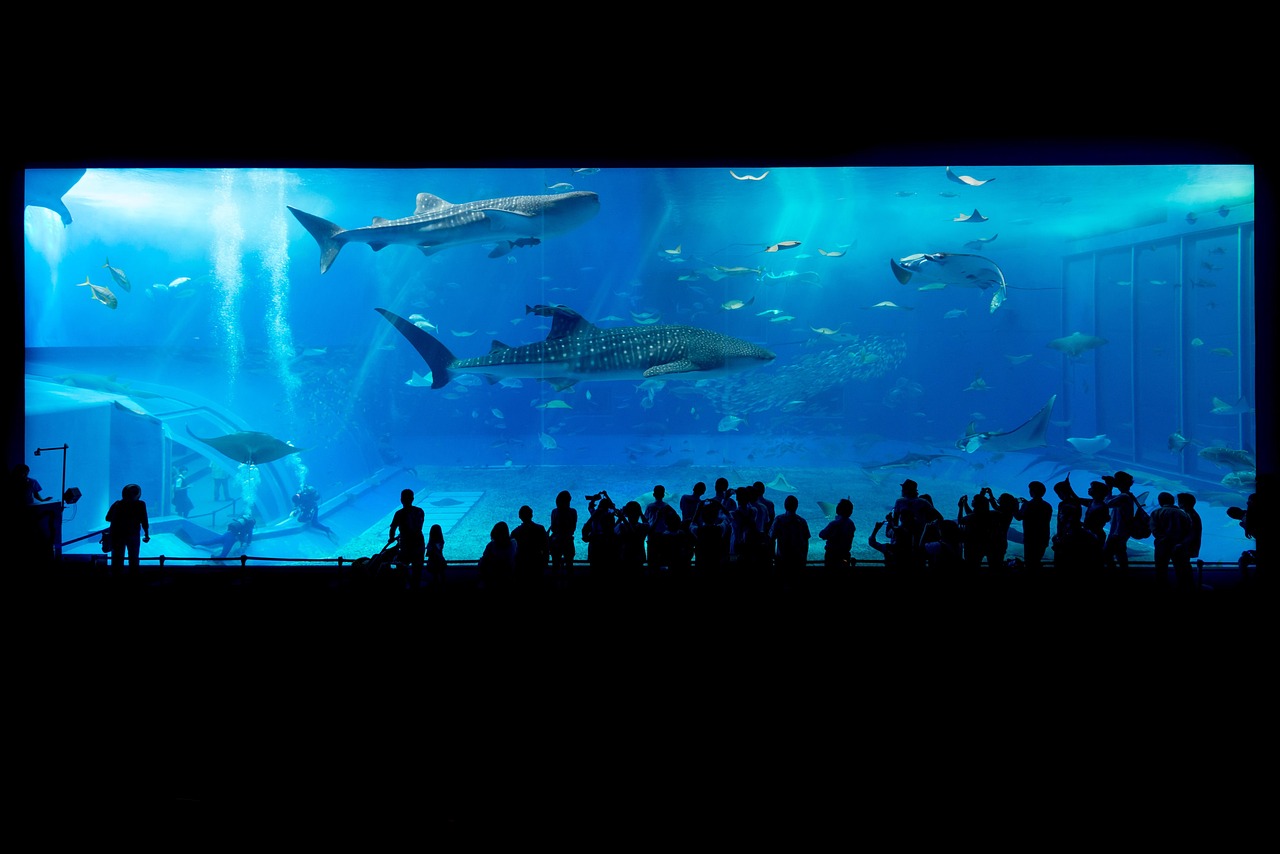
Beyond the ship’s operations, the brand’s commitment to local impact is tangible. Guests have the opportunity to learn about and support the Galápagos Whale Shark Project, which tracks these gentle giants to better understand their migration patterns through the archipelago. Furthermore, the cruise integrates local social initiatives, such as supporting the Pescado Azul Women's Association, an initiative that empowers local women through sustainable fishing practices and artisanal crafts.
In the Santa Cruz highlands, the yacht’s conservation efforts extend to the land. Through indigenous tree planting programs, the cruise helps restore the Scalesia forests, which are essential habitats for Darwin's finches. When you travel on a vessel that is so deeply integrated into the local conservation fabric, your presence becomes a part of the solution rather than a burden on the ecosystem.
When to Go: Planning Your 2026 Voyage
Timing your Galápagos eco-cruise in 2026 depends entirely on your personal wildlife priorities. The archipelago does not have "bad" seasons, only "different" ones, each dictated by the interplay of the Humboldt and Panama currents.
| Feature | Wet Season (December – May) | Dry Season (June – November) |
|---|---|---|
| Climate | Warm, sunny, with occasional tropical rain | Cooler, misty (Garúa), and overcast |
| Water Temperature | 24°C – 28°C (75°F – 82°F) | 18°C – 23°C (64°F – 73°F) |
| Sea Conditions | Calm and mirror-like | Choppier with stronger currents |
| Marine Activity | Ideal for swimming; manta rays are common | Nutrient-rich; peak for whales and dolphins |
| Land Wildlife | Tortoise hatching; iguanas nesting | Sea lion pupping; Blue-footed booby mating |
The Wet Season (December–May) is for the sun-seekers. This is when the islands turn a vibrant, emerald green. The water is at its warmest and clearest, making it the perfect time for those who want to spend hours snorkeling without a wetsuit. You’ll witness the massive Galápagos giant tortoises descending from the highlands to the lowlands to nest.
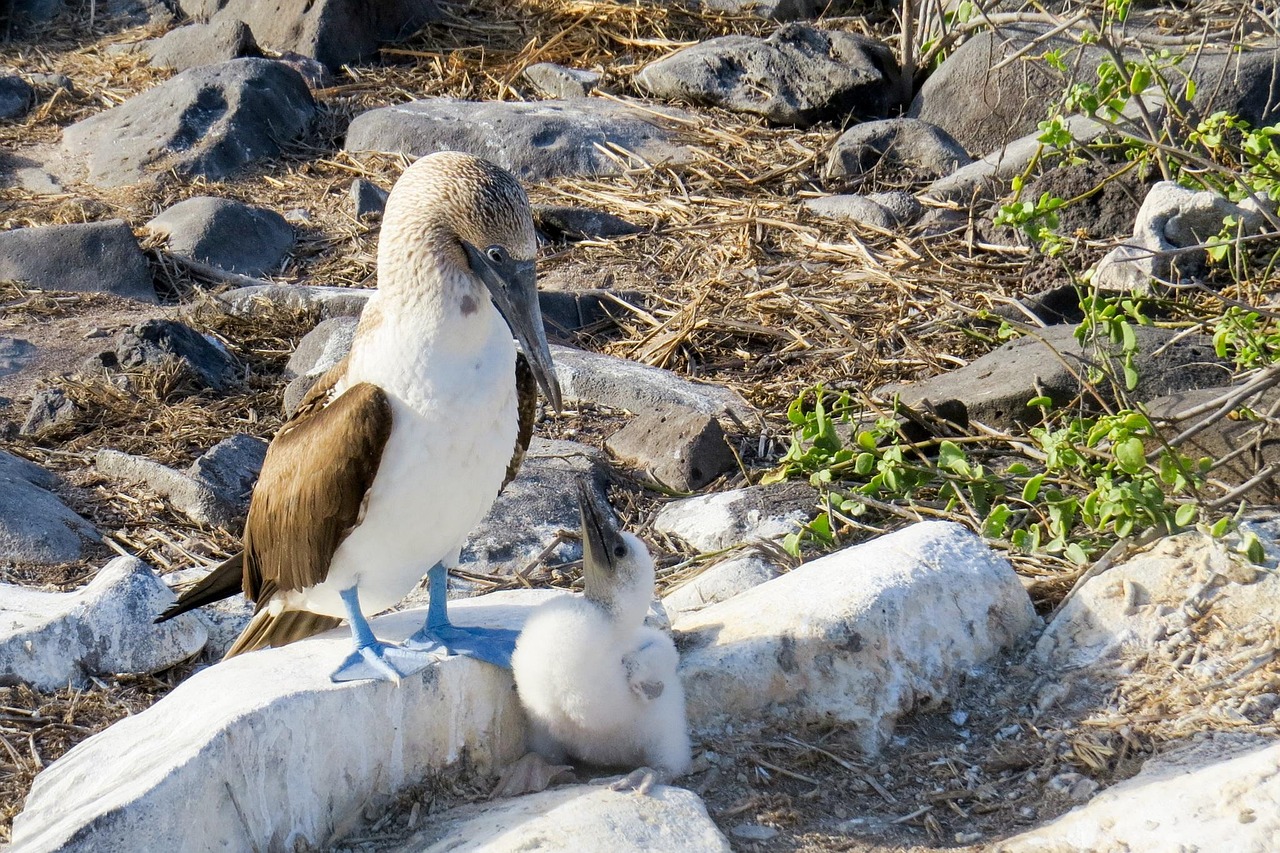
The Dry Season (June–November), often called the "Garúa" season, is characterized by a cool mist. While the water is nippier (a wetsuit is a must), this is when the ocean is most alive. The cold Humboldt Current brings a surge of nutrients, attracting vast schools of fish, hammerhead sharks, and the majestic whale sharks. For birders, this is the prime time to witness the elaborate "sky-pointing" mating rituals of the Blue-footed boobies.
The Itinerary: A Journey Through Darwin's Living Laboratory
The andBeyond Galápagos Explorer typically offers two distinct 7-night routes (East and West), each designed to showcase the staggering biodiversity of the islands.
North Seymour & San Cristóbal
Your journey might begin at North Seymour, an island that feels like a prehistoric stage. Here, the Palo Santo trees stand like silver ghosts against the red soil. You’ll walk past Great Frigatebirds inflating their scarlet throat pouches to the size of a balloon. On San Cristóbal, the tuff walls and white sand beaches are the domain of the sea lion. The local colonies are famously gregarious; don't be surprised if a pup decides to nap on your shadow while you photograph the coastline.
Española: The Island of Color
Española is perhaps the most spectacular island for wildlife enthusiasts. It is home to the "Christmas" marine iguanas, which turn vivid shades of red and green during the breeding season. From April to December, the island also hosts the entire world population of Waved Albatrosses. Watching these massive birds attempt to take off from the cliffs—a clumsy run followed by a majestic soar—is a sight that stays with you forever.
Bartolomé & The Highlands of Santa Cruz
No Galápagos voyage is complete without a visit to Bartolomé. A steep climb up a wooden boardwalk rewards you with the most iconic view in the archipelago: Pinnacle Rock. This jagged spear of volcanic rock rises from the bay, surrounded by golden beaches and the shimmering Pacific.
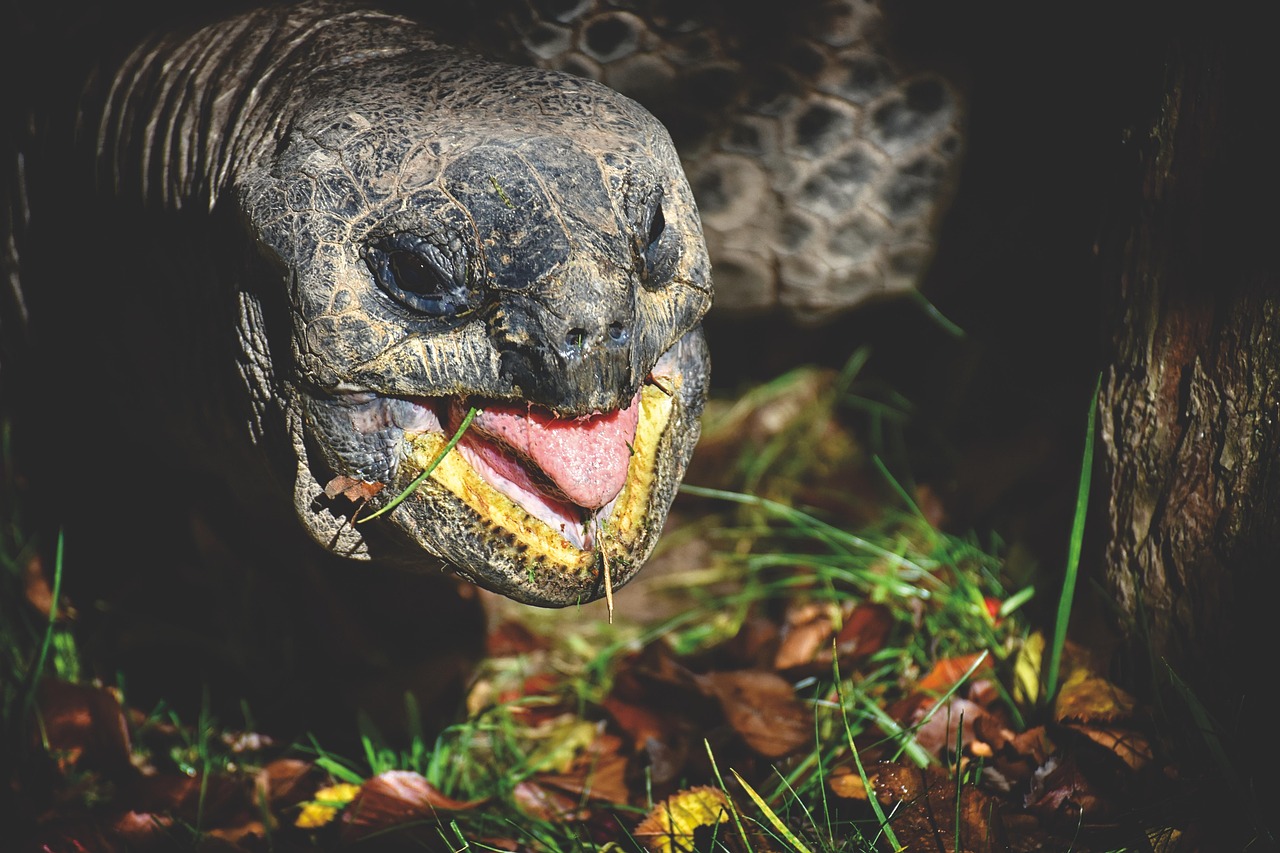
In contrast to the stark volcanic beauty of the coast, the highlands of Santa Cruz offer a lush, primeval forest. Walking through these mists, you’ll encounter the ancient giants of the islands. Seeing a Galápagos giant tortoise in the wild, some weighing over 500 pounds and having lived for over a century, provides a profound sense of perspective on our own fleeting time on Earth.
Essential Logistics for 2026 Travelers
Planning an expedition to a protected UNESCO World Heritage site requires more than just booking a flight. Here is what you need to know for your 2026 voyage:
- Flying In: All international travelers must fly into mainland Ecuador—either Quito (UIO) or Guayaquil (GYE). From there, you will take a domestic flight to Seymour Airport (GPS) on Baltra Island or San Cristóbal Airport (SCY). It is highly recommended to arrive in the mainland 1-2 days early to avoid delays and explore the historic charm of Quito.
- Entry Requirements: Before checking in for your flight to the islands, you must obtain a Transit Control Card (TCT) for $20. Upon arrival in the Galápagos, there is a National Park entry fee (expected to be $200 for adults in 2026), which must be paid in cash (USD). These fees directly fund the conservation and patrol of the islands.
- The Packing List:
- Reef-Safe Sunscreen: Standard sunscreens contain chemicals that bleach coral reefs.
- Sturdy Footwear: You’ll be walking on sharp, uneven volcanic rock. Professional hiking sandals or light trail runners are essential.
- Waterproof Layers: Even in the wet season, a light windbreaker or "dry bag" for your camera gear is necessary for Zodiac transfers.
- Underwater Camera: To capture the sea lions, penguins, and turtles that will inevitably join you for a swim.
Comparing Luxury Tiers: Small Yacht vs. Expedition Ship
Choosing between a boutique yacht and a larger expedition ship is the most important decision you will make. While larger ships (50-100 passengers) offer more stability and amenities like gyms or multiple restaurants, the experience is inherently more "choreographed."
| Feature | andBeyond Galápagos Explorer (Small Yacht) | Large Expedition Ships (e.g., Silversea/Celebrity) |
|---|---|---|
| Guest Count | 12 | 50 – 100 |
| Landing Times | Fast and flexible; no waiting for Zodiacs | Requires "waves" of departures; can be slow |
| Wildlife Impact | Minimal; small groups don't scare animals | High; large groups can cause wildlife to retreat |
| Social Atmosphere | Like a private house party with like-minded explorers | Traditional cruise atmosphere with multiple groups |
| Personalization | Itineraries can be slightly tweaked for guest interests | Strictly fixed schedules and large group lectures |
For those who prioritize the "Safari at Sea" experience, the andBeyond Galápagos Explorer is the clear winner. The ability to pivot the day's schedule because a pod of Orcas was spotted nearby, or to spend an extra hour watching a tortoise hatchling, is a luxury that no 100-passenger ship can offer.
FAQ
Q: Is the Galápagos suitable for children? A: Absolutely, but it is best for children aged 8 and up. The "Safari at Sea" is highly educational and requires a certain level of physical stamina for the daily hikes and snorkeling sessions.
Q: How do small ships handle the seas? A: Smaller yachts can feel the movement of the ocean more than large ships. If you are prone to seasickness, I recommend traveling during the Wet Season (Dec–May) when the seas are calmest, and choosing a suite on the lower deck where movement is minimized.
Q: Do I need to be a strong swimmer to enjoy the cruise? A: While being comfortable in the water is a plus, the Galápagos Explorer provides life vests and "shorty" wetsuits that provide buoyancy. Naturalist guides are always in the water to assist beginners.
The Galápagos is not just a destination; it is a reminder of what the world looks like when we give nature the space to thrive. Choosing a cruise that respects this balance—one that limits its footprint while maximizing its educational impact—is the greatest gift you can give yourself and the archipelago.