Quick Facts
- Optimal Duration: 10 Days (3 days Zanzibar, 1 day Tarangire, 1 day Ngorongoro, 4 days Serengeti, 1 day Departure).
- Transportation: Arrival via Abeid Amani Karume International (ZNZ); Transfer to mainland via 3-hour charter flights; 4x4 Land Cruiser for safari.
- Best Time to Visit: June to October (Dry season/River crossings) or January to February (Calving season).
- Approximate Cost: Mid-range experiences start at $3,200 per person; luxury eco-lodge circuits range from $8,900 upwards.
Introduction: The Case for the 'Reverse' Tanzania Trip
In the world of East African travel, a standard itinerary usually follows a predictable rhythm: the grueling, dusty intensity of the mainland safari followed by a few days of "flop and drop" on the beaches of Zanzibar. It sounds logical on paper—rest after the exertion. However, after years of exploring these latitudes, I’ve found that the seasoned traveler does the exact opposite.
Starting your 10-day Tanzania journey in Zanzibar is the smarter, more psychologically rewarding choice. Why? Because the modern international traveler arrives in Africa carrying the frantic energy of the city and the physiological burden of a 15-hour flight. Plunging immediately into a 5:00 AM safari wake-up call is a recipe for burnout. By beginning in Zanzibar, you allow the "Swahili Time" to reset your internal clock. You decompress in a hammock, acclimate to the tropical humidity, and absorb the cultural context of the coast before heading into the wild. It transforms the safari from a frantic checklist into a soulful observation.
Why Start in Zanzibar? (The Smarter Traveler's Logic)
The primary benefit is rhythm. A safari is high-octane; it requires patience, sharp eyes, and early starts. If you are battling jet lag while bouncing in a Land Cruiser, you miss the subtleties—the flick of a leopard's tail in a sausage tree or the distant rumble of an approaching storm. Starting in Zanzibar allows you to beat jet lag in a state of repose.
Furthermore, the historical context of Stone Town provides a foundational understanding of Tanzania. The mainland's history is inextricably linked to the spice trade and the cultural melting pot of the coast. To see the Serengeti without understanding the Swahili coast is like reading the final chapter of a book without the introduction.
| Feature | Starting in Zanzibar | Ending in Zanzibar |
|---|---|---|
| Jet Lag Recovery | Handled in a luxury resort or pool-side. | Handled in a bumpy 4x4 (Not ideal). |
| Energy Levels | High for the "Main Event" (Serengeti). | Declining by the time you hit the parks. |
| Cultural Context | Sets the stage with Swahili history. | Feels like an unrelated "add-on" at the end. |
| Photography | Time to clean lenses and prep gear. | Gear is already dusty from the safari. |
Days 1-3: Zanzibar – Spices, Stone Town, and Sun
Day 1: Arrival in Stone Town
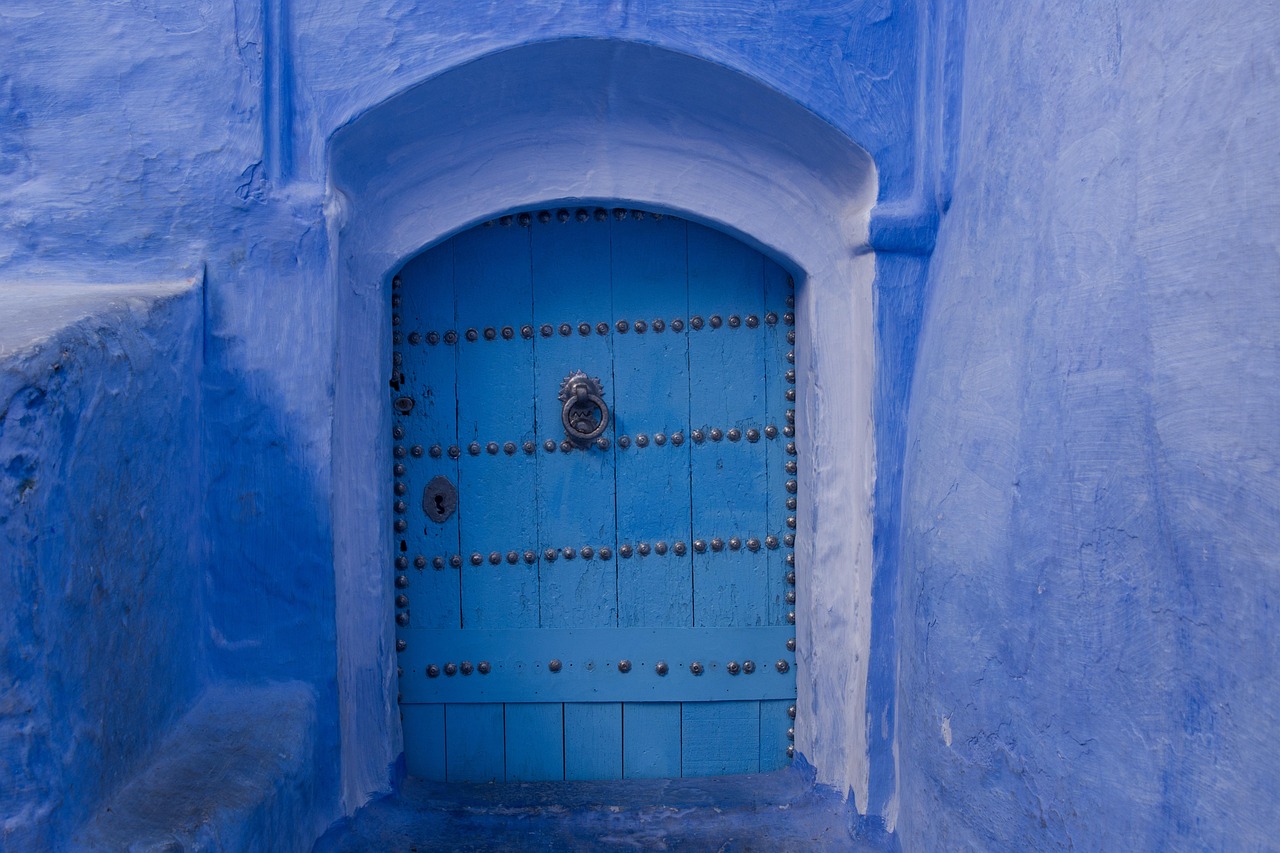
Your journey begins in the labyrinthine alleys of Stone Town, a UNESCO World Heritage site that feels like a living museum. The air here is heavy with the scent of cloves and saltwater. I recommend spending your first afternoon wandering the narrow streets, observing the famous carved teak doors—each a silent storyteller of the owner's status and heritage. As evening falls, head to the Forodhani Gardens. It’s a sensory overload of street food, where the "Zanzibar Pizza" and fresh sugarcane juice provide your first authentic taste of the archipelago.
Day 2: The Spice & Culture Immersion
Zanzibar wasn't called the "Spice Island" by accident. A morning tour of a local shamba (farm) is essential. You’ll see vanilla vines climbing trees and taste cinnamon bark straight from the branch. In the afternoon, head to the Jozani Chwaka Bay National Park. It’s the last sanctuary for the endemic Red Colobus monkey. Watching these soulful-eyed primates leap through the mahogany trees is a perfect "soft entry" into Tanzania’s wildlife.
Day 3: Coastal Relaxation
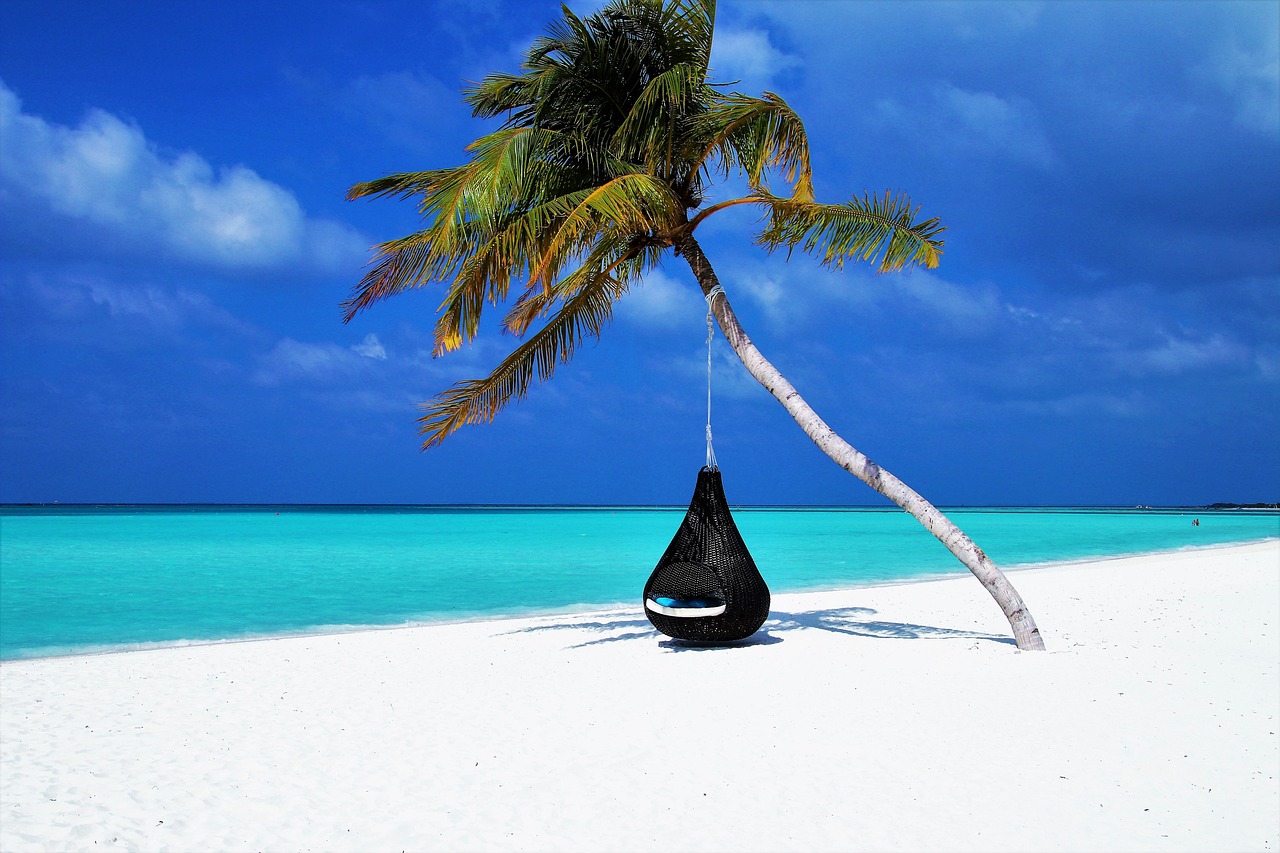
Transition to the northern or eastern beaches—Nungwi or Matemwe. This day is about the ocean. The coral lagoons here are a brilliant turquoise, contrasting sharply with the white dhow sails on the horizon. I suggest a sunset sail on a traditional wooden dhow. There is no better way to conclude the "relaxation phase" of your trip than with a Swahili seafood dinner served under a canopy of stars, with the Indian Ocean lapping at your feet.
The Seamless Transition: Zanzibar to the Mainland
Moving from the island to the bush used to be a logistical nightmare involving ferries and long bus rides. Today, it is a masterclass in efficiency. The smartest route is a 3-hour journey consisting of two connecting charter flights. You fly from Zanzibar to Arusha, and then directly into the heart of the bush.
This isn't just a transfer; it's a scenic flight. On a clear day, you’ll see the snow-capped peak of Mount Kilimanjaro piercing the clouds to your right, while the jagged escarpments of the Great Rift Valley unfold below. It provides a geographic perspective that ground travel simply cannot match.

Days 4-5: Tarangire & Ngorongoro Crater – The Wildlife Build-up
Day 4: Tarangire National Park
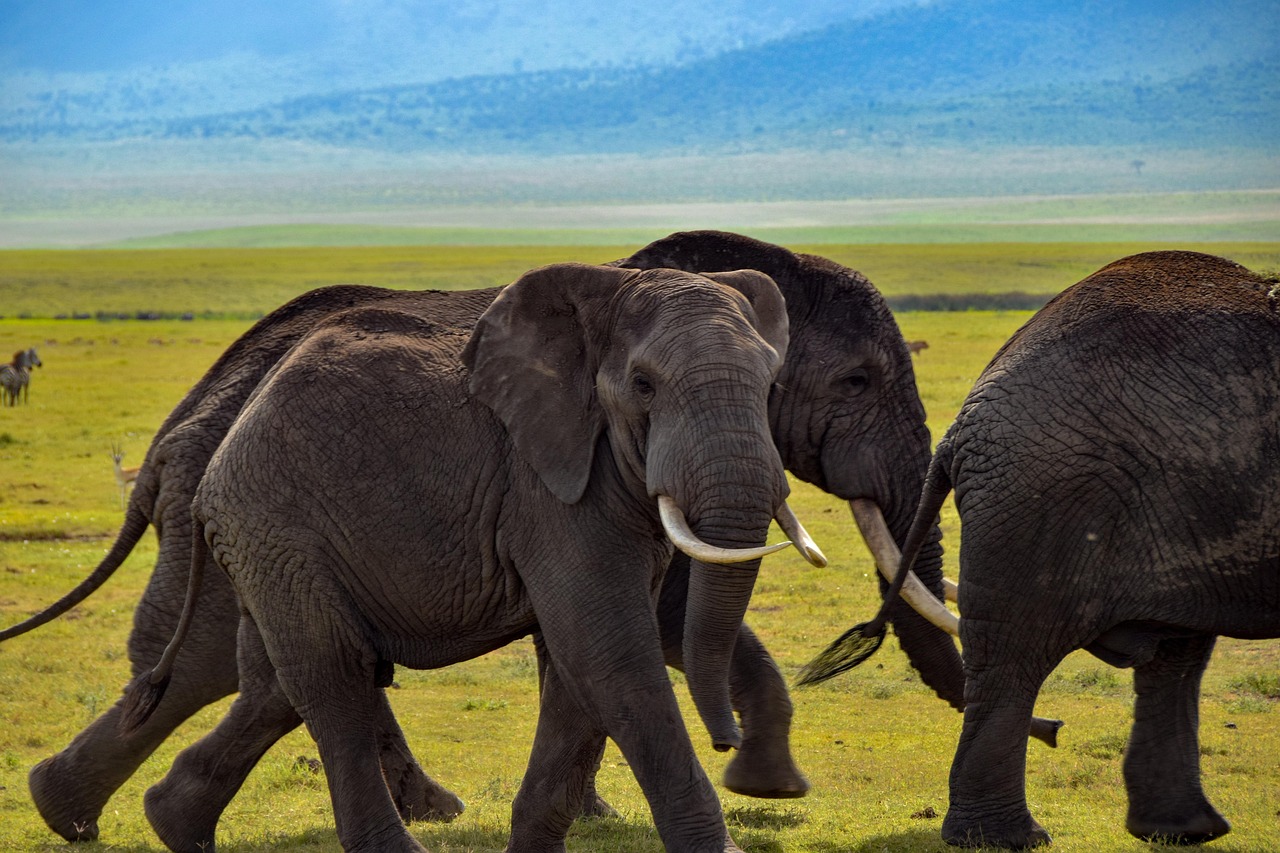
After landing in Arusha or the Kuro airstrip, you enter Tarangire, often called the "Land of Giants." While the Serengeti gets the fame, Tarangire offers a rugged, prehistoric beauty dominated by ancient, gnarled baobab trees that look as though they were planted upside down. This park is famous for its massive elephant herds—sometimes 300-strong—migrating toward the Tarangire River. It’s an intimate, elephant-heavy introduction to the mainland.
Pro Tip: Visit Tarangire during the dry season (July–October) when wildlife concentrates around the river, offering some of the best elephant viewing in Africa.
Day 5: Ngorongoro Crater
From Tarangire, you head to the Ngorongoro Conservation Area. The Ngorongoro Crater is the world's largest intact volcanic caldera and arguably Africa's most dense wildlife sanctuary. Descending 600 meters into the crater floor feels like entering a lost world—the "Garden of Eden."
The statistics are staggering: this 260-square-kilometer space supports a resident population of approximately 25,000 large mammals. It is one of the few places on Earth where you can see the "Big Five" (lion, leopard, elephant, buffalo, and the rare black rhino) in a single morning. The sheer density of predators—particularly lions and hyenas—is unparalleled.
| Park | Entry Fee (Adult) | Best Months | Highlight |
|---|---|---|---|
| Tarangire | $50 - $59 | June - Oct | Elephant herds & Baobabs |
| Ngorongoro | $70 + Crater Fee | Year-round | High predator density |
| Serengeti | $70 - $82 | Jan - Feb / June - Oct | The Great Migration |
Days 6-9: Serengeti National Park – The Grand Finale
Day 6-7: Central Serengeti (Seronera)
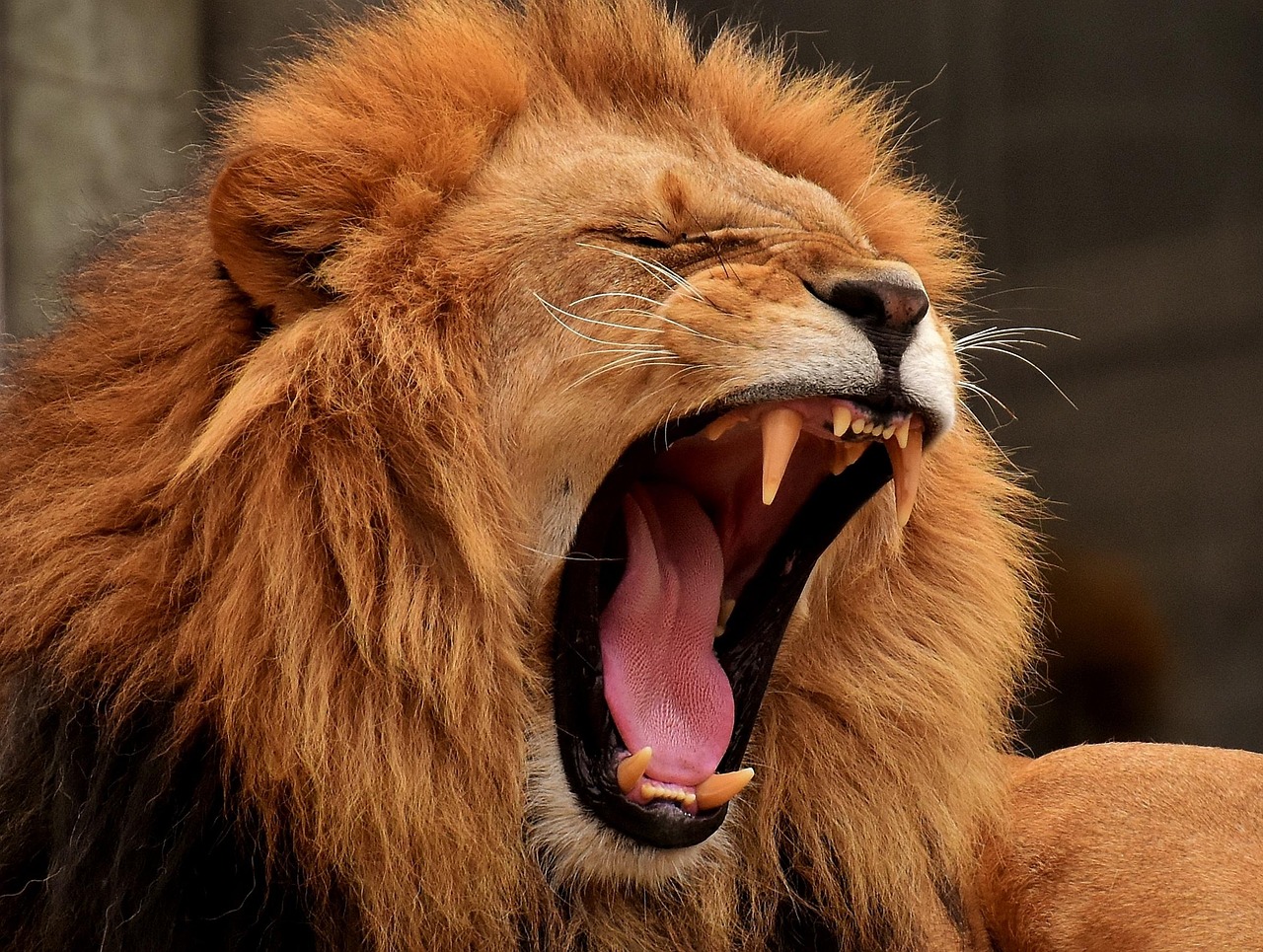
Now, you reach the climax. The Serengeti (derived from the Maasai word Siringet, meaning "endless plains") is the quintessential African savanna. We start in the Seronera Valley, the heart of the park. Because of the permanent water sources here, the resident wildlife is spectacular year-round. This is cat country. It is not uncommon to see a leopard draped over a branch of an acacia tree or a pride of lions surveying the plains from a granite kopje.
Day 8-9: Tracking the Great Migration
Depending on the time of year, your guide will move you toward the action of the Great Migration.
- January–February: Head south to the Ndutu plains for the calving season, where 8,000 wildebeest are born every day.
- August–September: Move north to the Mara River to witness the high-drama crossings, where crocodiles lie in wait for the herds.
The Luxury Touch
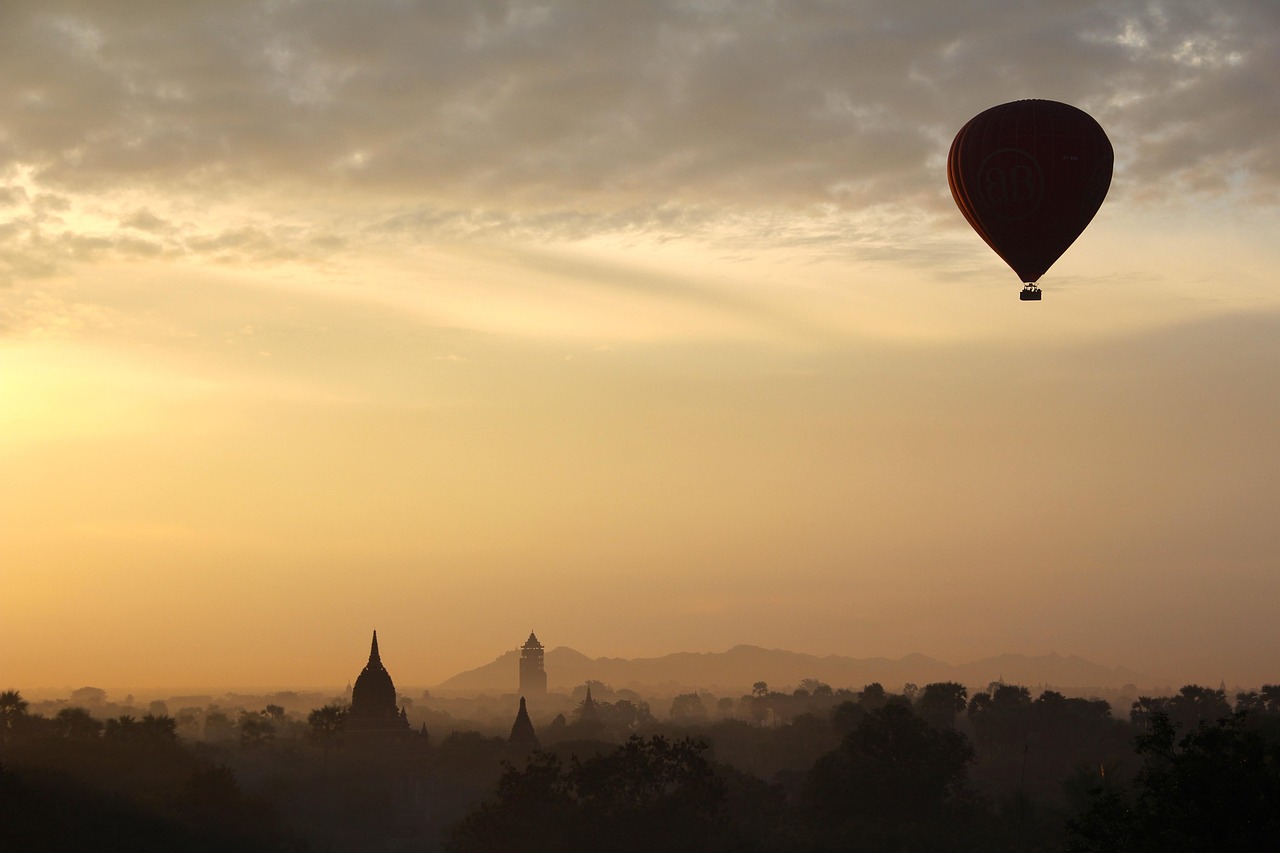
To truly appreciate the scale of the Serengeti, you must see it from above. An optional hot air balloon safari at dawn is the ultimate "Ethan Brooks" recommendation. Rising silently with the sun, you watch the shadows of giraffes stretch across the plains and see the "column of rain" on the distant horizon. It concludes with a champagne breakfast in the middle of the wilderness—a moment of pure, unadulterated safari magic.
Day 10: Departure from the Wild
On your final day, enjoy a slow sunrise game drive as you head toward the airstrip. There is a specific kind of melancholy that hits when you leave the Serengeti—a feeling that you’ve touched something ancient and true. You’ll board a small plane back to Kilimanjaro International Airport (JRO) for your flight home. Because you started in Zanzibar, you are finishing your trip on a literal and metaphorical high, carrying the energy of the wild back to the modern world rather than leaving it behind on a beach chair.
Planning Essentials: Weather, Costs, and Seasons
Planning a Tanzania trip requires navigating significant price and weather swings.
- The Budget: A premium 10-day itinerary typically ranges from $3,200 for high-quality mid-range lodges to well over $8,900 for ultra-luxury eco-camps like those operated by Singita or &Beyond. These prices generally include all internal flights, park fees, and full-board accommodations.
- The Weather: June to October is the "Long Dry Season," offering the best wildlife viewing as animals congregate at water holes. However, don't overlook the "Green Season" (November to May); the dust is gone, the landscapes are emerald green, and the birdwatching is world-class.
FAQ
1. Is it safe to travel between Zanzibar and the mainland? Yes, extremely. The domestic aviation network in Tanzania is robust. Small bush planes (Cessna Caravans) are the standard, and pilots are highly experienced in "bush flying" conditions.
2. Do I need different vaccinations for the island vs. the safari? Tanzania requires Yellow Fever vaccination proof if you are arriving from a high-risk country. Malaria prophylaxis is highly recommended for both Zanzibar and the mainland safari parks. Always consult a travel clinic 6 weeks before departure.
3. What should I pack for a "Reverse" itinerary? The key is layers. Zanzibar is humid and hot (30°C+), but the Ngorongoro rim and early morning Serengeti drives can be surprisingly chilly (as low as 10°C). Pack lightweight linens for the coast and a high-quality windbreaker/fleece for the safari.
Ready to Plan Your Journey?
Tanzania is not just a destination; it is a profound shift in perspective. Whether you are watching the sun set over the Indian Ocean or witnessing the raw power of a lion hunt in the Serengeti, this "Zanzibar-first" route ensures you are present for every moment.