Quick Facts
- Safety First: Tanzania is incredibly safe for toddlers if you book private 4x4 vehicles and choose fenced lodges in low-malaria risk zones.
- Best Parks for Kids: Tarangire, Lake Manyara, and Ngorongoro Crater offer the shortest transfer times (under 4 hours) to minimize "car-seat fatigue."
- The Cost: A standard 4-day family-friendly safari starts around $1,800 per adult, with children often receiving 25% to 50% discounts.
- Why 20 Months?: Toddlers at this age are deeply sensory. Seeing a "real life" elephant or zebra fosters a connection to nature that picture books simply can’t match.
The 'Brave or Nuts' Reality of Toddler Safaris
"I can’t decide if you’re brave or just nuts." My sister’s voice crackled over the phone as I packed my third bag of diaper wipes and a portable sound machine. We were heading to Tanzania with my 20-month-old, and to be honest, I was asking myself the same thing.
The internal debate for any parent is real: Why bring a toddler who might not remember the trip to the middle of the African bush? The answer, I discovered, lies in the now. While they might not recall the specific geography of the Serengeti in twenty years, the sheer, unbridled joy of seeing a "big kitty" (a lion) or a "huge gray dog" (an elephant) creates a developmental spark unlike anything else.
Taking a 20-month-old on safari isn't about ticking off the Big Five from a checklist; it’s about balancing high-stakes adventure with the mundane reality of nap times and snack schedules. It requires a shift in perspective—swapping the goal of "seeing everything" for the goal of "experiencing everything together."
Is a Tanzania Safari Safe for Toddlers?
This is the first question every grandparent asks. The short answer is yes, provided you plan with surgical precision. Tanzania is a well-established safari destination with world-class infrastructure, but a toddler-friendly trip looks very different from a honeymooners' excursion.
Safety in the bush comes down to three pillars: accommodation choice, vehicle privacy, and health prep. We opted for fenced lodges whenever possible to provide a "safe zone" where my little one could run around without me scanning the tall grass for predators every three seconds. Furthermore, a private 4x4 vehicle is a non-negotiable. It allows you to head back to camp early if a tantrum hits, or stop for a diaper change in the middle of the savannah without apologizing to strangers.
From a health perspective, we focused on the "Northern Circuit" (Tarangire, Manyara, Ngorongoro). These areas are at a higher altitude, which generally means fewer mosquitoes and a lower risk of malaria. Always consult a travel clinic, but many parents find that with proper DEET-free repellent, long sleeves at dusk, and mosquito netting, the risks are manageable.
Why Tanzania is the Ultimate Family Safari Destination
What makes Tanzania stand out, especially for those of us with little ones in tow, is the geography of the Northern Circuit. Unlike the vast distances in some parts of South Africa or Namibia, Tanzania’s most famous parks are clustered relatively close together.
In our 2025 planning guides, we emphasize the "Under 4-Hour Rule." Most transfers between major parks like Lake Manyara and the Ngorongoro Crater take between 2 to 4 hours. This is significantly lower than the 6-to-8-hour drives found on standard adult itineraries. For a toddler, 3 hours in a car is a nap; 8 hours is a disaster.
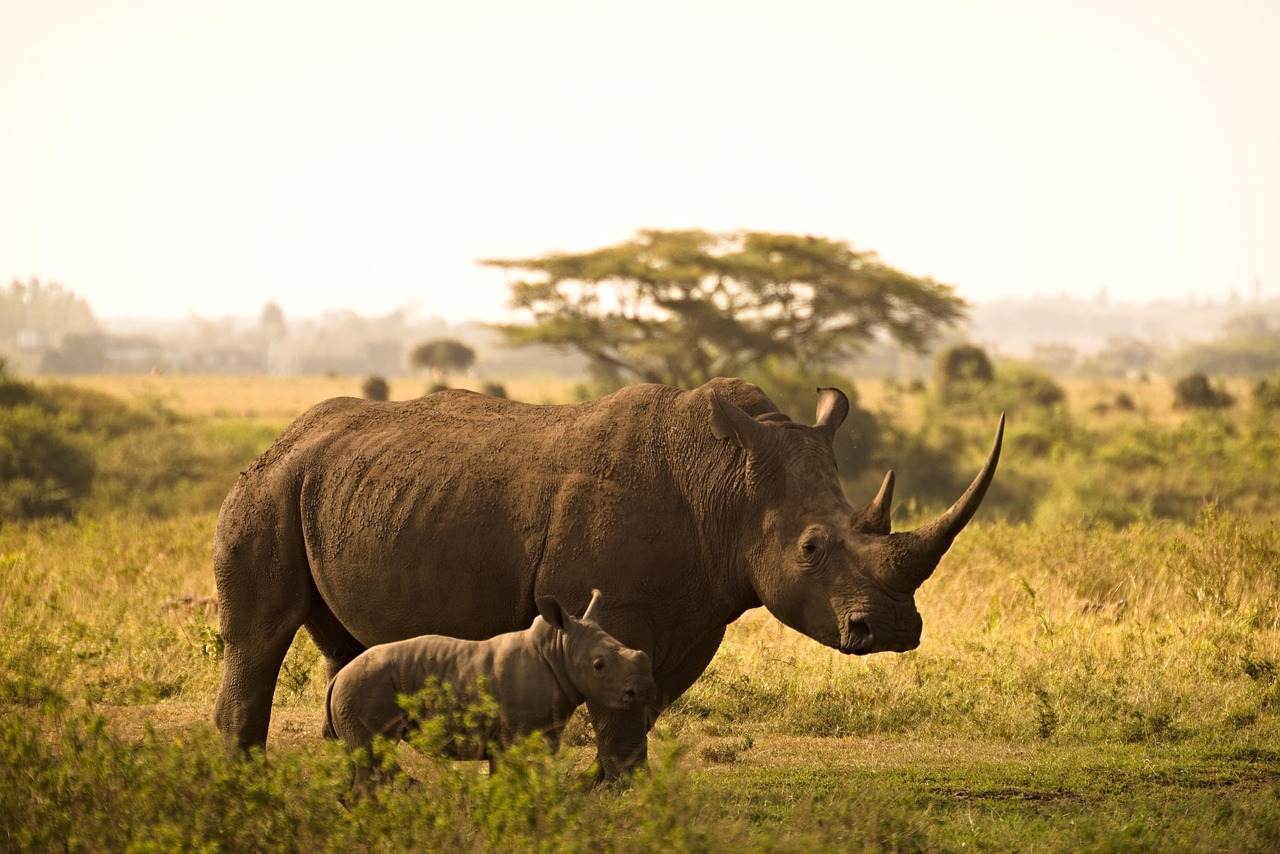
The sensory experiences are the real winner here. At 20 months, children are obsessed with sounds and textures. The low rumble of a lion’s roar, the dusty smell of the plains after a rain, and the sight of a "dazzle" of zebras are all incredibly stimulating. Tanzania offers a high density of wildlife, meaning you don't have to drive for hours to find something interesting. There is almost always a "Mama" warthog or a "Baby" elephant nearby to keep their attention focused.
Top 3 Toddler-Friendly Parks in Tanzania
Selecting the right parks is the difference between a relaxing vacation and a grueling marathon. Here are the three we recommend for families with toddlers:
1. Lake Manyara: The Gentle Introduction
This park is often the first stop, and it’s perfect for little ones. It’s lush, green, and feels like a jungle. It’s famous for tree-climbing lions and thousands of pink flamingos. The drives are shorter, and the canopy provides plenty of shade, keeping the vehicle cool.
2. Tarangire National Park: The Elephant Haven
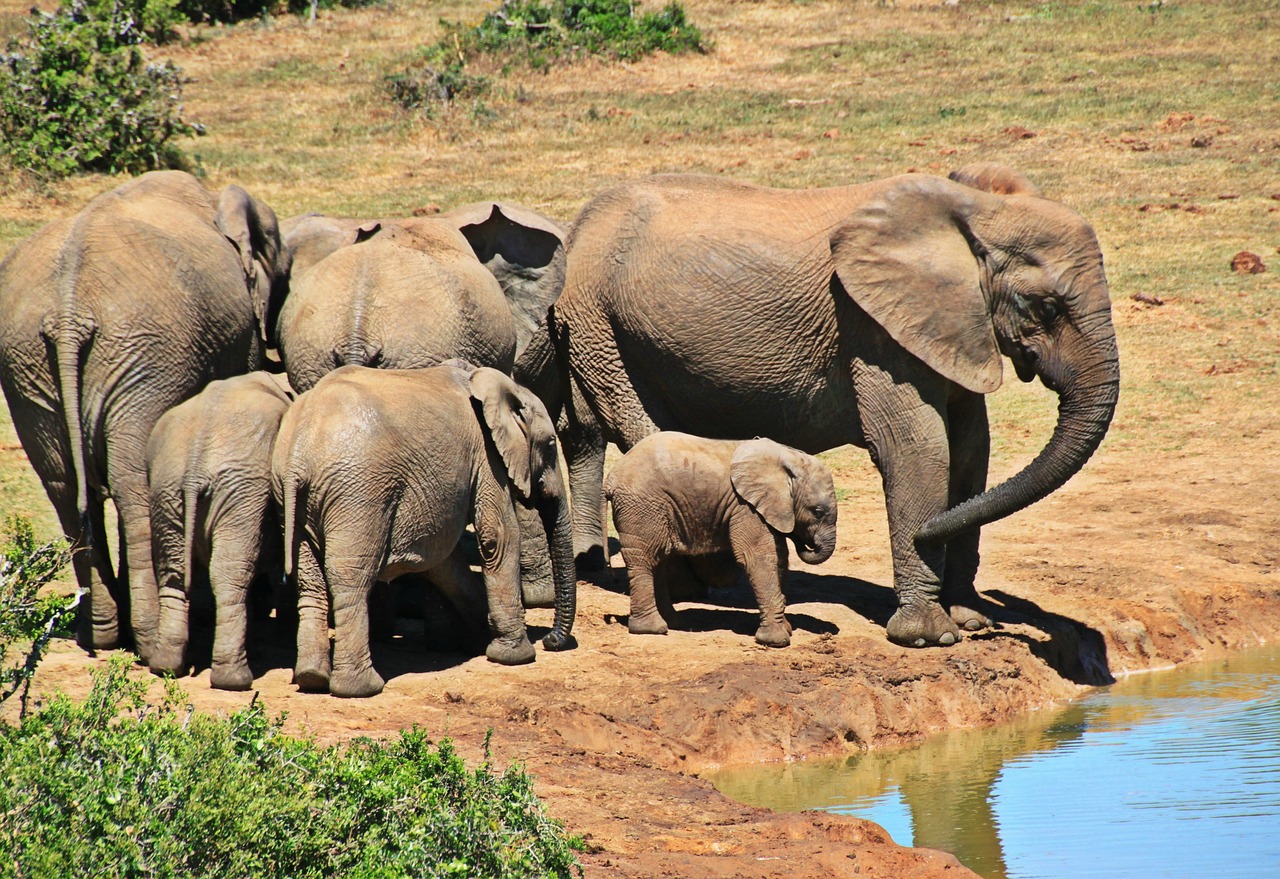
If your child has a stuffed elephant, this is their mecca. Tarangire has one of the highest concentrations of elephants in the world. The landscape is dotted with ancient Baobab trees—huge, bulbous trees that look like something out of a Dr. Seuss book.
3. Ngorongoro Crater: The Natural Zoo
The Crater is an inactive volcano that acts as a natural enclosure for wildlife. Because the animals don't migrate out of the crater, the density is staggering. You can often see the Big Five in a single morning. This means less "searching" and more "seeing," which is vital for a toddler’s short attention span.
Where to Stay: Best Toddler-Friendly Safari Lodges
When traveling with a 20-month-old, the lodge is more than just a place to sleep—it’s your sanctuary. You need space, safety, and a kitchen staff that doesn't mind making plain pasta at 5:00 PM.
- Gibb’s Farm (Karatu): This is my top pick for families. It’s an organic farm located between Lake Manyara and the Ngorongoro Crater. It isn't a "bush camp" in the traditional sense, which is why it works. There are gardens to explore, cows to see, and plenty of grass for a toddler to burn off energy. It feels like a home away from home.
- TAASA Lodge (Northern Serengeti): For those wanting a deeper bush experience, TAASA is exceptional. It’s located in a private concession, which means they can offer more flexible activities. They are incredibly welcoming to children, offering "Junior Ranger" activities that can be tailored for even the youngest guests.
Sophia’s Pro-Tip: Always ask for a room near the main mess tent. Walking long distances on uneven paths at night with a sleeping toddler in your arms is a workout you don't want.
2025 Family Safari Costs & Best Timing
Planning a safari is an investment. For 2025, prices have stabilized, but booking 6-12 months in advance is still the best way to secure family suites.
| Season | Best For | Pros/Cons |
|---|---|---|
| Jan - March | Calving Season | Pros: Thousands of baby wildebeest; great for kids to see "babies." Cons: Can be hot. |
| June - Oct | Dry Season | Pros: Best wildlife viewing as animals congregate at water holes. Cons: Peak pricing and dustier. |
| Nov - Dec | Short Rains | Pros: Lush green landscapes; lower costs. Cons: Some roads can be muddy. |
A 4-day express safari typically starts at $1,800 per adult. Most lodges offer significant discounts for children under 5—often up to 50% off or even free if they share a bed with parents. However, remember to factor in the cost of a private vehicle, which can add $200-$400 per day to the total group cost but is worth every penny for the flexibility it provides.
Sample Itinerary: The 9-Day Bush-to-Beach Adventure
If you have the time, I highly recommend the "Bush-to-Beach" combination. It allows for the excitement of the safari followed by a complete "reset" on the coast.
- Days 1-2: Arusha/Lake Manyara: Recover from the flight. Visit a local market or take a gentle game drive.
- Days 3-4: Ngorongoro & Karatu: Stay at Gibb’s Farm. Explore the Crater floor in the morning and pick vegetables in the farm garden in the afternoon.
- Days 5-6: Serengeti: A short internal flight (much easier than driving) to the Serengeti for the quintessential safari experience.
- Days 7-9: Zanzibar: Fly to the "Spice Island."
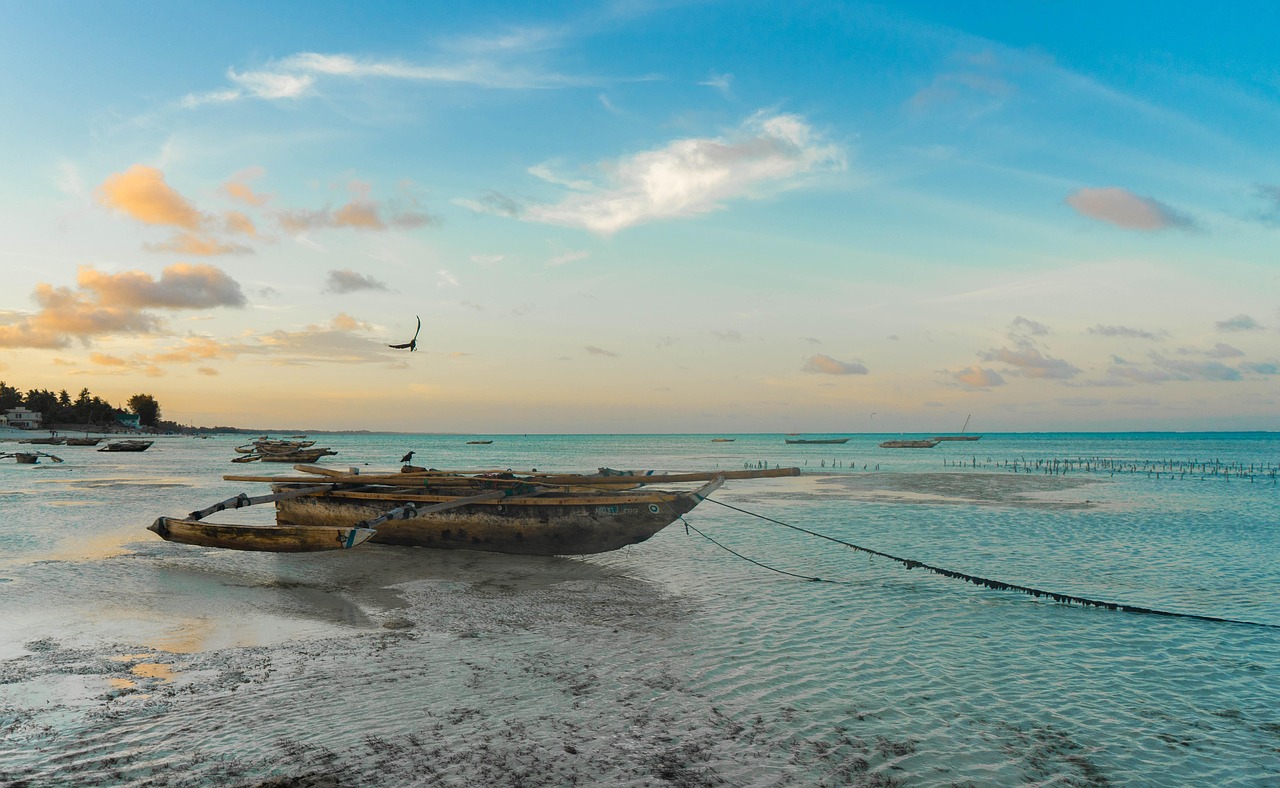
Zanzibar is the ultimate reward. After dusty days in a 4x4, there is nothing better than watching your toddler play in the shallow, turquoise waters of Nungwi or Kendwa beach. The sand is soft as sugar, and the tide goes out for miles, creating safe "puddles" for little ones to splash in.
Practical Survival Tips for Parents
You can have the best itinerary in the world, but if you forget the "comforts of home," the trip will be a struggle.
- The Flight: If you are coming from the US or Europe, break up the journey. We stopped for 24 hours in Qatar. It allowed my son to run around a hotel room and reset his internal clock before the final leg to Kilimanjaro.
- Packing Essentials:
- Puréed Pouches: Even the best lodges might have flavors a toddler finds "weird." Bring a stash of familiar snacks.
- The Travel Stroller: While not useful on safari, it’s a lifesaver in airports and around the lodges.
- Binoculars: Get a cheap, plastic pair for them. It makes them feel like part of the "scouting team."
- Medical: Pack a robust first-aid kit with toddler-specific ibuprofen, antihistamines, and rehydration salts. Ensure your travel insurance includes emergency med-evac—it’s a small price for total peace of mind.
FAQ
Q: Will my toddler be bored on long game drives? A: Not if you keep them short! We limited our "seat time" to 3 hours in the morning. We also brought a "Safari Bingo" card with stickers of animals. Every time we saw a zebra, he got a sticker. It kept him engaged and scanning the horizon.
Q: Are there age restrictions for safari lodges? A: Some luxury camps have a minimum age of 6 or 12. However, many "family-centric" lodges have no age limit. Always check with your travel specialist to ensure the lodge is "toddler-friendly" and not just "child-tolerant."
Q: What about car seats? A: Most safari vehicles do not have standard ISOFIX connectors. You will often use the lap belt to secure a seat, or many parents opt to hold their toddler during slow-moving game drives. If a car seat is a must for you, discuss this with your tour operator beforehand to ensure they provide a vehicle with compatible seatbelts.
Conclusion & Plan Your 2025 Adventure
Taking a 20-month-old to Tanzania isn't the "easiest" vacation you’ll ever take, but it might be the most rewarding. It’s a whiplash cocktail of toddler tantrums and unfettered tenderness—the kind of trip where you might be changing a diaper with a view of Mount Kilimanjaro.
In the end, I realized I wasn't "nuts." I was just a mom who wanted to show her son that the world is much bigger, louder, and more beautiful than the four walls of our playroom.