Quick Facts
If you’re planning a culinary pilgrimage to the Eternal City this autumn, here are the essential stops recommended by Roman icon Francesco Panella.
| Restaurant | Neighborhood | Signature Dish | Vibe |
|---|---|---|---|
| Roscioli Salumeria | Regola/Campo de' Fiori | The World's Best Carbonara | Bustling, gourmet, iconic |
| Cesare al Pellegrino | Parione | Traditional Roman classics | Intimate, neighborhood soul |
| Sora Lella | Isola Tiberina | Carciofi alla Giudia (Artichokes) | Historic, family-run, riverside |
| Tribuna Campitelli | Jewish Ghetto | Contemporary Fine Dining | Elegant, 16th-century palazzo |
| SantoPalato | San Giovanni | Offal (Quinto Quarto) dishes | Retro, bold, "Neo-Trattoria" |
The Allure of the 'Ottobrata Romana'
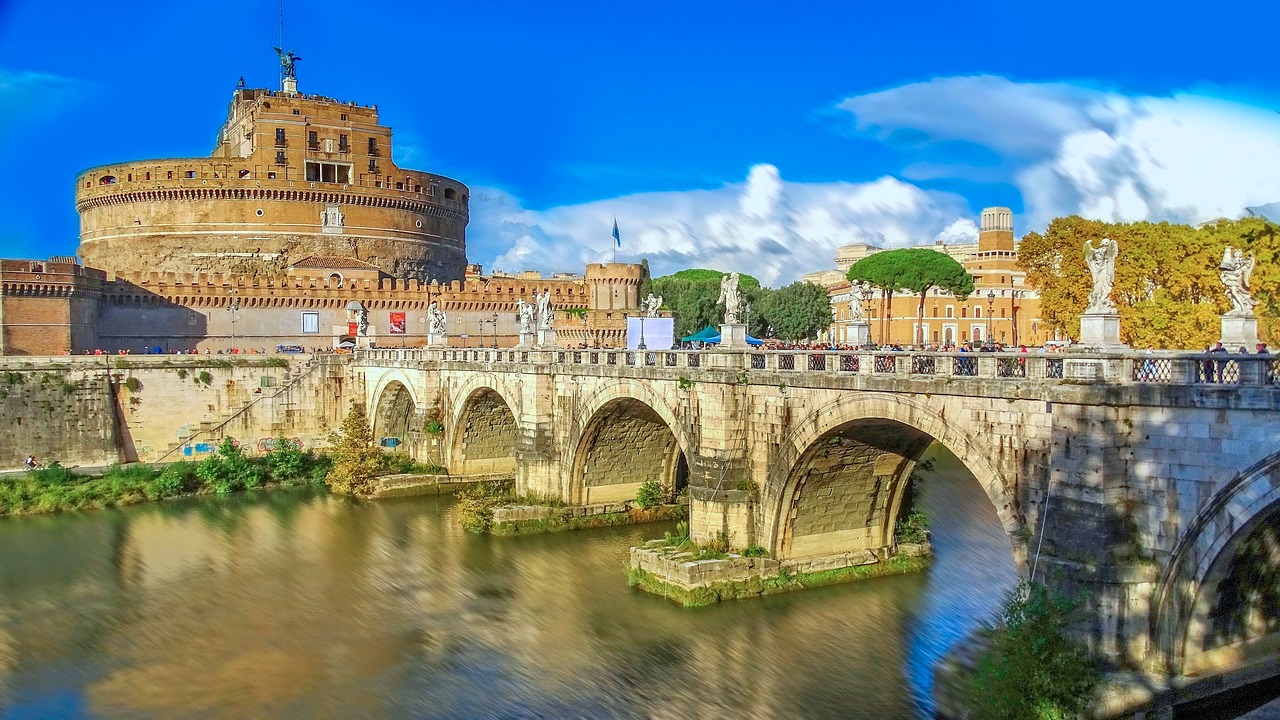
There is a specific luminosity that settles over Rome in October and November—a golden, honeyed glow that Romans call the Ottobrata Romana. Historically, this term referred to the exuberant harvest trips made to the countryside, but today, it describes the city’s most enchanting season. While the rest of Europe begins to hunker down against the chill, Rome remains defiant. The "off-season" here is a misnomer; with temperatures rarely dipping below 15°C (59°F), the city breathes in the crisp air and exhales a vibrant energy that has led to a 100% revival in year-round hotel occupancy rates.
For the culinary traveler, autumn is the "golden hour." The markets are brimming with the first porcini mushrooms, the rugged Romanesco broccoli, and the sharp bite of puntarelle. To navigate this landscape, one needs more than a map; one needs the perspective of a guardian. Francesco Panella, the celebrated restaurateur and host of Little Big Italy, is that guardian. Having explored over 150 world capitals, Panella remains steadfast in his conviction: Rome is the only city where millennia of historical tradition and a contemporary culinary pulse coexist in perfect, year-round harmony.
Francesco Panella’s Personal Rituals
For Panella, eating in Rome is not merely about sustenance; it is a series of rituals that anchor him to his roots. Even after decades in the industry, his perfect morning doesn't begin in a sleek kitchen, but in the heart of Trastevere.
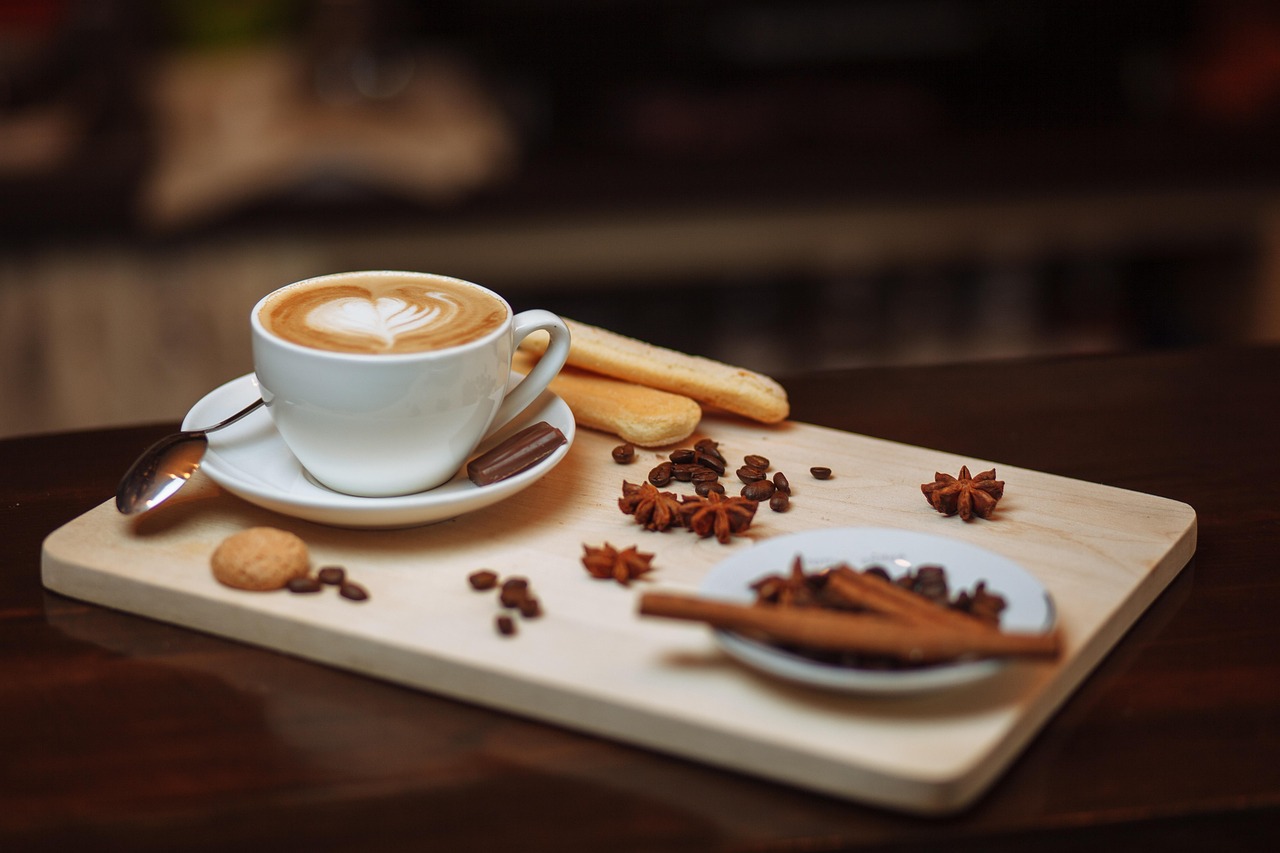
"Rome is home because of the rituals," he often notes. His day frequently begins at Piazza Santa Maria in Trastevere, where the scent of roasted beans and yeast hangs heavy in the morning mist. Here, the ritual is simple: a perfect cappuccino and a maritozzo—a soft, brioche-like bun overflowing with lightly sweetened whipped cream. It is a taste of childhood and a testament to the city’s refusal to rush.
His other indispensable ritual occurs late at night. Between 10:30 p.m. and 11:30 p.m., when the dinner rush has ebbed into a satisfied hum, Panella walks the cobblestone alleys. "Rome at night is a different creature," he observes. It is in these quiet hours, amidst the shadows of the Pantheon or the Jewish Ghetto, that the city’s history feels most visceral, and the appetite for a late-night bite or a final glass of Cesanese becomes irresistible.
The Classics: Where Tradition Never Changes
When asked where he eats when he’s not at his own celebrated establishments, Panella points toward the pillars of Roman gastronomy. These are the places that defy trends and define the Roman palate.
Roscioli Salumeria con Cucina
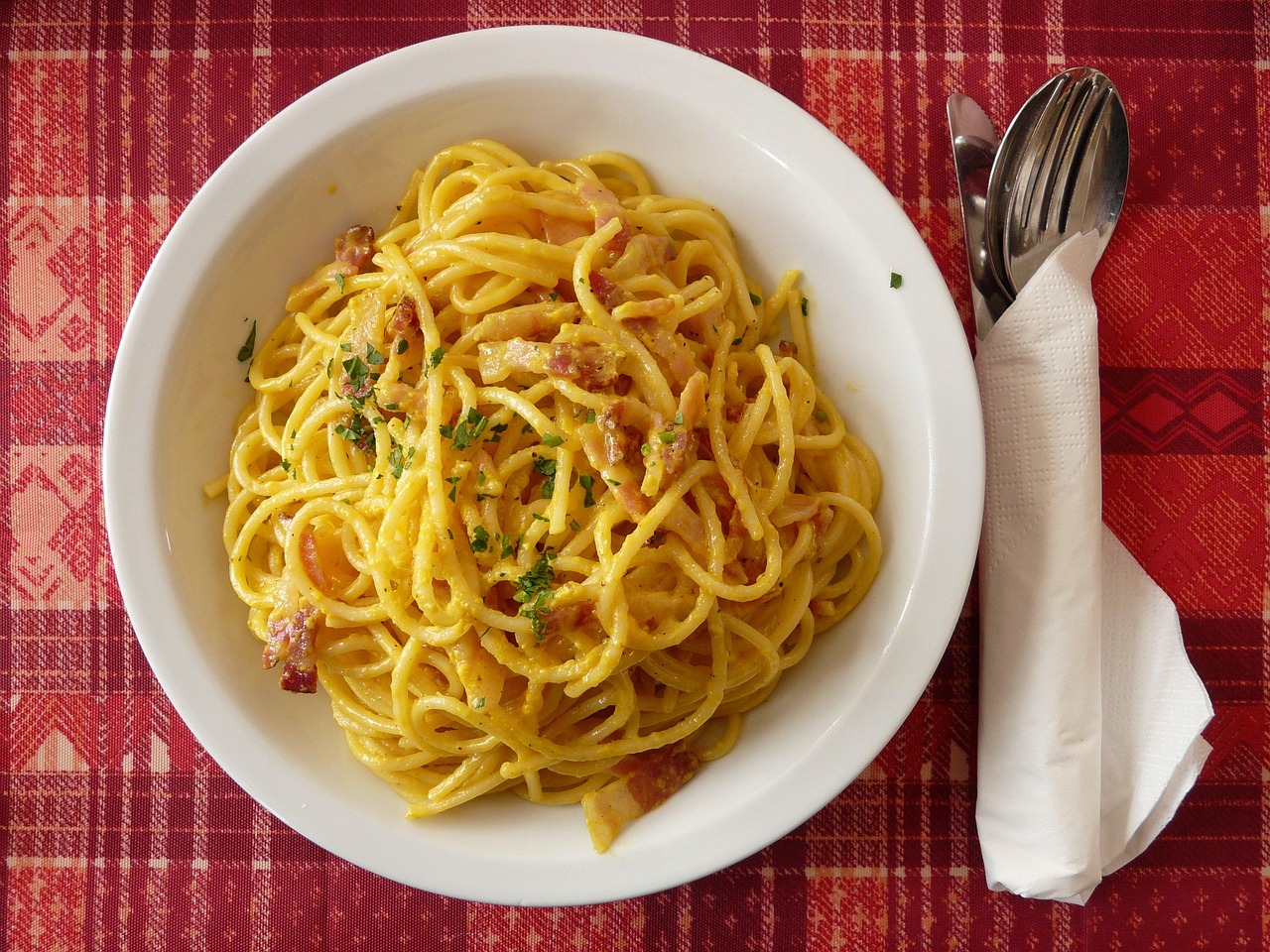
To visit Rome and skip Roscioli is to miss the city's heartbeat. Part deli, part wine bar, and part temple of pasta, Roscioli is where Panella goes for the most "yolky," decadent Carbonara in existence. The secret lies in the quality of the guanciale (cured pork jowl) and the precise blend of Pecorino Romano and black pepper.
Pro-Tip: The Seating Hack Roscioli is notoriously difficult to book. If you find yourself without a reservation, try to snag a stool at the counter (the salumeria side). Watching the carvers slice paper-thin prosciutto while you wait for your pasta is half the experience.
Sora Lella
Nestled on the Isola Tiberina—the tiny island in the middle of the Tiber River—Sora Lella is a piece of living history. This was the home of Elena Fabrizi, the beloved actress and cook who became the grandmother of Roman cuisine. Panella visits specifically for the artichokes. Whether alla giudia (deep-fried until they resemble golden sunflowers) or alla romana (braised with mint and garlic), they are the definitive taste of autumn.
Cesare al Pellegrino
Near the bustling Piazza Farnese lies Cesare al Pellegrino, a neighborhood osteria that Panella champions for its authenticity. This is where you go to escape the tourist traps and find "the soul of the neighborhood." The menu is a love letter to the quinto quarto (offal) tradition, served with a grace that makes even the most rustic dishes feel like fine dining.
The 2025-2026 New Guard: Emerging Culinary Landmarks
While tradition is the foundation, Rome's culinary scene is currently experiencing a sophisticated evolution. The 2025-2026 season sees a wave of new openings that blend high-concept dining with deep historical context.
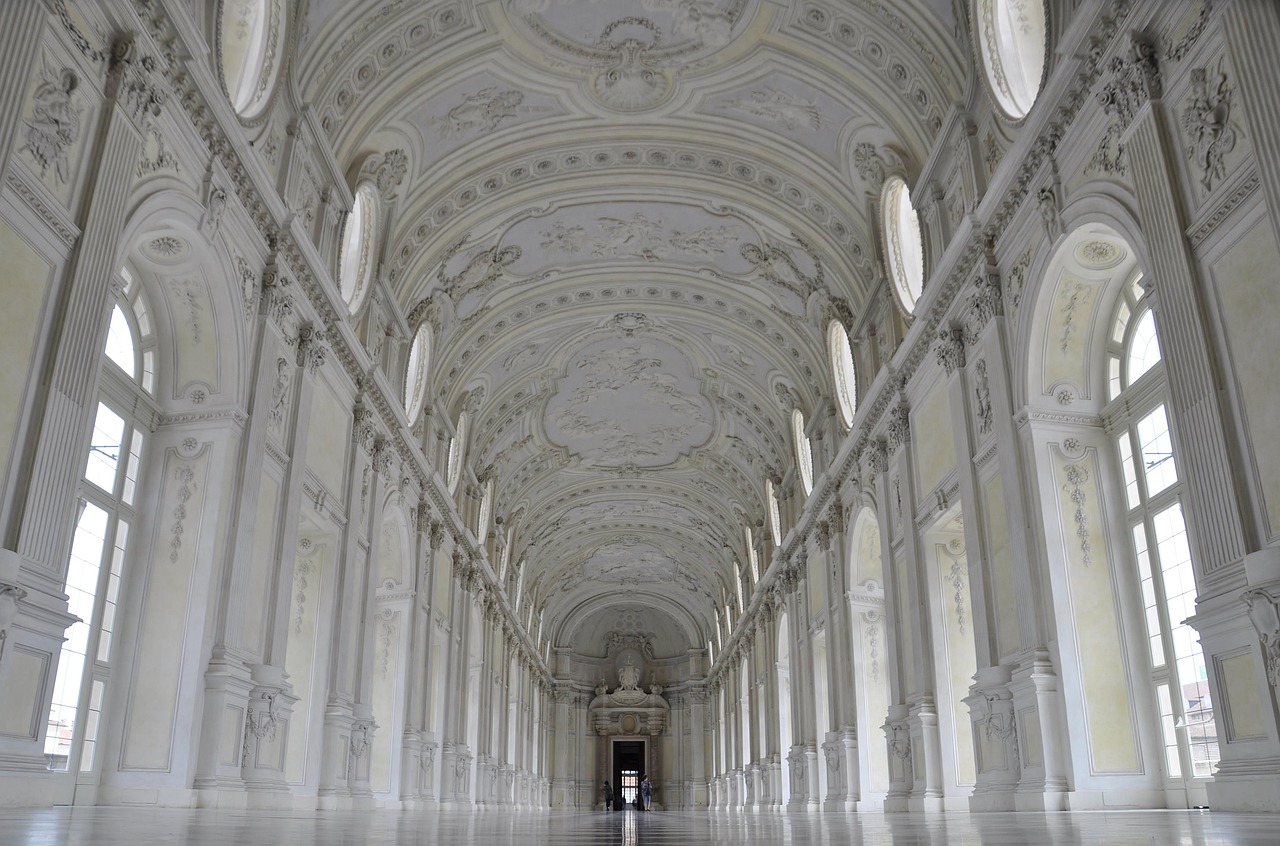
Tribuna Campitelli is perhaps the most anticipated opening in the Jewish Ghetto. Housed within a 16th-century palazzo, this dining lounge and wine cellar offers an atmosphere of "quiet luxury." The menu leans into the sophisticated intersection of Sephardic and Roman flavors, served under frescoed ceilings.
In the residential district of Torrevecchia, Michelin-starred chef Davide Puleio has opened Isotta. It is a bold move to bring contemporary, refined Roman cuisine to the suburbs, but the risk has paid off. Puleio takes rustic ingredients—the bitter greens, the tough cuts of meat—and transforms them with modern techniques that are as visually stunning as they are delicious.
For those seeking a journey of the senses, Nomos Ante in the Regola district is the new fine-dining destination. Their tasting menus—Arché, Métron, and Télos—are intellectual explorations of Mediterranean ingredients. Meanwhile, in Garbatella, Stecca functions as a "multisensory lab," blending the owner's Abruzzese roots with Roman conviviality, focusing on wood-fired techniques and artisanal ferments.
Reserve a Table at Tribuna Campitelli →
Deep Dives into Neighborhood Soul
To eat like a Roman, one must venture beyond the shadows of the Colosseum. Panella notes that the "rebirth of the suburbs" is where the most exciting energy lies.
In the Esquilino and Cinecittà areas, the food scene is becoming increasingly diverse, reflecting a modern, multicultural Rome. However, some rules remain sacred. At Danilo’s, a legendary spot in Esquilino, there is an unwritten etiquette: the "one round of pasta" rule. Don't expect to linger over appetizers for hours; here, the pasta is the protagonist, served at a pace that respects the kitchen's rhythm.
In San Giovanni, Sarah Cicolini’s SantoPalato continues to lead the "neo-trattoria" movement. Cicolini is a master of the quinto quarto. Her oxtail terrine and tripe are not for the faint of heart, but for those who want to understand the true, unpolished soul of Roman cooking, it is an essential pilgrimage.
The Roman Street Food & Pizza Circuit
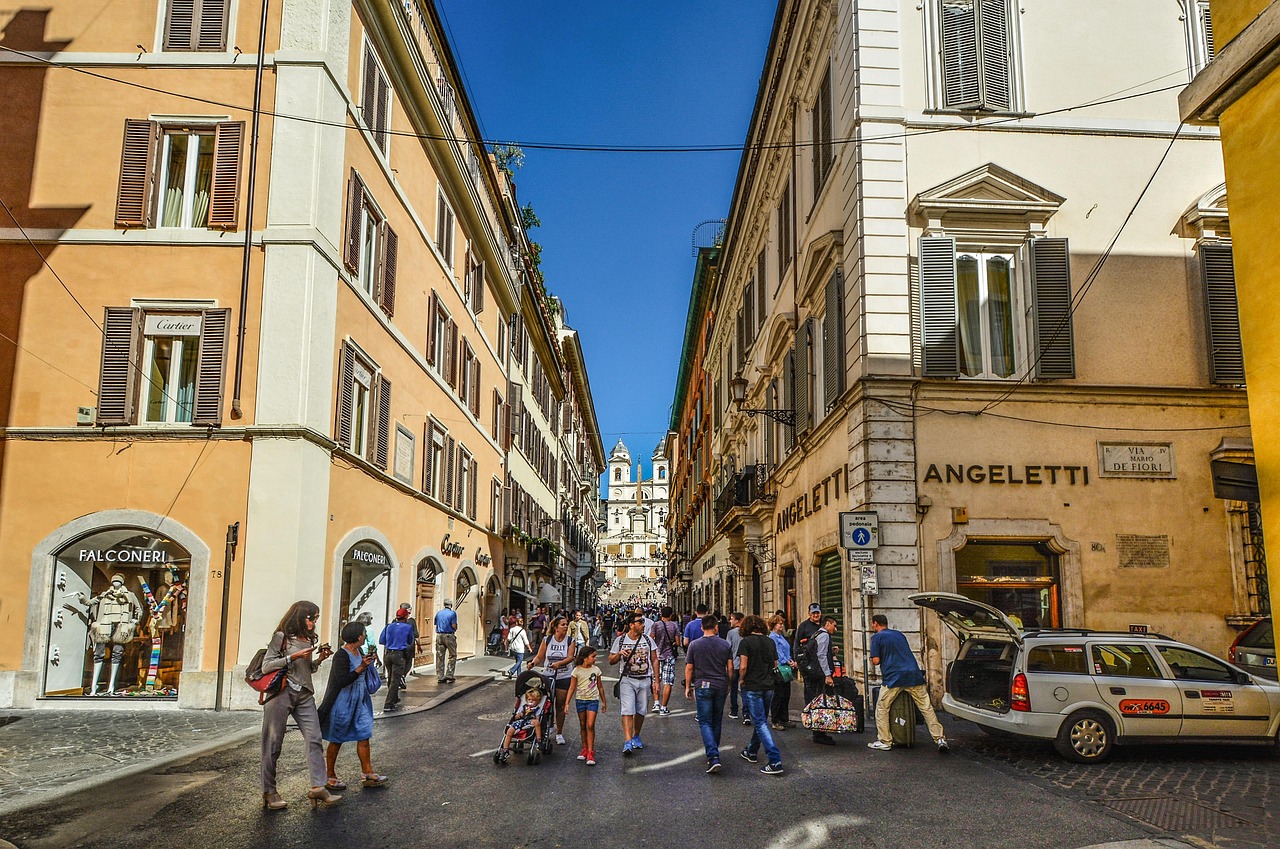
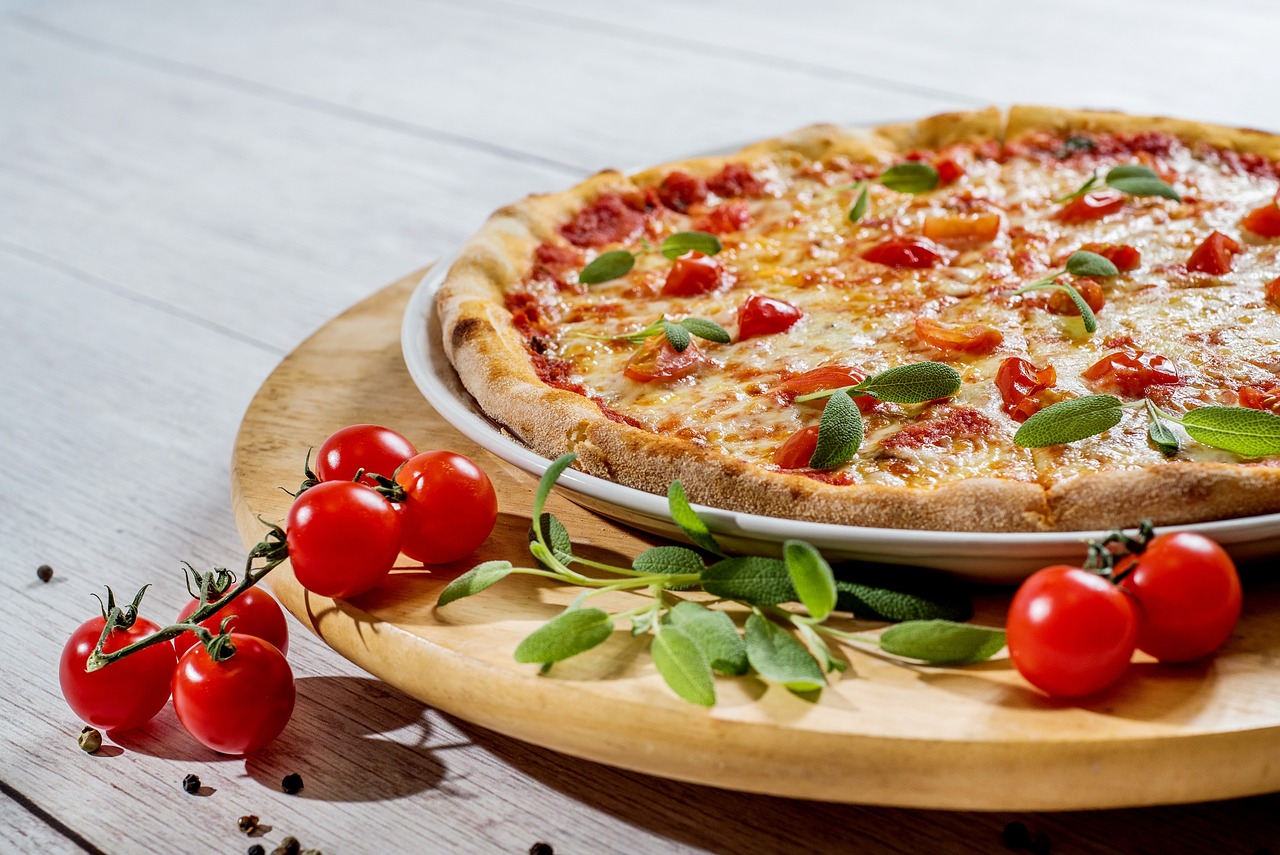
Rome is a city meant to be walked, and walking requires fuel. The street food scene in Rome is legendary, dominated by the "Big Three": Pizza al Taglio, Suppli, and Trapizzino.
- Antico Forno Roscioli: Just around the corner from the main restaurant, this bakery serves pizza al taglio (by the slice). Panella’s favorite? The classic pizza bianca split open and stuffed with mortadella. The ratio of crispy crust to silky fat is a mathematical marvel.
- Pizzarium Bonci: Near the Vatican, Gabriele Bonci, the "Michelangelo of Dough," continues to innovate. His dough is fermented for up to 72 hours, resulting in a crust that is incredibly light and airy, topped with seasonal ingredients like pumpkin cream and smoked provola.
- Trapizzino: In Trastevere, this triangular pocket of pizza dough stuffed with classic Roman stews (like pollo alla cacciatora or meatball in sauce) has revolutionized the way Romans eat on the go.
Practical Tips for Your 2025 Roman Autumn
Navigating Rome's dining scene requires a bit of strategy, especially as the city sees high occupancy even in the "shoulder" months.
1. Booking Strategies: While many restaurants now use online apps like TheFork, Panella suggests a more traditional approach. Calling right at the start of service (around 12:30 p.m. for lunch or 7:30 p.m. for dinner) often yields better results for last-minute cancellations.
2. Seasonal Produce: Watch for the arrival of fresh porcini mushrooms—they will be featured on every menu, from pasta to grilled mains. Also, look for Romanesco broccoli, with its mesmerizing fractal patterns; it is at its sweetest after the first frost of late autumn.
3. Packing for the Season: Since temperatures stay above 15°C, layering is key. You'll likely be dining outdoors under heated umbrellas, so a light wool coat or a stylish scarf is perfect for navigating the transition from the sunny afternoon to the cool evening.
FAQ
Q: Is it necessary to tip in Roman restaurants? A: Tipping is not mandatory as service is often included (servizio) or covered by the coperto (bread and cover charge). However, leaving a few euros or rounding up the bill is a appreciated gesture of satisfaction.
Q: Can I find authentic Roman food if I have dietary restrictions? A: Absolutely. Many Roman classics are naturally gluten-free (like artichokes alla giudia or saltimbocca if requested without flour). Most high-end restaurants like Nomos Ante or Tribuna Campitelli are very accommodating to allergies if notified in advance.
Q: What is the best neighborhood to stay in for a food-focused trip? A: For a mix of tradition and new openings, the Regola district (near Campo de' Fiori) or Trastevere are excellent. If you want to be where the locals eat, consider Prati or Testaccio.
Ready to Taste the Eternal City?
Rome in the fall is a sensory masterpiece waiting to be explored. Whether you’re chasing the perfect carbonara at Roscioli or discovering the avant-garde flavors of Isotta, let the spirit of the Ottobrata Romana guide your appetite.