Quick Facts
- Indicator Species: Surfers act as human "indicator species," being the first to witness environmental shifts like coral bleaching and plastic surges due to their daily immersion in coastal ecosystems.
- Biodiversity Hotspots: Over 75% of the world's most iconic surf breaks are located within critical, biodiverse ecosystems that provide essential habitats for marine life.
- Climate Sentinels: The coastal forests and mangroves surrounding global surf breaks are estimated to store approximately 950 million metric tons of carbon, making their protection a climate imperative.
- Technological Advocacy: Through apps like Save The Waves, the surfing community crowdsources real-time data on sea-level rise and pollution to influence international environmental policy.
- Waste Innovation: Since 2020, surfer-founded initiatives like Sungai Watch have intercepted more than 5 million pounds of plastic from rivers before it reaches the open ocean.
The Unlikely Guardians of the Blue Frontier
When we think of ocean conservationists, we often picture marine biologists in lab coats or activists on high-speed rubber dinghies. But there is another group, one that is perhaps more intimately connected to the pulse of our coastlines than any other: the surfers. As a sustainable travel editor, I have spent years documenting how we interact with our planet's most fragile environments, and nowhere is the "stewardship ethic" more visible than in the lineups of our world's surf breaks.
Surfers are what ecologists might call a human "indicator species." Because they are in the water daily, they are the first to feel the sting of agricultural runoff, the first to notice the eerie white of a dying coral reef, and the first to paddle through a "trash tack" of microplastics. They witness the impact of human activity long before it reaches a laboratory. With more than 75% of the world’s surf breaks located in critical, biodiverse ecosystems, these athletes and enthusiasts have transitioned from recreationalists to the frontline defense of our blue frontier.
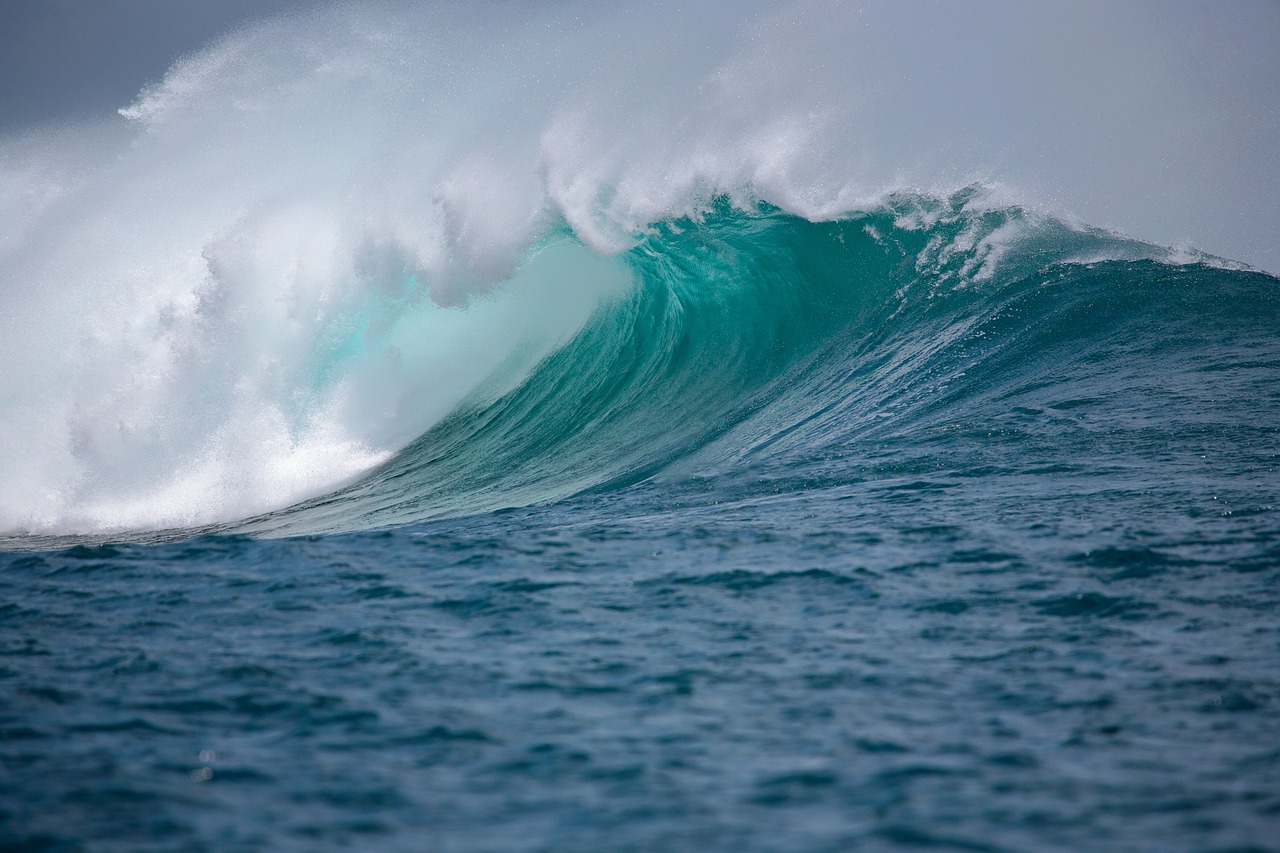
The Indicator Metaphor: Just as the "canary in the coal mine" warned miners of toxic gases, surfers warn us of a failing ocean. When a local surf community reports skin rashes or disappearing kelp forests, it serves as an early warning system for a broader ecological collapse.
The High Stakes: Economic Value and Carbon Sinks
We often overlook the sheer economic and ecological power that a single wave represents. Protecting a surf break is not just about preserving a playground; it is about safeguarding a multi-billion dollar economy and a vital carbon sequestering engine. The global surfing industry is currently valued at roughly $60 billion, a figure that provides significant leverage when dealing with governments and developers who might otherwise prioritize short-term industrial gains over long-term coastal health.
Furthermore, the environmental "services" provided by surf breaks are staggering. Many of the world’s premier waves break over or near coastal forests, seagrass meadows, and mangrove systems. These ecosystems are among the most efficient carbon sinks on the planet.
The Invisible Power of Coastal Protection:
- Carbon Storage: Coastal forests surrounding global surf breaks store an estimated 950 million metric tons of carbon.
- Coastal Protection: Healthy reef systems (which create those perfect waves) reduce wave energy by up to 97%, protecting inland communities from storm surges and erosion.
- Economic Resilience: In regions like Costa Rica and Indonesia, surf tourism accounts for a significant portion of the national GDP, incentivizing the preservation of "pristine" environments.
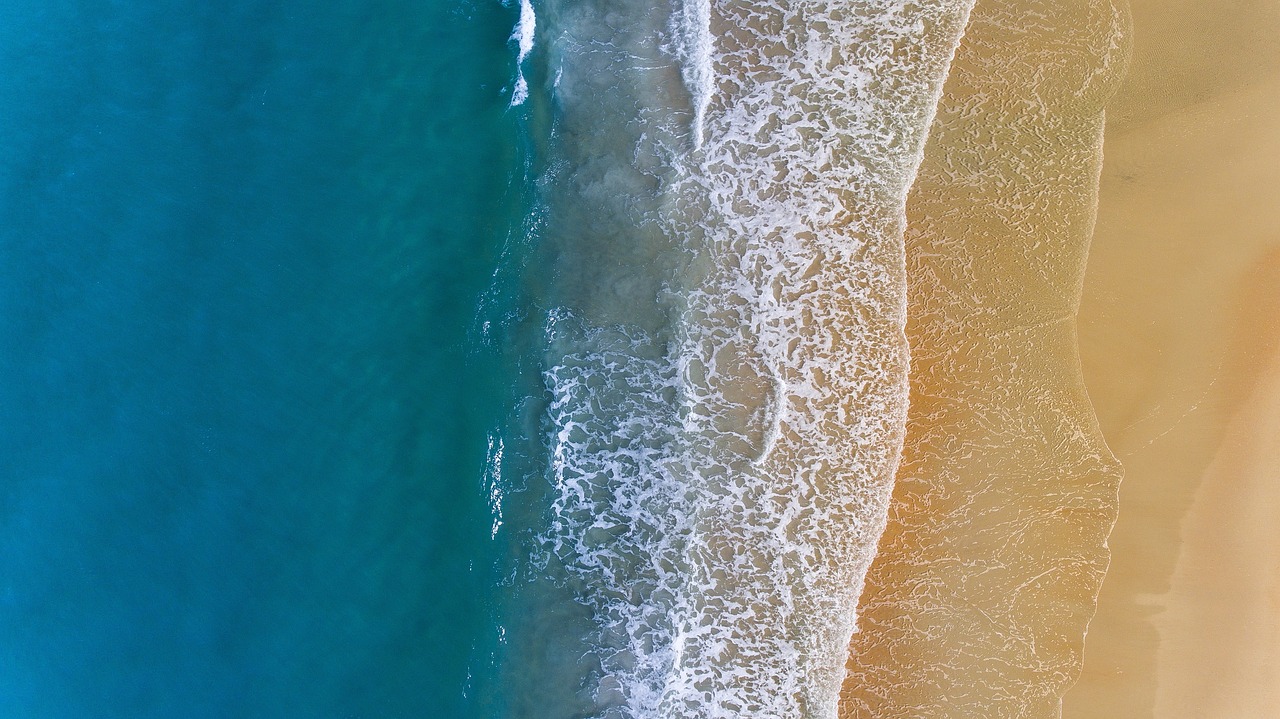
Protecting a "wave" essentially means protecting an entire watershed. When we fight to keep a surf break clean, we are effectively advocating for the health of the estuaries, rivers, and forests that feed into it.
Leading the Charge: Surfer-Led Organizations to Watch in 2026
The transition from individual concern to organized advocacy has birthed some of the most effective environmental NGOs in existence. As we look toward the remainder of 2026, several surfer-led organizations are setting the gold standard for surfer-led ocean conservation.
- Surfrider Foundation: Perhaps the most recognized name in the space, Surfrider focuses on the granular details of water quality and plastic pollution. Their "Blue Water Task Force" empowers local chapters to conduct weekly water testing, providing data that often fills the gaps left by underfunded state agencies.
- Save The Waves Coalition: This organization specializes in the "World Surfing Reserve" (WSR) model. By designating a surf break as a protected reserve, they create a legal and social framework that prevents destructive coastal development and preserves the surf ecosystem for future generations.
- Sungai Watch: Founded by surfers in Indonesia, this group has revolutionized how we think about plastic pollution. Instead of just cleaning beaches, they tackle the problem at the source—rivers. Using innovative trash barriers, they have successfully removed over 5 million pounds of plastic from Indonesia's waterways.
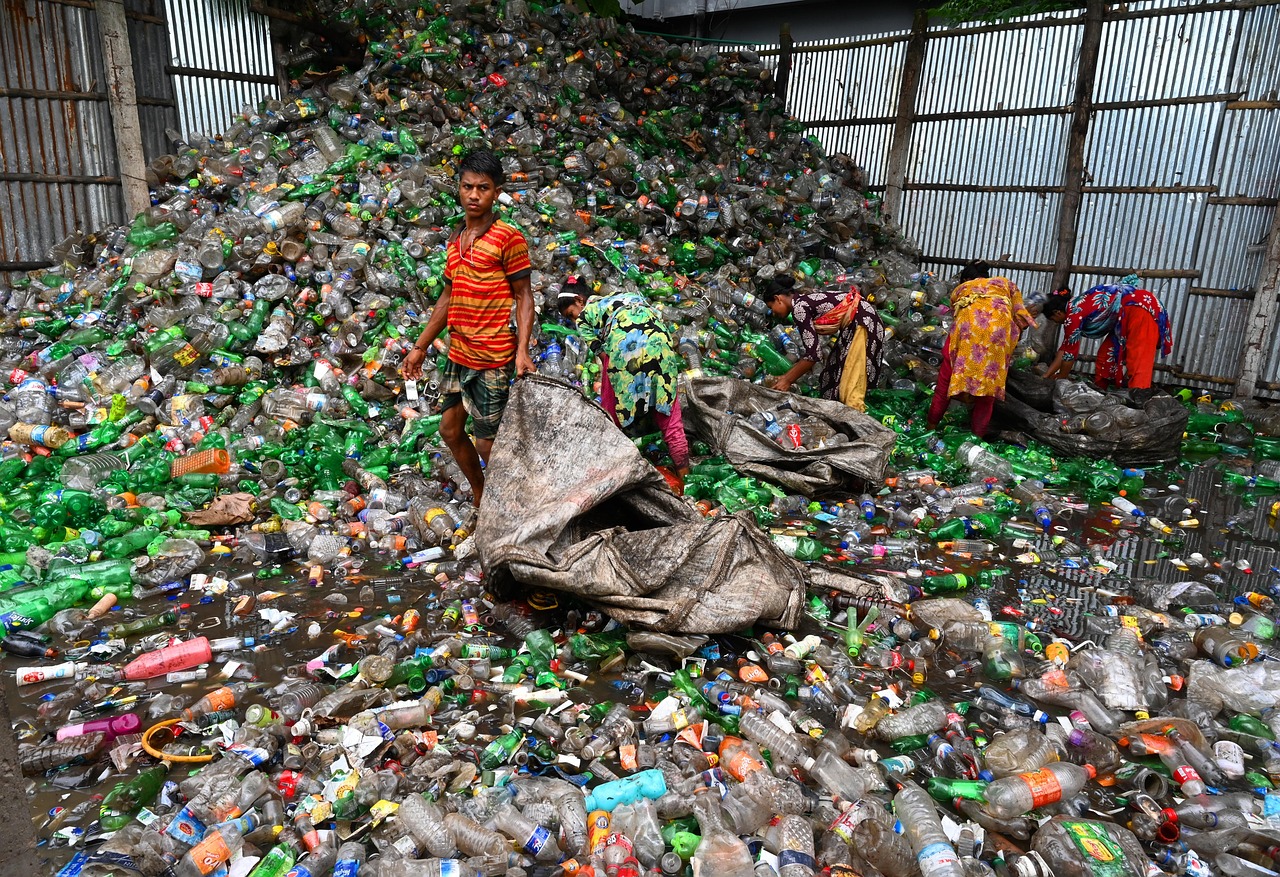
The success of Sungai Watch is particularly inspiring because it moves beyond advocacy into engineering. Their "Sungai Design" initiative even turns intercepted plastic into high-end furniture, proving that the circular economy is not just a dream but a scalable reality.
Citizen Science: How Surfers Crowdsource Data
In the past, environmental data was the exclusive domain of academics. Today, the "Save The Waves" app has turned every surfer with a smartphone into a citizen scientist. This is why surfers protect the ocean so effectively—they are distributed globally and motivated by a personal connection to their local breaks.
Through the app, surfers can report "incidents"—anything from a new illegal construction project on the beach to a massive bloom of algae or a sea-level rise event that washes out a coastal road. This crowdsourced data is then used to create "The State of the Waves" reports, which provide a real-time health check of our global coastlines.
The Impact of Citizen Science:
- Rapid Response: Local authorities can be alerted to oil spills or chemical leaks within hours, rather than weeks.
- Long-term Tracking: By photographing the same shoreline over years, surfers help scientists track the tangible effects of sea-level rise and coastal erosion.
- Policy Influence: Large datasets gathered by thousands of surfers are used to lobby for Marine Protected Areas (MPAs) and stricter runoff regulations.

The Proactive Approach: Marine Protected Areas (MPAs)
While reactive cleanups are necessary, the ultimate goal of surfer-led advocacy is the creation of Marine Protected Areas (MPAs). Think of these as "underwater parks" where human activity is managed to allow biodiversity to recover.
The surf community has been instrumental in the push for "Surf Protected Areas." Conservation International, in partnership with surfing groups, has set an ambitious goal to establish 100 of these areas by 2030. These zones are unique because they balance human access—allowing surfers and traditional fishers to continue their practices—with "no-take" zones that allow fish stocks and coral reefs to regenerate.
| Type of Protection | Primary Goal | Example |
|---|---|---|
| World Surfing Reserve | Legal protection of the "wave" and coastal access. | Ericeira, Portugal |
| Marine Protected Area | Restoration of marine biodiversity and habitats. | Great Barrier Reef, Australia |
| Surf Protected Area | Integrated management of surf ecosystems and community livelihood. | Playa Hermosa, Costa Rica |
Sustainable Surf Gear: Beyond the Board
We cannot talk about ocean defense without addressing our own footprint. Historically, the surfing industry was surprisingly "dirty." Traditional polyurethane boards are petroleum-based and produce significant toxic waste—roughly 300,000 tons of these boards are produced annually, many of which eventually end up in landfills.
However, the tide is turning. Sustainable surf organizations in 2026 are pushing for a radical redesign of the equipment we use. Sustainable Surf’s ECOBOARD Project is at the forefront of this movement, certifying boards made from recycled foam, plant-based resins, and even mushroom-based materials.
Key Innovations in Sustainable Gear:
- Yulex Wetsuits: Moving away from neoprene (a petroleum product) toward natural rubber harvested from FSC-certified forests.
- Bio-Resins: Using waste streams from the timber and paper industries to create high-performance board coatings.
- Recycled Fins: Creating surfboard fins from discarded fishing nets (ghost nets) recovered from the ocean.
As conscious travelers and surfers, choosing gear that reflects our values is the first step in maintaining our integrity as frontline defenders.
Conclusion
The relationship between a surfer and the sea is not one of extraction, but of deep, visceral reciprocity. We take the energy of a wave, and in return, we must offer our protection. Whether it is through participating in citizen science, supporting the creation of Surf Protected Areas, or simply choosing a more sustainable board, the global surfing community is proving that a shared passion can be the most powerful tool for ecological restoration.
Our oceans are at a tipping point, but they are not without their guardians. From the river barriers of Bali to the protected reserves of Portugal, the frontline defense is already in the water. The question is no longer if surfers can save the ocean, but how many of us will join them in the lineup for change.

FAQ
Why are surf breaks so important for biodiversity? Surf breaks often occur in areas with complex underwater topography, such as coral reefs or rocky points. These structures provide essential habitats for thousands of marine species, acting as nurseries and feeding grounds. Protecting the wave naturally protects these biodiverse hubs.
How can non-surfers support surfer-led conservation? You don’t need to paddle out to help. You can support organizations like Save The Waves or Surfrider through donations, download the Save The Waves app to report coastal issues you see while walking the beach, or choose to stay at "Surf-Protected" eco-resorts that contribute to local conservation funds.
What is the impact of plastic pollution on surf breaks specifically? Beyond the aesthetic ruin, plastic pollution creates physical hazards for surfers and marine life. Microplastics are ingested by the fish that inhabit surf ecosystems, and larger debris can damage the very reefs that create the waves. Furthermore, plastic-clogged river mouths lead to toxic water conditions at many world-class breaks.
Join the Movement
Ready to turn your next surf trip into a mission for good? Support the organizations leading the charge and stay informed on the latest in coastal protection.
Download the Save The Waves App → Join Your Local Surfrider Chapter →