Quick Facts
- Financial Advantage: Egg freezing in Barcelona typically costs around €4,000 ($4,300), including medication—a staggering 85% reduction compared to the $25,000–$30,000 average in major US cities.
- Legal Inclusivity: Spain maintains some of the world's most progressive fertility laws; single women and same-sex couples have full, equal access to all reproductive treatments.
- Clinical Excellence: Spain accounts for approximately 15% of all IVF cycles in Europe, with premier clinics reporting success rates of 50% to 70% per cycle.
- Logistical Timeline: While initial consultations can be done virtually, a stay of roughly 10 to 21 days in Barcelona is recommended for the stimulation and retrieval phase.
Introduction: The New Frontier of Reproductive Tourism
For decades, the conversation surrounding egg freezing was framed through the lens of "insurance"—a reactive measure against the ticking biological clock. Today, a profound cultural shift is underway. Modern women are increasingly viewing fertility preservation not as a desperate fallback, but as a strategic pillar of financial autonomy and life enjoyment. It is an investment in a future where the choice to have a child is dictated by personal readiness rather than physiological deadlines.
As a travel critic who has spent years analyzing how policy and infrastructure shape global destinations, I have watched Spain evolve into the undisputed "Fertility Capital" of Europe. It isn't just about the Mediterranean sun or the architecture of Gaudí; it is about a sophisticated medical ecosystem that has outpaced much of the Western world in both efficiency and accessibility. For many women in the United States and the United Kingdom, the decision to fly to Barcelona is driven by a simple, undeniable metric: the "Cost Gap." When the price of a procedure in New York covers the cost of the same procedure in Spain plus a month of living in a luxury Eixample apartment, the choice becomes more than just medical—it becomes a logical lifestyle upgrade.

Why Barcelona? The Intersection of Science and Lifestyle
Spain’s dominance in reproductive medicine is no accident. Since passing its landmark Assisted Reproduction Act in 2006, the country has fostered an environment where science and ethics are in constant, progressive dialogue. Unlike many Asian or Middle Eastern hubs where marriage is a legal prerequisite for fertility care, Spain opens its doors to all.
However, the "Barcelona Advantage" extends beyond the laboratory. Undergoing hormone stimulation is a physically and emotionally taxing process. In the sterile, high-pressure environments of many US clinics, the stress of the procedure is often compounded by the daily grind. In Barcelona, the procedure is softened by what patients often call the "vacation effect."
"There is a physiological benefit to being in a city where you are forced to slow down," notes one patient, Esther, who traveled from San Francisco. "Instead of rushing to the office after a morning ultrasound, I was walking through the Ciutadella Park or sitting in a café with a book. My cortisol levels were lower than they’d been in years, and I truly believe that helped my body respond better to the hormones."
This environment of "authoritative empathy" is what defines the local medical culture. Doctors here don't just see a patient; they see a woman navigating a major life decision, and they treat her with a level of personalized care that is often lost in the high-volume "fertility factories" of North America.
The Financial Reality: US vs. Spain Cost Comparison
The most significant barrier to fertility preservation in the US is undeniably the price tag. In cities like Los Angeles or Chicago, a single cycle—once you factor in consultation fees, ultrasounds, the retrieval itself, and the necessary medications—can easily exceed $25,000. In Barcelona, that same high-level care is available at a fraction of the cost.
| Expense Category | United States (Average) | Barcelona, Spain (Average) |
|---|---|---|
| Base Procedure Fee | $12,000 - $18,000 | €2,500 - €3,000 ($2,700 - $3,200) |
| Stimulation Medication | $4,000 - $7,000 | €1,000 - €1,200 ($1,100 - $1,300) |
| Anesthesia & Lab Fees | Included/Extra ($2,000) | Included in Base |
| Annual Storage Fee | $1,000 - $1,500 | €300 - €500 (Often free for 1-4 years) |
| Total Estimated Cost | $25,000 - $30,000+ | €4,000 - €4,500 (~$4,300 - $4,800) |
The math is startling. Even after factoring in round-trip business class flights and three weeks of high-end accommodation, most women find they still save over 60% of what they would have spent at home. Furthermore, Spanish clinics are far more transparent with their pricing. There are rarely "hidden" fees for things like ICSI (Intracytoplasmic Sperm Injection) or vitrification technology; the quotes provided are comprehensive.

Top-Rated Fertility Clinics in Barcelona
Barcelona is home to some of the most technologically advanced laboratories in the world. When selecting a clinic, international patients should look for centers that offer "Shared Care" programs, which allow you to perform initial monitoring in your home country.
1. Reproclinic: The Holistic Leader
Reproclinic has built its reputation on a "human-centric" approach. They are particularly well-known for their transparency and support for international patients. Their facility is state-of-the-art, and they offer a unique "2 consecutive cycles" discount, which is highly recommended for women over 35 who may need a higher egg yield for a successful future pregnancy.
Explore Reproclinic Services →
2. Fertilab: Precision and Transparency
Fertilab stands out for its "Fertibank" system, one of the most advanced cryopreservation labs in Europe. They offer extremely competitive long-term storage options and are praised for their clear, upfront pricing models. Their medical team is highly communicative, often providing direct WhatsApp access to coordinators.
Learn About Fertilab Barcelona →
3. Instituto Bernabeu: The Specialist for Complex Cases
With over 30 years of experience, Instituto Bernabeu is the go-to for patients who may have underlying conditions like endometriosis or lower ovarian reserves. They are known for their rigorous scientific research and high success rates among older patients (ages 38-42).
View Instituto Bernabeu Treatments →
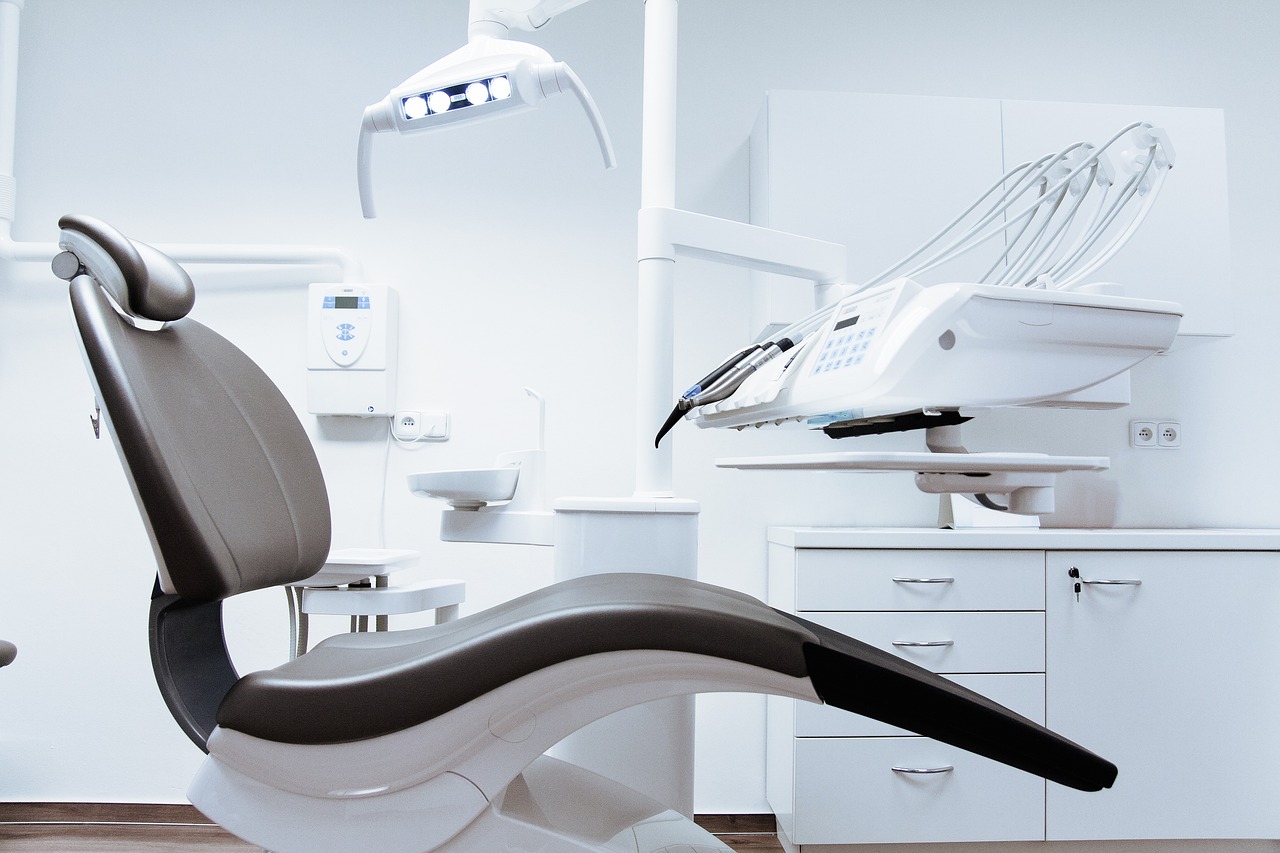
The Step-by-Step Journey: From Consultation to Cryopreservation
Navigating a medical procedure abroad can feel daunting, but the process in Spain is remarkably streamlined.
- Step 1: Initial Evaluation & Shared Care: Most clinics begin with a virtual consultation. You will likely be asked to perform an AMH (Anti-Müllerian Hormone) blood test and an antral follicle count ultrasound at a local clinic in your home city. This allows the Spanish doctors to tailor your hormone protocol before you even book your flight.
- Step 2: Ovarian Stimulation (10–14 Days): This is the primary phase of the treatment. You will self-administer daily hormone injections to encourage your ovaries to produce multiple eggs. While you can start this at home, many women choose to arrive in Barcelona for the final week of stimulation to ensure they are monitored daily by the doctors who will perform the retrieval.
- Step 3: The Retrieval: Once the follicles reach the optimal size, you will receive a "trigger shot." Exactly 36 hours later, the retrieval takes place. The procedure is minor, performed under light sedation, and usually takes only 20 to 30 minutes. You’ll be able to walk out of the clinic within a few hours.
- Step 4: Vitrification: Your eggs are immediately assessed for maturity and frozen using vitrification—a "flash-freezing" method that prevents ice crystals from forming, ensuring a survival rate of over 90% when they are eventually thawed.

Legal & Safety: What International Patients Need to Know
One of the most common questions I receive involves the legal security of freezing eggs abroad. Spain’s laws are not only progressive but also highly regulated.
Rights for Single Women and LGBTQ+ Patients: Spanish law guarantees that any woman over the age of 18, regardless of marital status or sexual orientation, has the right to access fertility treatments. This is a sharp contrast to countries like China or Singapore, where egg freezing for single women is often restricted or outright banned.
The Anonymity Law: It is important to note that Spain mandates anonymity for egg and sperm donors. While this may not directly affect you if you are freezing your own eggs, it is a hallmark of the Spanish system’s focus on privacy and altruism.
Age Limits: While there is no strict legal "cutoff" for egg freezing, most clinics in Barcelona will perform the procedure up until age 50, provided the patient is in good health. However, doctors will provide a realistic assessment of success rates based on your age at the time of freezing.

Travel Logistics: Planning Your Fertility Trip
To make the most of your time in Barcelona, planning is key. You aren't just a patient; you are a traveler in one of the world's most vibrant cities.
Timing Your Stay: I recommend a "grace period" stay of 21 days. This covers the most critical monitoring window and accounts for any variability in how your body responds to the hormones. If your cycle goes faster than expected, you simply have more time to enjoy the tapas and the beach.
Choosing the Right Neighborhood:
- Eixample: This is the heart of Barcelona’s medical district. It’s safe, walkable, and filled with "Health & Wellness" cafes. Most top clinics like Reproclinic and Fertilab are located here or nearby.
- Gràcia: For a more "local" and quiet feel, Gràcia offers beautiful plazas and a slower pace of life, ideal for the recovery days following the retrieval.
Managing "Shared Care": Ensure your local OB/GYN is willing to perform "monitoring only" appointments. Many doctors are happy to help, but it’s best to secure this arrangement early so you can seamlessly transmit your ultrasound results to your Barcelona team.

FAQ
Is it safe to fly immediately after the egg retrieval?
While the procedure is minor, there is a small risk of Ovarian Hyperstimulation Syndrome (OHSS) or mild bloating. Most doctors recommend waiting 48 to 72 hours after the retrieval before boarding a long-haul flight. This allows your body to stabilize and ensures you are near your medical team should any discomfort arise.
Can I ship my eggs back to my home country later?
Yes. Cryopreserved eggs can be transported globally using specialized medical courier services like Cryoport. However, many women choose to return to Spain for the eventual IVF process because the costs of embryo transfer are also significantly lower than in the US.
Do clinics in Barcelona speak English?
Absolutely. Because Barcelona is a global hub for reproductive tourism, almost every major clinic has a dedicated international department where the doctors, nurses, and coordinators speak fluent English, French, and often Italian or German.
Conclusion
The decision to freeze your eggs is a profound act of self-care and future-planning. By choosing Barcelona, you are not just opting for a more affordable price tag; you are choosing a healthcare system that values your autonomy and a city that provides the perfect backdrop for physical and emotional healing.
If you have been put off by the astronomical costs of fertility care in your home country, I encourage you to look toward the Mediterranean. The technology is world-class, the laws are on your side, and the experience—if approached with the right planning—can be one of the most empowering journeys of your life.
James Wright is a senior travel critic specializing in the intersection of policy, wellness, and global destinations. He has spent the last decade documenting the rise of specialized medical tourism hubs.