Quick Facts
- Currency & Payments: Primarily cashless via Visa/Apple Pay, but keep small change for local hawker centers.
- Public Transport: Highly efficient with 6 MRT lines and 400+ bus services; eating or drinking inside is strictly prohibited.
- Local Etiquette: Reserving seats with tissue packets ('chope-ing') is a standard practice in food centers.
- Legal Landscape: Strict enforcement of laws regarding littering, gum, and public hygiene with fines starting at SGD 300.
- Social Norms: Tipping is not expected, and removing shoes before entering homes or temples is essential.
Introduction: Beyond the 'Fine City' Souvenirs
Stepping out of the air-conditioned perfection of Changi Airport, most travelers are greeted by a heat so thick it feels like a physical embrace. But before you even reach the taxi stand, you’ll likely see the ubiquitous t-shirts sold in every souvenir shop: "Singapore: A Fine City." It’s a clever double entendre. Singapore is, undeniably, a fine city—clean, safe, and impeccably organized. However, it is also a city of fines.
As a destination editor who has navigated the intersection of colonial history and hyper-modernity across Southeast Asia, I’ve found that Singapore’s reputation for being "clinical" often overshadows its vibrant, multicultural soul. The rules here aren't designed to stifle tourists; they are the gears that keep a city-state of nearly six million people functioning on a tiny island. To travel like a local, you must understand the unwritten social contract that governs everything from how you order coffee to how you hold your seat at lunch.
1. Navigating Customs: The 'Strict' Rulebook
Before you even clear immigration, the rulebook begins. Singapore’s customs laws are legendary for their rigidity, and for good reason—they prioritize public health and safety above all else.
What are the most important laws for tourists in Singapore? Tourists must strictly avoid littering, spitting, and jaywalking. The importation of chewing gum is banned (unless for medicinal purposes with a prescription), and vapes or e-cigarettes are entirely illegal to possess. These offenses carry strictly enforced fines ranging from SGD 300 to over SGD 1,000, and in some cases, can lead to more severe legal repercussions.
It is also crucial for travelers with ADHD or chronic pain to note that certain controlled medications require approval from the Health Sciences Authority (HSA) at least 48 hours prior to arrival. Don't assume your prescription from home is an automatic pass; a little digital paperwork can save you a stressful encounter at the border.
2. Pack for Two Climates: Tropical Heat vs. Arctic AC
The geographical reality of Singapore is a consistent 32°C (90°F) with humidity that often hovers around 80%. However, the moment you step into a shopping mall, a cinema, or an MRT station, you will be plunged into what I call the "Singaporean Arctic." The air conditioning here is set to "refrigerator" levels.
When packing, think in layers. Light linen or moisture-wicking fabrics are your best friends for the outdoor humidity, but always carry a versatile "AC sweater" or a light pashmina. If you’re planning a day of exploring the colonial heritage of the Civic District followed by a movie at Orchard Road, you will likely need at least one clothing change. Local life involves a lot of showering—don't be surprised if you find yourself wanting three a day.
3. Master the MRT Etiquette
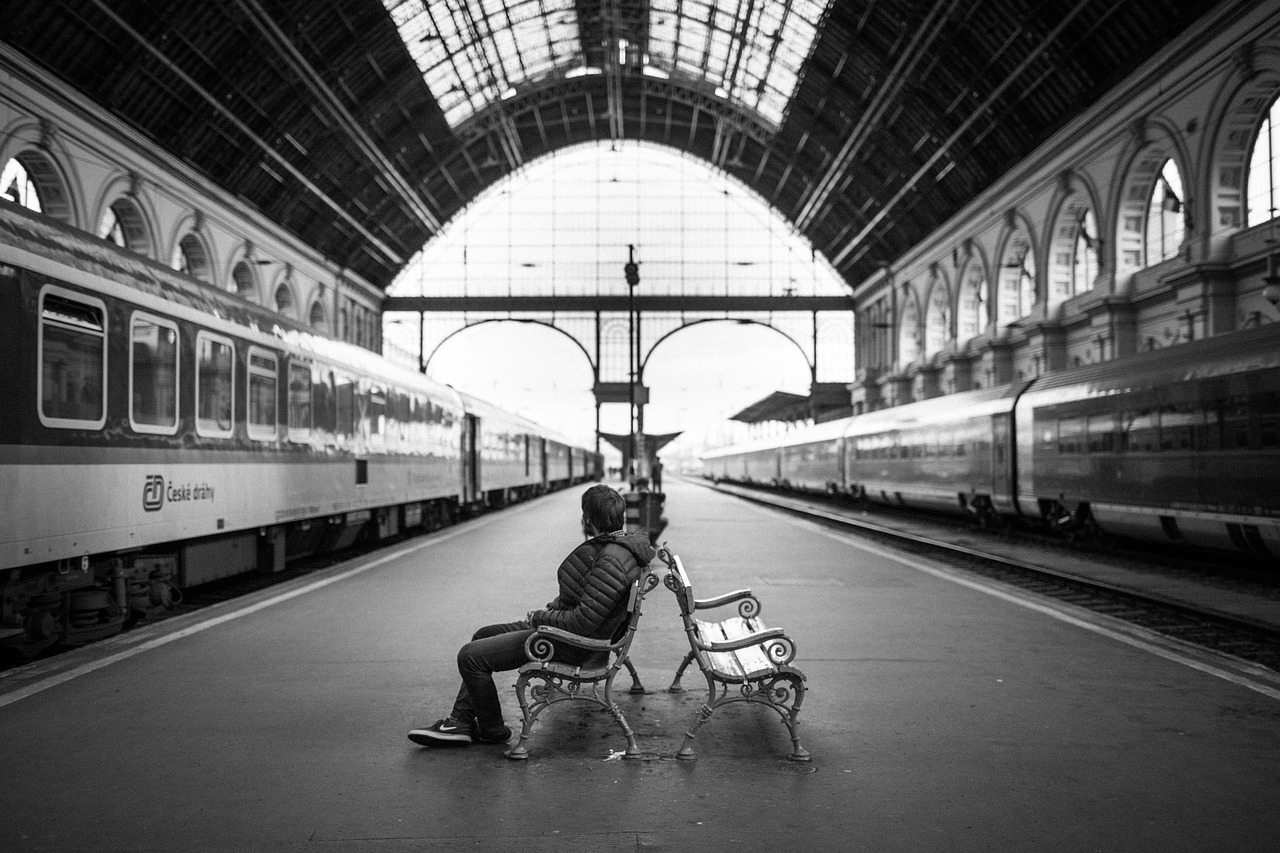
Singapore’s public transport efficiency is the envy of the world, supported by a network of six subway lines and nearly 400 bus services used by over 50% of the population daily. Because the system is so heavily utilized, the rules are non-negotiable.
Can you eat on Singapore's public transport? No, eating or drinking (including chewing gum or even sipping coffee) is strictly prohibited on MRT trains, buses, and inside stations. While plain water is occasionally overlooked by staff in cases of medical need, the official rule is a total ban. Violators can face fines of up to SGD 500.
Beyond the fines, there is a social rhythm to the MRT. Always join the queues at the platform indicators, move toward the middle of the carriage to allow others to board, and—this is vital—offer your seat to the elderly, pregnant women, or those with disabilities. During peak hours (7–9 AM and 5:30–7:30 PM), the trains become "quiet carriages" of sorts; while not an official rule, speaking loudly on your phone or playing music without headphones is considered a significant social faux pas.
4. The Hawker Center 'Chope-ing' Ritual
If you want to experience the true heart of Singapore, you go to the hawker centers. Places like Maxwell Food Centre or Lau Pa Sat are where the city’s various ethnicities—Chinese, Malay, Indian, and Eurasian—meet over plates of Hainanese Chicken Rice or Laksa. But in these crowded arenas, the law of the land is "chope-ing."
What is 'chope-ing' in Singapore? 'Chope-ing' is the local practice of reserving a seat at a crowded hawker center by placing a packet of tissues (or sometimes an umbrella or a lanyard) on an empty table before you go to order your food. It is a respected unwritten rule that signifies the table is occupied.
If you see a table with a lone packet of 7-Eleven tissues on it, keep walking. It’s taken. Conversely, do as the locals do: find a spot, "chope" it with your own pack of tissues, and then join the queue for your Char Kway Teow. To speed things up, decide on your order before you reach the front of the line; hawker uncles and aunties value efficiency and have little patience for indecision.
5. Decode the Coffee (Kopi) Lingo
While Singapore has a thriving third-wave coffee scene, the traditional Kopitiam (coffee shop) remains the soul of the morning routine. Ordering here is an art form using a specific suffix system. If you just ask for "coffee," you’ll likely get a confused look or a default cup of pre-sweetened coffee with condensed milk.
To order like a seasoned local, use this guide:
| Term | Meaning |
|---|---|
| Kopi | Coffee with condensed milk and sugar |
| Kopi-O | Black coffee with sugar (O = "black" in Hokkien) |
| Kopi-C | Coffee with evaporated milk and sugar (C = Carnation brand) |
| Kopi-O Kosong | Black coffee, no sugar (Kosong = "empty" in Malay) |
| Siew Dai | Less sugar |
| Ga Dai | More sugar |
| Peng | Iced |
Try a "Kopi-C Siew Dai" for a creamy, slightly less sweet start to your day, paired with a plate of Kaya Toast (coconut jam) and soft-boiled eggs.
6. Cash vs. Cashless: The Digital Toolkit
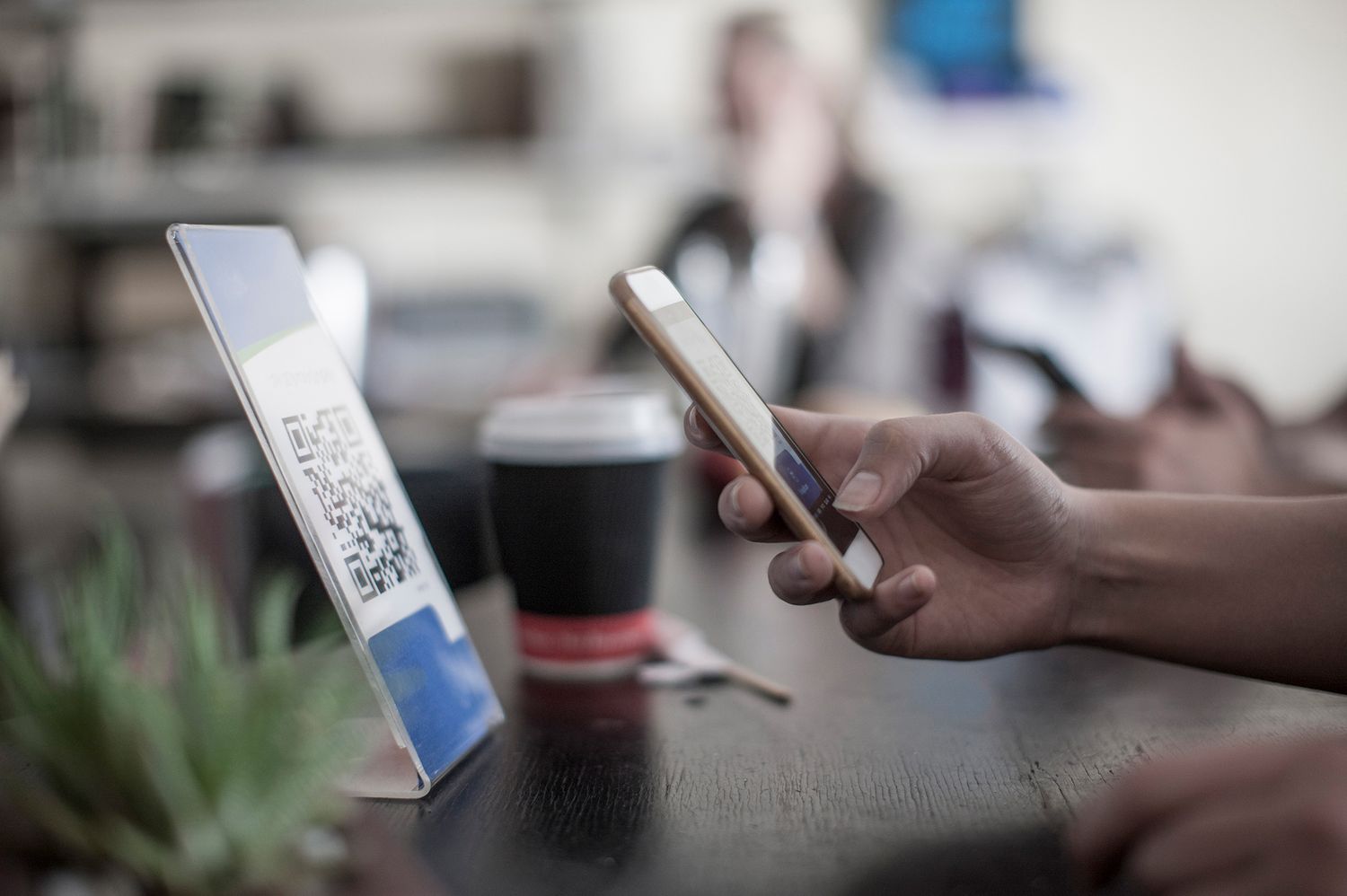
Singapore is rapidly moving toward a cashless society. You can tap your Visa, Mastercard, or Apple Pay at any MRT gantry or on any bus without needing a dedicated transport card. Most restaurants and retail stores prefer digital payments.
However, the "Cash is King" rule still applies in two specific areas: older hawker stalls and traditional wet markets. Many stalls in neighborhood centers (HDB hubs) may only take cash or local "PayLah!" transfers which require a local bank account. Always keep at least SGD 20-30 in small notes for these culinary adventures.
For navigation and transport, download Grab or Gojek (the regional equivalents of Uber). While the MRT is fantastic, sometimes a late-night ride back from the bars at Clarke Quay is necessary, and these apps offer fixed, transparent pricing.
7. The 'No-Shoes' and Tipping Policy
Social etiquette in Singapore is rooted in respect and communal harmony. One of the most important rules to remember is the shoe policy. If you are invited to a Singaporean’s home, look at the doorstep. If there are shoes outside, yours should join them. This also applies to many temples and even some traditional shops.
Regarding tipping: it is simply not part of the culture. In most restaurants, you will see a "10% service charge" and "9% GST" (Goods and Services Tax) added to your bill—often referred to as "plus-plus" (++). Because of this service charge, additional tipping is not expected or required. In hawker centers or taxis, keep your change; no one expects a tip, and in some cases, they might even try to chase you down to return the "forgotten" money.
8. Environmental Respect: Littering & Fines
The pristine streets of Singapore aren't an accident; they are the result of rigorous public education and strict penalties. As an editor who appreciates the historical context of urban planning, I find Singapore’s "Clean and Green" campaign—started by founding father Lee Kuan Yew—fascinating for its sheer effectiveness.
How are littering penalties structured in Singapore? Littering penalties are highly structured: first-time offenders caught throwing small items (like cigarette butts or candy wrappers) are typically fined SGD 300 on the spot. Repeat offenders face escalated fines of up to SGD 1,000 and may be sentenced to a Corrective Work Order (CWO), which involves cleaning public areas while wearing a bright luminous vest to encourage public shaming.
Another minor but important rule: always flush. Public hygiene is taken seriously, and there is technically a fine of up to SGD 150 for failing to flush a public toilet. While it’s rarely enforced by "toilet police," it’s a fundamental part of the local civic duty.
9. Embrace 'Singlish' and Local Rhythms
English is the primary language of business and education, but the unofficial language of the heart is Singlish. This fascinating patois blends English with Mandarin, Hokkien, Malay, and Tamil. You don’t need to master it, but understanding its rhythm will help you connect with locals.
Words like "Lah" (used for emphasis), "Can" (meaning "Yes, I can" or "That's possible"), and "Shiok" (meaning delicious or fantastic) are the seasoning of Singaporean conversation. If a hawker asks, "Have you eaten?" they aren't necessarily inviting you to lunch—it’s a traditional greeting akin to "How are you?" Embracing these small linguistic quirks builds immediate rapport and shows you are more than just a transient tourist.
10. Venture Beyond the 'Glossy' Icons
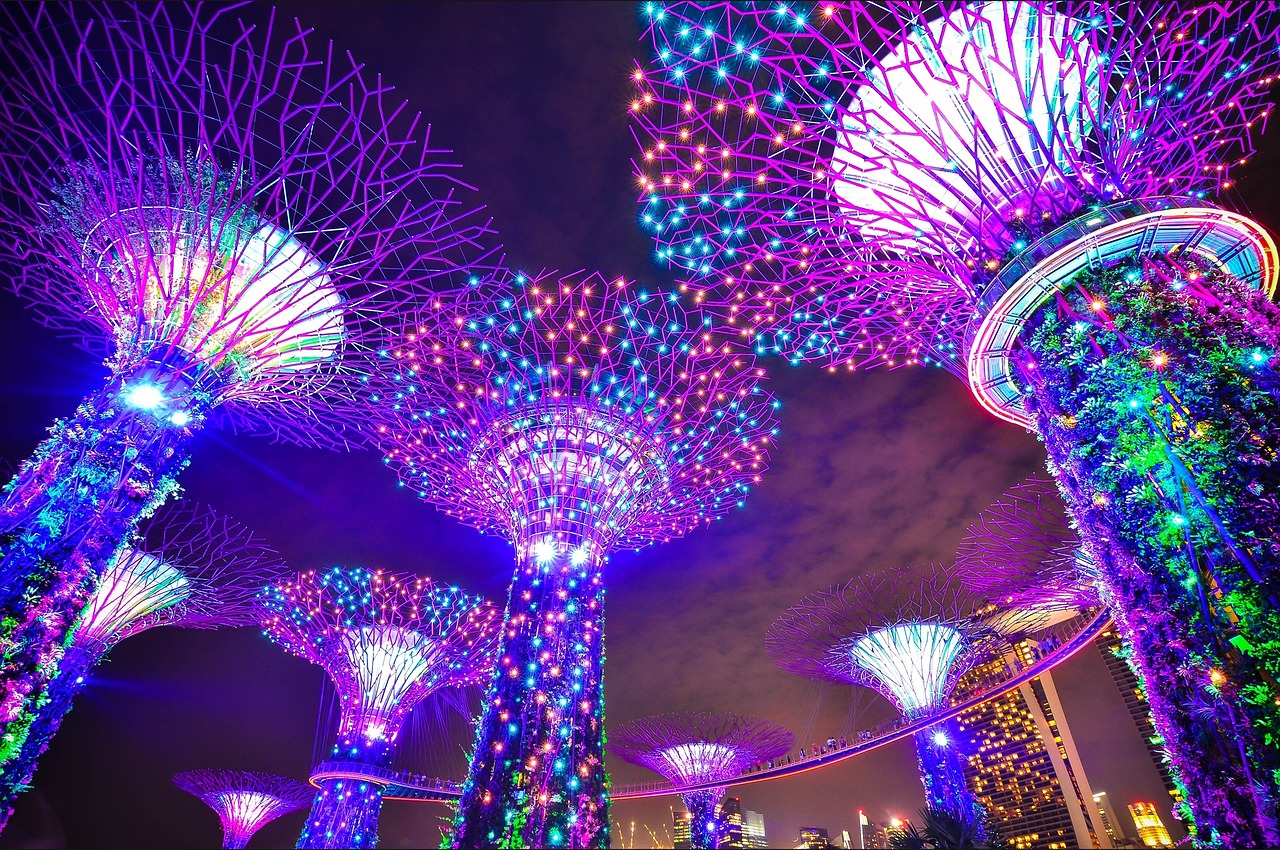
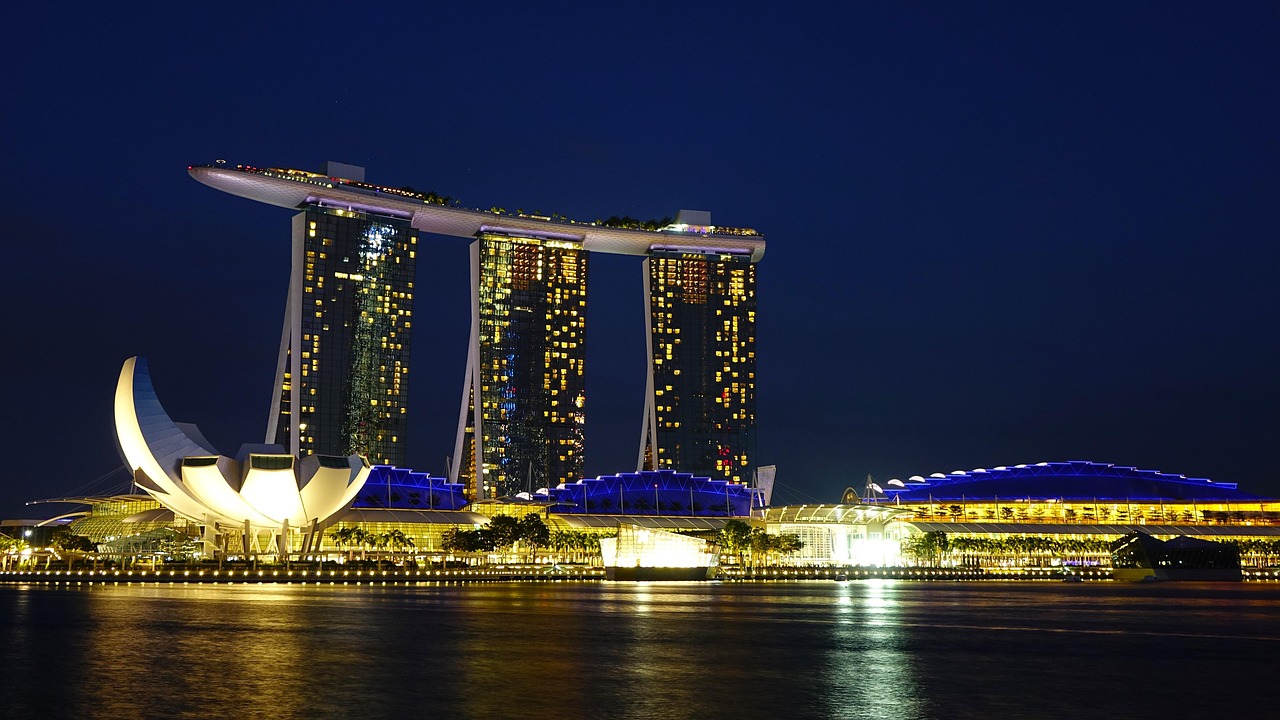
Most visitors spend their time between the "Supertrees" of Gardens by the Bay and the luxury shops of Marina Bay Sands. While these are architectural marvels, they represent only one facet of the city. To find the "real" Singapore, you must head into the heartlands.
I highly recommend spending an afternoon in Tiong Bahru, an Art Deco neighborhood that houses one of the city’s best markets and several independent bookstores. Alternatively, head to Katong and Joo Chiat to explore Peranakan (Straits Chinese) heritage. Here, the architecture is defined by colorful shophouses, and the food—like the famous Katong Laksa—is a testament to the city’s deep cultural roots.
For those who want to see the "City in a Garden" concept in action, the Southern Ridges walk offers a 10-kilometer canopy trail through the forest, connecting several parks and providing a stunning view of the harbor and the southern islands.
11. The Changi Experience: Don't Rush Out
Finally, treat Changi Airport as your final destination rather than just a transit point. It has been voted the world's best airport for a reason. Most travelers rush through to catch their flight, but I suggest arriving at least 3-4 hours early for your departure.
The Jewel Changi, a nature-themed entertainment and retail complex, features the Rain Vortex—the world's tallest indoor waterfall. Beyond the shops, you’ll find a butterfly garden in Terminal 3, free 24-hour cinemas, and even a rooftop swimming pool. It is the perfect microcosm of Singapore itself: efficient, lush, and surprisingly entertaining.

FAQ: Common Singapore Travel Questions
Is it safe to walk alone at night in Singapore? Yes, Singapore is consistently ranked as one of the safest cities in the world. Violent crime is extremely low, and it is generally safe to walk alone at night in almost any part of the city. However, normal travel precautions regarding your belongings still apply.
Do I need a visa to visit Singapore? Most Western nationalities (including US, UK, EU, and Australian citizens) can enter Singapore visa-free for up to 90 days. However, all travelers must submit an SG Arrival Card (SGAC) online within three days before arrival.
What should I do if I accidentally bring chewing gum into the city? Don't panic. The ban is primarily on the importation (bringing in large quantities for sale) and the sale of gum. If you have a half-empty pack in your pocket for personal use, you are unlikely to be arrested, but it is best to dispose of it discreetly in a trash bin and avoid chewing it in public to stay on the safe side of the law.
Conclusion & CTA
Singapore is a masterclass in how a city can be both a futuristic powerhouse and a bastion of tradition. By respecting the "chope," mastering the "Kopi" order, and keeping your snacks off the MRT, you do more than just avoid fines—you show respect for a culture that prides itself on harmony and efficiency.
Ready to explore the Lion City beyond the headlines? Start planning your itinerary by diving into our deeper guides on the best hawker stalls in Maxwell and the hidden heritage of Tiong Bahru.