Quick Facts
- Best Time to Visit: April to June or September to October to avoid the peak heat and the mid-August Ferragosto crowds.
- Driving Side: Right-hand side of the road.
- Navigation Tip: Download offline maps; while GPS is generally reliable, remote areas in Sicily and the Alps can have spotty cellular service.
- Car Rental: Book automatic transmissions at least 3-6 months in advance; manuals are the standard in Italy and automatics command a premium.
- Must-Have: An International Driving Permit (IDP) is legally required for non-EU license holders.
Introduction: The Magic of the Italian Open Road
There is a specific kind of liberation that only an Italian road trip can provide. It’s the sensation of shifting gears as the scent of wild rosemary wafts through an open window, or the way the light catches the crumbling ochre facade of a hilltop hamlet just as the sun begins to dip. As we look toward 2025, Italy remains the zenith of European exploration. Recent traveler data indicates a staggering 4.6/5 average satisfaction rating for organized tours, but for those who prefer to hold the wheel, the rewards are even more intimate.
The current travel landscape is seeing a renaissance of the "slow drive." Major tour operators have served over 750,000 guests on Italian routes since 1945, and current trends show a 36% increase in bookings for the 2025-2026 season. Whether you are seeking the dramatic alpine passes of the north or the sun-bleached coastal loops of the south, choosing the right route is paramount.
For those chasing the ultimate coastal scenery, the drive from Naples to Salerno along the Amalfi Coast is widely considered the best in the country, offering iconic cliffside views and lemon-scented air over a concentrated 4.5-hour duration. Conversely, if your heart is set on the rugged, volcanic soul of the south, a scenic tour of Sicily typically requires about 6 to 10 days to fully appreciate the UNESCO sites and coastal stretches. From the snow-capped peaks to the turquoise Tyrrhenian, here are the five best Italy road trips for 2025.
1. The Amalfi Coast: Naples to Salerno
The SS163, often referred to as the "Nastro Azzurro" (Blue Ribbon), is perhaps the most famous stretch of tarmac in the world. Carved into the cliffs of the Sorrentine Peninsula, this route is the definitive answer for those seeking world-class coastal scenery. While the actual driving time from Naples to Salerno is approximately 4.5 hours, attempting this in a single day would be a cinematic sin.
Starting in Naples, the drive quickly transitions from urban chaos to the refined elegance of Sorrento. As you navigate the hairpin bends, the landscape transforms into a vertical world where pastel houses cling to limestone cliffs and lemon groves cascade down terraced slopes. The stretch between Positano and Amalfi is the highlight, where the road narrows and the views expand into a seemingly infinite Mediterranean blue.
Key Stops & Experiences
- Positano: Wander the "Scalinatella" (staircases) and browse for handmade linen.
- Amalfi: Visit the Cathedral of St. Andrew with its striking striped facade.
- Ravello: Perched high above the sea, the gardens of Villa Cimbrone offer the "Infinity Terrace," a view that Gore Vidal once called the finest in the world.
Where to Stay For unparalleled luxury, Le Sirenuse in Positano remains the gold standard of Italian hospitality. However, for a more grounded, authentic experience, consider Agriturismo Fattoria Terranova near Sorrento, where the farm-to-table breakfast is served amidst the fragrance of orange blossoms.
2. Sicily: A 10-Day Mediterranean Odyssey
Sicily is not a region you simply visit; it is a continent you explore. To truly grasp the layers of Greek, Roman, Arab, and Norman history, a standard scenic tour covering Palermo, Taormina, and Agrigento typically requires about 6 to 10 days. This allows for the necessary "slow time" to digest both the heavy history and the equally heavy (but delicious) cannoli.
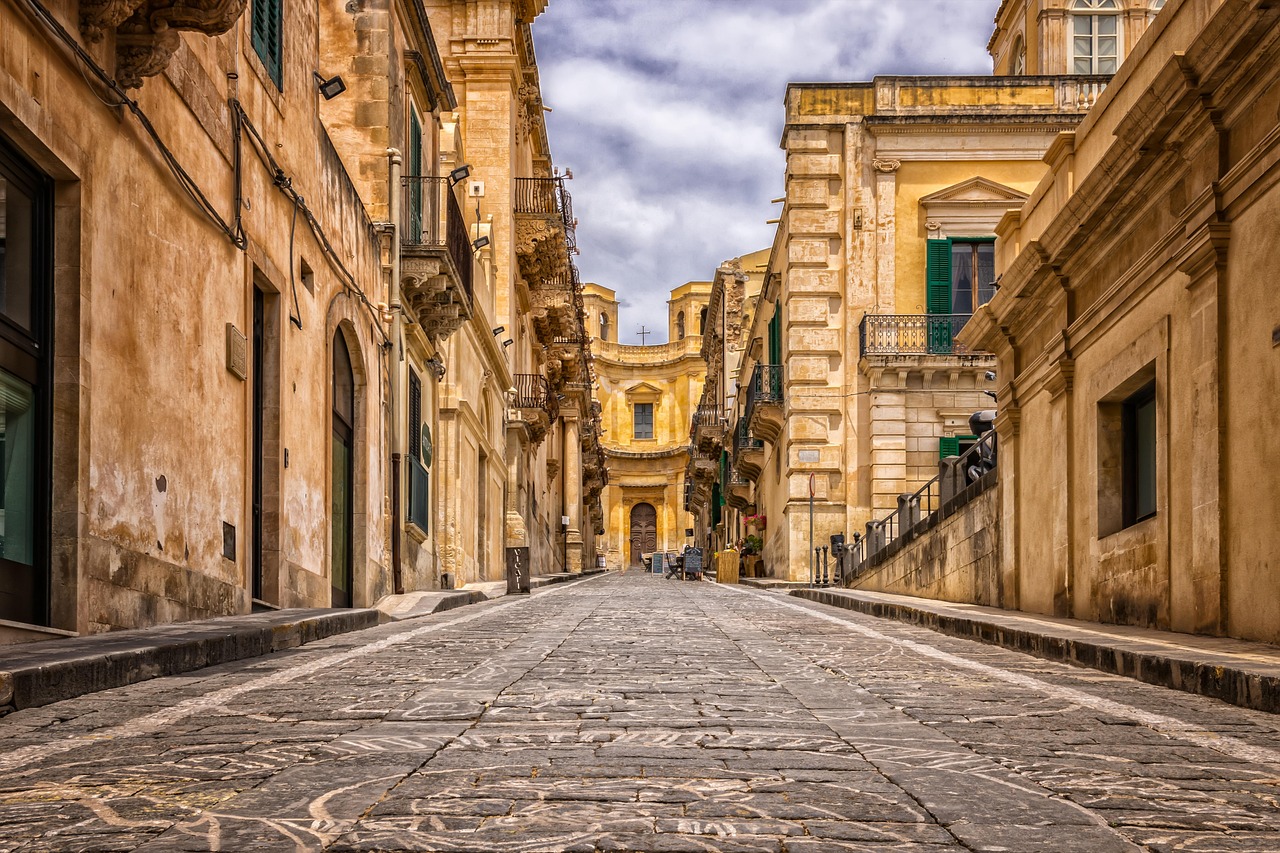
Beginning in the grit and glamour of Palermo, head south toward the Valley of the Temples in Agrigento. Here, the ancient world feels remarkably close as you walk among Doric columns that have stood for over two millennia. The route then sweeps through the late-Baroque towns of the Val di Noto—Modica, Ragusa, and Noto—where the architecture glows like honey in the late afternoon sun.
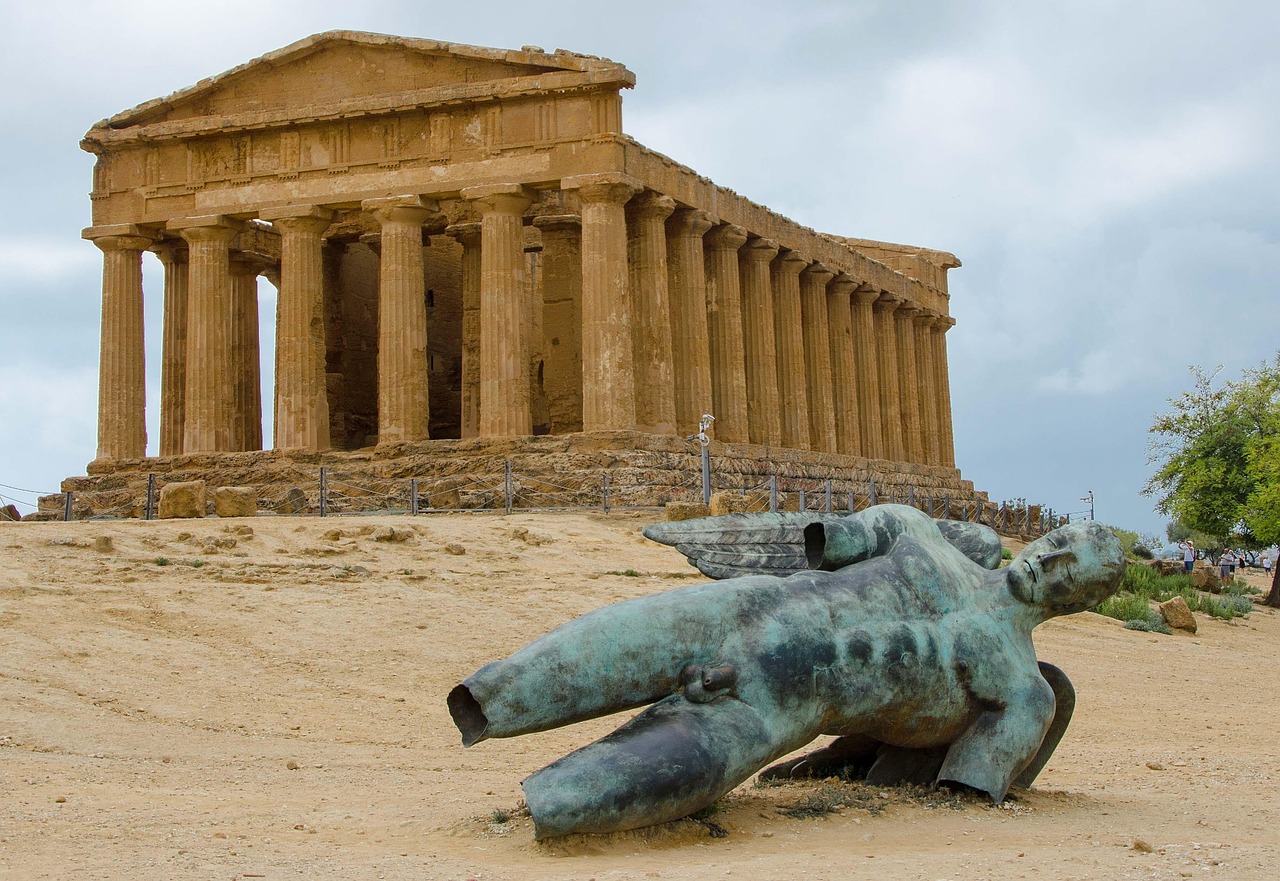
The Volcanic Finale The journey culminates on the eastern coast with the silhouette of Mount Etna looming over Taormina. Driving up the winding roads of Europe’s most active volcano is a surreal experience, shifting from lush vineyards to a stark, lunar landscape of black lava rock. For hikers, the window between June and September offers the best visibility and safest conditions for summit treks.
"Sicily is the key to everything," Goethe once wrote. In 2025, that key is best found in the driver's seat of a compact car, navigating the island's rugged interior where the traditions of 'cucina povera' remain untouched by time.
3. The Alps to Milan: Across the Great Divide
For those who prefer the crisp air of the mountains to the salt spray of the sea, the route from Lausanne to Milan via the Alps is the most scenic driving route in Northern Italy. This journey is a masterclass in topographical transition, taking you from the manicured vineyards of Switzerland into the dramatic granite peaks of the Italian border.
The drive through the Simplon Pass offers the kind of hairpin bends that driving enthusiasts dream of. As you cross into Italy, the landscape softens into the Italian Lake District. Lake Maggiore, often overlooked in favor of its neighbor Como, offers a more serene and aristocratic atmosphere. The town of Stresa serves as the perfect base to explore the Borromean Islands—palatial estates floating in the middle of the lake.
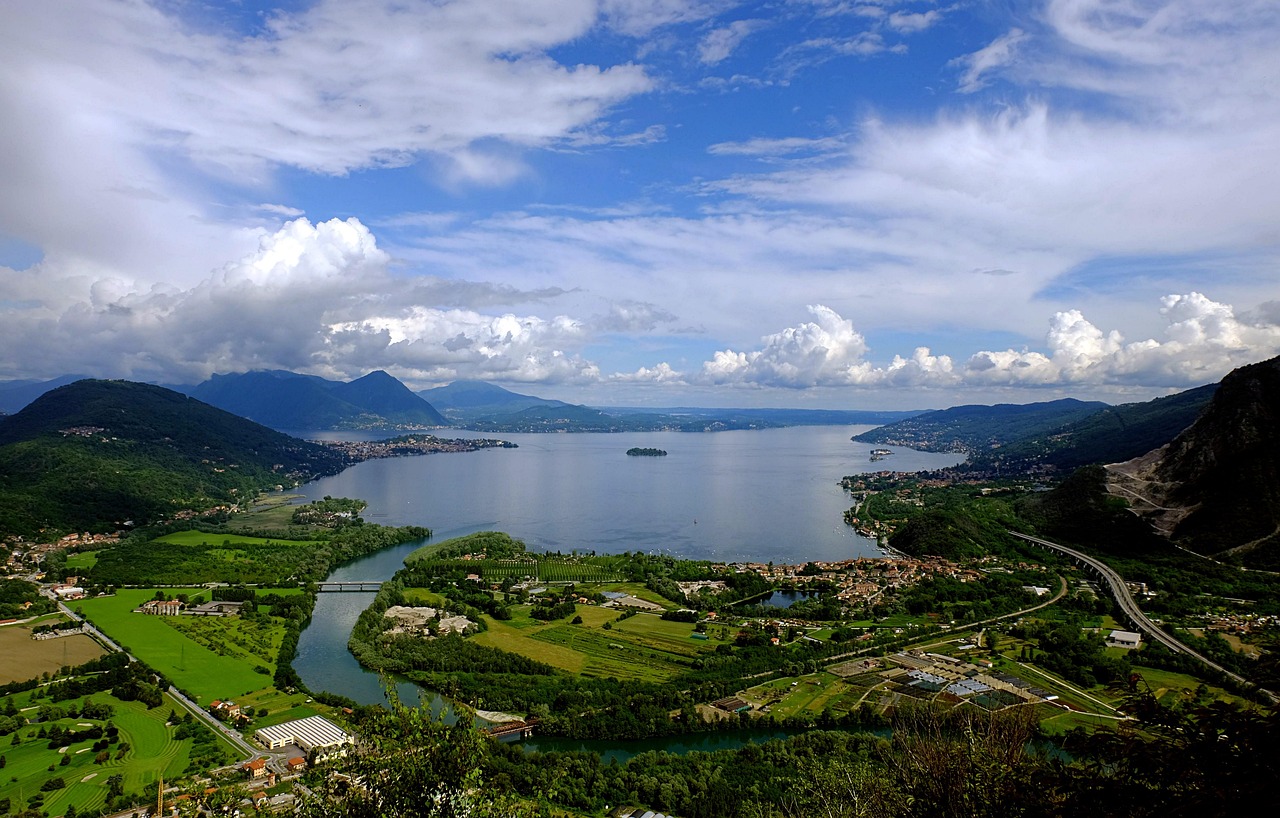
Vibe: Alpine Chic meets Milanese Bohemian
- Chexbres, Switzerland: Stop here for a glass of crisp Chasselas overlooking the Lavaux vineyards.
- Stresa, Italy: Walk the lakeside promenade lined with Belle Epoque villas.
- Milan: End your journey in the Brera district, where the luxury of the mountains meets the high-fashion pulse of Italy’s financial capital.
4. Tuscany: The Figure-Eight Wine Tour
Tuscany is the quintessential Italian road trip, a landscape so perfectly composed it feels curated. To see it properly, I recommend a "figure-eight" route starting in Florence, heading south through the Chianti hills to Siena, and then looping through the Val d'Orcia before returning via San Gimignano.
This is a trip defined by "The Sagra"—local food festivals celebrating everything from truffles to wild boar. In the Val d'Orcia, the scenery is a rolling sea of green (in spring) or gold (in summer), punctuated by the iconic rows of cypress trees that lead to ancient farmhouses.
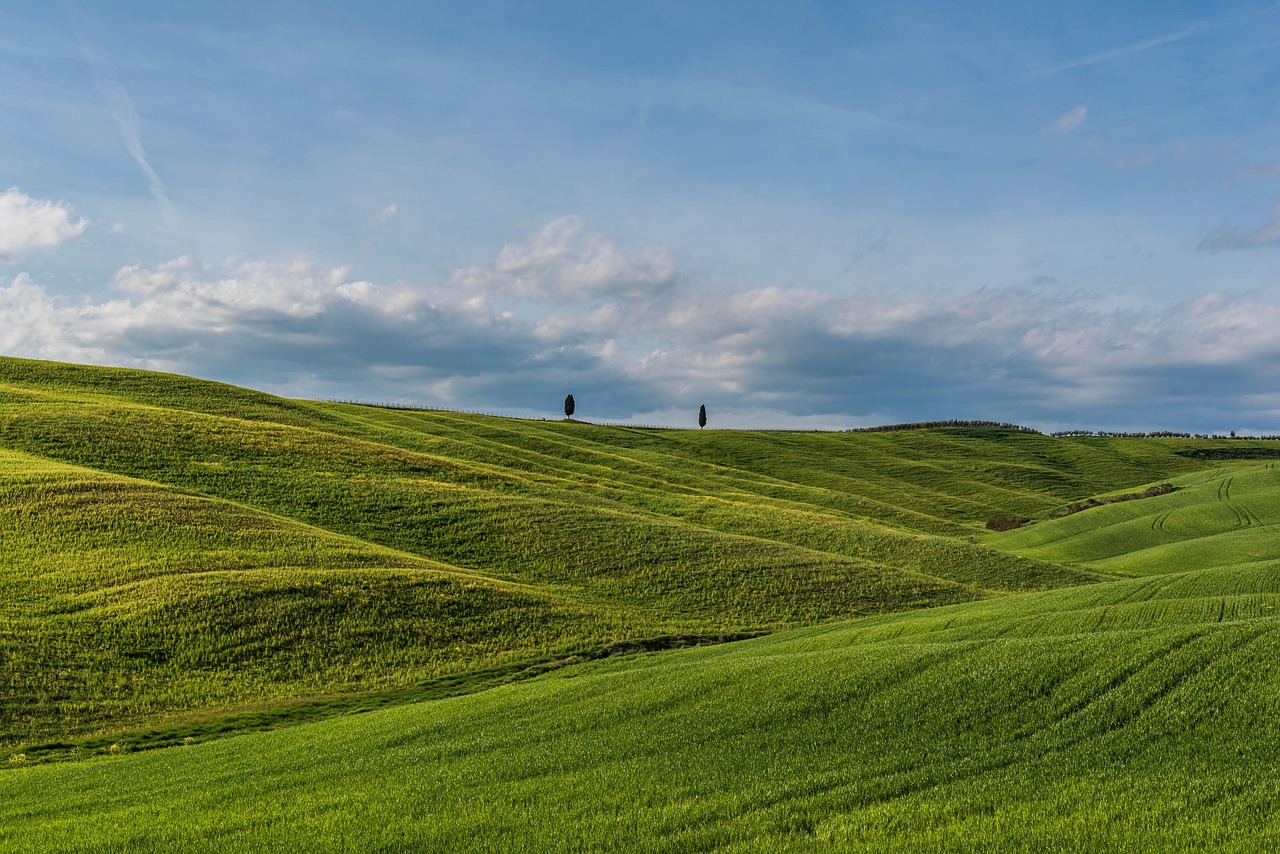
The Art of the Truffle Beyond the wine, Tuscany is a playground for gastronomes. A stop at Tenuta Torciano near San Gimignano offers more than just a tasting; it's an education in the "patchwork of local cultures" that defines the region. San Gimignano itself, known as the "Medieval Manhattan" for its thirteen remaining stone towers, offers a vertical contrast to the horizontal expanse of the vineyards.
5. Puglia: The Bari to Salento Coastal Loop
Puglia, the "heel" of the Italian boot, offers a different flavor of Italy—one that is sun-baked, limestone-white, and fiercely traditional. This route is a loop that starts in the port city of Bari and winds down the Adriatic coast to the very tip of the peninsula at Santa Maria di Leuca, before returning up the Ionian side.
The architecture here is the star. In Alberobello, you’ll find the Trulli—conical limestone dwellings that look like something out of a fairytale. In Lecce, the "Florence of the South," the Baroque carvings are so intricate they are said to resemble "frozen lace."

Coastal Highlights
- Polignano a Mare: Famous for its beach tucked between two high limestone cliffs.
- Punta Prosciutto: Don't let the name (Ham Point) fool you; these are some of the clearest turquoise waters in Europe, featuring white-sand dunes that rival the Caribbean.
- Cucina Povera: Be sure to eat Orecchiette con cime di rapa (ear-shaped pasta with turnip tops) in a local osteria.
Essential Italy Road Trip Planning 2025
Driving in Italy is an exhilarating experience, but it requires a strategic approach to avoid the logistical pitfalls that can dampen the spirit of the road.
ZTL Zones: The Silent Budget Killer Perhaps the most important tip for 2025 is understanding the Zona a Traffico Limitato (ZTL). Most historic Italian city centers are off-limits to non-resident vehicles. These zones are monitored by cameras, and even an accidental entry can result in a fine of €100 or more, often delivered to your home months after the trip.
2025 Cost Breakdown (Average Daily per Person)
- Mid-Range Lodging: €120 - €180
- Food (Osteria/Trattoria): €50 - €80
- Car Rental & Fuel: €70 - €110 (depending on vehicle class)
Comparison: Choosing Your Route
| Route | Best Time to Visit | Recommended Duration | Primary Vibe |
|---|---|---|---|
| Amalfi Coast | May / September | 3–5 Days | Dramatic Coastal Luxury |
| Sicily Odyssey | June / September | 7–10 Days | Ancient History & Volcanoes |
| Alps to Milan | July / August | 4–6 Days | Mountain Vistas & Glitzy Lakes |
| Tuscany Loop | April / October | 5–7 Days | Wine, Art & Rolling Hills |
| Puglia Coast | June / September | 6–8 Days | Turquoise Seas & Folk Tradition |
FAQ
What is the best road trip in Italy for coastal scenery? The drive from Naples to Salerno along the Amalfi Coast (SS163) is the gold standard. It offers the most dramatic cliffside views, iconic colorful villages, and a quintessentially Mediterranean atmosphere.
How long does a road trip across Sicily take? To fully appreciate Sicily’s vast UNESCO heritage sites, volcanic landscapes, and beaches, you should plan for 6 to 10 days. A shorter trip often feels rushed due to the island’s winding roads and wealth of historical stops.
Is it difficult to drive in Italy? While highways (Autostrade) are excellent, city driving can be frantic. The key is to avoid driving inside city centers (ZTL zones) and to always book a small car to navigate the narrow village lanes comfortably.
Conclusion
Italy in 2025 remains a destination that rewards the curious and the mobile. Whether you are navigating the white-knuckle bends of the Amalfi Coast or the ancient, sun-drenched plains of Sicily, the road is where the true heart of Italy reveals itself. It’s found in the unexpected espresso stop at a roadside bar, the local farmer selling peaches from the back of an Ape truck, and the golden hour light that makes every mile feel like a scene from a classic film. Pack light, drive slow, and let the Italian landscape do the rest.