Quick Facts
- The Milestone: In 2019, Jessica Nabongo became the first Black woman on record to visit every country in the world (all 195 UN-recognized nations).
- The Solo Stat: Out of those 195 countries, Nabongo navigated 89 of them entirely solo, proving that independence is a skill, not just a preference.
- Safety Perspective: Her philosophy centers on "releasing fear" and trusting in the "kindness of strangers," a mindset shift that redefines solo female travel.
- Global Pace: As a professional explorer, she maintained a blistering pace, recording a total of 95 flights in a single year during her 2023 expeditions.
Introduction: The Power of Stepping Out Alone
I’ve spent a decade bush-whacking through the Amazon and sleeping under the stars in the Sahara, but when I look at Jessica Nabongo’s resume, even I take notes. We are entering a new era of exploration—what many are calling the "Era of Intentional Joy." It’s no longer just about ticking boxes on a map; it’s about the profound personal evolution that happens when you cross a border with nothing but a passport and your own intuition.
Nabongo didn't just visit every country; she did it with a specific grace that demystified the "dangerous world" narrative. During her journey, she successfully navigated 89 different countries as a solo female traveler. That isn't just a statistic; it's a masterclass in resilience. Her experience challenges the travel industry's often narrow view of safety and accessibility. Whether she was catching one of her 95 flights in a single year or negotiating a market in a city most people couldn't find on a map, her approach remained the same: lead with curiosity, not suspicion.
For the solo female traveler—and specifically for women of color—Nabongo’s journey is a blueprint. It’s about moving past the "what ifs" and stepping into a world that, more often than not, is ready to welcome you with open arms.
1. Connect Through the 'Common Ground' Strategy
One of the biggest hurdles solo travelers face isn't logistics—it's loneliness. Or worse, the "bubble effect," where you stay so insulated in your headphones and Google Maps that you never actually speak to a local. Jessica Nabongo’s secret weapon for breaking the ice is what I call the "Common Ground" strategy.
How can solo travelers best connect with locals? Nabongo suggests finding universal threads—family, food, or hobbies—to break down cultural barriers. You don’t need to be fluent in the local dialect to ask someone about their kids or compliment a chef on a meal. These are the human bridges that turn a "tourist visit" into a meaningful exchange.
If you’re naturally an introvert, Nabongo has a pro-tip that I’ve used myself on solo treks: "Pretend to be an extrovert" for short-term bursts. You don't have to be the life of the party for 24 hours. Just commit to being outgoing for ten minutes—long enough to strike up a conversation with the person selling fruit or the artisan weaving a rug. Those ten minutes often lead to the best "off-the-menu" recommendations you'll ever get.
Jessica’s Pro Tip: "Don't just ask for directions. Ask for an opinion. 'Where is the best coffee?' is a much better conversation starter than 'Where is the cafe?'"
2. Safety Beyond the Map: Building a Human Safety Net
When people ask, "Is solo travel safe for Black women?" the conversation often turns to fear. Nabongo flips that script. Having visited 89 countries solo, she emphasizes that the world is generally safe and encourages women of color to release fear and trust in the kindness of strangers. This isn't about being naive; it's about shifting your energy from "defensive" to "discerning."
Her most unique safety hack is building a "Human Safety Net." Most travelers rely solely on digital tools, but Nabongo recommends building quick, high-trust relationships with local guides and hotel concierges. These people are your real-time intelligence officers.
In many parts of the world, a quick WhatsApp message to a trusted local guide or your hotel's front desk is more effective than any SOS app. They can tell you which neighborhoods are having a protest, which taxi companies are scams, and what the local "vibe" is on any given day.
The Solo Safety Checklist
- Digital Tether: Share your real-time location via Life360 or Find My Friends with one person back home.
- The WhatsApp Link: Save the number of your hotel’s concierge or host immediately upon arrival.
- Emergency Cash: Keep $100 USD hidden somewhere other than your wallet (e.g., inside a phone case or a hidden belt pocket).
- Local Emergency Numbers: Don't assume it's 911. Know the local equivalent for police and medical services.
3. The Psychology of Presence: Walk with Purpose
There is a specific body language to solo travel that Nabongo masters: the "Act As If" method. This is about the psychology of presence. When you are walking through a crowded market or a busy transit hub, your posture is your first line of defense.
Standing straight, shoulders back, and walking with a clear destination in mind deters unwanted attention. It signals that you know exactly where you are going (even if you’re secretly lost and checking your watch-face GPS).
Then there’s the "Strategic Lie." Sometimes, being "nice" can be a liability. If a stranger is being overly persistent, it is perfectly acceptable to mention a fictional husband waiting for you at a nearby cafe or a group of friends you’re about to meet. Nabongo’s journey proves that while the world is kind, being "street-smart" means knowing when to close the door on a conversation.
4. Master the Logistics of International Independence
Logistics are where solo trips either fly or fail. When you’re alone, you are the pilot, the navigator, and the baggage handler. Nabongo’s intense schedule—averaging nearly two flights a week in her busiest years—requires a level of logistical mastery that most people overlook.
One of the biggest mistakes solo travelers make is trying to save $20 by taking a complicated series of buses with three suitcases. Nabongo’s advice? Budget for convenience. Private transfers or reputable ride-shares after a long flight aren't just a luxury; they are a safety and sanity measure.
Connectivity is Safety
Never rely on "finding Wi-Fi." In 2026, being offline is a risk. I always recommend using e-Sims like Holafly to ensure you have data the second your plane touches the tarmac. It allows you to call an Uber, check a map, and translate a sign without ever feeling vulnerable.
| Connectivity Option | Best For | Pros | Cons |
|---|---|---|---|
| e-Sim (e.g., Holafly) | Global Travelers | Instant activation; keep your original number for WhatsApp. | Requires an e-Sim compatible phone. |
| Local Physical SIM | Long-term stays (1 month+) | Usually the cheapest data rates. | Requires finding a shop and swapping cards. |
| Roaming Plans | Short weekend trips | Zero setup required. | Can be incredibly expensive. |
5. Researching the 'Hidden' Costs of Culture
Every country has its own "unwritten rules." Nabongo advocates for deep research, but not just into the sights—into the customs. This prevents the "cultural friction" that can make solo travel stressful.
For instance, in Italy, you might encounter a "coperto" (cover charge) at restaurants. In many Middle Eastern or Southeast Asian countries, modest dress isn't just a suggestion; it's a requirement for entering certain areas. Understanding these nuances before you arrive prevents you from being singled out or feeling uncomfortable.
Nabongo also practices "Catastrophic Brainstorming." It sounds intense, but it’s actually a tool for peace of mind. You spend ten minutes imagining what you would do if you lost your passport or missed your flight. Once you have a plan for the "worst-case," you can fully relax and enjoy the "best-case."
Top Solo Destinations for 2026: Where to Start Your Era
If you’re ready to channel your inner Jessica Nabongo but aren't quite ready to tackle 195 countries, start here. These spots offer the perfect balance of safety, community, and "wow" factor.
- Beginner-Friendly: Lisbon, Portugal Lisbon is a solo traveler’s dream. It has a thriving Black expat community, incredible hills for "power walking," and a level of safety that makes it perfect for your first solo stint. The "Common Ground" here is easy to find over a pastéis de nata.
- Nature & Safety: Reykjavik, Iceland Consistently ranked as the safest country in the world. If your solo goal is to reconnect with nature rather than people, Iceland's landscapes provide a serene, secure backdrop.
- Culture & Ease: London, England No language barrier (mostly!) and a world-class public transit system. It’s the perfect place to practice your "Human Safety Net" by chatting with hotel concierges and exploring diverse neighborhoods like Brixton or Notting Hill.

FAQ
Q: Is it expensive to follow Jessica Nabongo's travel style? A: Traveling to every country is a massive investment, but Nabongo’s tips are free. Her focus on connecting with locals and using "street smarts" applies whether you’re staying in a high-end boutique hotel or a budget-friendly guesthouse. The key is to prioritize spending on things that increase safety and ease, like reliable transportation and data connectivity.
Q: How do I deal with the "fear narrative" from friends and family? A: Nabongo often says that fear is a choice. When people project their fears onto your solo trip, remember that their "data" usually comes from the news, while your data comes from women like Nabongo who have actually been there. Share your itinerary and safety plan (like your Human Safety Net) to ease their minds, but don't let their hesitation stall your journey.
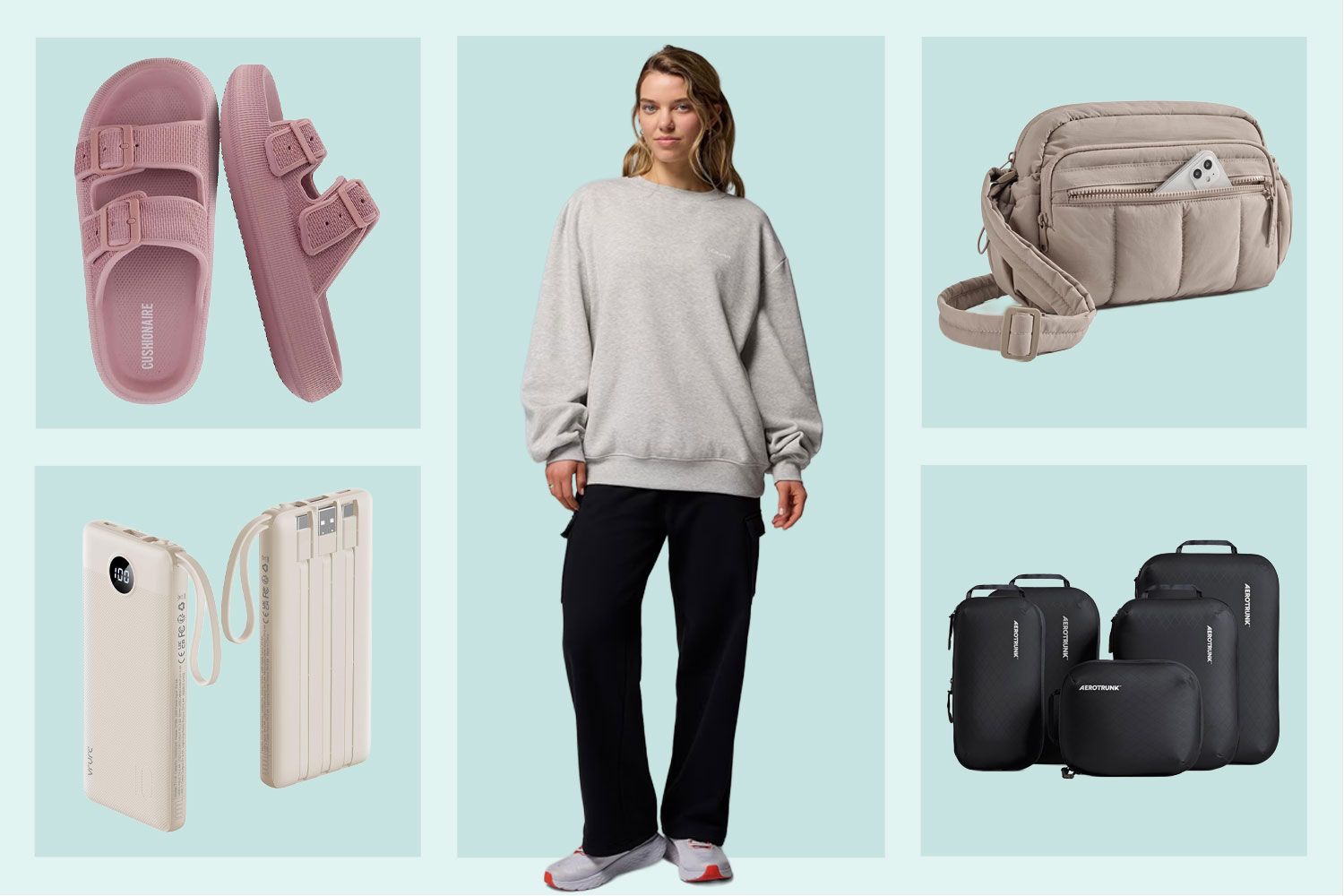
Q: What is the most important thing to pack for a solo trip? A: Beyond the e-Sim and the backup battery, the most important thing you can pack is confidence. As Nabongo demonstrates, the way you carry yourself determines how the world interacts with you. Pack an outfit that makes you feel powerful—it’s just as important as your hiking boots.
Ready to Book Your Own Expedition?
Solo travel isn't about being "brave" in the way people think. It's about being prepared and being open. Jessica Nabongo didn't see the world because she wasn't afraid; she saw it because she refused to let fear be the pilot of her life.
Whether you're planning a weekend in Lisbon or a month-long trek through Southeast Asia, start small, stay connected, and remember: the world is much kinder than the headlines suggest.
Ready to hit the road? Check out our gear guides to ensure you're packed for success.