Quick Facts
- Seat Strategy: Booking an aisle seat on long-haul flights is a game-changer for easy, stress-free bathroom access.
- The Science of Delay: Approximately 65% of travelers experience cycle irregularities when crossing more than three time zones due to cortisol spikes and circadian rhythm disruption.
- Capacity Matters: Switching to a high-capacity menstrual cup can reduce public restroom visits by up to 300% compared to standard tampons.
- The Travel Kit: A sustainable period kit should include a reusable cup, leakproof underwear, and a portable peri bottle for cleaning in cramped spaces.
- Hydration is Key: Drinking extra water at 30,000 feet actually reduces the hormonal bloating that makes airplane seats feel extra tight.
Introduction: The Reality of Traveling with 'Aunt Flo'
We’ve all been there. You’ve spent months planning the perfect family getaway to the Algarve or a trekking trip through the Alps, only to feel that familiar, dull ache in your lower back the moment you step into the airport. As a travel editor and a mom who has navigated everything from toddler tantrums in TSA lines to overnight trains in Vietnam, I can tell you: menstruation doesn't have to ruin your vacation. But let’s be real—it definitely adds a layer of "logistical gymnastics."
Managing your period while traveling is about more than just packing enough supplies; it’s about understanding how the journey itself affects your body. Travel stress and the disruption of your circadian rhythm (your internal body clock) indirectly impact your hormonal balance. When you're rushing to catch a flight or losing sleep across time zones, your body produces cortisol. This "stress hormone" can delay your period, make it arrive early, or intensify your PMS symptoms. To stay comfortable, you need a strategy that covers everything from seat selection to high-tech hygiene kits.
To manage a period on a long flight, I always recommend booking an aisle seat for easier bathroom access. Stay aggressively hydrated to reduce the water retention that causes bloating, and carry a portable peri bottle or biodegradable wipes to clean your menstrual products in those notoriously cramped airplane restrooms. With a bit of prep, you can stop worrying about leaks and get back to making memories.
1. Build a Sustainable Period Travel Kit
When you’re packing for a family, space is at a premium. You don't want to dedicate half a carry-on to boxes of disposable pads and tampons. Transitioning to a sustainable kit isn't just better for the planet; it’s a massive space-saver for your luggage. My personal "period survival bag" is a small, waterproof pouch that stays in my personal item.
The Essential Sustainable Checklist:
- Menstrual Cup or Disc: These offer up to 12 hours of protection and take up almost zero space.
- Two Pairs of Leakproof Underwear: These serve as your "Hoover Dam" backup, protecting you from unexpected leaks during long transit days.
- Portable Peri Bottle: A lifesaver for rinsing out a cup in a public stall without a private sink.
- pH-Balanced Intimate Wipes: Look for biodegradable options for a quick refresh when a shower isn't an option.
- Eco-Friendly Disposal Bags: Products like FabLittleBag are discreet and seal away odors—essential for staying in small Airbnbs or hotels.
Sophia’s Pro Tip: Always pack your kit in your carry-on, never your checked bag. If your luggage ends up in London while you’re in Paris, you don't want to be scrambling for a pharmacy at 11 PM while dealing with a heavy flow.
2. Master the Long-Haul Flight
Flying with a heavy period is a unique kind of endurance sport. The pressurized cabin air naturally dehydrates you, which can worsen cramps and make you feel sluggish. Furthermore, sitting for 8 to 12 hours in a cramped seat increases the risk of "the dreaded leak."
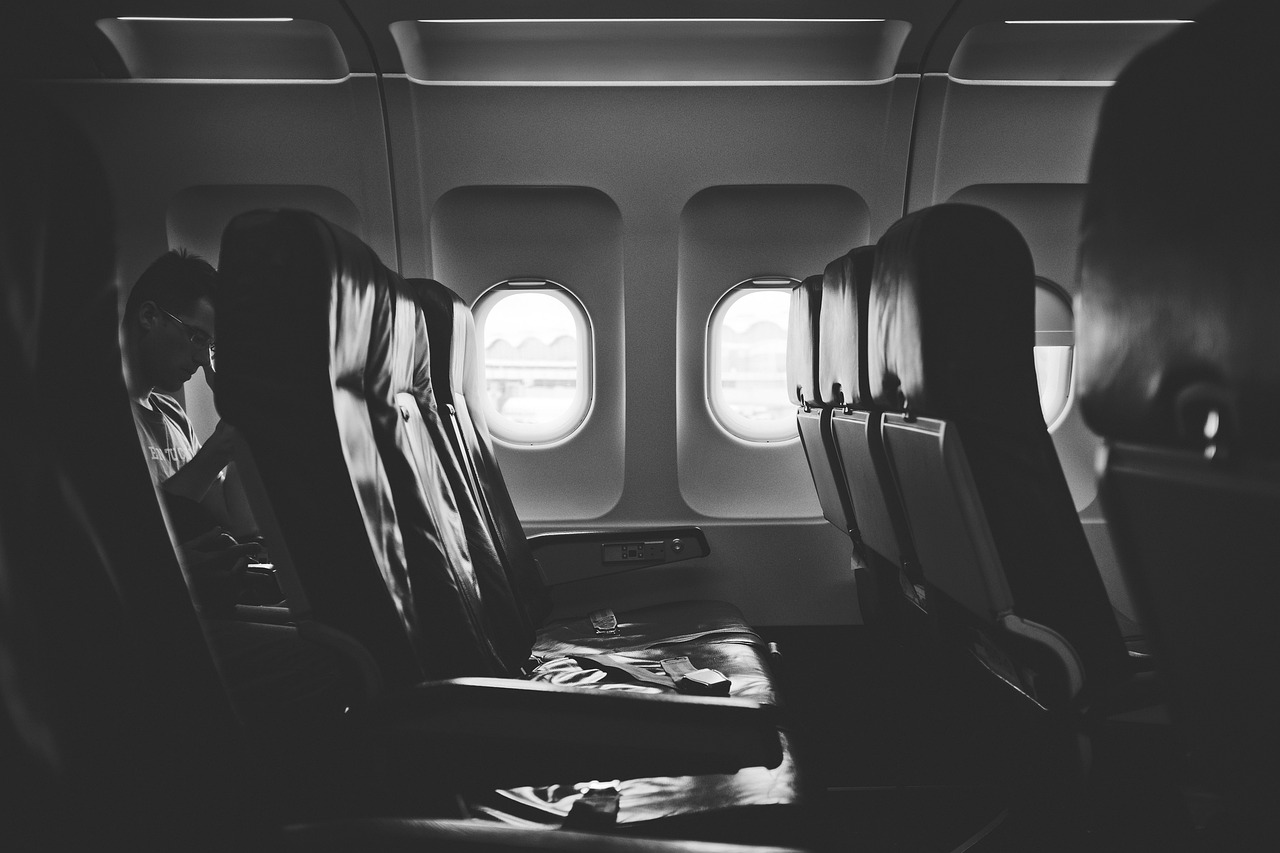
My number one rule for flying is to book the aisle seat. Even if you’re a "window person" who loves the view, the ability to stand up and walk to the restroom without waking up two sleeping strangers is worth its weight in gold. Once you’re in the air, focus on hydration. It sounds counter-intuitive, but drinking more water helps flush out the excess sodium that leads to painful bloating.
In the restroom, navigating a menstrual cup or disc can be tricky. This is where those intimate wipes or a small spray bottle of water come in. Use the wipe to clean your hands before and after, and use the water to rinse your device over the toilet. If you're dealing with a heavy flow, wearing a high-absorbency pad or period underwear in conjunction with your cup provides a secondary layer of security that allows you to actually get some sleep on that red-eye.
3. Optimize with High-Capacity Products
If you haven’t made the switch to a menstrual cup yet, travel is the ultimate reason to try. According to industry surveys, switching to a high-capacity menstrual cup for travel can reduce the frequency of public restroom visits by up to 300% compared to using standard-sized tampons. Think about what that means for your day: instead of hunting for a clean bathroom every 3-4 hours in a foreign city, you can often go from breakfast until you return to your hotel in the evening without a single change.
| Product Type | Travel Efficiency | Best For... |
|---|---|---|
| Menstrual Cup | High (12-hour wear) | Long sightseeing days & active movement |
| Period Underwear | Medium (Best as backup) | Long flights and sleeping in hotels |
| Menstrual Disc | High (High capacity) | Mess-free period sex & heavy flows |
| Organic Tampons | Low (Frequent changes) | Ease of disposal in urban areas |
For active trips involving hiking or biking, I recommend a "firm" cup. Softer cups are comfortable for lounging, but the muscle movement in your pelvic floor during exercise can sometimes cause a soft cup to break its seal. A firmer rim stays in place no matter how many stairs you're climbing in a Mediterranean village.

4. Dress for Comfort and Security
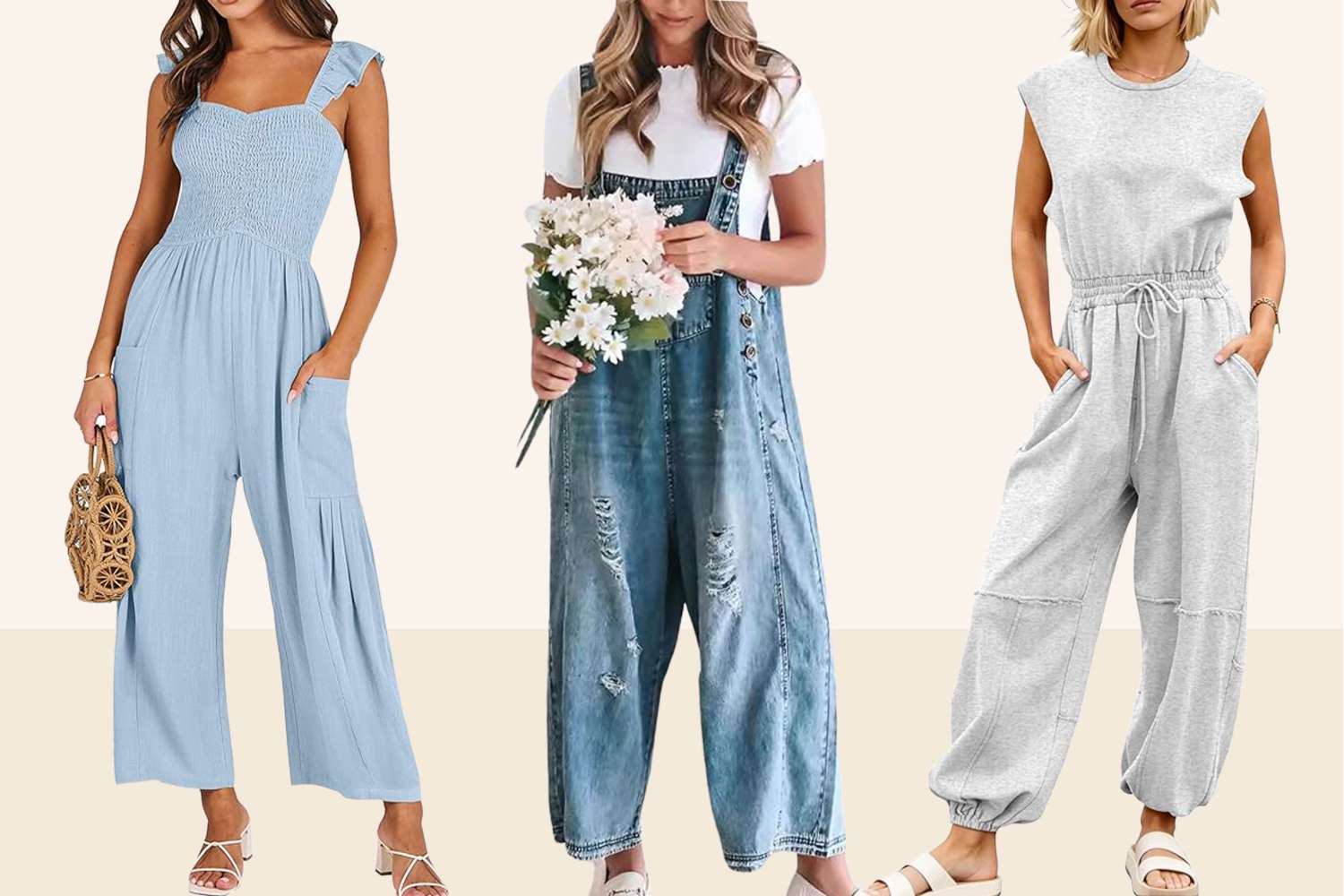
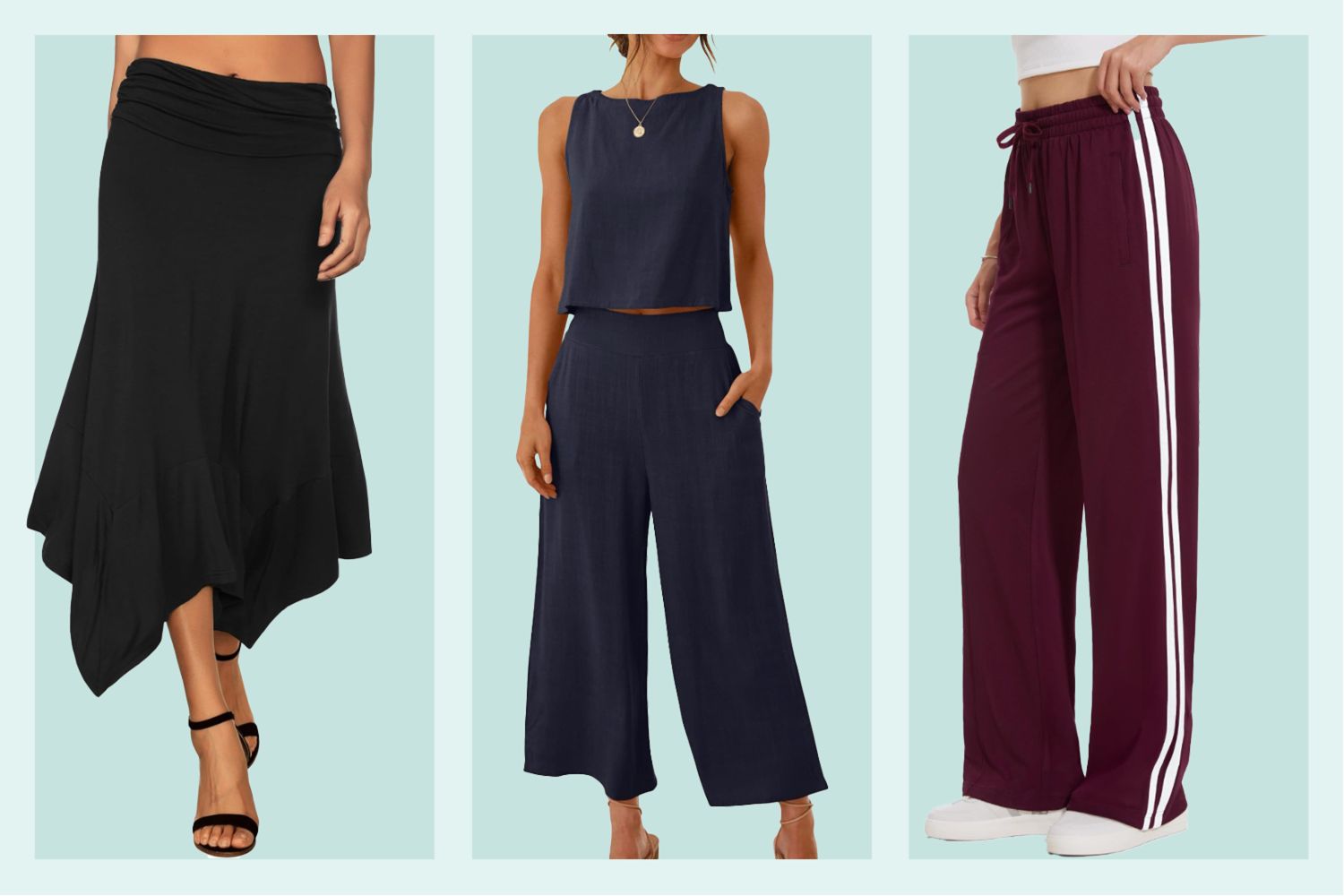
As a mom, my travel wardrobe is all about versatility, but on my period, the priority shifts to comfort and security. This is not the day for your tightest white linen trousers. Instead, opt for dark colors—navy, charcoal, or black—and breathable fabrics.
Bamboo and organic cotton are my go-to fabrics. They are moisture-wicking, which is vital if you're dealing with "period sweats" or traveling in humid climates. Period underwear has also revolutionized the way I dress for travel. They look just like regular briefs but offer the security of a pad without the bulk or the "crinkling" sound. They are the perfect base layer for long train rides or car trips where you might be sitting for hours on end.
5. Prep for the 'Time Zone Shift' Symptom Spike
One of the most overlooked aspects of travel is how crossing time zones affects your cycle. Studies show that approximately 65% of menstruators experience cycle irregularities or worsened cramps specifically when crossing more than three time zones. This happens because your endocrine system is closely tied to your circadian rhythm; when your sleep-wake cycle is disrupted, your hormones follow suit.
Don't be surprised if your period arrives four days early or if your PMS mood swings feel significantly more intense than usual. I always recommend packing a travel-sized bottle of your preferred pain relief (like Ibuprofen or Naproxen) and perhaps a small magnesium supplement, which can help relax muscles and improve sleep during the transition.
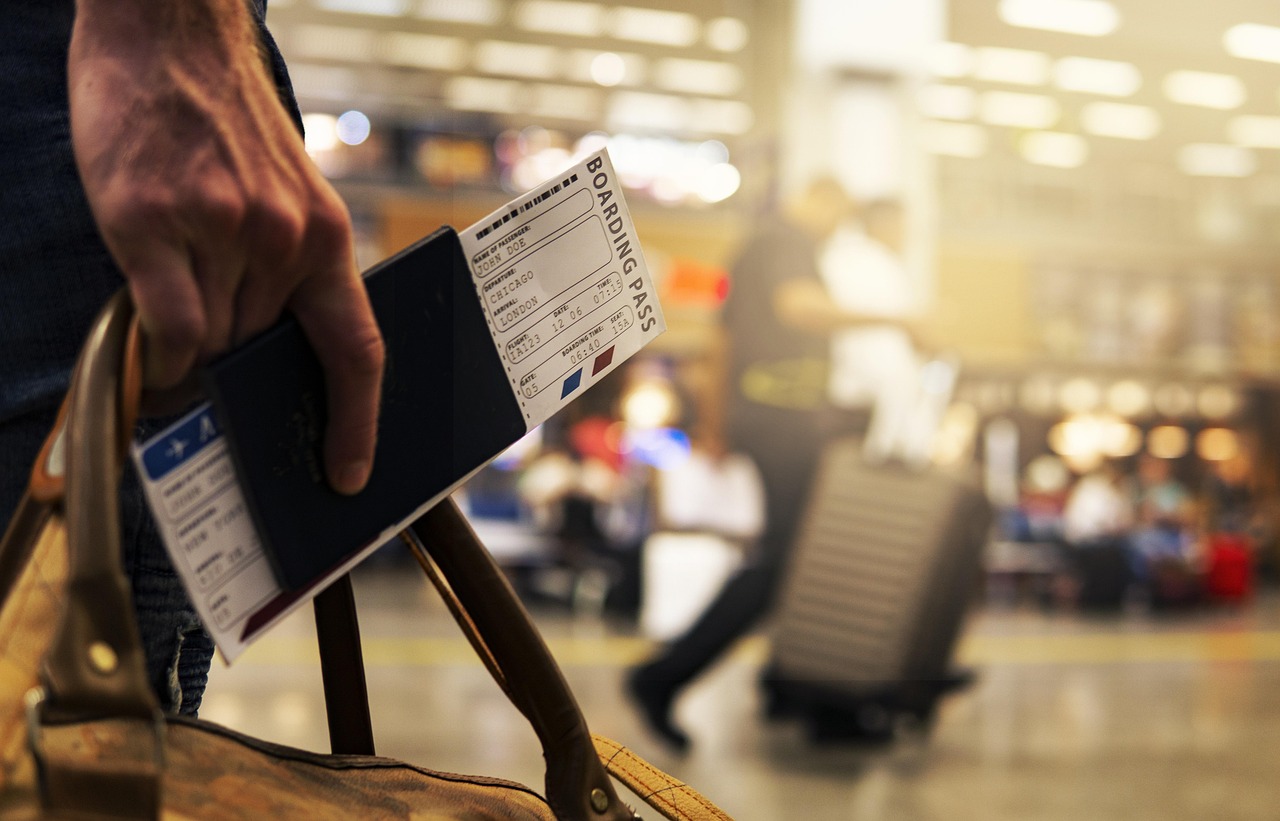
If you have a major event—like a destination wedding or a once-in-a-lifetime SCUBA trip—you might consider delaying your period. If you’re on the hormonal pill, you can often skip the placebo week (consult your doctor first!). Alternatively, some travelers use a prescription like Norethisterone to temporarily delay their cycle.
6. Navigating Public Restrooms and Outdoor Adventures
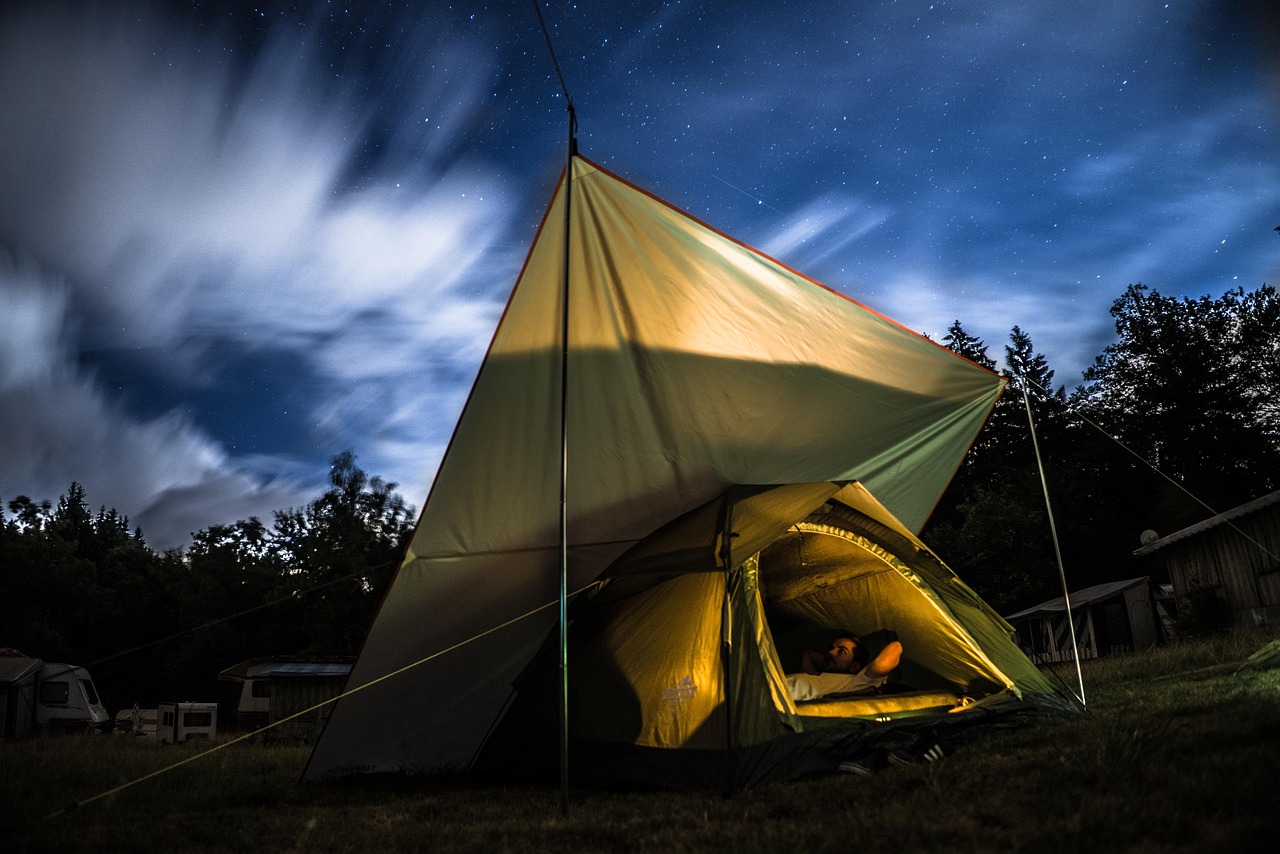
Whether you're exploring the ruins of Angkor Wat or camping in the Grand Canyon, you won't always have access to a pristine, Western-style restroom. In many parts of the world, "squat toilets" are the norm, which can make changing a pad or cup feel like a circus act.
Tips for Outdoor and "Rugged" Travel:
- The "Clean Hand" Rule: Always carry a small bottle of hand sanitizer. If there's no sink, use sanitizer on your hands before you handle your menstrual products.
- Leave No Trace: If you’re hiking or camping, you must pack out what you pack in. Use a small, opaque "dry bag" for used disposables. If you must empty a cup in the wild, dig a "cathole" at least 6-8 inches deep and at least 200 feet away from any water sources to protect the ecosystem.
- The Peri Bottle Hack: If you’re using a squat toilet, a small squeeze bottle of water allows you to rinse your cup (and yourself) without needing to stand up and find a sink.
7. Handle the 'Hotel Bed' Anxiety & Swimming
There is a specific kind of "vacation panic" that comes from waking up in a hotel room and realizing you’ve leaked onto the pristine white sheets. First off: don't beat yourself up. It happens to the best of us, and hotel staff have seen far worse.
To prevent this, I always lay a dark travel towel or a pair of leakproof underwear over the sheets before I go to bed on my heaviest night. If an accident does happen, the best etiquette is to soak the spot with cold water as soon as possible and leave a polite note for housekeeping along with an extra tip. They appreciate the heads-up so they can treat the stain properly.
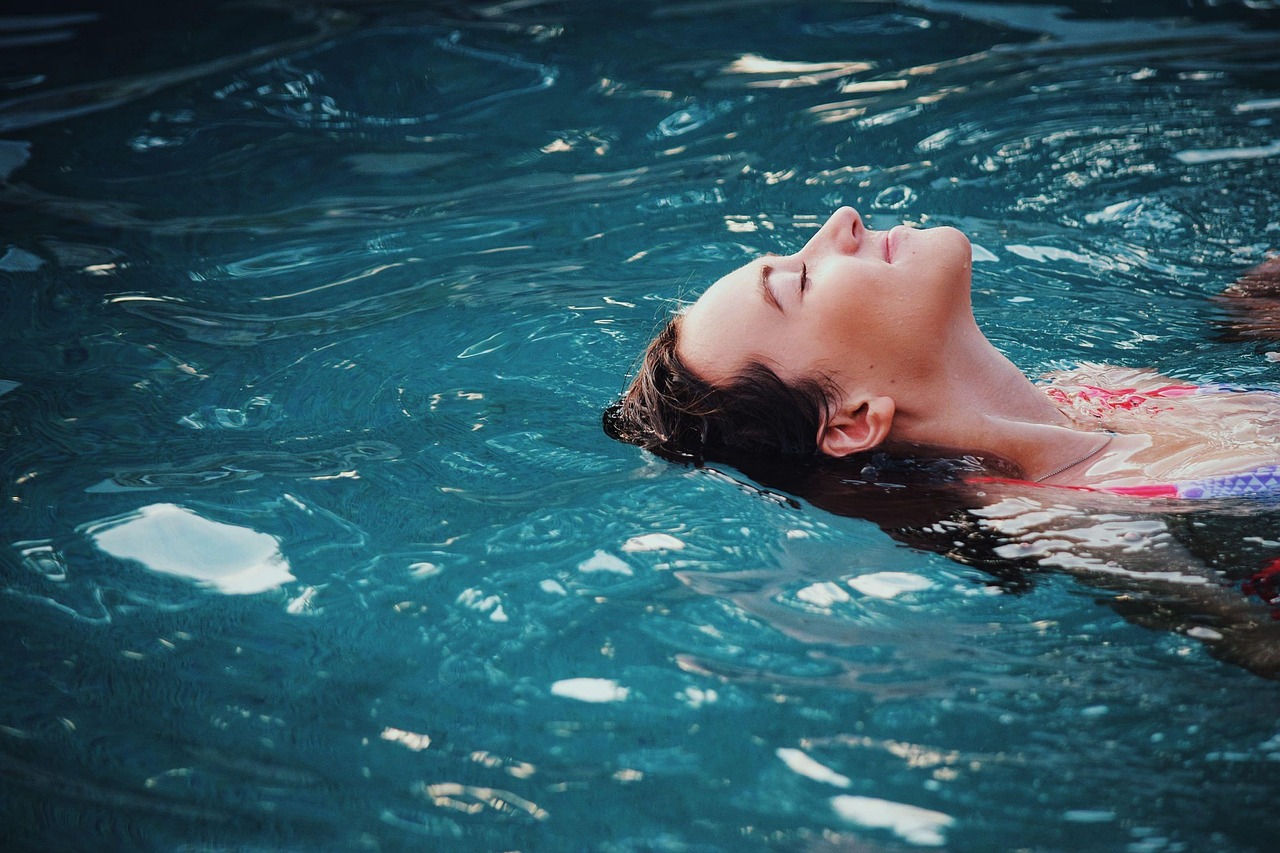
As for the pool or the beach? Don't let your period keep you on the sidelines. Menstrual cups and discs are the gold standard for swimming because they create a vacuum seal that keeps water out and blood in. If you aren't comfortable with internal products, there is a whole new world of period-specific swimwear available now. These suits have hidden absorbent liners that work just like period underwear but are designed to be worn in the water.
FAQ
Q: Can I use a menstrual cup on a plane with the cabin pressure? A: Absolutely. The pressure changes in an airplane cabin do not affect the suction or the "seal" of a menstrual cup. It won't pop out or leak due to altitude!
Q: What is the best way to clean a menstrual cup in a public restroom without a private sink? A: Bring a small bottle of water into the stall with you to rinse it over the toilet, or use specialized pH-balanced wipes to clean the cup before reinserting it.
Q: Does flying make your period heavier? A: While flying itself doesn't change your flow, the stress of travel and dehydration can make your cramps feel more intense, and the lack of movement on a long flight can cause blood to "pool," making it seem heavier when you finally stand up.
Planning your next big family adventure? Don't let the calendar dictate your joy. By packing smart and understanding your body's rhythm, you can take on the world—any time of the month.