Quick Facts
- PADI Eco Center Accreditation: A high-level distinction for dive centers that achieve the Green Fins silver/gold status and actively protect local waters through the "Adopt the Blue" program.
- The 95% Gap: Research by the Reef-World Foundation shows that while 95% of divers want to book with sustainable operators, most struggle to identify them—a gap PADI Eco Centers are designed to bridge.
- Citizen Science Impact: Divers at these centers contribute to the world’s largest underwater database; a single group survey at an Egyptian Eco Center recently removed 603 pieces of marine debris in just one day.
- 2026 Top Pick: Belize marks the 30th anniversary of its reef's UNESCO World Heritage status, making it a premier destination for conservation-focused travel.
The New Era of Ocean Guardianship
For decades, the ethos of scuba diving was "take only pictures, leave only bubbles." It was a philosophy of passive observation—a commitment to being a ghost in the machine of the marine ecosystem. But as we look toward the travel landscape of 2026, the tides are shifting. In an era of escalating climate challenges and coral bleaching events, being a "passive observer" is no longer enough. The modern traveler—the conscious traveler—is looking for ways to transition from being a guest of the ocean to being its guardian.
This shift isn't just a trend; it's a necessity. Sustainable tourism has evolved from a niche preference into a global mandate. According to research by the Reef-World Foundation, a staggering 95% of divers express a strong desire to book their trips with sustainable operators. However, the same data reveals a frustrating hurdle: the majority of these travelers find it difficult to distinguish truly eco-friendly businesses from those merely practicing "greenwashing."
This is where the concept of the PADI Eco Center becomes transformative. It isn't just another badge on a website; it is a rigorous, data-driven framework that allows your vacation to fund the very ecosystems you’ve come to admire. By choosing your next destination based on these centers, you aren't just going on a dive trip—you are participating in a global movement of active restoration.
What is a PADI Eco Center?
A PADI Eco Center is a premier accreditation awarded to dive operators who demonstrate a rigorous, documented commitment to marine conservation. To earn this title, a center must meet two major criteria:
- Green Fins Certification: Achieving a high level of environmental performance through the Green Fins initiative, which minimizes the environmental impact of diving and snorkeling.
- Adopt the Blue Participation: Active involvement in PADI AWARE’s "Adopt the Blue" program, where centers take ownership of a specific local dive site, monitoring its health and reporting critical data to global databases.
These centers focus on three core pillars: adhering to the Green Fins code of conduct (preventing physical damage to reefs), site protection through "Adopt the Blue," and environmental education for every guest who walks through their doors.

Top PADI Eco-Friendly Destinations for 2026
As we plan our itineraries for 2026, several regions have emerged as frontrunners in the marriage of luxury travel and radical environmental transparency. These destinations haven't just preserved their waters; they are actively healing them.
1. Belize: Celebrating a UNESCO Milestone
If there is one destination that should be at the top of your list for 2026, it is Belize. This year marks the 30th anniversary of the Belize Barrier Reef Reserve System being designated as a UNESCO World Heritage site. Belize has long been a pioneer in marine protection, being the first country in the world to ban bottom trawling and one of the first to implement a nationwide ban on single-use plastics.
The Great Blue Hole remains the crown jewel, but for the eco-conscious diver, the real magic happens in the smaller, community-led initiatives. PADI Eco Centers across Ambergris Caye and Placencia are now integrating reef restoration into their daily charters. Imagine spending your morning exploring the depths of the Turneffe Atoll and your afternoon helping marine biologists outplant heat-resistant coral fragments.
The experience here is immersive. You aren't just seeing the reef; you are learning about the symbiotic relationships that keep it alive. By visiting Belize in 2026, your travel dollars directly support the continued management of the Seven Marine Protected Areas (MPAs) that comprise the UNESCO site.
2. The Red Sea, Egypt: Pioneering Conservation
Egypt’s Red Sea is often celebrated for its "aquarium-like" visibility and vibrant soft corals, but it is also home to some of the most sophisticated eco-operations in the world. Specifically, the Red Sea Diving Safari (Marsa Shagra) has set the gold standard for sustainable dive tourism.
In the Red Sea, "sustainable" isn't just about the water; it’s about the infrastructure. Many PADI Eco Centers here operate as self-contained eco-villages, utilizing solar power and advanced waste management systems. One of the most impactful offerings for 2026 is the complimentary "PADI Dive Against Debris" specialty courses. These programs turn a standard recreational dive into a cleanup mission.
The data speaks for itself: in a recent survey conducted at an Egyptian Eco Center, a single group of divers successfully removed 603 pieces of marine debris—predominantly discarded fishing gear and plastics—in a single day. This data is then uploaded to the PADI AWARE database, helping scientists track the movement of ocean pollution globally.
3. Curaçao & Bonaire: The Caribbean’s Reef Renewal Leaders
While Bonaire has long been the "Diver’s Paradise," its neighbor Curaçao has rapidly ascended as a leader in active coral restoration. At the heart of this movement is LionsDive Beach Resort and its partnership with Reef Renewal Curaçao.
Curaçao is unique because it offers a "hybrid" eco-tourism experience. You can enjoy the high-end culinary and cultural scene of Willemstad while spending your days working in underwater nurseries. The Reef Renewal program allows divers to volunteer in "cleaning" coral trees—removing algae and predators from young elkhorn and staghorn corals—before they are outplanted onto the house reefs.
For 2026, Curaçao is focusing on "citizen science for all levels." Even if you are a newly certified Open Water diver, there are programs designed to teach you about coral health without requiring a degree in marine biology. This accessibility is what makes the Caribbean a powerhouse for the future of sustainable diving.
How Your Trip Makes a Tangible Impact
It is easy to feel that a single dive is just a drop in the bucket. However, the collective impact of choosing a PADI Eco Center is measurable and profound. When you book a trip with these operators, your contribution manifests in three critical ways:
- Funding Marine Protected Areas (MPAs): In many regions, a portion of every dive fee or "park permit" goes directly to the local government or NGOs responsible for patrolling and protecting the reefs. These funds pay for ranger boats, fuel, and the enforcement of "no-take" zones that allow fish populations to recover.
- Data Collection (Citizen Science): Every "Dive Against Debris" report or whale shark sighting logged through an Eco Center provides scientists with a "real-time" view of ocean health. This data is used to lobby for policy changes at international conventions like CITES.
- Direct Restoration: Through coral gardening programs in places like Fiji, Costa Rica, or the Maldives, divers are literally rebuilding the habitat. You are helping to create a resilient reef system that can withstand the warming waters of the next decade.
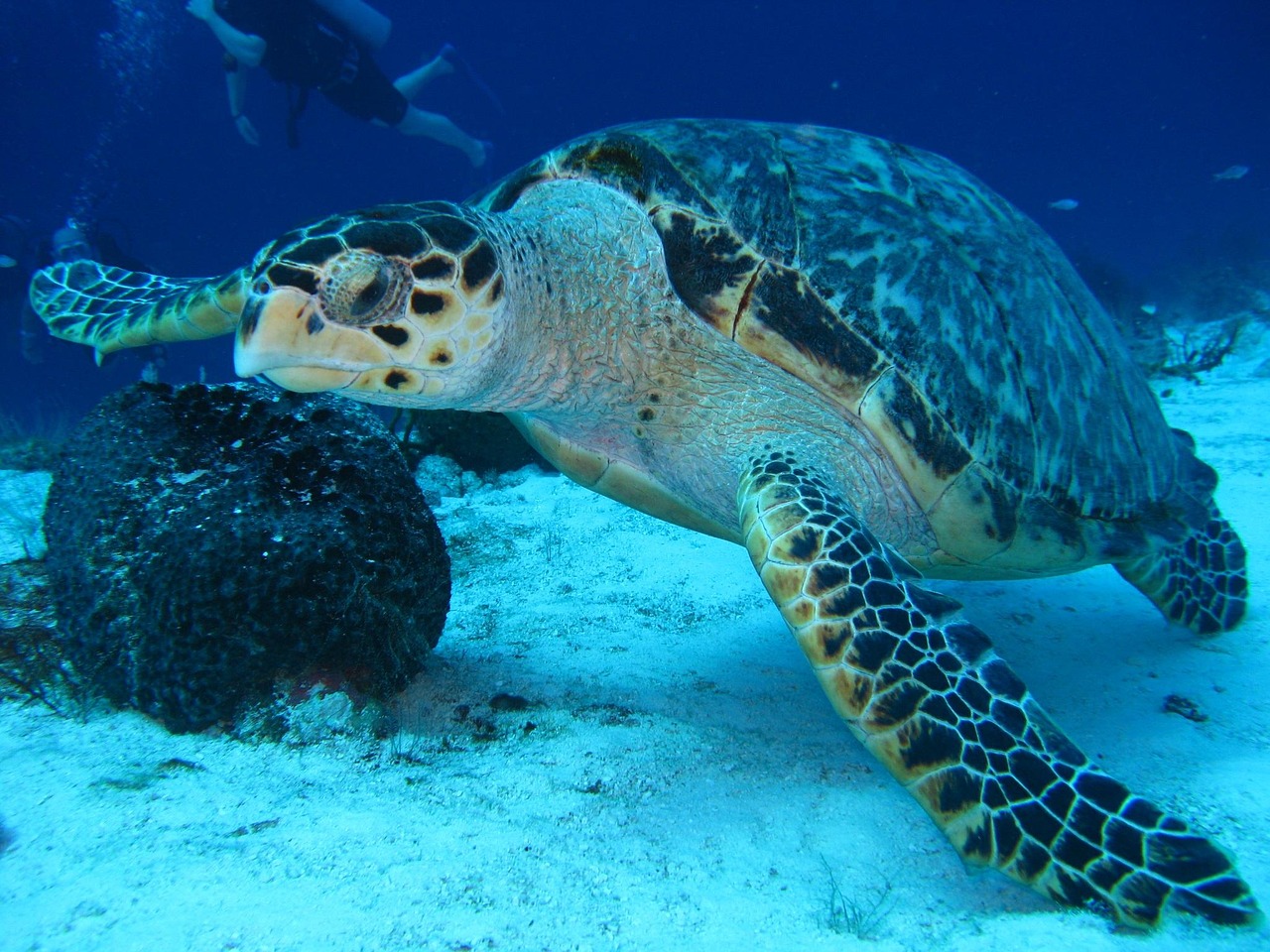
Impact Comparison: 2026 Eco-Destinations
| Destination | Primary Conservation Focus | Key Impact Stat | Best Time to Visit (2026) |
|---|---|---|---|
| Belize | UNESCO Site Preservation & Mangroves | 7 MPAs supported by tourism fees | April - June (Whale Shark Season) |
| Red Sea, Egypt | Marine Debris Removal & Solar Energy | 600+ debris items removed per survey | March - May or Sept - Nov |
| Curaçao | Coral Outplanting & Genetic Diversity | 10,000+ corals outplanted annually | Year-round (Outside Hurricane Belt) |
| Fiji | Community-led MPAs & Shark Protection | 100% of "Tabua" sites managed by locals | May - October |
Mastering Sustainable Diving Practices
Even at the world’s best Eco Center, the responsibility of the individual diver remains paramount. To truly dive sustainably in 2026, we must look at our skills and our gear with a critical eye.
- Buoyancy is the Foundation: The single most important skill for a sustainable diver is neutral buoyancy. One misplaced fin kick can destroy decades of coral growth. Before heading to a sensitive reef, take a "Peak Performance Buoyancy" check-out dive.
- Reef-Safe Sunscreen: Traditional sunscreens contain Oxybenzone and Octinoxate, chemicals that cause coral bleaching even in small concentrations. Look for "Reef-Safe" labels, but verify the ingredients: ensure it uses non-nano zinc oxide or titanium dioxide.
- The Ethics of Interaction: We are visitors in a wild space. This means no touching, no chasing, and no feeding wildlife. Even "Muck Diving" (diving over sandy or silty bottoms to find tiny, rare creatures) requires extreme care not to disturb the sediment.
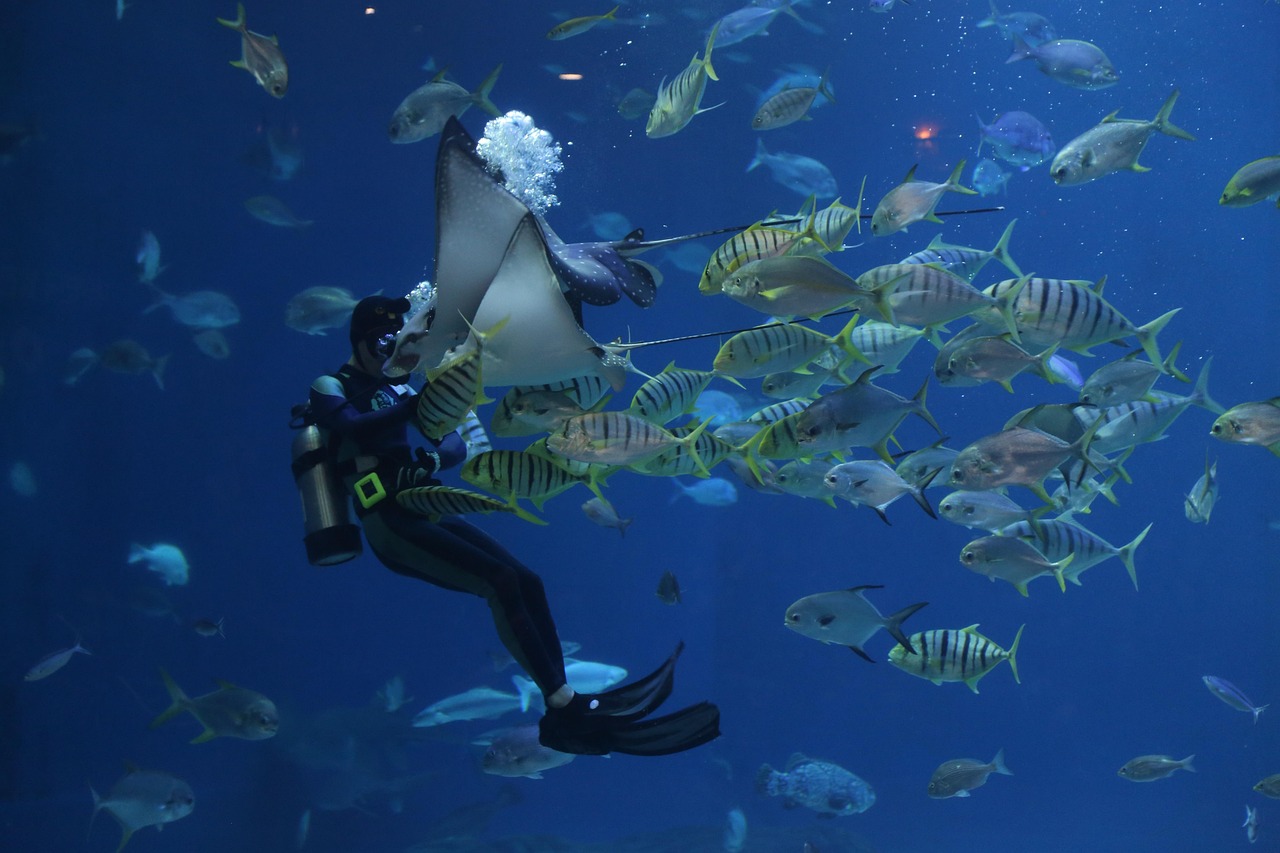
Conclusion: Choosing Your 2026 Adventure
The ocean is resilient, but it needs our help to bridge the gap between degradation and recovery. As we look toward our 2026 travel plans, the choice is clear. We can continue to be spectators, or we can become part of the solution.
By choosing a PADI Eco Center, you are voting with your wallet for a future where the travel industry serves the planet as much as it serves the traveler. Whether you find yourself in the crystal-clear waters of the Belize Barrier Reef or the rugged, sun-drenched coast of the Red Sea, remember that every dive is an opportunity to contribute to a global database of hope.
Your next dive trip doesn't just have to be a vacation; it can be a legacy.
FAQ: Sustainable Diving 2026
Q: Are PADI Eco Centers more expensive than regular dive shops? A: Not necessarily. While some eco-resorts are high-end, the Eco Center accreditation is about practices, not luxury. You can find budget-friendly Eco Centers that prioritize conservation over amenities. Any small "eco-fee" usually goes directly toward reef permits or local conservation projects.
Q: I’m a beginner diver. Can I still participate in conservation activities? A: Absolutely! In fact, starting your diving journey at an Eco Center is the best way to learn. Most centers offer "Intro to Conservation" briefings, and many "Dive Against Debris" surveys are accessible to Open Water divers with basic buoyancy skills.
Q: How can I verify if a dive center is actually an Eco Center? A: You can use the PADI Dive Shop Locator and filter for "Eco Center." Look for the Green Fins logo and the "Adopt the Blue" badge on their website to ensure they are meeting the current 2026 standards.
Book Your Impact-Driven Dive Trip
Ready to turn your passion for the ocean into action? Explore the global map of accredited operators and start planning your 2026 conservation journey.