Quick Facts
- Arrival Choice: Always prioritize Haneda Airport (HND) over Narita (NRT). Haneda is just 15-30 minutes from the city center, whereas Narita can take up to 90 minutes and cost significantly more in transit fees.
- Currency Reality: Despite its futuristic reputation, Tokyo remains heavily reliant on physical currency. Approximately 40% of dining and retail establishments in 2026 still require cash; carry ¥10,000–20,000 daily to avoid being stranded.
- Transit Strategy: If your itinerary is centered within the 23 wards, avoid the Japan Rail (JR) Pass. The 2026 pricing does not justify the cost for city-only travel; instead, use a digital or physical IC card like Suica or Pasmo.
- Daily Budget: For a comfortable mid-range experience in 2026, factor in ¥20,000 to ¥35,000 per person, per day, covering high-quality dining, local transit, and boutique accommodation.
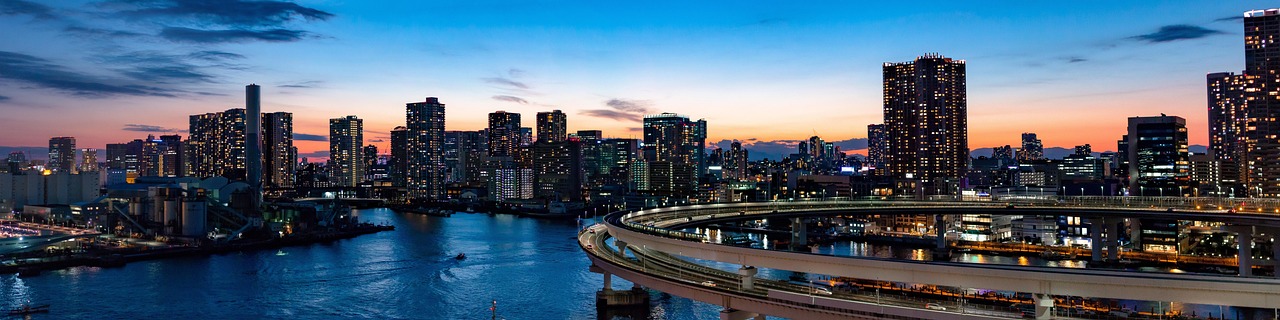
Tokyo is often described as a city of the future, a sprawling neon-lit megalopolis that should, by all accounts, be the pinnacle of digital seamlessness. Yet, for the uninitiated traveler in 2026, Tokyo presents what I call the "Megalopolis Paradox." It is a place where you can ride a driverless train to a robot-staffed hotel, only to find that the Michelin-starred tempura house next door only accepts physical banknotes and hand-written reservations.
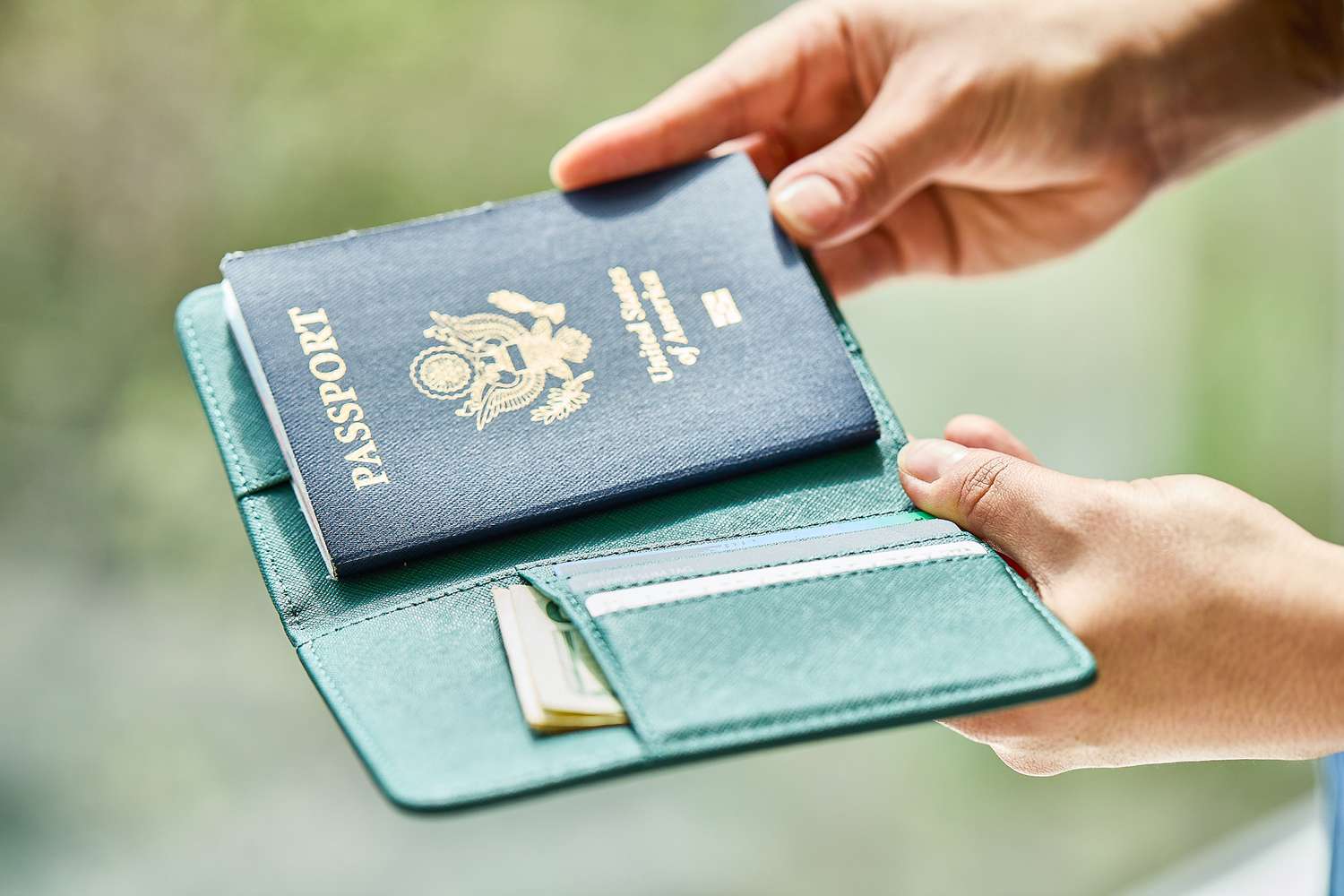
Navigating this complexity requires more than just a passport and a sense of wonder; it requires a data-driven approach to logistics. After three decades of analyzing global urban hubs, I’ve observed that the most common friction points for visitors aren't caused by a lack of beauty, but by outdated planning assumptions. To ensure your 2026 expedition is defined by discovery rather than frustration, avoid these fifteen critical errors.
I. Logistics and Arrival Blunders
1. Flying into the Wrong Airport
The choice between Haneda (HND) and Narita (NRT) is not merely a matter of airline preference; it is a fundamental logistical decision. While Narita often offers slightly cheaper transpacific or European fares, the "hidden cost" in both time and Yen is substantial.
Choose Haneda (HND) over Narita (NRT) for your arrival to save significant travel time and transportation costs to central Tokyo. A taxi or private hire from Narita to Shinjuku can easily exceed ¥30,000, while the Narita Express (N'EX) takes over an hour. Conversely, Haneda is integrated into the city's subway and monorail systems, placing you in Ginza or Shinagawa in under 20 minutes for a fraction of the cost.
2. Overestimating the Japan Rail (JR) Pass
One of the most persistent myths in Japanese travel is that the JR Pass is a "must-buy." Following the massive price hikes in late 2023 and subsequent 2025 adjustments, the math rarely favors the tourist staying within Tokyo.
Avoid using a Japan Rail Pass if you are only staying within Tokyo; instead, use IC cards like Suica or Pasmo for more flexible and cost-effective travel across all subway and bus lines. The JR Pass only covers JR-operated lines (like the Yamanote loop). However, Tokyo’s most efficient routes often involve the Tokyo Metro or Toei Subway lines, which are not covered by the pass. For a week in Tokyo, you would struggle to spend even a third of the JR Pass’s cost on local transit.
3. Forgetting the IC Card (Suica/Pasmo)
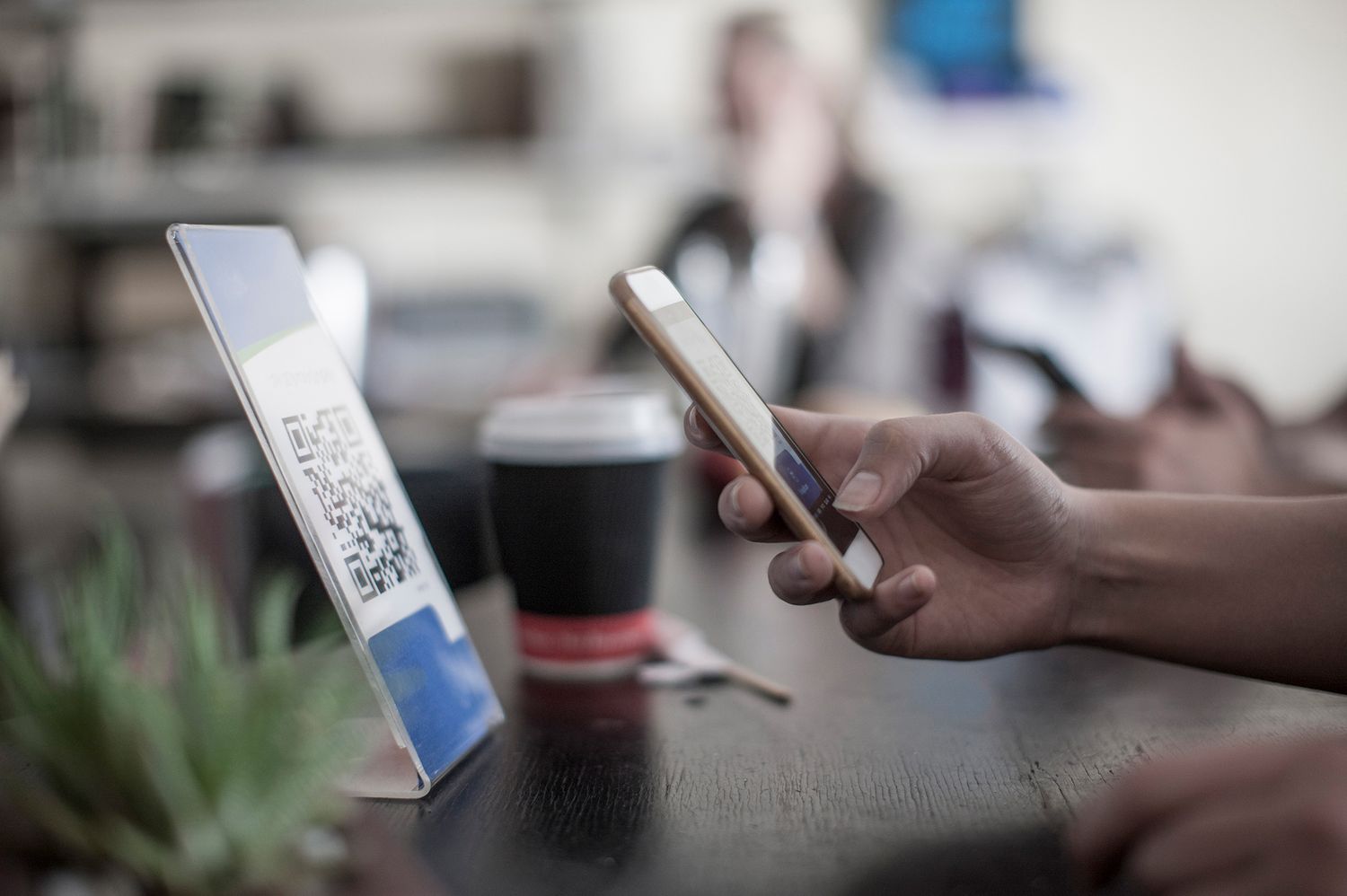
In 2026, the physical Suica card has become a collector's item due to chip shortages, but the digital versions are more powerful than ever. These "IC Cards" are the lifeblood of the city. Beyond turnstiles, they are the preferred payment method for vending machines, coin lockers, and convenience stores (konbini).
Pro-Tip: Download the Suica or Pasmo card to your Apple Wallet or Google Pay before you leave home. You can top it up using your credit card, bypassing the need to fumble with ticket machines or find physical sales points at the airport.
II. The Financial Reality Check
4. Expecting a Fully Cashless Society
It is a mistake to assume that Tokyo’s high-tech veneer extends to every cash register. While major department stores and international chains have embraced contactless payments, the "real" Tokyo—the hidden basement izakayas, the neighborhood shrines, and the artisan craft shops—remains firmly rooted in tangibility.
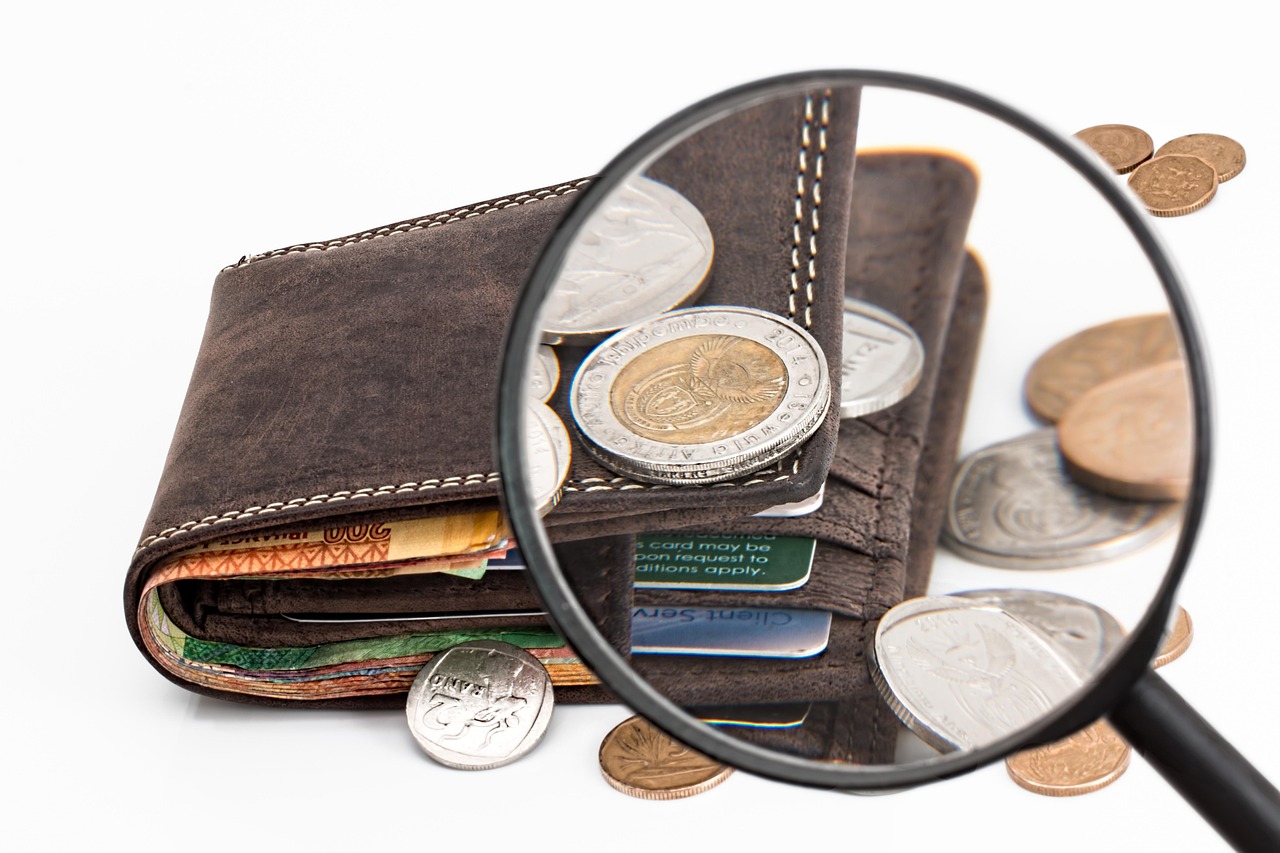
Do not rely solely on credit cards; carry ¥10,000-20,000 in cash daily as many traditional restaurants, temples, and neighborhood shops remain cash-only. Approximately 40% of Tokyo's local dining and retail establishments still require cash payments despite a rise in digital infrastructure for 2026. If you find yourself in a "Ticket Machine" ramen shop, cash is almost always the only currency accepted.
5. Using the Wrong ATMs
Many travelers waste hours searching for a bank that accepts international debit cards. Standard Japanese bank ATMs often reject foreign "Plus" or "Cirrus" network cards. To save time, look for the neon sign of a 7-Eleven. Their "7-Bank" ATMs are the gold standard for international travelers, offering English interfaces and 24/7 reliability. Japan Post (JP) ATMs are a solid secondary option, though they often have more restricted hours.
6. Miscalculating the 2026 Daily Budget
Inflation and the shifting value of the Yen have altered the cost landscape. While Japan remains a high-value destination compared to London or New York, it is no longer the "budget" destination some 2010-era blogs might suggest.
| Category | Estimated Daily Spend (per person) | Includes |
|---|---|---|
| Budget | ¥10,000 - ¥15,000 | Capsule hotels, konbini meals, walking tours |
| Mid-range | ¥20,000 - ¥35,000 | 3-star business hotels, sit-down lunches, one nice dinner |
| Luxury | ¥70,000+ | 5-star hotels, Omakase dining, private transport |
A standard mid-range daily budget for Tokyo in 2026 is estimated between ¥20,000 and ¥35,000 per person. Underestimating this can lead to "menu anxiety" in a city that offers some of the world's best culinary experiences.
III. Navigation and Transit Faux Pas
7. Underestimating 'Shinjuku' (and Other Mega-Stations)
Shinjuku Station is the busiest transport hub in the world, handling over 3.5 million passengers daily. It is not a "building"; it is a subterranean city with over 200 exits. A common mistake is meeting someone at "Shinjuku Station." Without specifying the exit (e.g., "East Exit, near the Lion Statue"), you will never find them.
Use Google Maps exclusively for navigation. While Apple Maps has improved, Google provides critical data on which specific train car is closest to your transfer and exactly which exit code (e.g., Exit A3) you need to follow once you step off the train.
8. Entering the 'Rush Hour Hell'
There is a specific kind of claustrophobia reserved for the Tokyo subway during peak hours. From 7:30 AM to 9:00 AM, the Tozai Line and the JR Yamanote become exercises in human density. If you are traveling with large luggage, attempting to board during these windows is not only stressful for you but is considered a major social transgression against the commuting workforce. Plan your movements for the "sweet spot" between 10:00 AM and 4:00 PM.
9. Breaking Escalator Etiquette
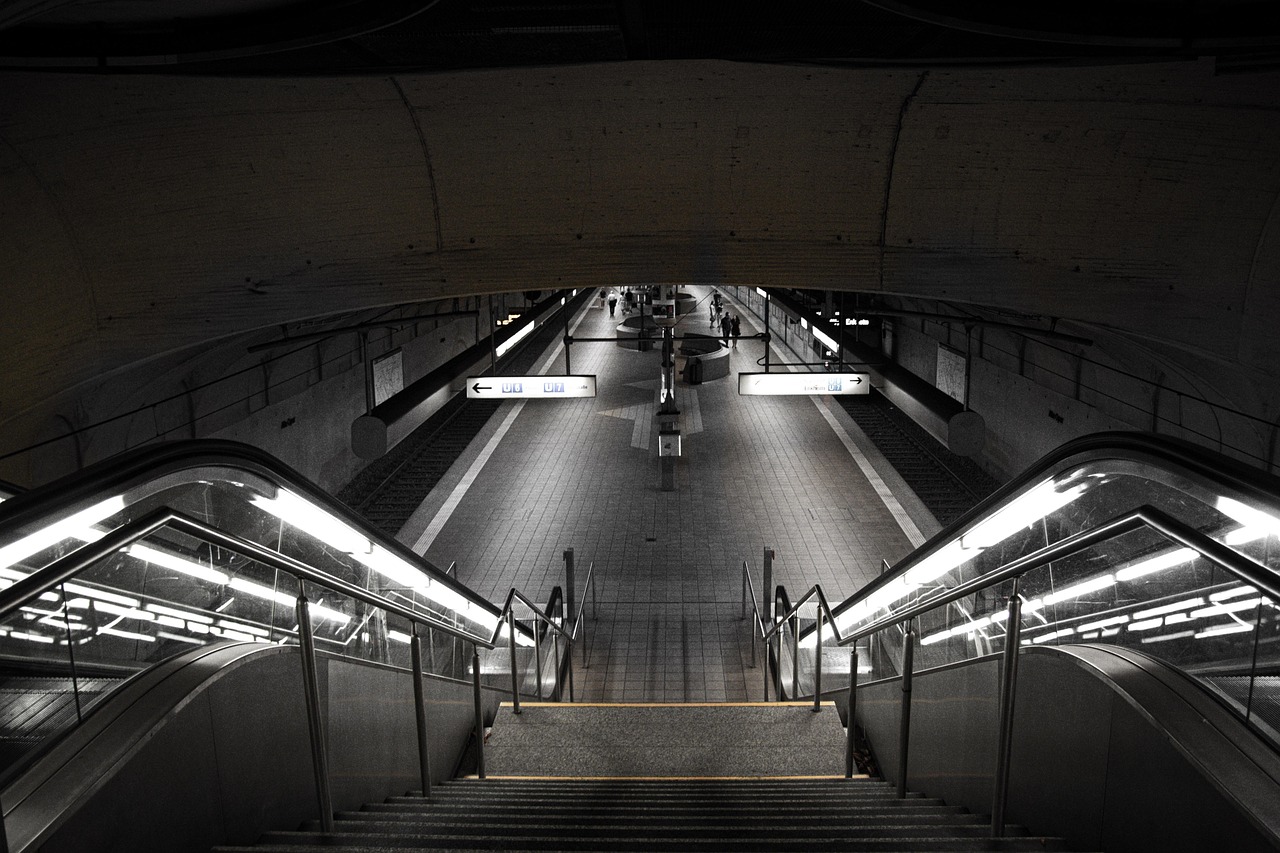
Efficiency in Tokyo is maintained through unspoken social contracts. On an escalator, the rule is simple: stand on the left, walk on the right. This is one of the few areas where Tokyo differs sharply from Osaka (where you stand on the right). Breaking this flow creates a bottleneck and marks you immediately as an oblivious tourist.
IV. Dining and Social Mistakes
10. Skipping Restaurant Reservations
The days of casually walking into a top-tier sushi-ya or a popular themed cafe in Shibuya are largely over. In 2026, the density of both domestic and international tourists means that any venue with a "buzz" will be booked out weeks in advance. For "bucket-list" dining, use services like TableCheck or Omakase.in at least 2 to 4 weeks before your arrival.
11. Looking for a Menu at Ramen Shops
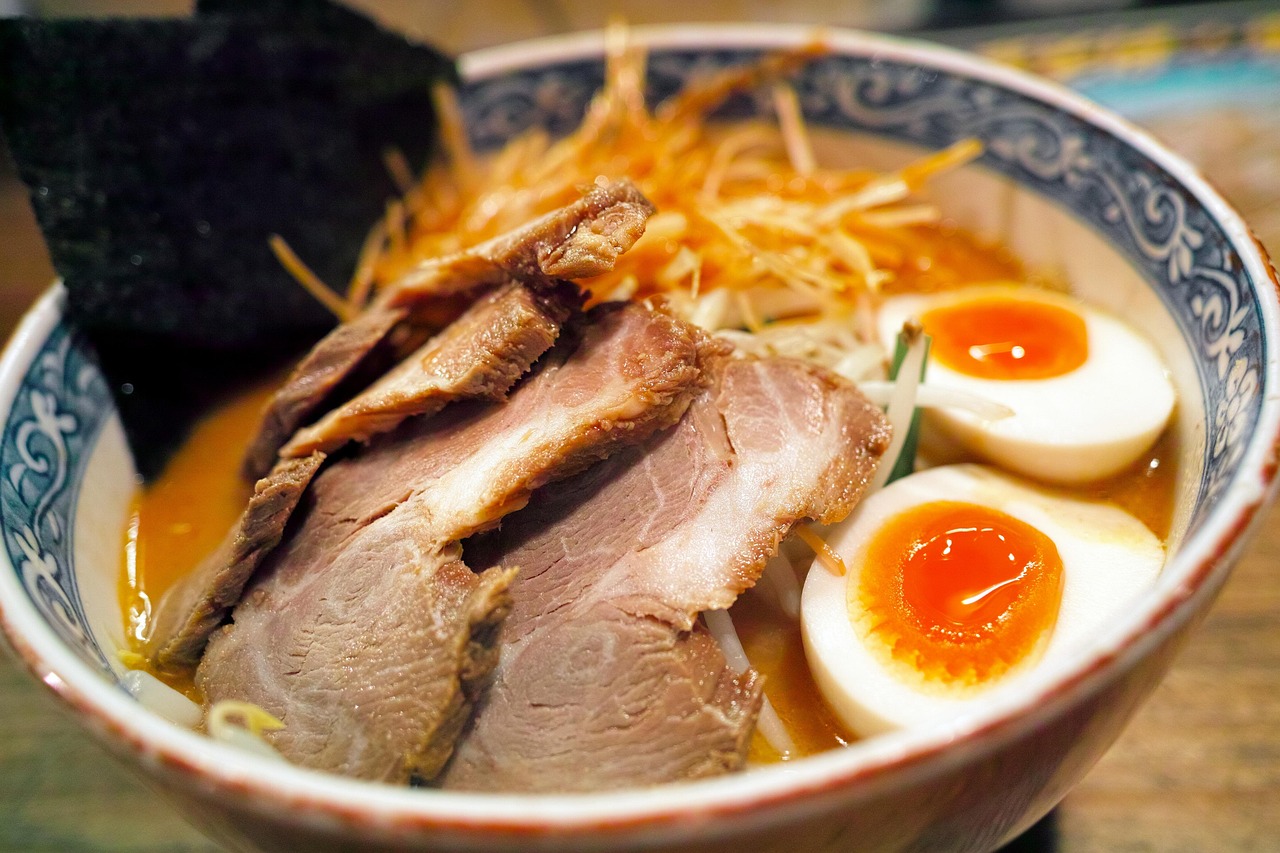
In many of Tokyo’s most authentic ramen shops, the staff doesn't take your order at the table. Instead, look for a vending machine near the entrance. The process is specific: insert your cash first, then press the buttons for your desired dish. The machine will spit out a small paper ticket, which you then hand to the chef.
12. Searching for Public Trash Bins
You will quickly notice that Tokyo is spotless, yet public trash cans are virtually non-existent. This dates back to the 1995 Tokyo subway sarin gas attacks, after which bins were removed for security. Do not leave your trash on a shrine wall or a vending machine ledge.
Pro-Tip: Always carry a small, foldable plastic bag in your daypack. You can dispose of your trash at the convenience stores where you bought the item, or back at your hotel.
V. Cultural and Accommodation Oversights
13. Packing Too Much for Small Rooms
Tokyo real estate is some of the most expensive on earth. Unless you are staying at a high-end luxury brand like the Aman or the Peninsula, your room will likely be between 12 and 18 square meters. If you bring two "checked-size" suitcases, you will literally have no floor space to walk. Pack light, or utilize Japan’s incredibly efficient luggage forwarding service (Takkyubin) to send your bags from the airport directly to your hotel.
14. Being Loud on Public Transport
The Tokyo subway is a sanctuary of silence. You will notice that even during rush hour, the only sound is the hum of the tracks. Making phone calls or having loud, animated conversations is considered incredibly rude. If you must speak, do so in a hushed tone. Set your phone to "Manner Mode" (silent) the moment you enter the station.
15. Disrespecting Temple Protocols
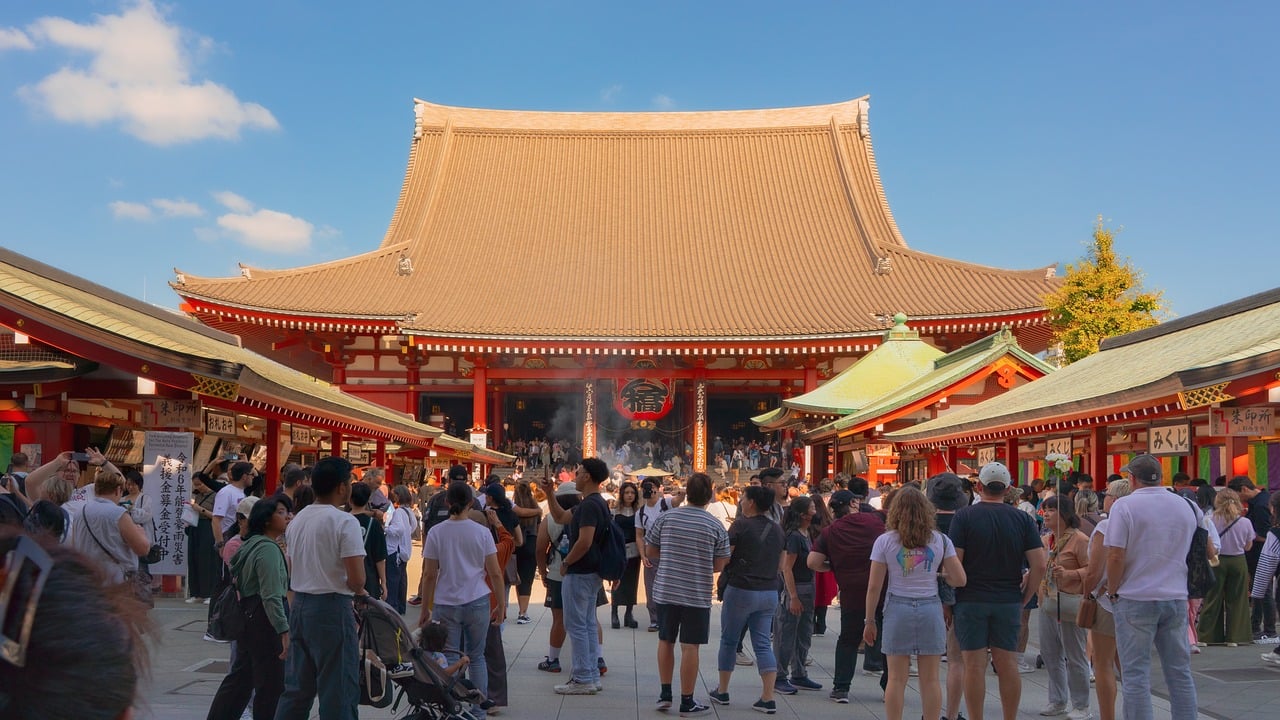
When visiting spiritual sites like Senso-ji or Meiji Jingu, remember they are active places of worship, not just photo backdrops. Before approaching the main altar, stop at the temizuya (purification fountain). Use the ladle to wash your left hand, then your right, then rinse your mouth. It shows a level of respect for Japanese culture that goes a long way with the locals.
FAQ
Q: Is Tokyo safe for solo travelers in 2026? A: Tokyo remains one of the safest cities in the world. Crime rates are exceptionally low. However, travelers should still exercise standard caution in nightlife districts like Roppongi or Kabukicho, where "tout" scams (overcharging for drinks) can occur.
Q: Can I get by with only English? A: In major tourist hubs and hotels, yes. However, downloading an offline Japanese dictionary or using a real-time translation app is highly recommended for neighborhood interactions and reading non-pictorial menus.
Q: Should I tip at restaurants? A: No. Tipping is not part of Japanese culture and can even be seen as confusing or insulting. The best way to show appreciation is a polite "Gochisousama-deshita" (thank you for the meal) as you leave.
Conclusion
Tokyo is a city that rewards the prepared. By avoiding these fifteen common pitfalls, you move beyond the "tourist" label and begin to experience the city as a "traveler"—someone who understands the rhythm of the streets and the quiet protocols that make this megalopolis function. The 2026 landscape is more vibrant than ever, but it demands a respect for both its high-tech future and its deeply traditional heart. Pack your patience, carry your Yen, and keep your voice low; the world's most fascinating city is waiting.