Quick Facts
- Optimal Duration: For your first voyage, a 7-night itinerary is the industry "sweet spot," offering a balanced mix of port exploration and shipboard relaxation.
- Best Booking Window: Aim for "Wave Season" (January through March) or book at least 6 to 12 months in advance to secure the best rates and cabin locations.
- The Travel Agent Advantage: Booking through a specialist is highly recommended for beginners; they provide expert advocacy, access to group rates, and exclusive perks like onboard credit at no extra cost.
- 2026 Regulatory Changes: Be prepared for new European entry requirements (ETIAS/EES) and updated environmental taxes in destinations like Hawaii and Greece.
The New Wave of Cruising in 2026
As we look toward the 2026 season, the maritime travel landscape has undergone a profound shift. According to the 2025 CLIA (Cruise Lines International Association) State of the Industry report, first-time cruisers are now the primary engine of growth, accounting for a staggering 31% of all passengers over the last two years. This surge isn't merely about post-pandemic recovery; it’s a fundamental change in how travelers view the "unpack once" philosophy.
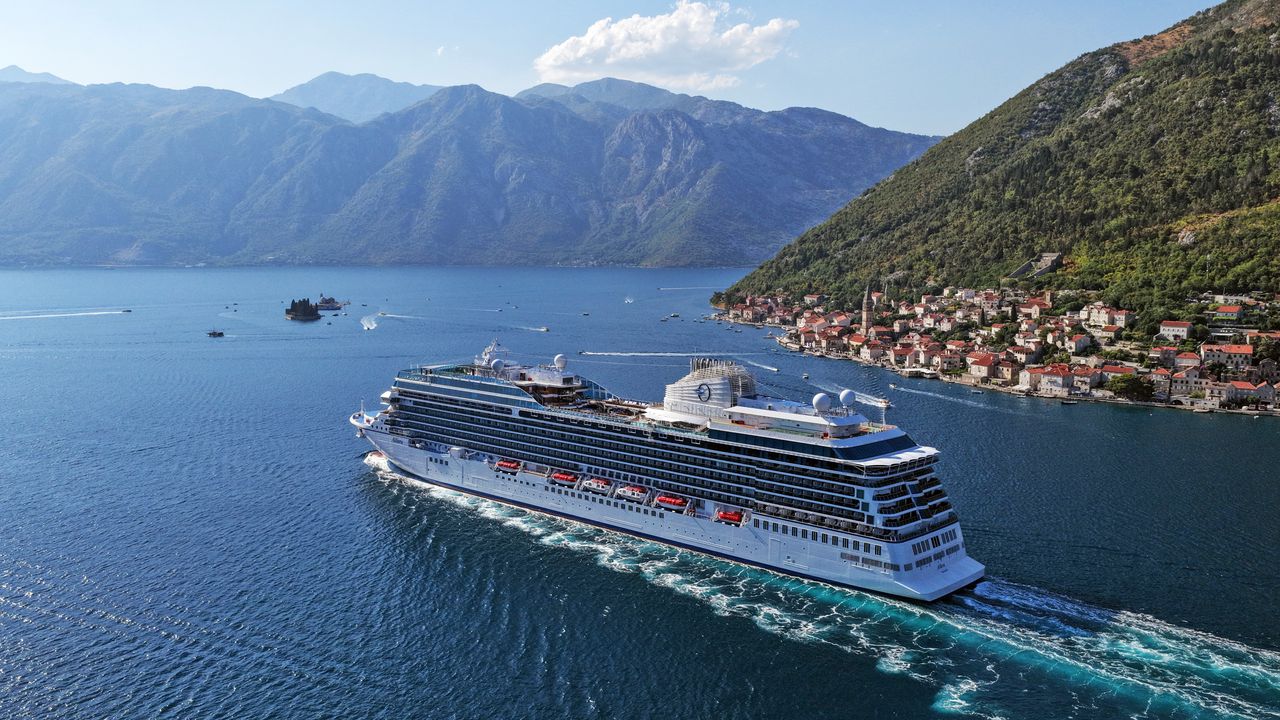
The modern cruise experience has successfully shed its "buffets and bingo" stereotype, evolving into a sophisticated platform for global exploration. Whether you are eyeing a 5,000-passenger floating city or a 150-guest river boat, the appeal remains constant: the ability to sample multiple countries or islands with the logistical ease of a luxury hotel that travels with you. However, with record-breaking demand, the 2026 season requires more strategic planning than ever before.
Finding Your Sea Legs: The Basics for Beginners
One of the most frequent questions I receive is: "How long should my first cruise be?" While it is tempting to test the waters with a 3-night "cruise to nowhere," I strongly advise against it. These short sailings often have a frenetic energy and don't provide a true sense of the cruise lifestyle. Conversely, a 14-night transoceanic voyage can feel isolating for a novice.
The 7-night itinerary remains the gold standard. It allows for roughly three or four port days and two full days at sea—perfect for discovering the ship's amenities without feeling rushed. When choosing your destination, think of the Caribbean as the "Tapas Menu" of cruising. It offers a variety of cultures, languages, and landscapes in small, digestible bites, making it the ideal entry point for the uninitiated.

Choosing Your Ship's "Vibe"
Not all cruise lines are created equal, and matching your personality to the brand is critical:
- Mega-Ships (Royal Caribbean, Norwegian, Carnival): Best for families and those who want Broadway-style shows, water slides, and 20+ dining options.
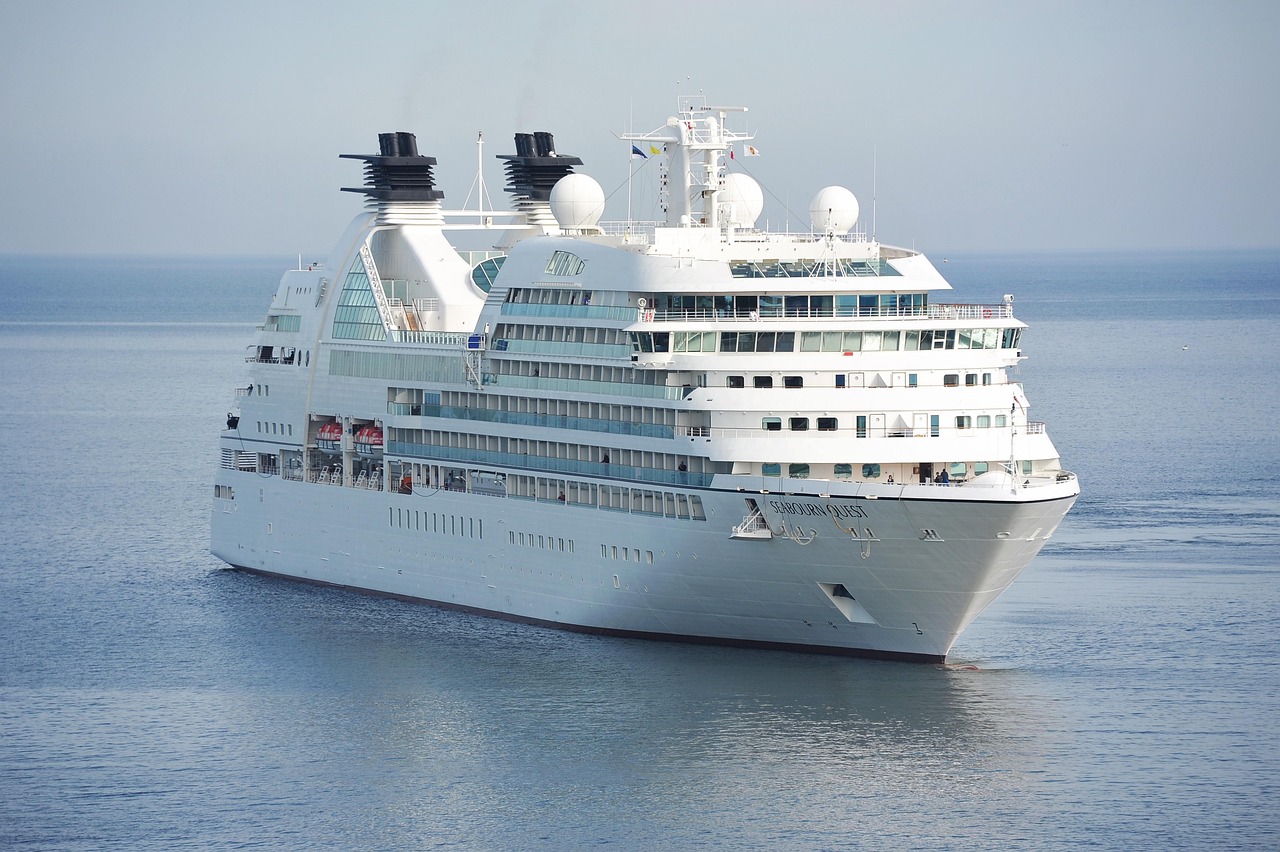
- Premium Lines (Celebrity, Virgin Voyages, Holland America): Ideal for couples or solo travelers seeking a more sophisticated atmosphere, better culinary focus, and fewer (or no) children.
- River Cruises (Viking, AmaWaterways): Perfect for those who prefer history and culture over entertainment. These ships are smaller and dock directly in the heart of European cities.
The Strategic Booking: When and How to Buy
The days of "last-minute deals" are largely a relic of the past. Market data indicates that major cruise lines are now opening reservation windows up to 24 months in advance to meet the record-breaking demand for 2026 and 2027 voyages. If you want a specific cabin or a high-demand itinerary like the Greek Isles or Alaska, you must act early.
The most lucrative time to book is during "Wave Season," the industry's version of Black Friday, which runs from January through March. During this period, cruise lines compete fiercely for your deposit, offering perks like free Wi-Fi, beverage packages, or significantly reduced fares.
Pro Tip: Always use a travel agent specializing in cruises. Unlike booking a flight, cruise pricing is complex. Agents have access to "blocked space" rates that aren't available to the general public, and they can often resolve issues (like missed connections) much faster than a call center.
New for 2026: Essential Travel Rules & Regulations
The 2026 season introduces several administrative hurdles that first-timers must navigate. The most significant is the full implementation of the ETIAS (European Travel Information and Authorization System) and the EES (Entry/Exit System). If your cruise departs from or visits any Schengen Area country (like Italy, Spain, or Greece), you will need to apply for this digital authorization before you leave home.
Furthermore, destination-specific taxes are on the rise. Hawaii has seen various legal discussions regarding tourist fees, and many Mediterranean ports are implementing "overtourism" levies. Always check if these fees are included in your cruise fare or if they will be added to your onboard account.
2026 Regulatory Checklist
| Requirement | Applicability | Action Needed |
|---|---|---|
| ETIAS Authorization | European Voyages | Apply online 30 days before departure |
| Passport Validity | All International Cruises | Must be valid for 6 months after return date |
| Real ID | US Domestic Sailings | Required for domestic flights to embarkation ports |
| Digital Health Apps | Selected Lines | Download the cruise line app for digital check-in |

Selecting Your Sanctuary: Cabin Categories Decoded
Your cabin—or "stateroom" in industry parlance—is more than just a place to sleep. It is your sanctuary. For first-timers, the price of an Interior Cabin (no windows) can be tempting, but consider the trade-offs. Without natural light, it’s easy to lose track of time, and some find these rooms claustrophobic.
If you are concerned about seasickness, the "Middle-Middle" rule is your best friend: book a cabin on a middle deck, located in the middle of the ship. This is the ship’s natural center of gravity and experiences the least amount of motion.
- Balcony/Veranda: The most popular choice. Having your own private outdoor space is worth the premium, especially in scenic areas like the Norwegian Fjords or Alaska.
- Suites: These often come with "ship-within-a-ship" access to private lounges, pools, and butler service.
- Obstructed View: These are cheaper balcony or oceanview rooms where a lifeboat might partially block your sightline. Always check a deck plan tool (the "SeatGuru" of ships) before confirming.
Budgeting for the 'Hidden' Extras
One of the biggest mistakes a first-timer can make is assuming the "sticker price" is the final price. While cruising is excellent value, the "all-inclusive" nature varies wildly by brand. On most mainstream lines, you should budget for the following:
- Gratuities: Usually $16–$20 per person, per day, automatically added to your bill.
- Specialty Dining: While the main dining room is free, "signature" restaurants (steakhouses, sushi, etc.) often carry a cover charge.
- Connectivity: Satellite Wi-Fi is expensive. If you need to stay connected, buy a package before you sail.

Many lines offer "Beverage Packages" or "Bar Tabs." If you enjoy more than 5–6 alcoholic drinks or premium coffees per day, these packages usually pay for themselves. However, if you are a light drinker, paying a-la-carte is almost always cheaper.
Shore Excursions: To Book or Not to Book?
Shore excursions are where the memories are made, but they can also be a significant expense. You have two main options: booking through the cruise line or booking independently.
- Ship-Sponsored Tours: These are generally more expensive, but they offer a "guaranteed return." If the tour is late, the ship will wait for you. If an independent tour is late, the ship will leave, and you are responsible for getting to the next port.
- Independent Exploration: Ideal for seasoned travelers or those in walkable ports (like many Mediterranean cities). It offers more flexibility and is often 30-40% cheaper.
Insider Tip: On port days when a city feels too crowded, stay on the ship. You’ll have the pools, spas, and lounges almost entirely to yourself—it’s like having a private yacht for the day.
Final Countdown: Packing and Embarkation Day
As your 2026 voyage approaches, the logistics shift from "where" to "how." The single most important rule of cruising is this: Arrive at your embarkation city at least one day early. In the era of frequent flight delays and cancellations, arriving on the morning of your cruise is a gamble you don't want to take. The ship will not wait for your delayed flight.

On embarkation day, keep your essential items (passports, boarding passes, medications, and a change of clothes) in a carry-on bag. Your checked luggage can take several hours to be delivered to your stateroom, and you’ll want to be able to enjoy the pool or lunch immediately.
Lastly, be prepared for the Muster Drill. By 2026, most lines have moved to a digital format. You’ll watch a safety video on your phone or stateroom TV, then simply check in at your designated station. It takes five minutes but is legally mandatory for every passenger.
FAQ: Your Most Common Cruise Questions
Q: Will I get seasick? Modern ships are equipped with massive stabilizers that counteract the rolling motion of the sea. Unless there is a significant storm, you will barely feel the ship move. If you are sensitive, choose a mid-ship cabin and bring ginger lozenges or Sea-Bands.
Q: Is there a dress code? The days of mandatory tuxedos are mostly over. Most lines embrace "Resort Casual" (sundresses, slacks, collared shirts). Even on "Formal Nights," a dark suit or a cocktail dress is usually more than enough.
Q: Can I stay connected to the internet? Yes, but remember you are in the middle of the ocean. Most 2026 ships use Starlink, which is remarkably fast, but it is still subject to the ship's position and weather. Expect to pay $20-$30 per day for high-speed access.
Ready to Set Sail?
Cruising in 2026 offers an unparalleled way to see the world, blending luxury with a sense of adventure that few other travel formats can match. By booking early, understanding the new regulations, and choosing an itinerary that fits your pace, you aren't just booking a vacation—you are unlocking a new way to experience the globe. The horizon is calling; it’s time to answer.