Quick Facts
- Primary Ancestral Hubs: To trace family heritage, focus on the western coastal regions of Rincón, Aguadilla, and Mayagüez, known for their deep-rooted communities and intact ancestral records.
- 2026 Travel Budget: Expect daily expenses to range between $85 and $145 per person. This covers heritage site admissions, traditional meals, and local transport.
- Cultural Density: Old San Juan contains over 400 meticulously restored buildings from the 16th to 18th centuries, making it the most preserved Spanish colonial center in the Western Hemisphere.
- The 3-Day Essential Itinerary: A balanced 2026 journey includes one day in Old San Juan (history), one day in Loíza and Isla Verde (Afro-Caribbean culture), and one day in El Yunque (indigenous Taino roots).
The Bedtime Story Island: Connecting with the Boricua Identity
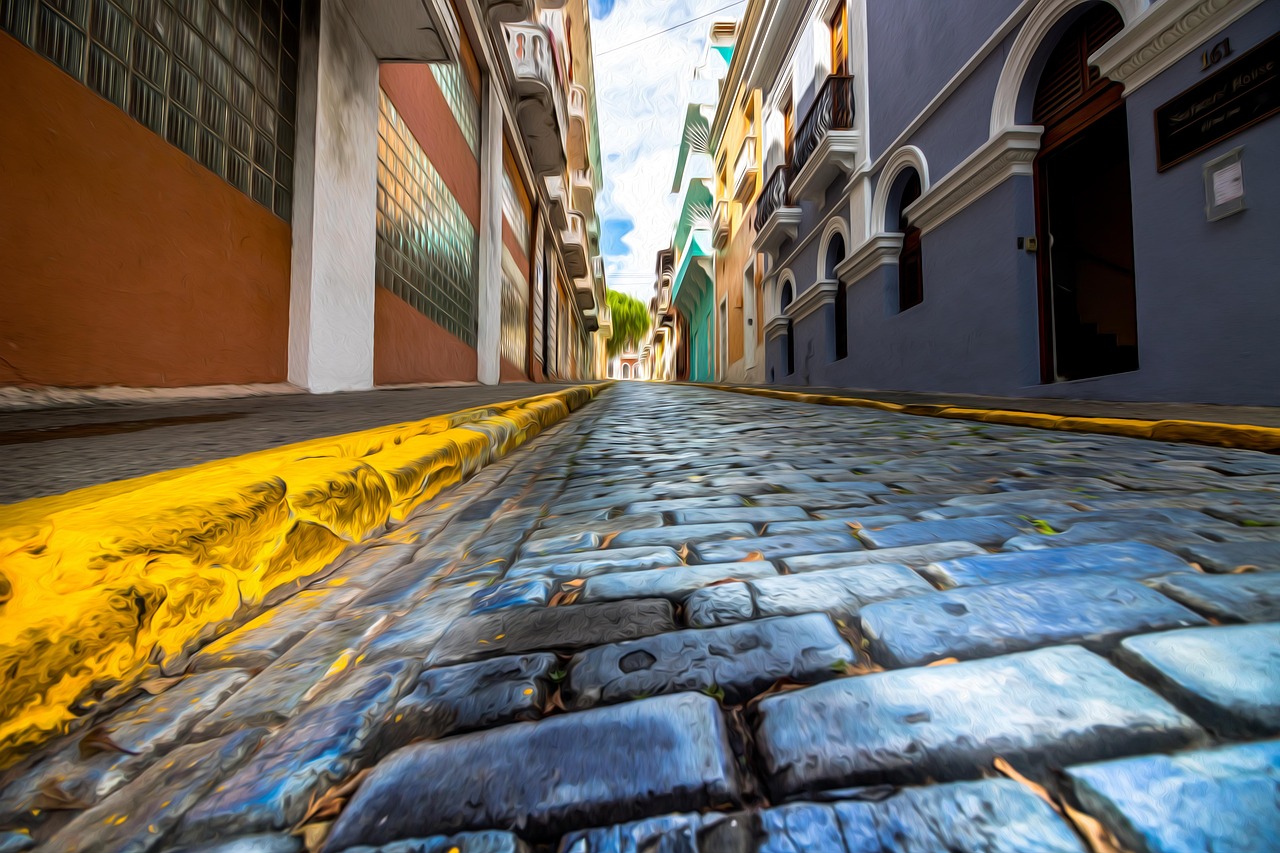
For those of us raised in the diaspora, Puerto Rico often begins as a collection of bedtime stories. It is the scent of sofrito sizzling in a Brooklyn kitchen, the rhythmic clicking of dominoes on a folding table in Chicago, or the way my father’s voice would soften when he spoke of the "blue" cobblestones of San Juan. To embark on a Boricua identity journey is to realize that these stories aren't just myths; they are invitations.
In 2026, the call to return feels more urgent than ever. As the island continues to evolve, the bridge between the past and the present has become a well-traveled path for those seeking their roots. Finding your heritage in Puerto Rico is not a passive vacation; it is an active reclamation. It requires wandering beyond the resort gates and into the heart of the pueblos, where history is etched into the limestone walls and the recipes are passed down like sacred hymns.
To truly trace a family lineage, one must look toward the western coast—specifically the regions of Rincón, Aguadilla, and Mayagüez. While San Juan is the gateway, the west is where the deep-rooted local communities have remained stewards of ancestral homes for generations. It is here, where the Atlantic meets the Caribbean, that the threads of Spanish, African, and Taíno ancestry weave into the complex tapestry of the modern Puerto Rican soul.
Planning Your Ancestral Pilgrimage: 2026 Practicalities
The logistics of a Puerto Rico heritage travel mission require a blend of modern tech and old-world patience. For U.S. citizens, the journey remains seamless—no passport is required, and the currency is the U.S. dollar, making it an accessible "homecoming." For international visitors, the standard U.S. entry requirements apply.
Navigating the costs of discovery in 2026 requires a mid-range mindset. While luxury remains an option, the heritage traveler often finds the most value in authentic, local experiences. On average, you should budget approximately $115 per day. This figure allows for a balance of free cultural sites, such as public plazas and beaches, and guided educational excursions that provide deeper context to the island’s history.
| Expense Category | Estimated Daily Cost (2026) | Notes |
|---|---|---|
| Dining (Cocina Criolla) | $35 - $50 | Focuses on local fondas and street food. |
| Transportation | $25 - $45 | Mix of rideshare and occasional car rental. |
| Cultural Admissions | $10 - $20 | Includes National Park fees and museum entries. |
| Miscellaneous | $15 - $30 | Coffee, snacks, and small local crafts. |
Roots Research Tip: Before you depart, visit the Archivo General de Puerto Rico website or use digital census records from the early 1900s to identify the specific "barrios" where your ancestors lived. This turns a general trip into a targeted pilgrimage.
Day 1: The Walled City and the Spanish Legacy
Your San Juan 3-day itinerary 2026 must begin in the old city. Walking through Old San Juan is like thumbing through a living history book. With over 400 meticulously restored 16th-century buildings, the city vibrates with a colonial energy that is both beautiful and haunting. The pastel facades—pinks, ochres, and seafoam greens—glow under the tropical sun, their wrought-iron balconies dripping with bougainvillea.
The anchor of this day is the Castillo San Felipe del Morro. For $10, you can walk the ramparts of a fortress that has stood for over 500 years. Standing at the "garitas" (sentry boxes) overlooking the crashing Atlantic, you feel the weight of the Spanish legacy. It was here that the island was fortified as the "Key to the Antilles."
As evening falls, find your way to La Mallorquina. Established in 1848, it is the island’s oldest culinary institution. Ordering the Asopao de Pollo here isn't just a meal; it’s a sensory bridge to the 19th century. The mirrored walls and white tablecloths reflect a bygone era of San Juan elegance, offering a taste of the refined Spanish influence that shaped the urban elite.
Day 2: The Afro-Puerto Rican Beat and Coastal Soul
The second day of your journey shifts from the stone walls of the Spanish to the rhythmic heartbeat of the African diaspora. Begin your morning at Isla Verde. While known for its resorts, the beach here represents the coastal culture that has sustained Puerto Rican families for centuries. The sea is a constant in the Boricua story—a source of food, a path of migration, and a site of spiritual cleansing.
From Isla Verde, travel east to Loíza Aldea. This is the soul of Afro-Puerto Rican heritage. In Loíza, the air feels different—thicker with the scent of wood-fired ovens and the sound of the Bomba drum. Loíza was settled by enslaved Yoruba people, and their influence remains the most potent cultural force on the island.

Participating in a Puerto Rico cultural tour in Loíza is essential. Seek out the Ayala family, renowned for their traditional Vejigante masks made from coconut shells. Watching a Bomba dance—where the dancer dictates the beat of the drum through their movements—is a profound lesson in agency and resistance. It is a reminder that heritage is not just something we inherit, but something we perform.
Day 3: Nature and the Taino Spirit
The final leg of the San Juan itinerary takes you into the clouds. El Yunque National Forest is the only tropical rainforest in the U.S. National Forest System, but for those seeking their roots, it is a cathedral. Before the Spanish arrived, the indigenous Taíno people considered these peaks sacred, the home of their protector god, Yuquiyú.
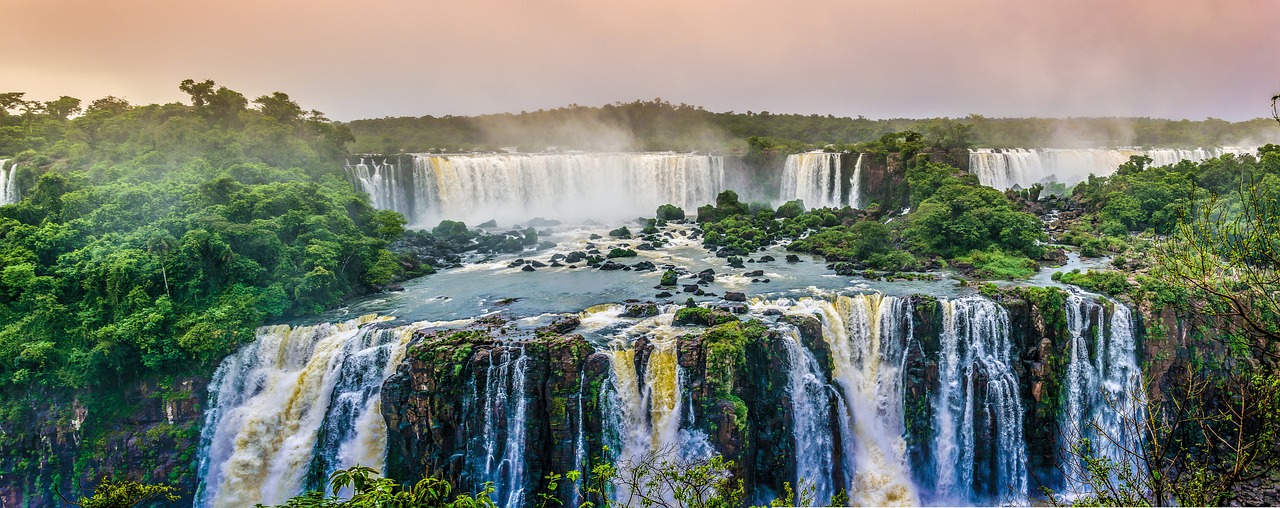
As you hike toward the La Mina falls or climb the Yokahú Tower, listen to the Coquí frog. Its high-pitched "ko-kee" is the soundtrack of the island’s soul. The Taíno spirit lives on in the names of our towns (Utuado, Caguas, Humacao) and in the very DNA of the Puerto Rican people.
To connect deeper, explore the Taino Route, looking for petroglyphs carved into the river stones. These ancient markings are the silent signatures of a people who were once thought to be extinct but whose blood still flows through the modern Boricua.
Beyond San Juan: Tracing Roots in the West
If your family history leads you away from the capital, you will likely find yourself heading west. This is where the landscape shifts from urban sprawl to rugged cliffs and rolling hills. Rincón and Aguadilla are often associated with surfing today, but their history is one of small-scale farming and fishing. These towns feel more intimate; the "Buenos días" from a neighbor on a porch feels more personal.
Mayagüez, once the "Sultan of the West," offers a different perspective. It was a center of the needlework industry and coffee trade. Walking through the Plaza de Colón, you can imagine the 19th-century bustle. For many heritage travelers, this is where the "paper trail" becomes a physical reality—visiting a local cemetery to find a great-grandmother’s headstone or finding the street name that matches a family surname.
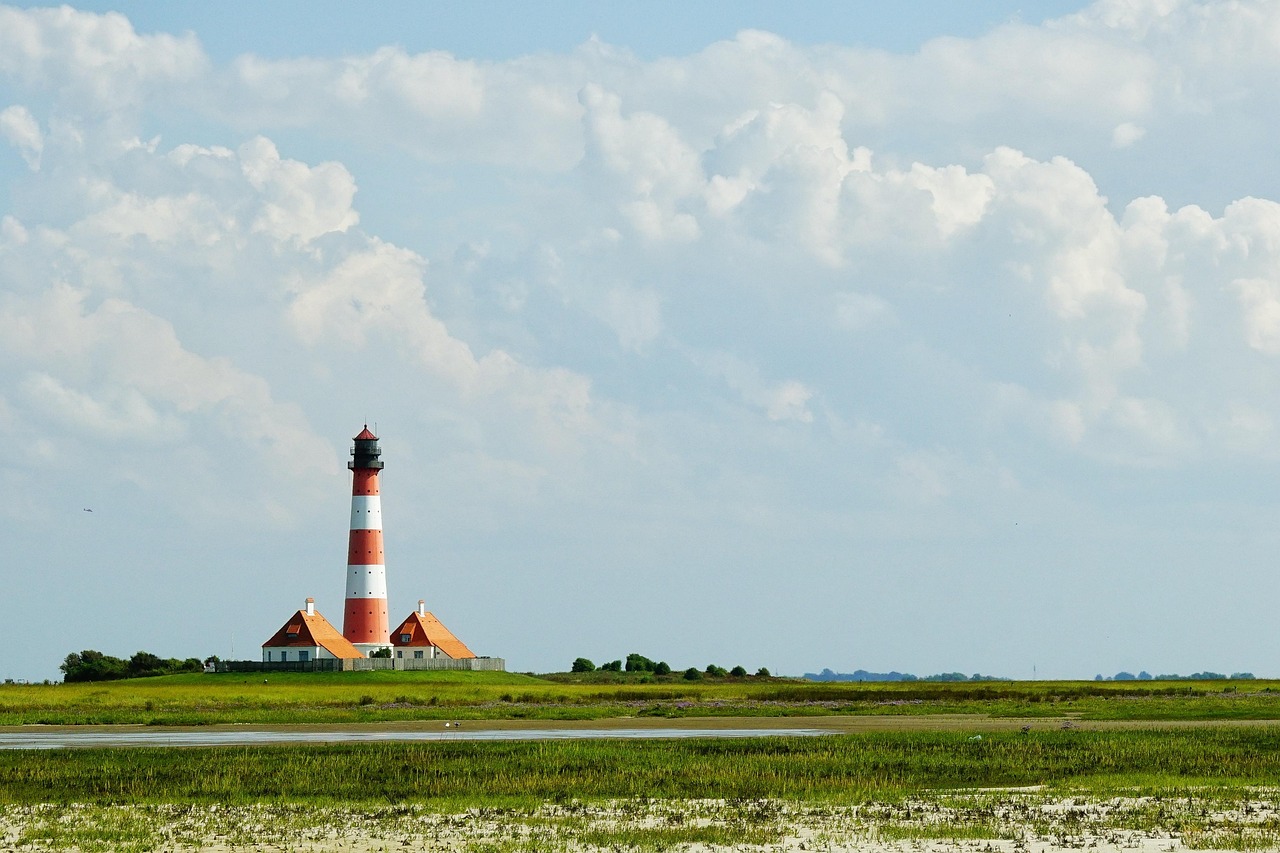
The western region represents the endurance of the Puerto Rican spirit. It is less manicured than San Juan, more raw, and perhaps more honest. It is the place where you can truly sit with the silence of the past.
Authentic Encounters: A Guide to 'Cocina Criolla'
You cannot find your heritage without tasting it. Cocina Criolla, the island’s "creole" cooking, is the ultimate fusion of Taíno, Spanish, and African flavors. It is a cuisine built on the "Holy Trinity" of garlic, onions, and peppers (sofrito).
- Mofongo: The undisputed king of the table. Fried green plantains mashed with garlic, olive oil, and pork cracklings (chicharrón). It is heavy, hearty, and tastes like home.
- Arroz con Gandules: Rice with pigeon peas, seasoned with salt pork and achiote. This is the celebratory dish of every Puerto Rican household.
- Mallorcas: Soft, sweet yeast buns dusted with powdered sugar. Best enjoyed at a local bakery with a cup of strong Puerto Rican coffee.
For an authentic experience, skip the high-end bistros one night and head to La Casita Blanca in Santurce or Pa’l 22 in the mountains. These eateries serve food that tastes like a grandmother’s kitchen—unpretentious, generous, and deeply comforting.

2026 Transportation: Getting Around
Navigating Puerto Rico has become easier with the expansion of rideshare apps, but for a true roots journey, a rental car is often necessary to reach the remote mountain barrios.
| Feature | Uber/Rideshare | Rental Car |
|---|---|---|
| Best For | San Juan city travel & nights out. | Exploring El Yunque, Loíza, and the West Coast. |
| Availability | High in metro areas; rare in rural towns. | High at SJU airport; book 2 months in advance. |
| Daily Cost | $40 - $70 (2-3 trips) | $65 - $95 (including insurance/gas) |
| Authenticity | Direct, no-stress. | Allows for spontaneous stops at roadside lechoneras. |
Frequently Asked Questions (FAQ)
Q: Do I need to speak Spanish to trace my heritage in Puerto Rico? While English is widely spoken in tourist areas, having a basic grasp of Spanish is incredibly helpful when visiting smaller towns in the west or speaking with local elders and church officials for genealogical research. It shows a level of respect for the culture you are seeking to join.
Q: Is it safe to travel to the rural mountain regions alone? Generally, yes. Puerto Ricans are known for their "hospitality of the heart." However, the mountain roads can be narrow and winding with steep drop-offs. It is best to do your driving during daylight hours and ensure your GPS is downloaded for offline use, as cell service can be spotty in the peaks of the Central Cordillera.
Q: What is the best time of year for a heritage-focused trip? If you want to experience the peak of Puerto Rican culture, visit during the Christmas season (late November to mid-January). The island celebrates the longest Christmas in the world, filled with parrandas (musical caroling) and traditional foods that have been part of the heritage for centuries.
Start Your Journey of Discovery
Finding your heritage is more than a checklist of sites; it is a shift in perspective. It is the moment you stop looking at Puerto Rico as a destination and start seeing it as a part of yourself. Whether you are tracing a lineage through the archives of Mayagüez or simply standing on the shores of Loíza feeling the rhythm of the drums, you are participating in a story that began long before you were born and will continue long after.
The island is waiting. The coffee is brewing, the coquí is calling, and your history is written in the salt air.