Quick Facts
- The Verdict: Specialized AI wearables like the Humane Ai Pin and Rabbit R1 have largely failed to disrupt the travel industry due to thermal issues, poor battery life, and a lack of offline capabilities.
- The Winner: By 2026, smartphones have evolved into "AI-first" devices, with GenAI-powered units capturing 30% of the global market (over 370 million units shipped).
- Technical Edge: Modern mobile NPUs (Neural Processing Units) now exceed 7 trillion operations per second (TOPS), allowing for real-time translation and image reconstruction without an internet connection.
- Essential Tool: For the modern traveler, an integrated ecosystem like MaaltalkNow—which combines AI-driven eSIM management with real-time translation—is more valuable than any standalone gadget.
The travel industry is no stranger to "the next big thing." I’ve spent two decades reviewing everything from the first handheld GPS units to the rise of the digital nomad's ultra-portable workstation. But in the last 24 months, we’ve witnessed a peculiar phenomenon: the rise and rapid plateau of the standalone AI gadget. The promise was seductive—a "screenless" future where a wearable pin or a pocket-sized orange box would act as your omniscient tour guide.
However, as we move through 2026, the data and the lived experience of frequent flyers tell a different story. The "AI Revolution" in travel isn't happening on your lapel or a lanyard; it is happening within the five-inch slab of glass already in your pocket. The reality is that dedicated AI gadgets currently lag significantly behind smartphones due to hardware glitches, limited app integration, and a fatal reliance on cloud connectivity in regions where 5G is still a luxury. For a traveler, reliability isn't just a feature—it’s a safety requirement.
The AI Hype vs. Travel Reality
In early 2024, the tech world was abuzz with devices like the Humane Ai Pin and the Rabbit R1. They promised a world where you could simply "ask" your way through Tokyo or Paris. In practice, travelers encountered a different reality. These devices often overheated under the sun of the Mediterranean, their batteries rarely lasted a full day of sightseeing, and they struggled with the latency of international roaming networks.
When you are standing in a bustling market in Marrakesh, you don't need a device that takes five seconds to "think" in the cloud. You need a device with the local processing power to translate a spice merchant's rapid-fire dialect instantly. This is where the smartphone ecosystem, with its mature hardware and deep app integration, has effectively ended the "AI Pin" experiment for the serious traveler.
Why Your Smartphone is the Ultimate AI Travel Companion
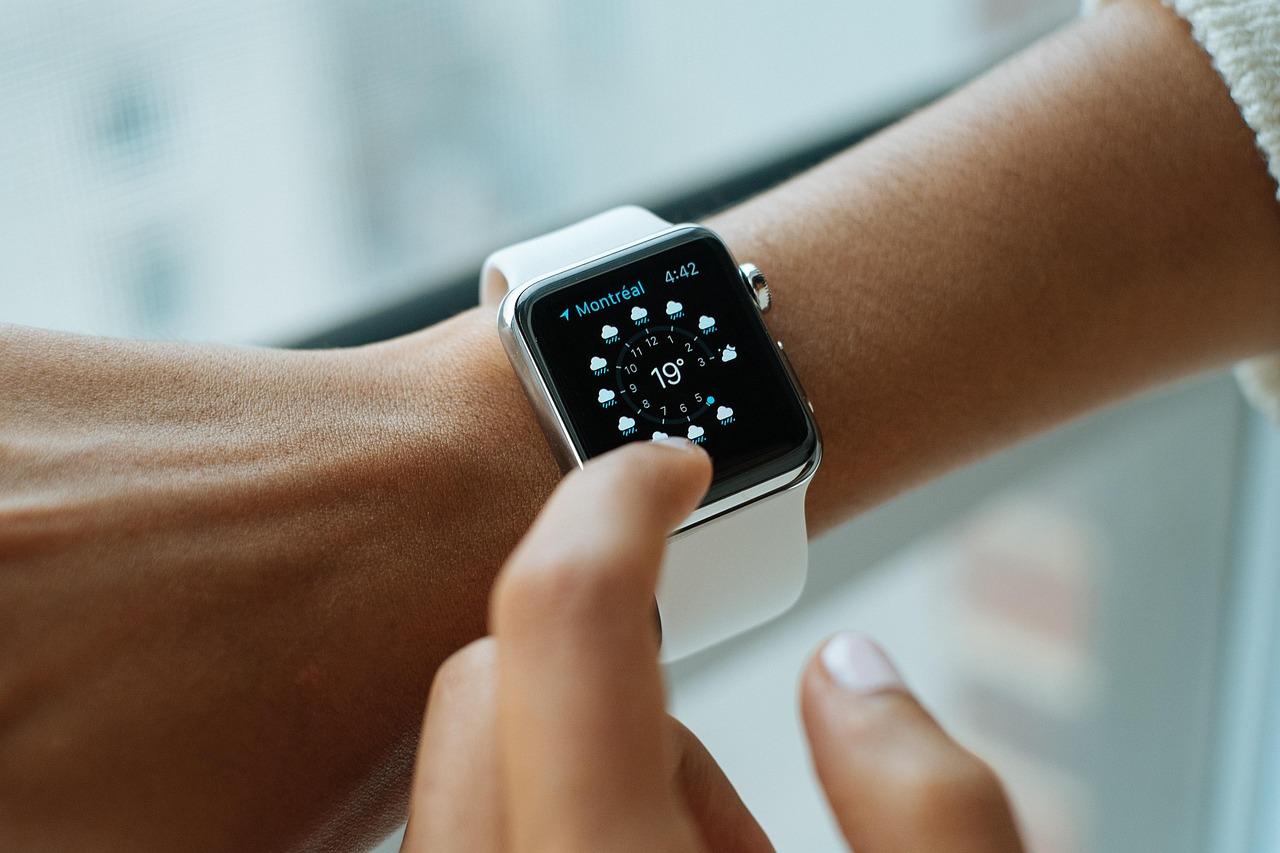
The shift toward smartphone dominance in the AI space isn't just about brand loyalty; it’s about raw computational power. By 2025, Generative AI-powered smartphones captured 30% of the global market share, with over 370 million units shipped. This massive scale allowed manufacturers to invest billions into specialized silicon: the NPU.
In 2026, the leading mobile chips are capable of processing over 7 trillion operations per second (TOPS). Why does this matter for a traveler? It means the AI isn't "calling home" to a server in California to figure out what a sign says in Kyoto. It is performing complex image reconstruction and real-time voice synthesis directly on the device. This "On-Device AI" provides two critical advantages for international travel:
- Privacy: Your biometric data, flight details, and private conversations stay on your phone, not a third-party AI server.
- Offline Reliability: You can translate menus, navigate subways, and edit photos in "Airplane Mode" or in remote areas with zero connectivity.

Top AI-Powered Smartphones for Travelers in 2026
Choosing the right device for 2026 depends on your travel persona. Whether you are a business executive needing seamless logistics or a content creator requiring professional-grade optics, the "Big Three" have specialized their AI offerings.
| Model | Price (est.) | Key AI Feature for Travelers | Battery Life (Travel Mode) |
|---|---|---|---|
| Samsung Galaxy S25 Ultra | $1,299 | Live Call Translation & Note Assist | 28+ Hours |
| Google Pixel 10 Pro | $999 | Magic Cue & Auto Best Take | 24+ Hours |
| iPhone 17 Pro Max | $1,199 | Privacy-First Apple Intelligence | 26+ Hours |
| OnePlus 13 | $899 | AI Battery Management & Fast Charge | 22+ Hours |
Samsung Galaxy S25 Ultra: The Productivity Workhorse
The S25 Ultra remains the gold standard for the business traveler. Its integrated "Note Assist" can record a 30-minute meeting in a foreign language and provide a bulleted summary in English within seconds. The "Live Translate" feature for phone calls has also been refined to work across 25+ languages with near-zero latency, making it invaluable for booking local services or navigating logistics in real-time.
Google Pixel 10 Pro: The Photographer’s Dream
Google’s lead in computational photography is bolstered by the Tensor G5 chip. Features like "Magic Cue" suggest the best angles for landmarks based on crowd density and lighting. "Auto Best Take" uses AI to ensure every person in a group shot is smiling and looking at the camera, even if the original burst didn't capture it. For the traveler who wants DSLR results without the weight, the Pixel 10 Pro is the clear winner.
iPhone 17 Pro Max: The Security Specialist
Apple’s approach to AI—branded as "Apple Intelligence"—prioritizes on-device processing. For travelers concerned about data security on public Wi-Fi or in sensitive regions, the iPhone 17 Pro Max offers the most robust privacy architecture. Its AI-driven "Siri Pro" can now pull context across all your apps, surfacing your hotel confirmation number exactly when you arrive at the front desk without you having to search your inbox.
The Essential AI Travel Toolkit (Apps & Services)
Hardware is only as good as the software it runs. In 2026, we have moved past the era of single-purpose apps. The most effective travel tools are those that integrate AI across multiple pain points: connectivity, communication, and planning.
- MaaltalkNow: This is the current "must-have" for the tech-savvy traveler. It goes beyond simple eSIM sales by using AI to analyze your itinerary and recommend the best local data plans based on real-time network performance data. Furthermore, MaaltalkNow integrates real-time translation and budget tracking, effectively turning your phone into the "Wearable Assistant" the AI Pin failed to be.
- Layla: For those who find itinerary planning a chore, Layla uses generative AI to build minute-by-minute schedules. It doesn't just suggest popular spots; it analyzes social media trends and real-time weather to ensure your "perfect day" in London doesn't get rained out.
- Google Translate / X-doc.AI: While Google remains the king of visual translation (point your camera at a sign and see it change in real-time), newcomers like X-doc.AI are specializing in translating complex travel documents, such as insurance policies or rental agreements, into plain English.
Experience MaaltalkNow AI Travel Services →

Practical Use Cases: AI in the Wild
To truly understand why the smartphone is the superior AI device, we must look at how these features manifest in a traveler's daily life.
Real-Time Navigational Confidence
Imagine you are navigating the backstreets of Singapore's Geylang district. In 2026, your phone’s AI vision doesn't just tell you where the restaurant is; it scans the menu hanging in the window, cross-references it with your dietary preferences stored in your health app, and warns you if a dish contains allergens—all while translating the prices into your home currency.

Professional Content on the Go
The days of carrying a 100-400mm lens are numbered. AI-driven photography on the Samsung S25 Ultra now uses "100x ProRes Zoom," where AI fills in the missing data of a distant subject (like a lion on a safari) using generative reconstruction. The result is a sharp, 48MP image that looks like it was taken from ten feet away, not half a mile.

Logistics Management
AI now acts as a silent concierge. If your flight in Frankfurt is delayed, your phone's AI doesn't just notify you; it automatically checks for the next available flight, messages your hotel to update your check-in time, and adjusts your train ticket—often before you’ve even had time to get frustrated.
Conclusion: The Pocket Revolution
The "Wearable AI" trend was a necessary stepping stone, but it ultimately proved that the smartphone's versatility is unmatched. As a critic, my advice is simple: don't invest in a standalone AI gadget that will likely be a paperweight by 2027. Instead, invest in a flagship smartphone with a high-TOPS NPU and leverage an integrated ecosystem like MaaltalkNow for your connectivity and translation needs.
The best AI travel device isn't a futuristic pin or a talking pendant. It’s the device you already know how to use, enhanced by the most powerful mobile processors in history.
FAQ
Q: Are AI pins and wearables ever going to be useful for travel? A: Currently, they serve as niche accessories. Until they can match the battery life and "On-Device" processing power of a flagship smartphone, they will remain secondary devices rather than replacements.
Q: Do I need a 5G connection for these AI features to work? A: One of the biggest shifts in 2026 is "On-Device AI." While some planning tools require data, features like real-time translation and photo editing now run locally on your phone's NPU, meaning they work perfectly even without a signal.
Q: Is it worth upgrading to a 2026 flagship just for the AI? A: If you travel internationally more than three times a year, the answer is yes. The jump in translation speed and camera reconstruction between 2024 and 2026 models is the most significant leap we’ve seen in a decade.
Planning your next adventure? Don't get left behind by outdated tech. Ensure your smartphone is equipped with the right tools to navigate the globe.