Quick Facts
- The Struggle is Real: Research indicates that up to 40% of travelers experience some level of flight anxiety, frequently triggered by the confined nature of aircraft cabins.
- The $20 Hero: High-quality, ergonomic earplugs help manage claustrophobia by blocking the "steady internal hum" of the plane, reducing sensory overload and calming the nervous system.
- Seat Strategy: The aisle seat is the gold standard for claustrophobic flyers, offering a psychological "escape route" and a greater sense of open space.
- The 4-7-8 Rule: A simple breathing pattern (inhale 4, hold 7, exhale 8) acts as a natural sedative for the brain during moments of panic.
- Duration of Relief: A modest $20 investment in the right sensory gear can provide up to 8 months of consistent anxiety management for frequent flyers.
The 'Trapped' Feeling at 30,000 Feet
We’ve all been there. You’ve successfully navigated the chaos of TSA, grabbed your overpriced oat milk latte, and found your seat. But the moment that heavy cabin door thuds shut, something shifts. The air feels a little thinner, the ceiling seems a few inches lower, and suddenly, the realization hits: you are in a pressurized metal tube 30,000 feet in the air, and you cannot leave.
For many of us, flight claustrophobia isn’t just a "dislike" of small spaces; it’s a visceral, physiological response. Your palms start to sweat, your heart begins to race, and your brain starts screaming that you’re trapped. It’s a common phenomenon—statistics show that nearly 40% of travelers deal with some form of flight-related anxiety, often rooted in the confined nature of the cabin and the total loss of control over one's environment.
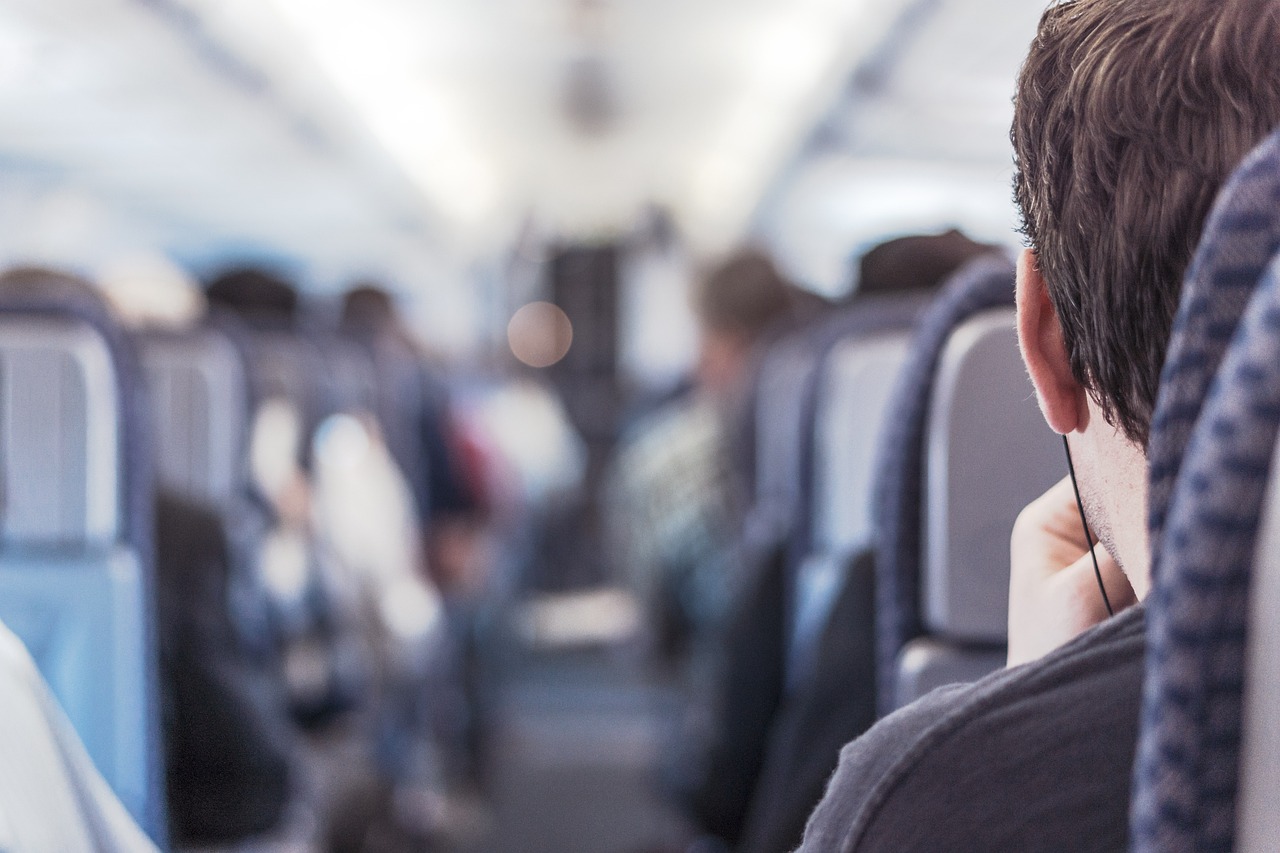
The trigger isn't just the physical dimensions of the seat. It’s the sensory overwhelm—the flickering lights, the proximity of strangers, and that constant, low-frequency drone of the engines that keeps your nervous system on high alert. When your brain is already scanning for threats, every "ding" of the seatbelt sign feels like an alarm.
My $20 Sensory Hack: Why Earplugs are a Game Changer
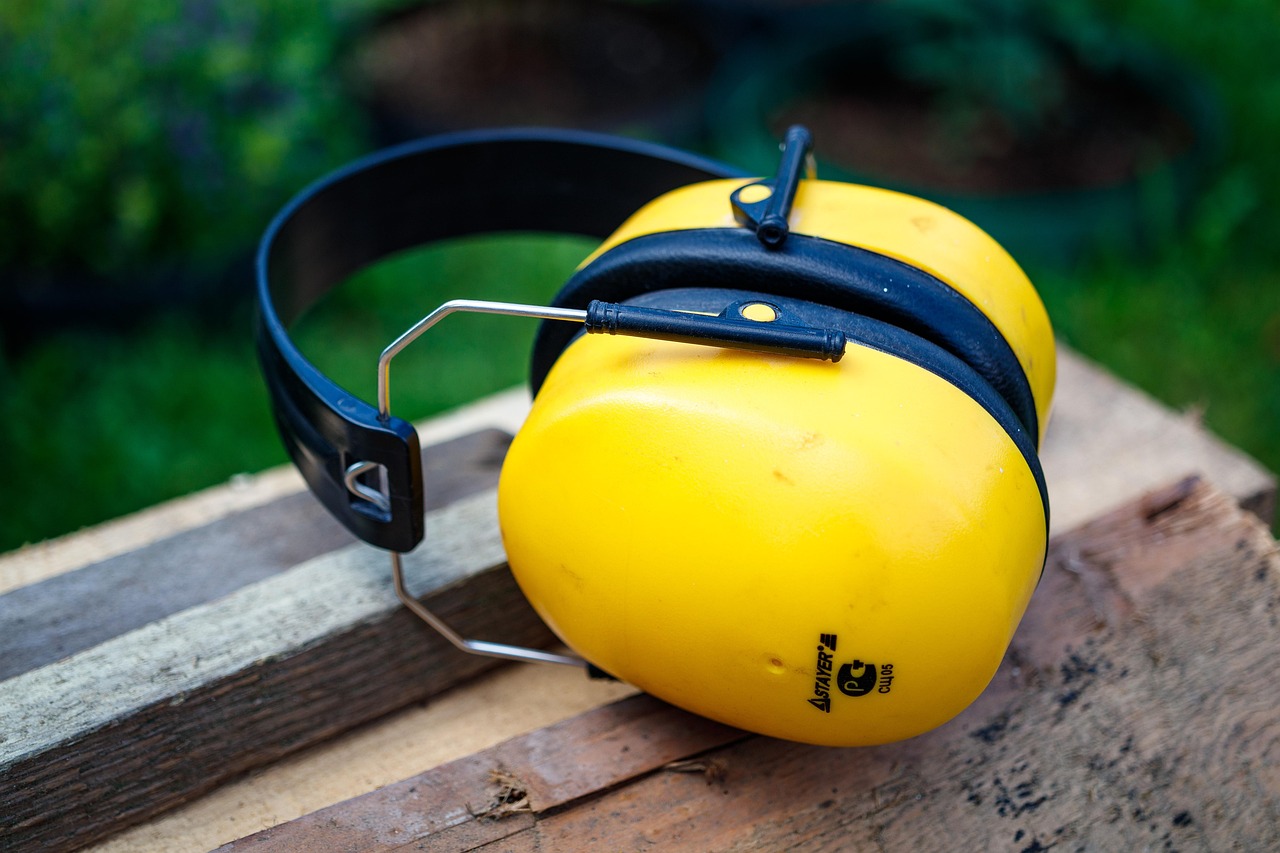
Last year, while prepping for a long-haul flight to Tokyo, I stumbled upon a solution that sounded almost too simple to be true. I’ve tried the weighted blankets, the herbal teas, and the expensive noise-canceling headphones. But the real game-changer? A specific pair of $20 ergonomic, noise-reducing earplugs.
You might wonder, how can earplugs help with flight claustrophobia? It’s all about sensory deprivation and control. Claustrophobia is often exacerbated by "sensory flooding." When you block the steady internal hum of the aircraft, you aren't just silencing noise; you are creating a controlled auditory environment. By lowering the decibel levels of the screaming engines and the chatter of 200 strangers, you effectively "shrink" the world around you into a private, manageable sanctuary. This reduction in external stimuli prevents your nervous system from reaching that "red zone" of panic.
I personally swear by brands like Curvd or Loop. Unlike foam earplugs that feel invasive or muffled, these are designed to filter sound while remaining incredibly comfortable for hours. A modest $20 investment in these little tools can provide up to 8 months of consistent anxiety management for frequent flyers. They don't just block noise; they block the feeling of being overwhelmed by your surroundings.
Expert Tip: If you feel a panic attack rising, pop your earplugs in and close your eyes. By removing the auditory and visual triggers of the "trapped" space, you trick your brain into feeling like you are in a much larger, quieter room.
Choosing the Right 'Escape' Seat
While the right gear is essential, your physical position on the plane is the foundation of a calm flight. For someone struggling with claustrophobia, the "window vs. aisle" debate isn't about the view—it's about survival.
The aisle seat is the optimal choice for claustrophobic passengers. Why? Because it offers a psychological "escape route." Even if you never actually get up, knowing that you could stand up and walk to the galley without climbing over two sleeping strangers provides a massive sense of relief. It breaks the feeling of being "boxed in" by the window or the person next to you.
| Feature | Window Seat | Aisle Seat |
|---|---|---|
| Sense of Space | Feels "walled in" on one side. | Open on one side; feels roomier. |
| Mobility | Requires permission to move. | Instant access to the aisle. |
| Visual Trigger | Great for horizons, but can feel high. | Focuses on the interior "hallway." |
| Panic Management | Can feel trapped against the hull. | Best for those needing "escape" routes. |
Beyond just picking the aisle, I always recommend boarding a bit later if possible. Spending an extra 20 minutes in the spacious terminal rather than sitting in a hot, cramped cabin while 200 people struggle with overhead bins can prevent your anxiety from spiking before the plane even moves.
The Emergency Toolkit: Breathing and Temperature Hacks
Even with the best seat and the best earplugs, turbulence or a delay on the tarmac can trigger those old feelings. When you feel that tightening in your chest, you need a toolkit of "reset" buttons for your brain.
The most powerful tool in your arsenal is the 4-7-8 Breathing Technique. This isn't just "mindfulness" fluff; it is a physiological override. By forcing your breath into a specific rhythm, you are manually sedating your nervous system.
How to do the 4-7-8 Technique:
- Inhale quietly through your nose for a count of 4.
- Hold your breath for a count of 7.
- Exhale forcefully through your mouth, making a whoosh sound for a count of 8.
This long exhale is the key—it signals to your vagus nerve that you are safe, lowering your heart rate almost instantly.

If breathing isn't enough, try the "Chill Out" trick. Anxiety causes your core temperature to rise, which can make the cabin feel even more suffocating. Ask the flight attendant for a cup of ice or a very cold beverage. Hold the cold cup against your wrists or place an ice cube on your forehead. The sudden temperature drop can "shock" your parasympathetic nervous system back into control, pulling you out of a panic loop.
Another favorite of mine is the 5-4-3-2-1 Grounding Method. When the walls feel like they are closing in, stop and name:
- 5 things you can see (the seatback pocket, your shoes, the exit sign).
- 4 things you can touch (the fabric of your jeans, the cold armrest).
- 3 things you can hear (the hum of the plane, a muffled conversation).
- 2 things you can smell (your hand sanitizer, the cabin air).
- 1 thing you can taste (a mint or gum).

Long-Term Management: Exposure and Reframing
While these hacks are perfect for "in-the-moment" relief, the ultimate goal is to reframe how your brain perceives flying. Claustrophobia often stems from a feeling of being a "victim" of the space. To counter this, I’ve started practicing active reframing. Instead of thinking, "I am trapped in this seat," I tell myself, "I am choosing to be in this seat because it is the vehicle taking me to a beautiful beach in Greece."
You are a passenger, yes, but you are also the pilot of your own internal experience.
For those whose claustrophobia feels debilitating, consider gradual exposure therapy. This might involve spending time in elevators or small rooms while practicing your 4-7-8 breathing. If the fear remains overwhelming, Cognitive Behavioral Therapy (CBT) can be incredibly effective at deconstructing the irrational thoughts that lead to panic.
FAQ
Q: Can I use regular foam earplugs, or do I need the $20 version? A: Foam earplugs work for noise, but they often create a "plugged" feeling that can actually make some claustrophobic people feel more trapped because they can hear their own heartbeat or breathing too loudly. Ergonomic plugs like Curvd or Loop filter the noise without that "stuffy" sensation, making them much more effective for anxiety management.
Q: What if I can’t get an aisle seat? A: If you're stuck in a middle or window seat, focus heavily on the sensory hacks. Use your noise-reducing earplugs, an eye mask to "expand" your visual field into a dark, open space, and use the cold water trick to keep your physical anxiety symptoms in check.
Q: Should I tell the flight attendants about my claustrophobia? A: Absolutely. Most flight attendants are trained in basic first aid for anxiety. Simply letting them know, "I get a bit claustrophobic, so I might need an extra glass of water or to stand up for a moment," can take the pressure off you and ensure you have an ally on board.
Conclusion
Flight claustrophobia doesn't have to ground your travel dreams. By combining a few strategic choices—like the aisle seat and the $20 earplug hack—with science-backed breathing techniques, you can transform the cabin from a cage into a cocoon. Travel is about the destination, but the journey doesn't have to be a struggle. Pack your sensory toolkit, take a deep breath, and remember: you are in control.