Quick Facts
- The 12-Week Rule: Booking exactly 12 weeks (84 days) in advance is the "sweet spot," potentially slashing fares by up to 70% compared to last-minute purchases.
- Accommodation Arbitrage: Utilizing the new wave of night trains, like the ÖBB Nightjet, can save an average of 40% on total cross-border travel costs by eliminating one night of hotel fees.
- Shoulder Season 2.0: The cheapest travel windows for 2026 are shifting to late March/early April and late October/mid-November, offering significantly lower fares than the traditional summer peaks.
- Regional Dominance: Opting for regional trains over high-speed lines for short-to-medium distances often results in a 40% saving, though you’ll trade a bit of time for the extra cash.
The New Golden Age of European Rail
I’ve spent the better part of a decade crisscrossing Europe with a 40L pack and a very thin wallet. In the early days, "budget travel" meant enduring 18-hour bus rides that smelled of stale coffee and desperation. But 2026 is different. We are entering a new golden age of rail travel, where a massive influx of private operators and a sleeper train revival have made the tracks the place to be. However, there’s a catch: if you book like a tourist, you’ll pay like one.
The romantic appeal of watching the Swiss Alps blur past your window is often crushed by the reality of a €180 last-minute ticket from Zurich to Milan. To travel Europe by rail in 2026 without draining your savings, you have to stop thinking like a passenger and start thinking like a strategist. It’s about more than just finding a seat; it’s about hacking the system of dynamic pricing, leveraging "Shoulder Season 2.0," and mastering the 12-week booking window.
Hack 1: Master the '12-Week Window' for 70% Savings
Most travelers assume that train tickets have a fixed price. They don’t. Much like airlines, major European rail operators (SNCF, Deutsche Bahn, Renfe, and Trenitalia) use dynamic pricing. The "sweet spot" for these fares is generally 12 weeks before departure. This is when "advance-purchase" fares—often called Sparpreis in Germany or Prems in France—are released into the wild.
I’ve tracked these prices religiously. Booking exactly 12 weeks out can reduce European rail fares by up to 70% compared to standard walk-up prices. If you wait until the week of travel, you’re essentially paying a "procrastination tax." To win this game, you need to set alerts. Use apps like Trainline or Omio to track specific routes, but always cross-check with the official national carrier’s site to avoid third-party booking fees.
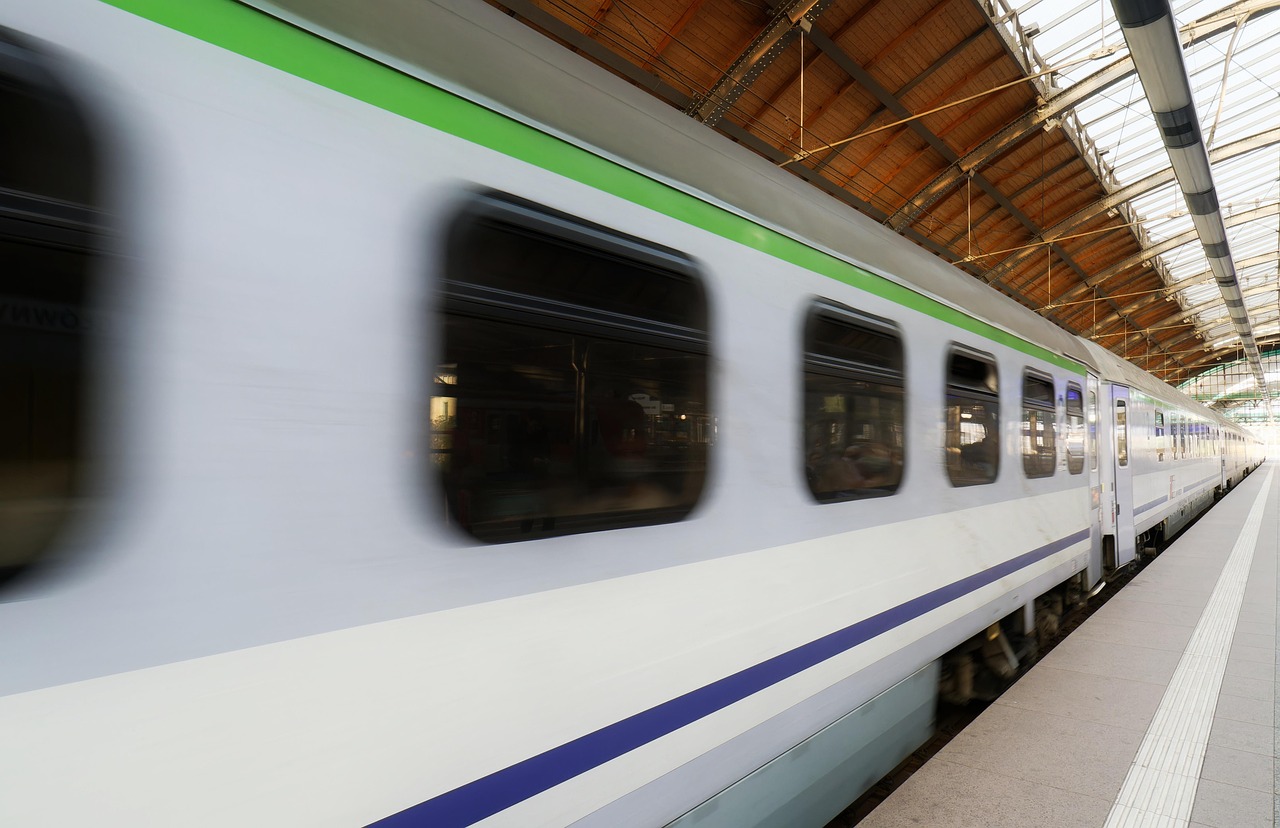
When the clock strikes 12 weeks out, be ready. These discounted tickets are limited in quantity. Once the "Super Economy" tier is gone, the price jumps to the next bracket, and it never goes back down.
Search 12-Week Advance Fares →
Hack 2: Use Night Trains as 'Hotel-on-Wheels'
In 2026, the night train is no longer a relic of the past; it’s a budget traveler's secret weapon. I call this "Accommodation Arbitrage." By booking a sleeper or a simple couchette, you are essentially combining your transit cost and your accommodation cost into one single transaction.
The math is simple. A high-speed day train from Vienna to Paris might cost €90, plus a €120 hostel or hotel night. A bunk on the ÖBB Nightjet might cost €110 total. Switching from high-speed day trains to regional or night trains can save budget travelers an average of 40% on total cross-border transit and lodging costs.

Pro Tip: Look for the new European Sleeper routes, specifically the Brussels-Berlin-Prague line. It’s a favorite for 2026 because it connects three major budget hubs for the price of a single bunk.
Top 5 Night Train Routes for 2026
- Vienna to Paris (ÖBB Nightjet): Cross the heart of Europe while you sleep.
- Brussels to Prague (European Sleeper): The ultimate backpacker link.
- Stockholm to Berlin (Snälltåget): A scenic route that skips the expensive Scandinavian flight.
- Zurich to Rome (Nightjet): Wake up to espresso and ancient ruins.
- Budapest to Bucharest (CFR Calatori): An old-school, incredibly affordable sleeper experience.
Hack 3: Interrail vs. Eurail Pass Optimization
One of the biggest mistakes I see backpackers make is buying a global rail pass by default. While the Interrail (for Europeans) and Eurail (for everyone else) passes offer incredible freedom, they aren't always the cheapest way to travel Europe by rail in 2026.
If you are traveling in "expensive" rail countries like France, Italy, or Spain, you must pay mandatory seat reservation fees—often €10 to €20 per leg—on top of your pass price. However, if you are hitting the "New East" (Poland, Hungary, Czech Republic), point-to-point tickets are often so cheap that a pass actually costs you more.
Interrail/Eurail vs. Point-to-Point Comparison
| Feature | Rail Pass (Interrail/Eurail) | Point-to-Point Booking |
|---|---|---|
| Best For | Spontaneous, long-distance travel | Fixed itineraries, short hops |
| Cost | High upfront, low per-trip | Low if booked 12 weeks early |
| Flexibility | High (hop on/off most trains) | Low (tied to specific time) |
| Hidden Fees | Seat reservations in FR, IT, ES | None (included in fare) |
For the best value in 2026, look for the late-winter promotional windows (usually late January to early March) when Eurail often runs 25% off sales on their Global Passes.
Hack 4: The 'Shoulder Season 2.0' Strategy
In the old days, May and September were the budget sweet spots. Not anymore. Those months have become "peak-adjacent," with prices rivaling July. For 2026, savvy travelers are pivoting to "Shoulder Season 2.0."
Targeting late March to early April or late October to mid-November is the most effective way to find significantly lower fares. During these specific windows, demand for rail travel drops off a cliff, but the weather in Southern Europe (think Portugal, Spain, Sicily) is still perfectly mild for exploring.

I’ve found that traveling during these specific windows offers significantly lower fares than peak months, sometimes by as much as 50% on popular routes like the Paris-Barcelona high-speed line. Plus, you won't have to fight a thousand other people for a window seat.
Hack 5: Pivot to 'Second City' Hubs
If you try to enter Europe through Paris, Amsterdam, or London, you’re going to pay a premium. These hubs have high track access taxes that are passed directly to you. Instead, look for "Second City" hubs.
Instead of Amsterdam, try Utrecht. Instead of Venice, try Treviso. Instead of Prague, consider Olomouc. These cities are often just 30-60 minutes away from the major hubs by regional train, but the ticket prices to get to them are drastically lower. Furthermore, exploring the "New East"—countries like Poland and Albania (which is currently modernizing its rail connections)—can reduce your daily transit and food costs by 40% compared to Western Europe.
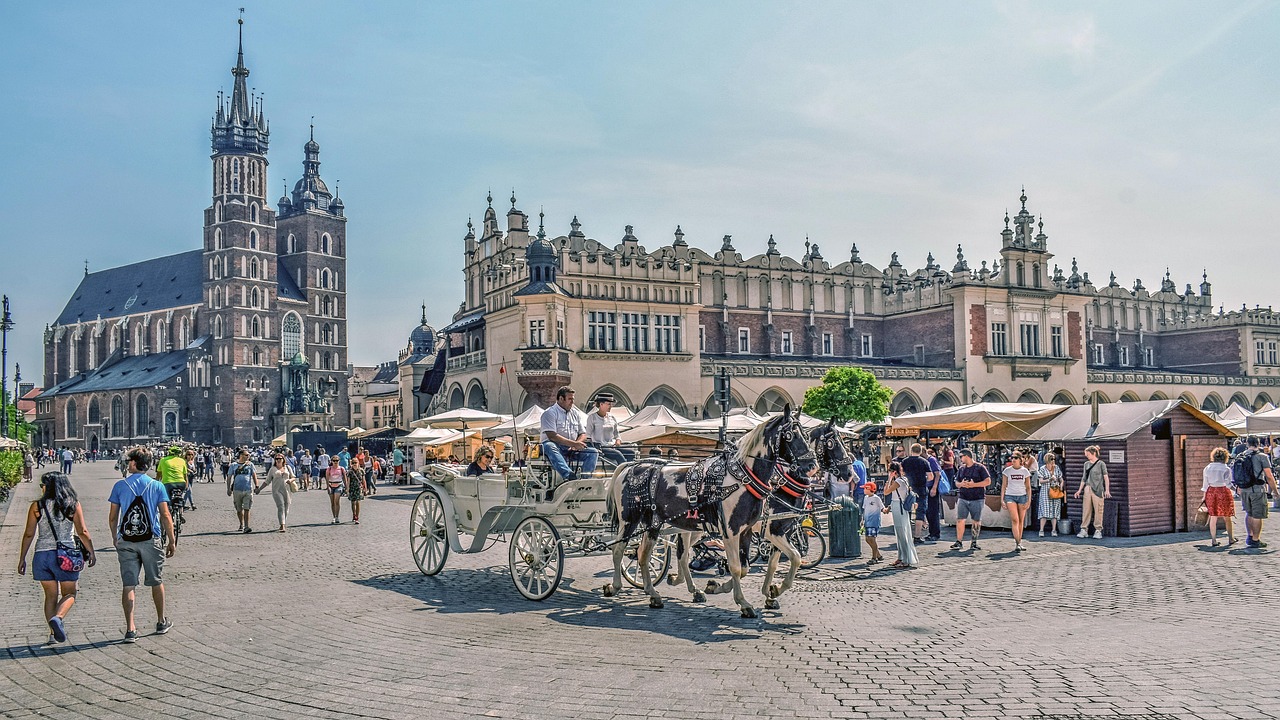
Poland’s PKP Intercity network is one of the best-kept secrets in Europe. You can cross almost the entire country for less than the cost of a fancy sandwich in London.
Hack 6: Leverage AI-Driven Price Hacking
In 2026, we have tools that didn't exist five years ago. AI-driven predictive booking tools like Hopper (now expanding into rail) and Google Flights (for rail-adjacent segments) allow you to see when prices are likely to drop.
There are now AI agents and browser extensions that can monitor real-time dynamic pricing shifts on sites like Renfe or Deutsche Bahn. If a "Sparpreis" ticket becomes available due to a cancellation or a new carriage being added to a train, these tools can alert you instantly. Don't just search once; let the bots do the heavy lifting while you're busy planning which gelato shop to hit first.
Hack 7: Regional 'Group' Tickets & Local Hacks
If you’re traveling with a partner or a group of friends, never buy individual tickets without checking for regional group passes first. The "Bayern Ticket" in Germany is the gold standard of this hack. For a flat fee (usually around €29 for one person + €10 for each additional person), up to five people can travel anywhere in Bavaria for an entire day on regional trains.

Belgium has the "Go Pass 1" for under-26s, and many Spanish regions offer "Bonotren" passes that significantly undercut the price of individual tickets. These aren't always advertised on the main English-language booking sites; you often have to find them at the local station kiosks or on the regional version of the carrier's website.
Hack 8: The 'One-Bag' Transit Advantage
This isn't just about packing light; it’s about agility. In 2026, the cheapest way to travel Europe by rail often involves a "multi-modal" journey—taking a train for the long haul and a budget bus (like FlixBus) for the last leg.
If you’re lugging a massive suitcase, you lose the ability to quickly hop between a train station and a bus terminal located across town. Staying mobile with one bag (40L or less) makes switching between budget rail and bus lines seamless. It also allows you to utilize the "cheapest" seat categories on budget rail lines like Ouigo in France or Avlo in Spain, which often charge extra for large suitcases—much like budget airlines do.
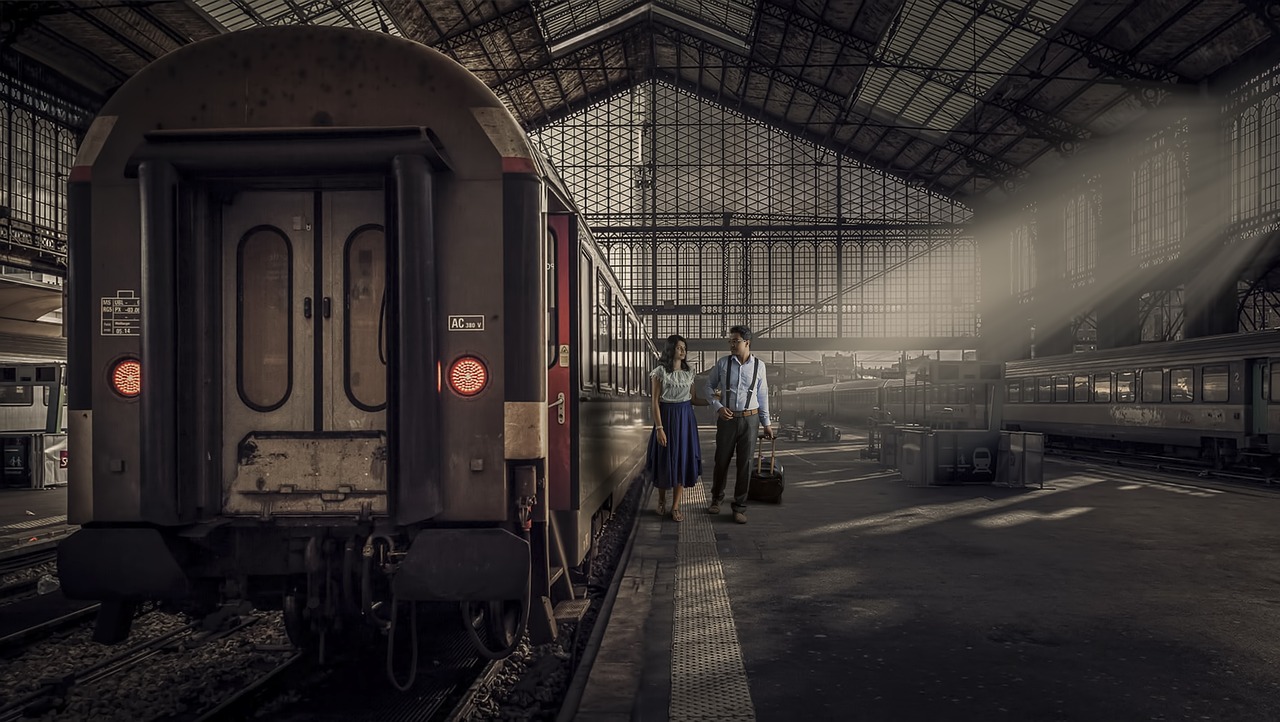
By keeping your kit minimal, you avoid the "baggage carousel" trap and the extra fees that turn a "cheap" ticket into an expensive ordeal.
FAQ: Budget Rail Travel 2026
Q: Is it really cheaper to take the train than a budget flight in 2026? A: If you factor in the cost of getting to far-flung airports, baggage fees, and the "time cost" of security, rail often wins on mid-range routes (3-6 hours). For budget rail travel in Europe 2026, the savings are most apparent when using the 12-week rule or night trains.
Q: Can I buy tickets at the station on the day of travel? A: You can, but you shouldn't if you're on a budget. Walk-up fares for high-speed trains are almost always the most expensive option. For regional trains, however, prices are usually fixed, so there’s no penalty for buying them five minutes before departure.
Q: Are there any specific apps I should use? A: Trainline is great for a user-friendly interface across multiple countries. DB Navigator (Deutsche Bahn) is arguably the best app for checking schedules across all of Europe, even if you aren't in Germany.
Ready to hit the tracks? The key to mastering the 2026 rail landscape is a mix of early-bird discipline and "Second City" curiosity. Don't just follow the crowds to the expensive hubs—take the regional line, book your sleeper bunk early, and see the Europe that most tourists skip.