Quick Facts
- The Premier Spot: The German Channel is the undisputed king of manta ray encounters in Palau, thanks to its active cleaning stations and plankton-rich currents.
- Marine Biodiversity: You aren’t just looking at fish; you’re exploring the highest coral diversity in Micronesia, featuring over 400 species of hard coral and 300 species of soft coral.
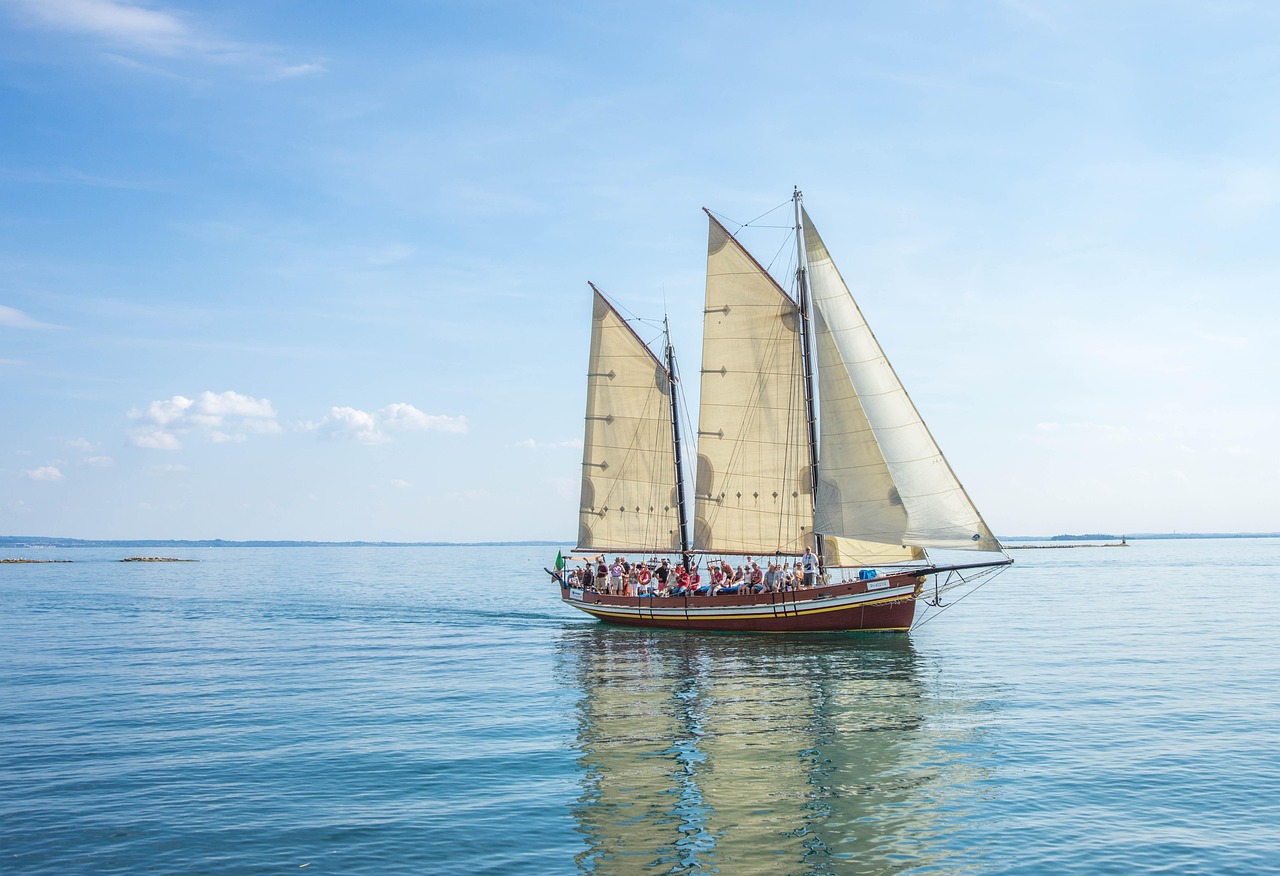
- The Expedition Edge: Unlike land-based stays, expedition cruises use X-bow vessels and Zodiacs to reach remote corners of the 445 Rock Island islets that day-trippers never see.
- Conservation First: Palau is home to the world’s first mandatory eco-pledge. Plus, bookings with conservation-led operators often sponsor the removal of 200 lbs of plastic from the ocean.
- Best Timing: While manta rays are present year-round, peak viewing season aligns with the dry months of December through April.
Introduction: The Mushroom-Shaped Paradise of Chelbacheb
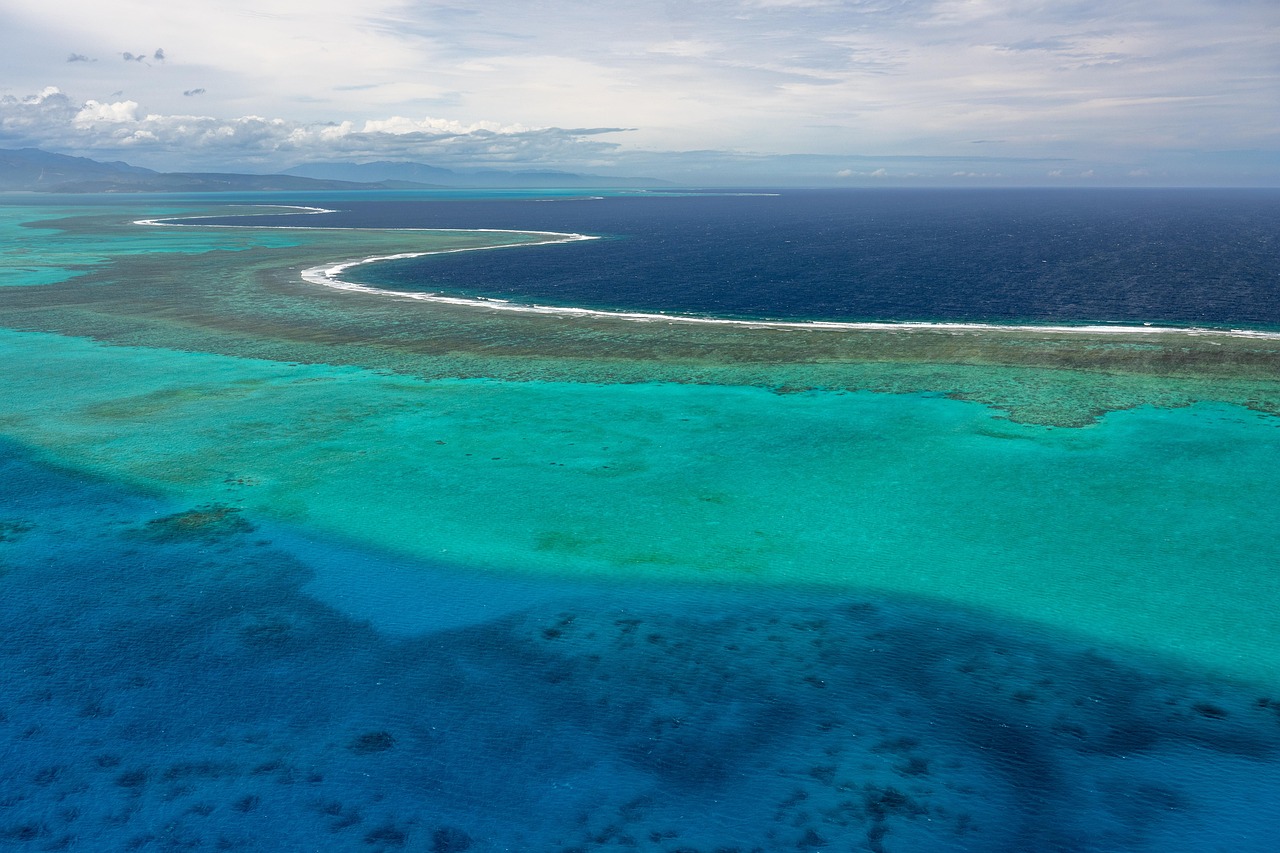
There is a specific sound to a healthy reef. It’s a rhythmic, high-frequency "tick-ticking"—the sound of thousands of snapping shrimp and parrotfish crunching on calcium carbonate. The first time I rolled off a Zodiac into the crystalline waters of Palau’s Rock Islands Southern Lagoon, that sound hit me before I even cleared my snorkel. This is the UNESCO World Heritage-listed Chelbacheb, a labyrinth of 445 emerald-green limestone islands that look like giant broccoli florets floating in a pool of neon-blue Gatorade.
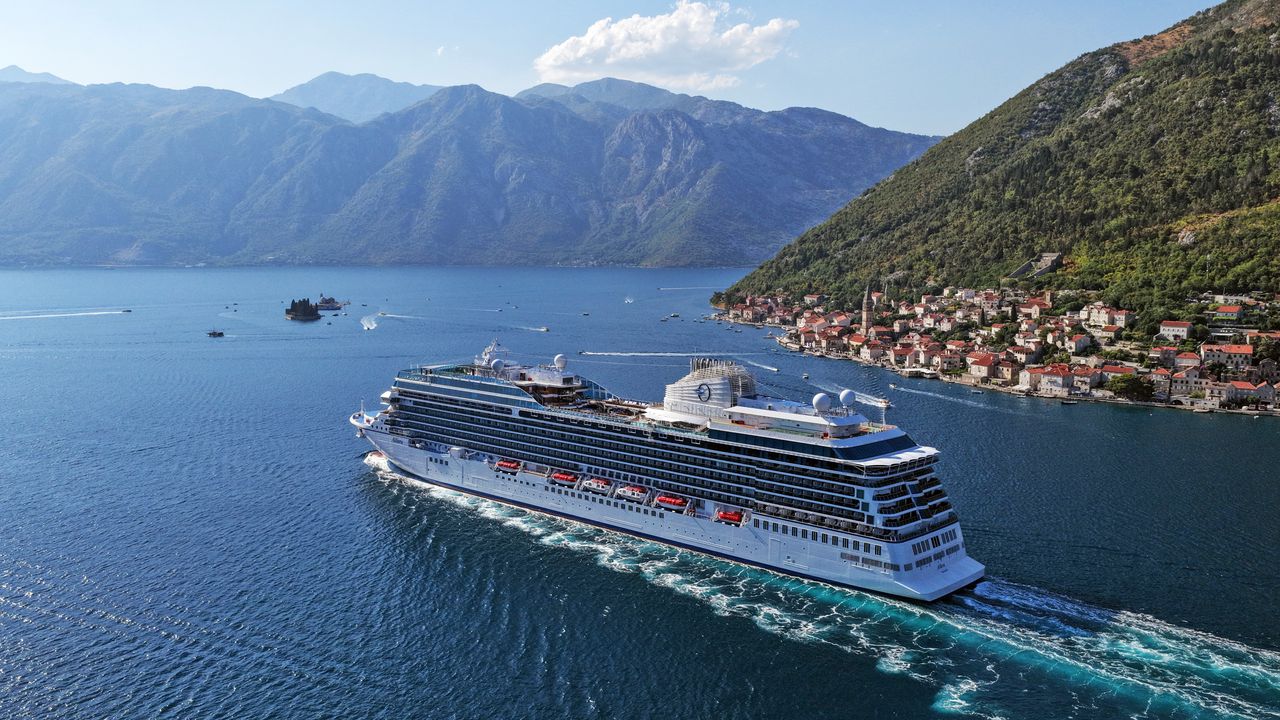
But we aren’t just here for the scenery. We’re here for the "expedition" experience. In most destinations, snorkeling is a secondary activity. In Palau, it’s the main event. By utilizing expedition vessels equipped with dynamic positioning technology—which allows ships to stay in place without dropping an anchor and damaging the reef—we can access remote waterways and hidden lagoons that remain untouched by the masses. This isn't just a boat ride; it’s a deep dive into one of the most resilient and vibrant marine ecosystems on the planet.
Why Palau is the Gold Standard for Snorkelers
I’ve snorkeled from the Galápagos to the Great Barrier Reef, but Palau remains my gold standard. Why? It’s all in the numbers and the geography. These waters are a massive intersection of three major ocean currents, which pump nutrient-rich water through the lagoons. This "conveyor belt" of life supports over 1,500 species of fish.
The resilience of these reefs is staggering. While many of the world’s coral systems are struggling with bleaching, Palau’s corals have shown a remarkable ability to adapt to rising temperatures. During an expedition, you aren't just seeing a few scattered fans; you’re witnessing a dense, technicolor jungle. Statistically, Palau’s waters host the highest coral diversity in Micronesia, featuring over 400 species of hard coral and 300 species of soft coral. When you’re drifting over a reef like the Big Drop Off, the sheer density of life is enough to give you sensory overload.
The Manta Ray Encounter: Snorkeling the German Channel
If there is a "Holy Grail" for Palauan snorkelers, it is the German Channel. Created during the German occupation in the early 20th century to allow phosphate ships to pass through the reef, this man-made cut has become a natural super-highway for marine megafauna.
The secret to the German Channel lies in its "cleaning stations." Small cleaner wrasses live here, acting as the reef's dental hygienists. Manta rays—some with wingspans reaching 11 to 14 feet—glide in from the deep ocean to have parasites removed. Because the channel also funnels high concentrations of plankton, it’s a literal all-you-can-eat buffet for these gentle giants.
I remember my most recent encounter: the tide was just starting to turn, bringing in clear, oceanic water. I was hovering at the edge of the channel when a massive shadow materialized from the blue. It wasn't just one; it was a train of three mantas, performing a "barrel roll" feeding dance just six feet below my fins. They move with an effortless, liquid grace that makes human swimming look clumsy. The sensation of an 11-foot animal banking a turn right in front of your mask is something that stays with you long after you’ve rinsed your gear.
Pro Tip: Don't Chase. The number one rule when snorkeling with mantas is to stay still. If you swim toward them, they’ll dive. If you float calmly at the surface, their natural curiosity often brings them within inches of you.
Beyond the Rays: The 'Big Five' Snorkeling Sites
While the mantas are the headliners, an expedition cruise allows you to hit the "Big Five" sites that define the Rock Islands experience.
1. Blue Corner
Often cited as the best dive site in the world, Blue Corner is equally spectacular for snorkelers. It’s a reef plateau that juts out into the open ocean, acting as a magnet for predators. Here, you’ll witness reef sharks patrolling the walls and massive Napoleon wrasse that are surprisingly friendly.
- The Experience: You’ll likely see dozens of grey reef sharks and white-tip sharks cruising the current.
- The Tool: We use "reef hooks" here—not to damage the coral, but to hook into a rock on the plateau so you can hover in the current without kicking, watching the shark show go by.
2. Big Drop Off
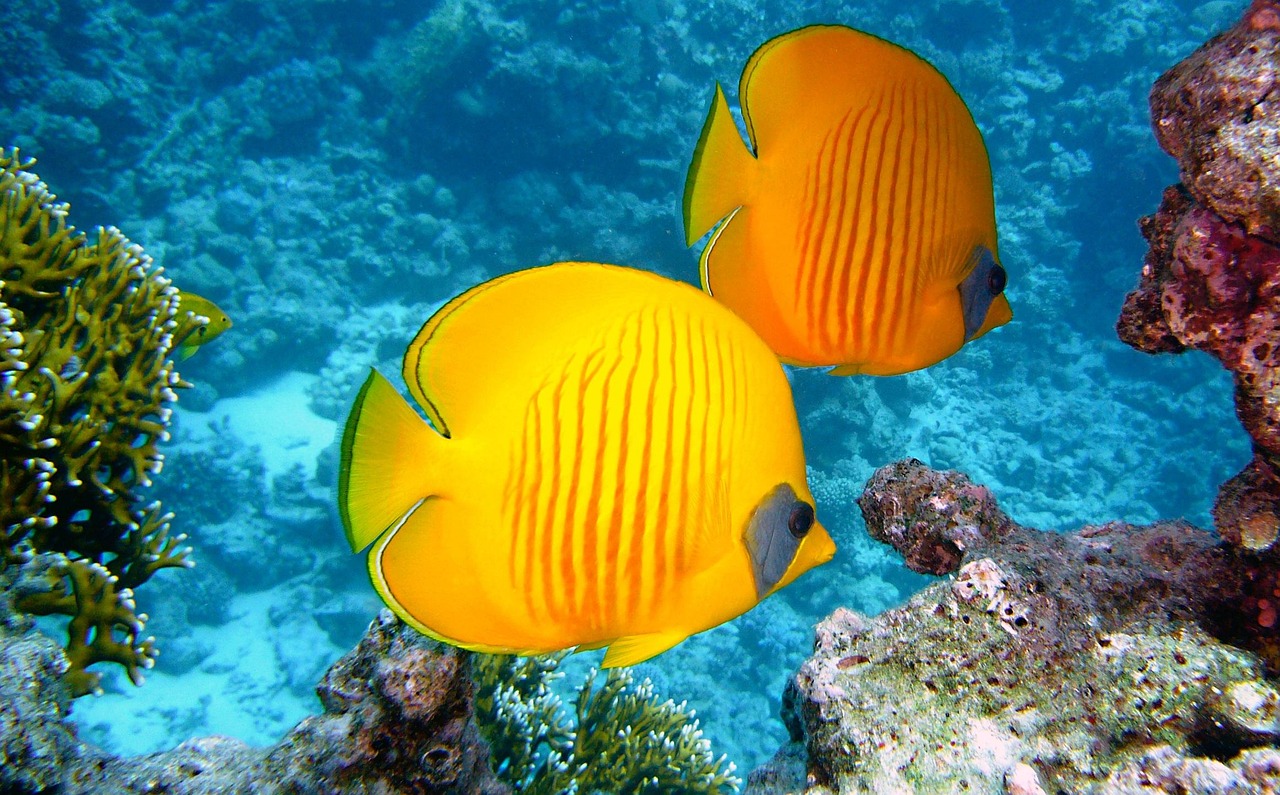
Imagine a vertical wall that plunges 600 feet straight down into the abyss. That’s the Big Drop Off. As a snorkeler, you’re floating right at the edge of this cliff. The top of the wall is covered in neon-colored soft corals and sea fans that sway with the surge. It’s home to hawksbill turtles and schools of pyramid butterflyfish.
3. Ulong Channel
This is arguably the best drift snorkeling experience on the planet. You drop in at the mouth of the channel and let the incoming tide carry you through a long, winding corridor of lettuce corals. It feels like flying. Keep an eye out for giant clams—some of which are over 100 years old.
4. Jellyfish Lake (Ongeim’l Tketau)
This is a surreal, alien world. Millions of golden jellyfish have lived in this isolated marine lake for thousands of years. Because they have no natural predators, their stinging cells have evolved to be so weak they are undetectable to humans.
- Update: After a brief closure due to El Niño weather patterns a few years back, the jellyfish population has rebounded beautifully. Swimming through a pulsating cloud of gold is a bucket-list experience that defies description.
5. Milky Way
After days of intense snorkeling, the Milky Way is your natural spa. This turquoise lagoon has a floor of white limestone mud. Legend says the mud has age-defying properties. We dive down, grab a handful of the silky white clay, and cover ourselves from head to toe before rinsing off in the warm lagoon water.
Life Onboard: The Expedition Cruise Experience
Why choose an expedition cruise over a land-based resort like the Palau Royal Resort? While the land-based resorts are beautiful, they require long daily boat rides (often 45-60 minutes each way) to reach the best reefs.
On an expedition ship, your "hotel" moves with you. You wake up already inside the Rock Islands. More importantly, these cruises are staffed by expert naturalists and marine biologists. Instead of just seeing "a yellow fish," you’ll learn about the symbiotic relationship between the clownfish and its anemone during evening lectures.
Logistics are handled via Zodiac or Skiff transfers. These small, maneuverable boats allow us to navigate into shallow reef entries and hidden lagoons where the water is only a few feet deep—places a standard dive boat simply can't go. It’s the difference between seeing Palau from a distance and living inside its pulse.
The Palau Pledge and Marine Conservation
Palau doesn't just talk about conservation; they mandate it. Upon arrival, every visitor must sign the Palau Pledge stamped into their passport—a promise to the children of Palau to tread lightly.
The commitment to the environment is baked into the travel experience. Palau was the first nation to ban reef-toxic sunscreens (those containing oxybenzone and octinoxate). Furthermore, by choosing conservation-focused expeditions like those offered by the Oceanic Society, your journey has a measurable impact. For every booking, these expeditions directly sponsor the removal of 200 lbs of plastic from the ocean, ensuring that the reefs we love today remain pristine for the next generation.
Planning Your Palau Expedition
When to Go: Seasonality in Palau
| Feature | Dry Season (Dec – April) | Wet Season (May – Nov) |
|---|---|---|
| Water Clarity | Exceptional (100ft+) | Variable but good |
| Manta Activity | Peak (Mating season) | Regular sightings |
| Sea Condition | Calm, flat seas | Occasional swells |
| Rainfall | Short, tropical bursts | More frequent showers |
Essential Gear & Logistics
- Permits: You must have a Rock Islands + Jellyfish Lake permit, which costs $100 USD and is valid for 10 days. Most expedition cruises will facilitate this for you.
- Sun Protection: Bring long-sleeved rash guards. If you use sunscreen, it must be non-nano zinc oxide-based to comply with local laws.
- Dry Bags: Essential for Zodiac transfers to keep your camera gear and dry clothes safe from salt spray.
Marine Life Spotter's Checklist
Keep this list handy during your briefing to see how many "Palau Icons" you can find:
- [ ] Manta Ray (Look for them at the German Channel)
- [ ] Napoleon Wrasse (The "gentle giants" of Blue Corner)
- [ ] Blacktip & Whitetip Reef Sharks (Everywhere!)
- [ ] Hawksbill Turtle (Often seen grazing at Big Drop Off)
- [ ] Golden Jellyfish (Exclusive to the marine lakes)
- [ ] Giant Clam (Look for the vibrant blue and green mantles)
FAQ
Q: Is Palau snorkeling safe for beginners? A: Absolutely. While some sites like Blue Corner have strong currents, expedition cruises provide flotation vests and expert guides who handle the navigation. There are plenty of calm, shallow lagoons perfect for those new to the water.
Q: Do I need a wetsuit for Palau? A: The water temperature stays between 82°F and 85°F (28°C-30°C) year-round. Most people find a 1mm-3mm shorty or just a rash guard perfectly comfortable.
Q: Can I see Manta Rays if I don't scuba dive? A: Yes! Because the cleaning stations at the German Channel are relatively shallow (around 20-30 feet), the mantas often hover high enough for snorkelers to get an incredible view from the surface.
Conclusion
Palau isn't just a destination; it’s an immersion into a world where nature still holds the upper hand. Whether you’re drifting through the Ulong Channel or sharing a silent moment with a Manta Ray in the German Channel, the Rock Islands offer a sense of wonder that is increasingly hard to find. If you’re ready to trade the tourist trails for a blue-water expedition that gives back to the ocean, Palau is calling.