Quick Facts
- Capital: Chengdu is the administrative and cultural heart of Sichuan Province.
- UNESCO Status: In 2010, it became the first city in Asia to be designated a UNESCO City of Gastronomy.
- Iconic Wildlife: Home to the world-renowned Chengdu Research Base of Giant Panda Breeding.
- Social Identity: Renowned as China's LGBTQ hub with a famously inclusive and relaxed social atmosphere.
- Entry Policy: Eligible travelers can benefit from the 144-hour or 240-hour visa-free transit policies.
- Scale and Scope: In 2024, the city's tourism industry flourished, welcoming 306 million visitors and generating a total revenue of 373.266 billion RMB.
Chengdu is the vibrant capital of Sichuan Province, located in Southwest China. Known globally as a UNESCO City of Gastronomy and the home of the Giant Panda, it has also emerged as the nation's creative pulse and LGBTQ capital, making chengdu travel a top priority for those seeking a blend of ancient tradition and progressive urban life.
Digital Survival Kit & Policy for 2026
Stepping into Chengdu in 2026 feels like entering a future where history is never more than a block away from a high-tech skyscraper. To navigate this sprawling metropolis, one must first understand where is chengdu in china—it sits in the fertile Sichuan Basin, a geographic "land of abundance" that serves as the gateway to the Tibetan plateau. If you are arriving from international hubs, you will likely land at Chengdu Tianfu (TFU) or the closer-to-city Chengdu Shuangliu (CTU).
For the modern traveler, the logistics are remarkably streamlined. The 240-hour visa-free policy now extends to several cities within Sichuan, allowing for deeper exploration of the province. However, your digital toolkit is your most essential asset. Before you leave the airport, ensure your Alipay or WeChat Pay is linked to an international card. In 2026, even the smallest fly restaurants and market stalls operate almost exclusively on digital payments.
Getting around is effortless thanks to a High-Speed Rail network that connects Chengdu to Chongqing in just over an hour and Xi’an in under four. Within the city, 13+ Metro lines cover every major district. For door-to-door convenience, use the Didi mini-program within Alipay; it offers English interfaces and automated translation for messaging drivers. While the city feels hyper-modern, these practical chengdu travel tips for foreigners ensure you don't get lost in translation while hunting for the perfect bowl of noodles.
Beyond the Pandas: Ancient Shu & Urban Icons
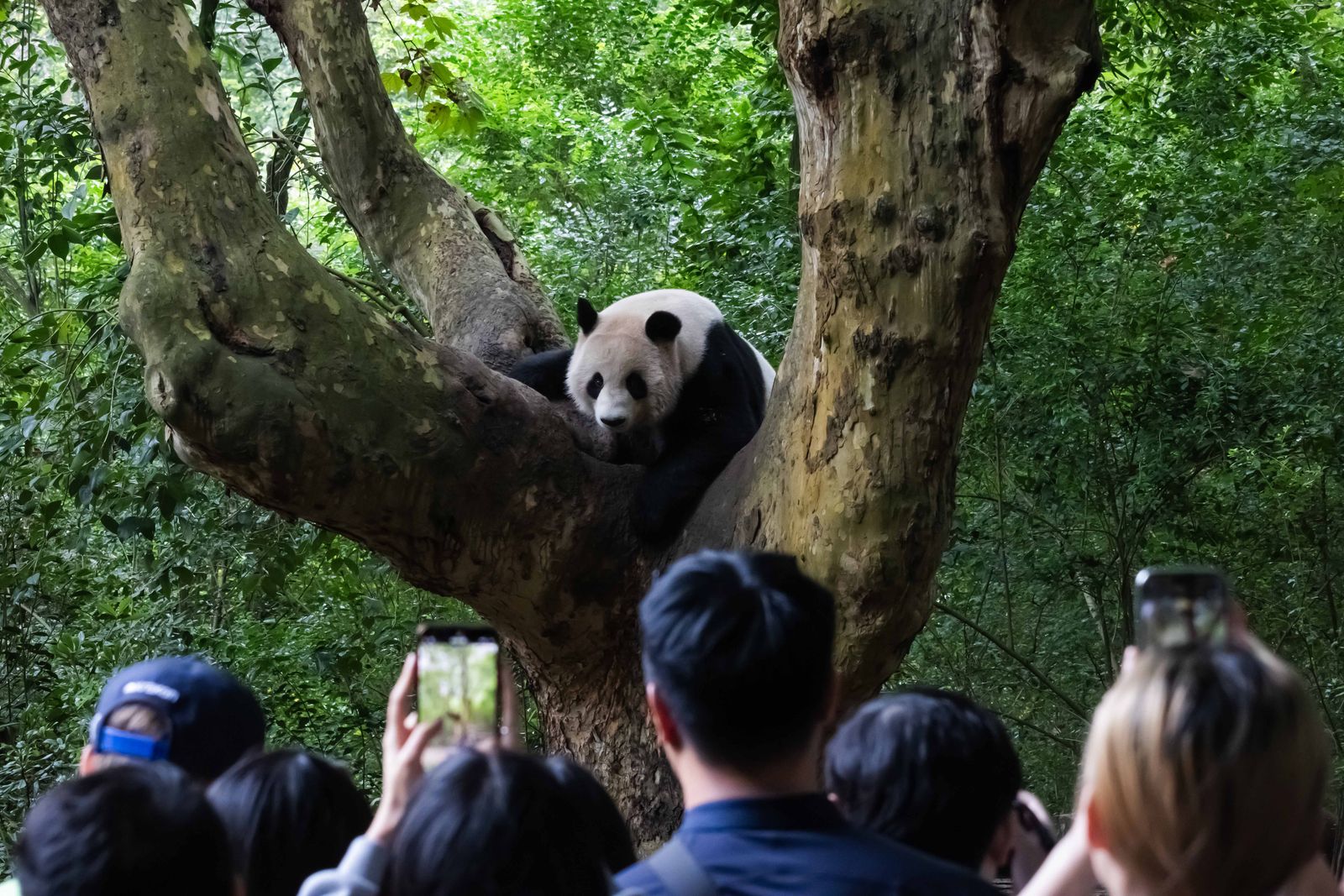
It is a soft, misty morning when the first visitors arrive at the research base. To see the stars of the show in their most active state, you must arrive by 7:30 AM before the afternoon humidity turns these charismatic bears into sleepy lumps of white and black fur. While the pandas are the city's global ambassadors, those looking for the best things to do in chengdu beyond pandas will find a city rooted in the mysterious Ancient Shu Civilization.
A short trip to the Sanxingdui Museum reveals bronze masks and towering trees from 3,000 years ago that look more like science fiction than archaeology. This sense of the ancient persists in the city's Traditional Teahouses. In People’s Park, the air is thick with the scent of jasmine tea and the rhythmic clicking of Mahjong Culture. Here, I found myself captivated by the "ear-cleaning" ritual—a strangely soothing local tradition where practitioners use feather-tipped bamboo sticks to provide a sensory experience unlike any other.
The city’s architectural identity is one of sharp contrasts. Wander through the quiet, incense-filled courtyards of the historic Wenshu Monastery before taking a twenty-minute subway ride to the futuristic Taikoo Li. This open-air luxury shopping district is built around the restored Daci Temple, creating a dialogue between the spiritual past and the consumerist present. Watching a performance of Sichuan Opera, with its mesmerizing face-changing stunts, provides a final, vivid layer to what is chengdu famous for—a culture that refuses to choose between its history and its future.
The Gastronomy Map: From Fly Restaurants to Michelin Star
To eat in Chengdu is to surrender to the Sichuan Peppercorn. It is not just heat; it is mala—a combination of numbing tingling and fiery chili that dances across the palate. As a chengdu food guide for first time visitors, my advice is simple: follow the smoke and the crowds. The city is famous for its fly restaurants—humble, often utilitarian eateries where the food is so good it attracts customers like flies.
- The Hot Pot Ritual: No visit is complete without a simmering vat of spicy oil. Whether you choose a traditional beef tallow base or a lighter vegetable oil version, the experience is communal and cathartic.
- Fly Restaurants: Look for spots serving Mapo Tofu or Twice-Cooked Pork in the back alleys of the Wuhou District. These are the true cathedrals of Sichuan flavor.
- Refined Dining: In recent years, Chengdu has seen a surge in Michelin-starred establishments and upscale vegetarian spots that elevate humble ingredients like bamboo shoots and local fungi into edible art.
- Artisan Coffee Scene: Between the spicy meals, the city’s creative class congregates in minimalist cafes. The Yulin neighborhood is particularly rich with small-batch roasters that rival any in Melbourne or London.
The cuisine is why this was the first city in Asia to be named a UNESCO City of Gastronomy. It is a place where a five-dollar bowl of Dan Dan noodles is treated with the same reverence as an elaborate banquet.
China’s Creative Pulse: LGBTQ Inclusivity & Industrial Hubs
There is a saying in China: "Young people go to Beijing for power, Shanghai for money, and Chengdu for life." This "live for the moment" philosophy grew even stronger after the 2008 earthquake, fostering a social atmosphere that is remarkably open. If you are wondering is chengdu safe for lgbtq travelers, the answer is a resounding yes. It is widely considered the country’s most inclusive city, a place where diversity is not just tolerated but woven into the urban fabric.
The Yulin district serves as the heart of this Inclusive Nightlife. By day, it’s a leafy residential area; by night, it transforms into a labyrinth of craft beer bars, feminist bookstores, and inclusive cocktail lounges. It feels like a village within a city, where the "Basideban" (peak comfort) lifestyle is practiced with religious devotion.
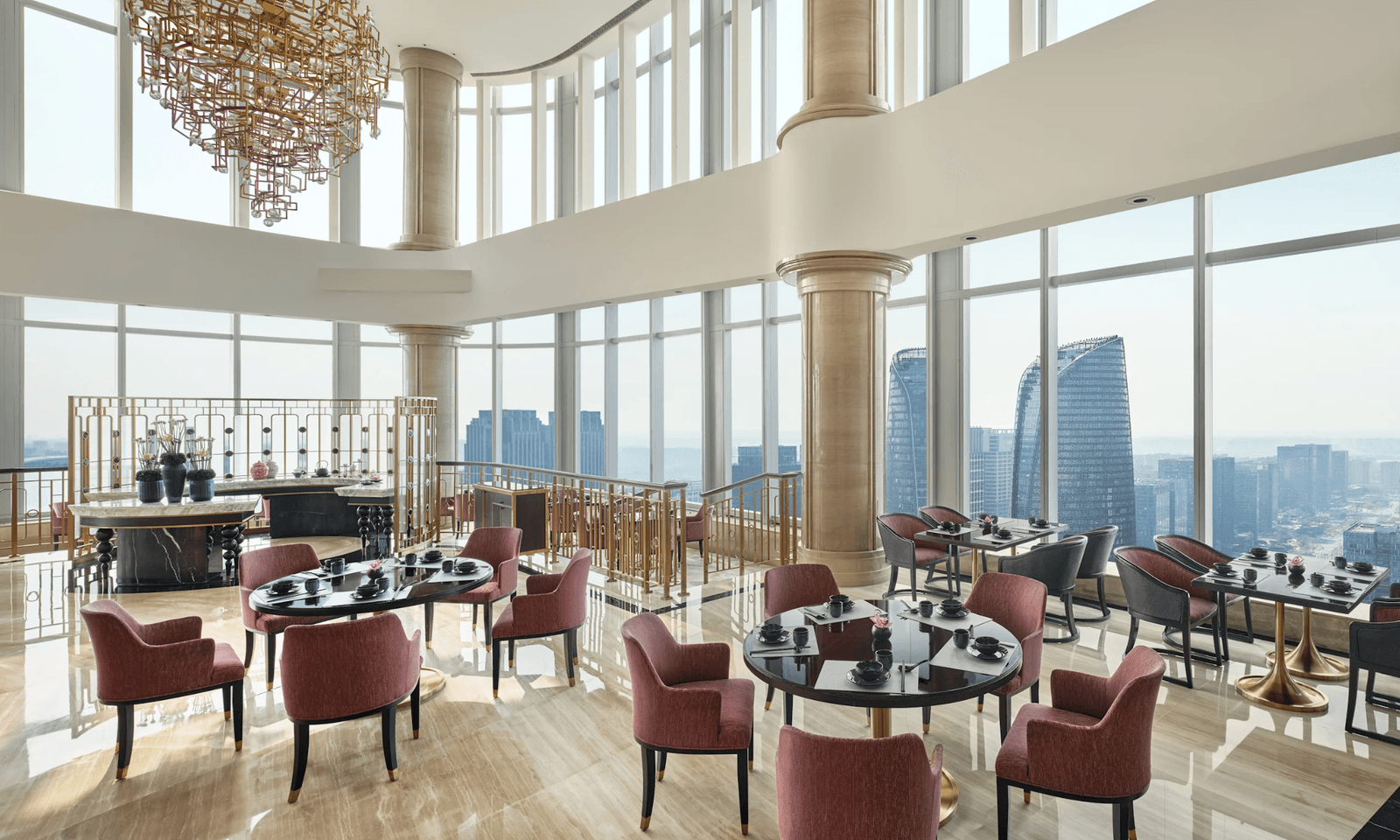
Further east, the city’s Industrial Revitalization has turned former factories into cathedrals of cool. When visiting east district memory and chengdu creative hubs, you’ll find rusted pipes and concrete warehouses repurposed into art galleries, live music venues, and tattoo parlors. It’s a testament to the city’s ability to reinvent itself without losing its soul. This same energy flows through Luxelakes CPI, a waterfront development that blends high-concept architecture with sustainable living, proving that Chengdu’s creative pulse is beating faster than ever in 2026.
Planning Your Stay: 4-Day Itinerary & Neighborhoods
To truly capture the essence of the city, your chengdu travel itinerary should balance the high-energy urban centers with the slow-moving "teahouse tempo" of the older districts. Choosing where to stay in chengdu neighborhood guide depends on your priorities: stay in Qingyang for traditional architecture and cultural sites, or Jinjiang if you prefer modern luxury and high-end nightlife.
| Day | Theme | Morning | Afternoon | Evening |
|---|---|---|---|---|
| 1 | Icons & Teahouses | People's Park & Ear Cleaning | Wenshu Monastery | Jinli Ancient Street snacks |
| 2 | Pandas & History | Panda Research Base (Early) | Sanxingdui Museum | Sichuan Opera Performance |
| 3 | Creative Hubs | East District Memory | Taikoo Li & Daci Temple | Hot Pot & Anshun Bridge |
| 4 | Local Vibe | Yulin Market & Coffee | Wuhou Shrine | LGBTQ Nightlife in Yulin |
Whether you are here for the spicy Sichuan Peppercorn or to witness the Industrial Revitalization of its historic districts, Chengdu offers a rhythmic, sensory experience that stays with you long after the numbing sensation of the hot pot has faded.
FAQ
Is Chengdu really worth visiting?
Absolutely. Beyond being the home of the Giant Panda, it offers a unique combination of world-class gastronomy, ancient history, and a relaxed "slow-life" culture that is rare among China's megacities. Its status as a creative and inclusive hub makes it one of the most culturally rewarding destinations in Asia.
How tourist friendly is Chengdu?
Chengdu is highly tourist-friendly, especially for those comfortable using digital tools. The public transportation system is extensive and English-signposted, the people are famously hospitable, and the 144/240-hour visa-free policies make it accessible for international stopovers.
Which month is the best to visit Chengdu?
The optimal times are spring (March to June) and autumn (September to November). During these months, the weather is mild and pleasant for exploring outdoor markets and the panda base. Summers can be quite humid and hot, while winters are often grey and misty.
Why is Chengdu known for gays?
The city has earned a reputation as China's LGBTQ capital due to its long history of social tolerance and a "live and let live" attitude. This was further solidified by an influx of creative professionals and a post-earthquake shift toward prioritizing personal happiness and social inclusion over rigid traditional norms.
What is the 3 hour rule in China?
The 3 hour rule usually refers to a travel guideline suggesting that for domestic trips, if a destination is within three hours by High-Speed Rail, it is more efficient to take the train than to fly after considering airport security and transit times. Chengdu’s central location makes it a perfect hub for this rule when traveling to nearby Chongqing or Xi’an.