Quick Facts
- Location: The second largest island in the Tuscan Archipelago, situated in the Tyrrhenian Sea.
- Size: A rugged total surface area of approximately 23.89 square kilometers.
- Environment: Roughly 90% of the island's territory is uninhabited and dominated by wild Mediterranean macchia.
- Conservation: About half of the land area is protected within the Tuscan Archipelago National Park.
- Primary Hubs: Three main villages: Giglio Porto, Giglio Castello, and Giglio Campese.
- Signature Experience: Sampling the local Ansonica white wine, a product of heroic viticulture.
To reach Giglio Island, travelers take a daily ferry from Porto Santo Stefano on the Tuscan mainland. The crossing across the Tyrrhenian Sea takes approximately one hour, arriving directly at the colorful seaside promenade of Giglio Porto, which serves as the island's main transport hub.
When the Tuscan mainland begins to feel crowded with the weight of its own Renaissance grandeur, the savvy traveler looks west. Specifically, toward the silhouette of giglio island rising from the Tyrrhenian Sea. Pronounced "geel-yo," this granite-edged sanctuary remains one of Italy's most under-the-radar coastal treasures. While its larger neighbor, Elba, draws the motor yachts and the summer masses, Giglio offers a quieter, more tactile experience. It is a place defined not by what it has gained in the modern era, but by what it has stubbornly refused to let go: its wild Mediterranean macchia, its medieval fortifications, and a pace of life that respects the sun more than the clock.
Navigating the Mainland: Logistics & Arrival
Getting to this corner of the Tuscan Archipelago National Park requires a small investment in logistical foresight. Your journey begins at Porto Santo Stefano, a handsome port town on the Monte Argentario peninsula. If you are navigating by a giglio island map, you will see that this is the closest point on the mainland for a ferry crossing.
Driving is the most common way to reach the port, but parking in Porto Santo Stefano during peak season can be a test of patience. I recommend heading directly to Parcheggio Fanciulli, where long-term rates typically hover around €10 to €15 per day. Once your car is settled, a short walk or a shuttle will bring you to the ferry terminal.
Two main lines, Maregiglio and Toremar, operate the route. While you can technically bring a vehicle on the ferry, I strongly advise against it unless you are staying for more than a week. The island’s roads are narrow, parking is scarce, and during August, non-resident vehicles are often restricted entirely. For a smooth trip, leave the car behind and embrace the island’s efficient public bus system or e-bike rentals. Knowing how to get to giglio island is half the battle; the other half is arriving with light luggage and an open mind. If you are looking at a giglio island italy map, you'll notice the ferry docks right in the heart of the first of our three towns.
The Three Personalities: Porto, Castello, and Campese
Isola del Giglio is physically small, yet it contains three distinct micro-cultures that cater to different travel moods. Understanding the dynamic of giglio porto vs giglio campese is essential for choosing where to base yourself.
Giglio Porto: The Waterfront Welcome
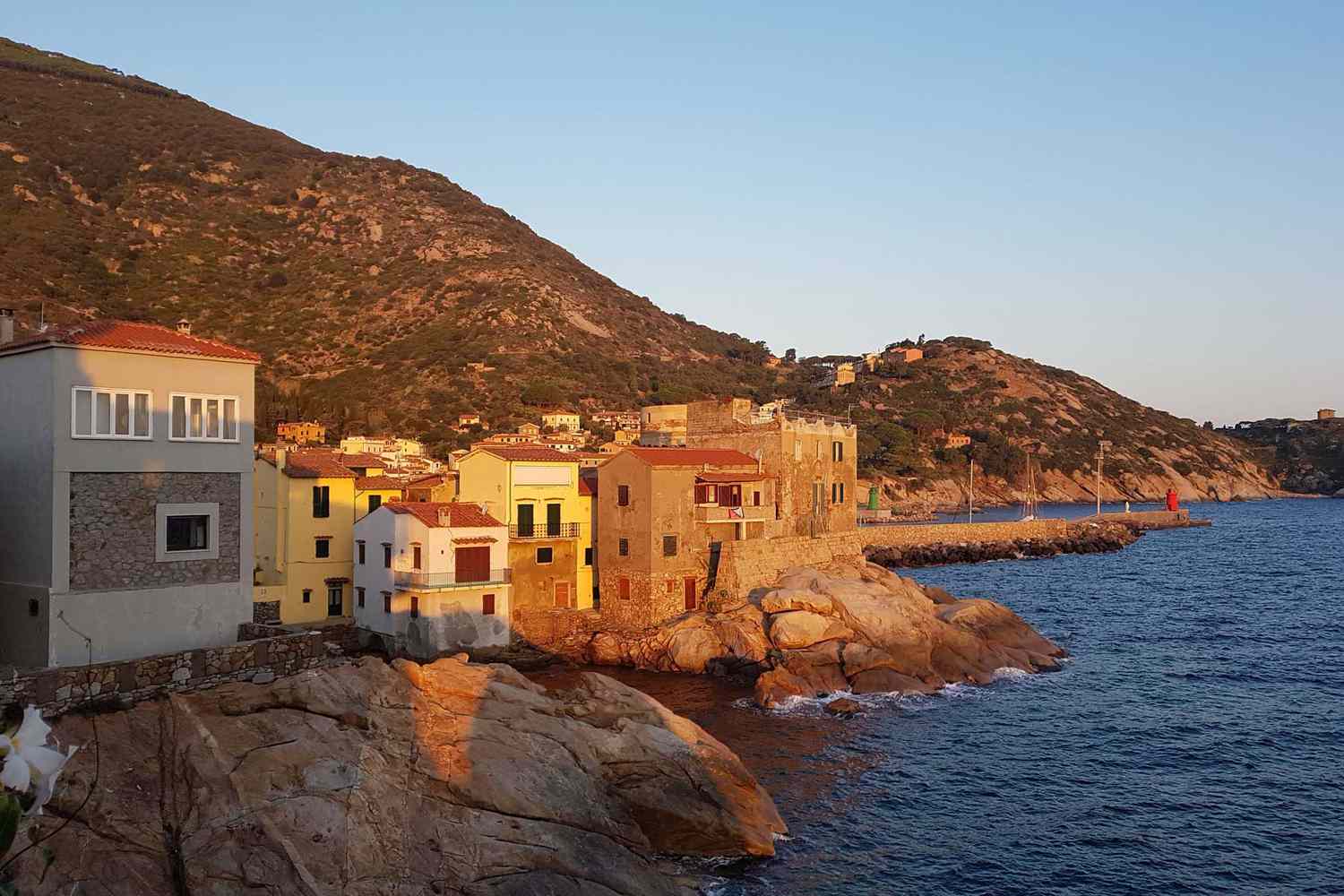
As the only port of arrival, Giglio Porto is the bustling front door. The promenade is a kaleidoscope of painted houses—ocre, rose, and terracotta—that reflected in the water of the harbor. This is the place for those who love the "passeggiata." You can find boutique accommodations tucked into the alleyways and some of the best giglio island hotels overlooking the marina. By day, it is a hub of activity; by night, once the day-trippers have caught the last ferry back to Porto Santo Stefano, it settles into an intimate seaside village where the sound of the rigging clicking against masts becomes the local soundtrack.
Giglio Castello: The Medieval Fortress
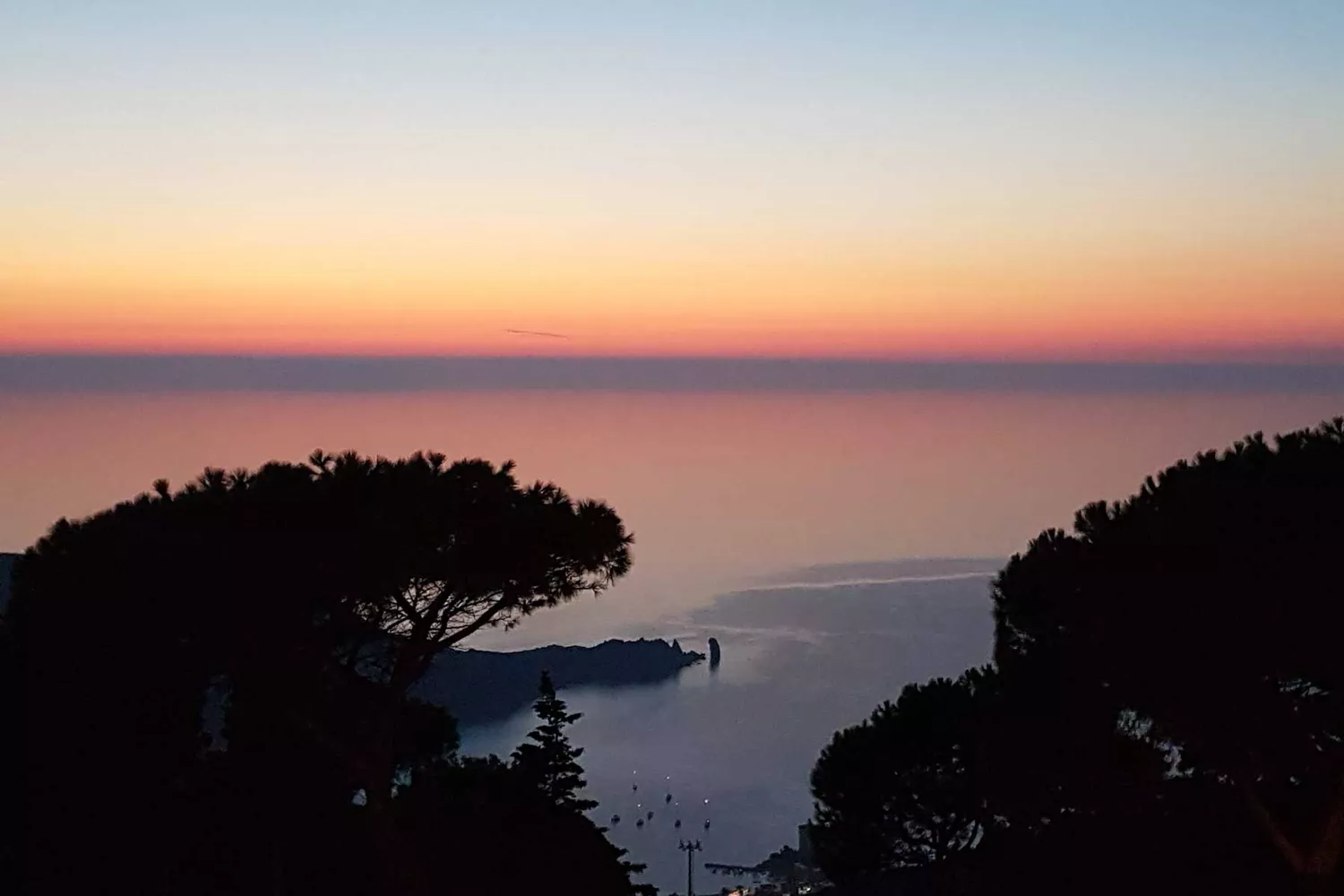
Rising 400 meters above sea level, Giglio Castello is the island's historical soul. Enclosed by massive granite walls and punctuated by ten watchtowers, this village feels like a portal to the age of the Medici. Exploring its narrow, labyrinthine streets—locally called "chiassi"—is like walking through a vertical maze. The air here is cooler, smelling of woodsmoke and wild herbs. It is the best place to witness the sunsets that set the Tyrrhenian Sea ablaze.
Giglio Campese: The Sun-Drenched Bay
On the western side of the island lies Giglio Campese. Framed by a massive sea stack on one side and a 16th-century Medici tower on the other, this is the island’s recreational heart. The long, crescent-shaped beach is composed of coarse red-orange sand, and the water is famously calm. If your primary goal is relaxation and easy access to the water, this is where you should stay.
Sun, Sand, and Sea: Best Beaches & Coves
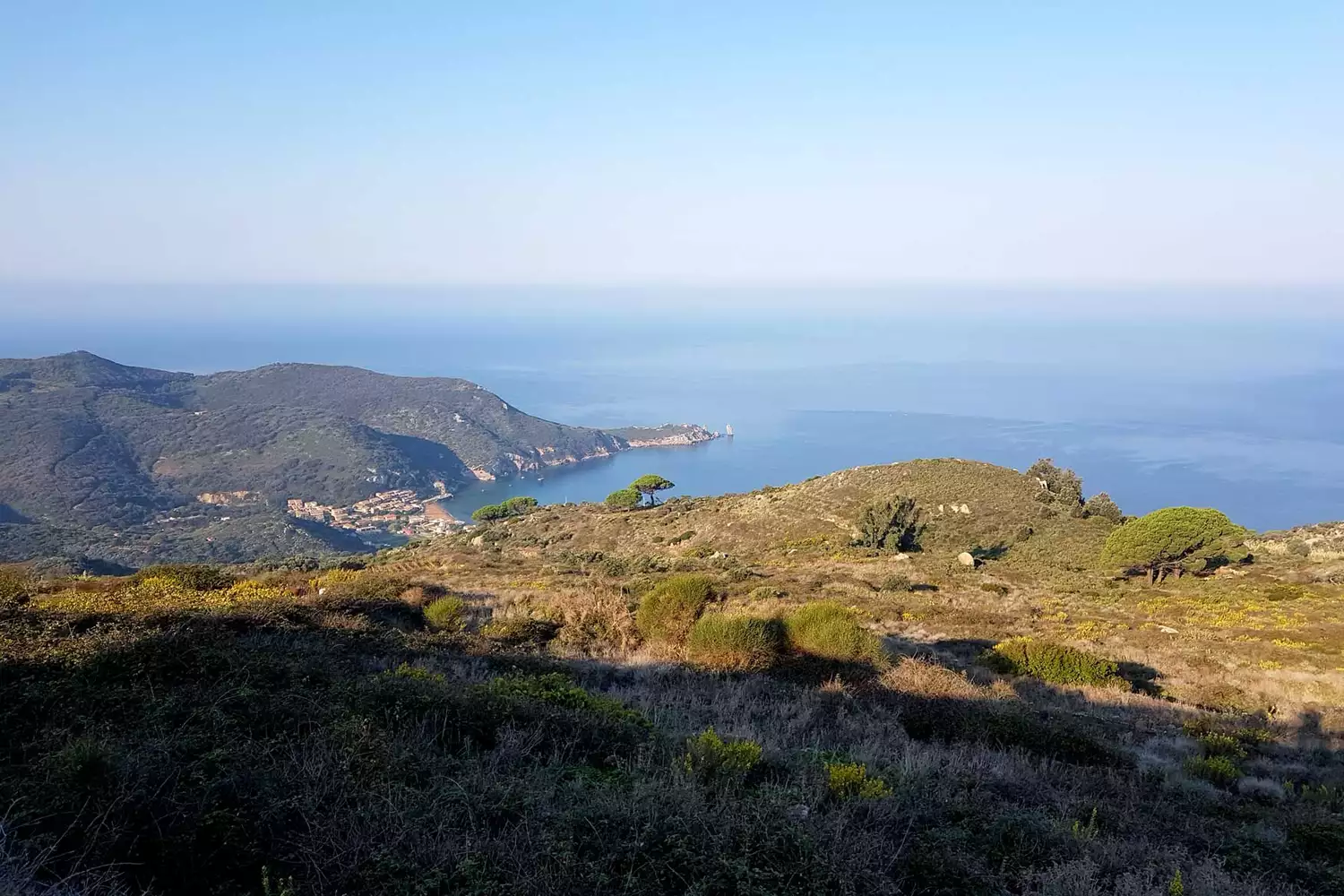
Giglio Island is home to several distinct beaches, ranging from family-friendly sandy stretches to hidden, rocky inlets accessible only by sea or trail. The water quality here is consistently among the highest in Italy, making snorkeling and diving giglio island a top-tier activity.
- Giglio Campese: As the island's largest beach, it offers full amenities, including sunbed rentals and waterfront cafes. The granite cliffs that flank the bay protect it from southern winds, keeping the water glass-like.
- Cala delle Cannelle: Located south of the port, this beach is famous for its fine white sand and shallow, turquoise water. It can get busy in July, but the color of the water is undeniably reminiscent of the Caribbean.
- Cala delle Caldane: This is the connoisseur’s choice. Accessible only by a 20-minute coastal hike from Cannelle or by a small boat taxi, Caldane is wilder and quieter. It is arguably one of the best beaches on giglio island for those seeking seclusion.
- Cala degli Alberi: For those interested in the island's unique geology, this rocky beach is surrounded by impressive granite formations. It is mostly reachable by boat, offering a sense of total detachment from the world.
Whether you prefer the comfort of a beach club or the solitude of a hidden cove, the giglio island beaches provide a variety of coastal experiences that few other Tuscan destinations can match.
Beyond the Beach: Hiking & Heroic Viticulture
While the coastline is the primary draw, the interior of the island offers a rugged beauty that rewards the active traveler. The giglio island hiking trails crisscross the ridges, passing through dense Mediterranean macchia—the fragrant scrubland of rosemary, myrtle, and mastic that defines the local ecosystem.
One of the most rewarding treks is the path from Giglio Castello down to the lighthouse at Punta di Capel Rosso. This 7-kilometer trail takes you to the southernmost tip of the island, where the land falls away into the indigo sea. Along the way, you’ll notice the ancient stone terraces that cling to the steep hillsides.
These terraces are the site of what locals call Heroic Viticulture. For centuries, islanders have manually cultivated the Ansonica grape on these precarious cliffs. Because the terrain is too steep for machinery, every stage of the process—from pruning to harvest—is done by hand. The resulting Ansonica wine is a dry, golden-hued white with a distinct mineral salinity that perfectly complements fresh seafood cuisine. Sampling a glass at a local cellar in the Castello is a rite of passage for any visitor to giglio island italy.
Dining & Nightlife: From Pizza Gigliese to Fresh Seafood
The culinary scene on the island is a blend of maritime traditions and mountain hardy fare. Because so much of the island was historically self-sufficient, the food feels honest and unpretentious.
- Spaghetti allo Spruzzo di Balena: Don't let the name (whale spray) alarm you—this is a classic tomato-based seafood pasta, often enriched with local clams or mussels.
- Pizza Gigliese: A savory pie filled with onions and salted anchovies, reflecting the island's history as a place of sailors and farmers.
- Panficato: A dense, sweet bread made with figs, walnuts, and honey, originally created for the winter months but now available year-round.
As the sun sets, the nightlife stays low-key. There are no sprawling nightclubs here. Instead, the evening revolves around a long dinner followed by drinks at a bar in the port or under the stars in the Castello. It is a place for conversation, not spectacle.
Know Before You Go: Practical Tips & Rules
To maintain the pristine nature that earns the island its reputation, there are several rules and customs to keep in mind:
- Environmental Protection: Remember that about half of the island is within a national park. Stay on marked trails and avoid picking any wild flora.
- Pet Policies: If you are traveling with a dog, be aware of the "No Dogs on Beach" policies that are strictly enforced during the summer months (typically June to September). Some private beach clubs may allow small pets, but public sands are generally off-limits.
- Transportation: While the bus connects the three main towns efficiently, many visitors find that e-bike rentals offer the most freedom. They allow you to scale the steep road to the Castello without the exhaustion of a traditional bicycle.
- Booking in Advance: Because giglio island hotels are limited and usually family-run, demand far exceeds supply in July and August. If you plan to stay overnight, book at least four to six months in advance.
Isola del Giglio is a destination for the traveler who values authenticity over vanity. It is a place where you can spend a morning exploring a castle, an afternoon diving into crystal-clear water, and an evening sipping a wine that tastes exactly like the land it was grown on. It is the Tuscan escape you haven't booked yet, but once you go, it is the one you will never forget.
FAQ
Is Giglio Island worth visiting?
Absolutely. For travelers looking to escape the crowded mainland of Tuscany, Giglio offers a perfect blend of medieval history, pristine water, and rugged nature. It is ideal for those who prefer boutique experiences and outdoor activities like hiking and snorkeling over large resorts.
Can you stay on Giglio Island?
Yes, there are a variety of accommodations available, ranging from charming guesthouses in the colorful Giglio Porto to medieval-style apartments in Giglio Castello and beachside hotels in Giglio Campese. However, supply is limited, so early booking is essential for summer visits.
How do you get to Giglio Island?
You must take a ferry from Porto Santo Stefano on the Argentario Coast of the Tuscan mainland. Two ferry companies, Toremar and Maregiglio, run several crossings daily. The journey takes approximately one hour and arrives at the main port of the island.
What is the closest airport to Giglio Island?
The closest major airports are Rome Fiumicino (FCO) and Rome Ciampino (CIA), which are about a 1.5 to 2-hour drive from Porto Santo Stefano. Pisa International Airport (PSA) is also an option, located about 2.5 hours to the north. From any of these airports, you can take a train or rent a car to reach the ferry terminal.